 delishing
How to Bake Beets in the Oven

Introduction
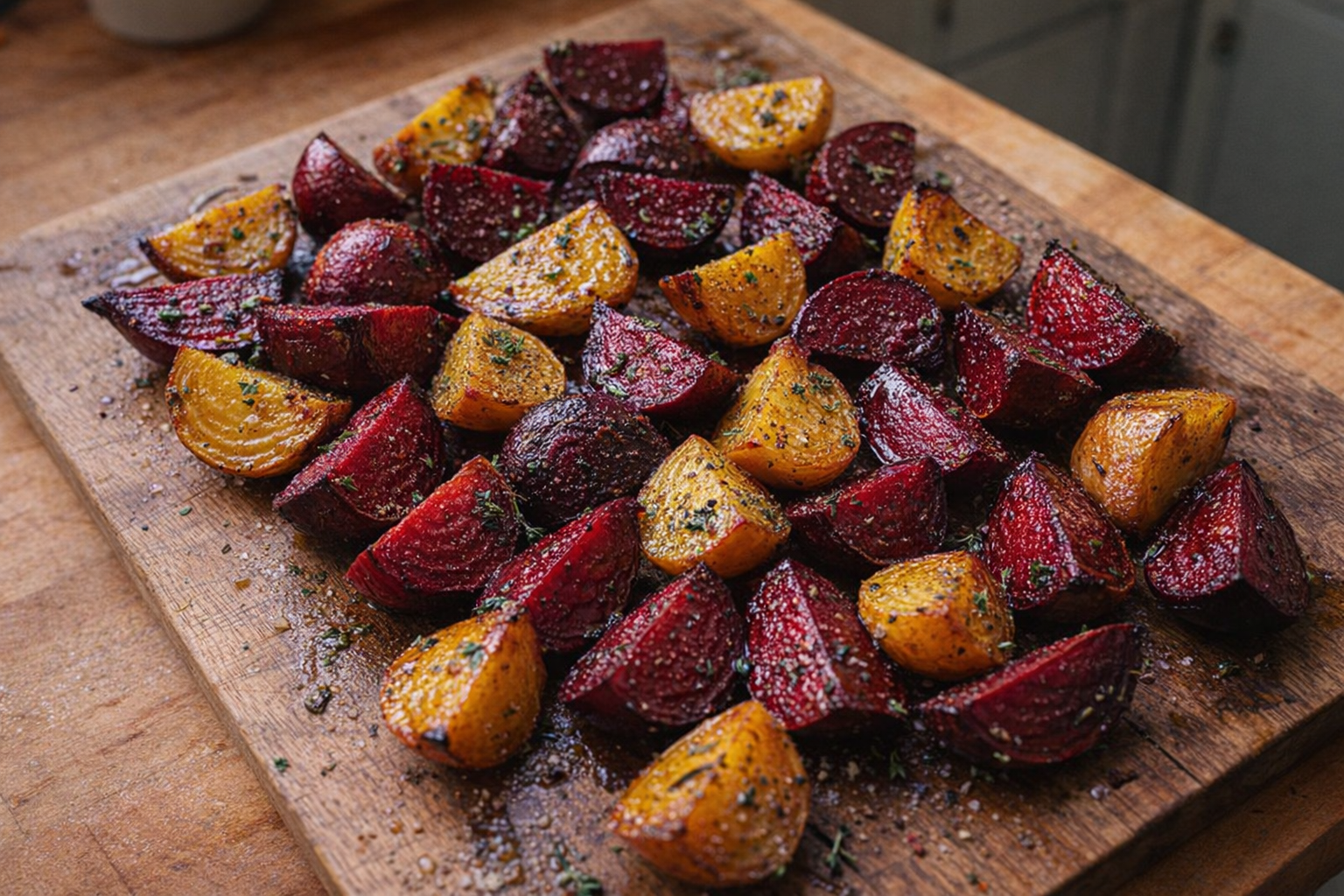
Baked beets offer a unique earthy sweetness that intensifies during roasting, making them a versatile ingredient for salads, side dishes, or even as a standalone snack. Roasting brings out their natural sugars, caramelizing the edges while keeping the interior tender. This method is preferred because it requires minimal hands-on time and evenly cooks the beets, preserving their vibrant color and nutritional benefits.
Baking whole beets in foil packets ensures they steam in their own juices, resulting in a moist and flavorful outcome. Adding a touch of olive oil, salt, and pepper enhances their natural taste, while optional herbs like thyme or bay leaf infuse them with subtle aromatic notes. This guide will provide you with the knowledge and techniques to consistently bake perfect beets in your oven.
Understanding Beets
Beets come in various types, each offering subtle differences in flavor and texture. The most common varieties include red beets (like Detroit Dark Red), golden beets, and Chioggia beets (with their distinctive concentric rings). Red beets are known for their robust flavor and are ideal for roasting. Golden beets are milder and sweeter, while Chioggia beets offer a beautiful presentation in salads.
When selecting beets, look for firm, smooth skin without any blemishes or soft spots. Smaller to medium-sized beets are generally sweeter and more tender. If the beet greens are attached, they should appear fresh and vibrant green. Avoid beets that feel overly heavy for their size or have a hairy taproot, as these can be tougher and more fibrous.
Why Cook Beets This Way?
- Versatility: Baked beets can be used in salads, dips, as a side dish, or even in desserts.
- Flavor: Roasting intensifies the natural sweetness of beets, creating a delicious caramelized flavor.
- Convenience: Baking requires minimal active cooking time, allowing you to prepare other dishes while the beets are in the oven.
Preparation (Mise en Place)
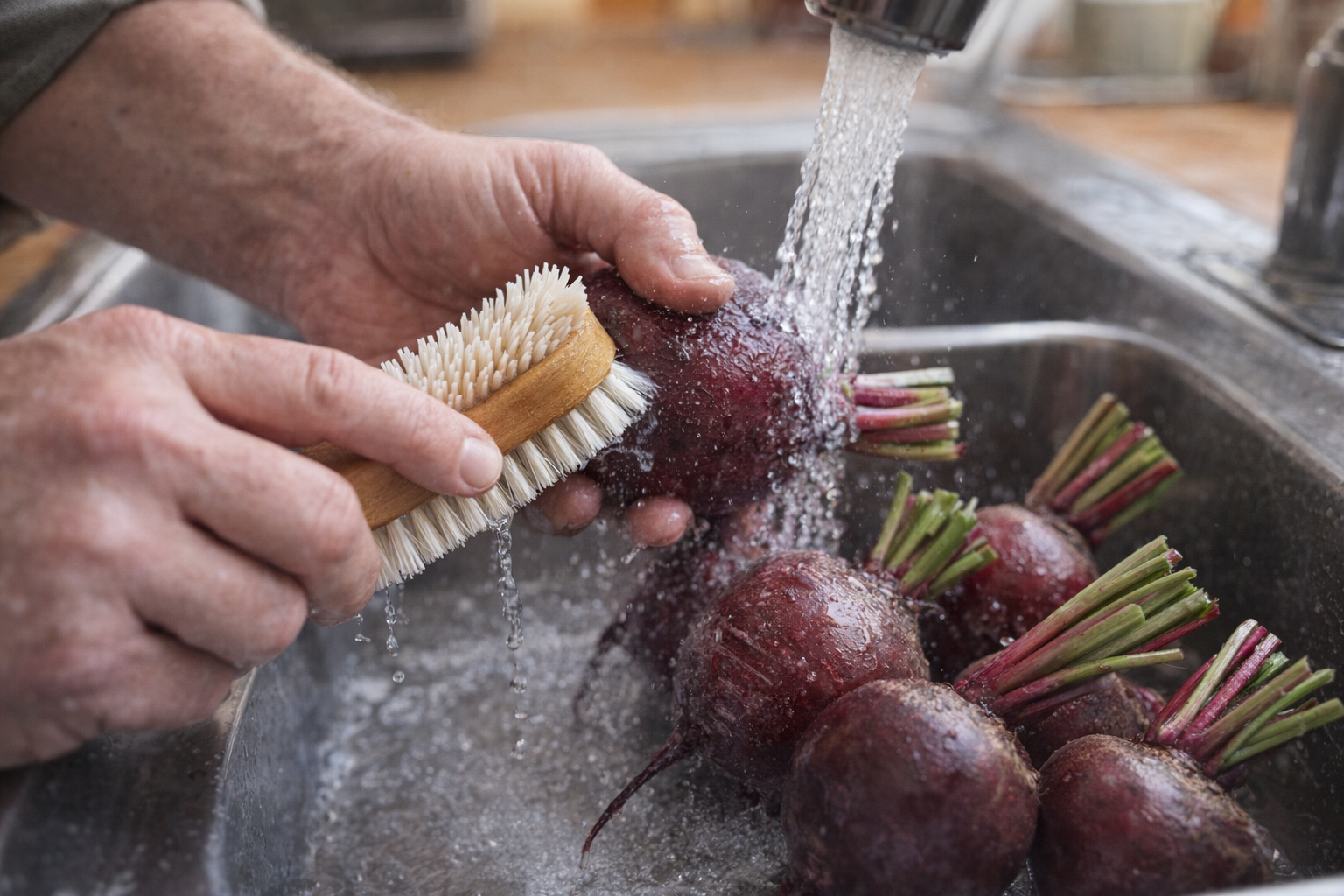
- Washing: Thoroughly wash the beets under cold running water, scrubbing away any dirt or debris with a vegetable brush.
- Trimming: Trim the beet greens, leaving about 1-2 inches of stem attached to prevent the beets from bleeding during cooking. (The greens can be saved for other dishes!)
- Optional Peeling (Post-Bake): While optional, peeling the beets after baking is easiest. The skins will slip right off.
- Preheating: Preheat your oven to 400°F (200°C).
Essential Tools:
- Oven: A reliable oven is essential for consistent baking.
- Baking Sheet: Use a sturdy baking sheet to support the foil packets.
- Aluminum Foil: Aluminum foil is crucial for wrapping the beets and creating a steam-filled environment.
- Vegetable Brush: This is helpful for cleaning the beets efficiently.
- Sharp Knife: A sharp knife is needed for trimming the beets.
The Cooking Method
Method 1: Foil Packet Baking
This method ensures even cooking and maximum moisture retention.
Ingredients:
- Beets: 3 large or 5 small to medium-sized (about 1.5 lbs / 680g)
- Extra Virgin Olive Oil: 1 teaspoon (5ml) per beet
- Salt: 1/4 teaspoon (1.25g) per beet
- Black pepper: 1/4 teaspoon (1.25g) per beet (optional)
- Bay leaf: 1 leaf per 2 beets (optional)
- Dried thyme leaves: 1/2 teaspoon (2.5ml) per 2 beets (optional)
Instructions:
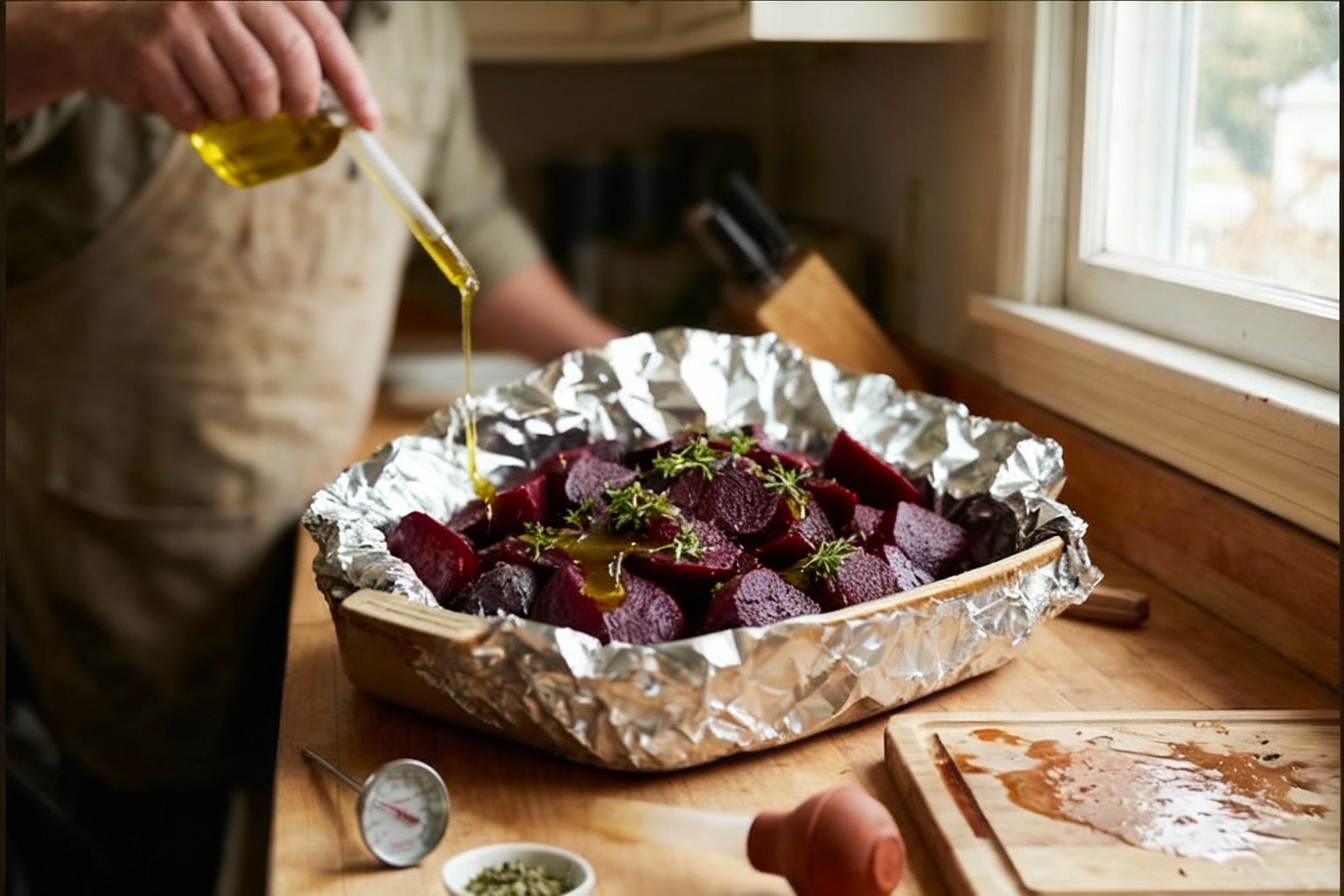
- Prepare Foil Packets: Cut squares of aluminum foil large enough to fully enclose each beet.
- Dress the Beets: Place each beet in the center of a foil square. Drizzle with olive oil, then sprinkle with salt, pepper (if using), and optional herbs like thyme or bay leaf. The aroma of olive oil mingling with herbs is the first sign of the delicious transformation to come.
- Seal the Packets: Tightly wrap each beet in the foil, creating a sealed packet. This traps the steam and helps the beets cook evenly.
- Arrange on Baking Sheet: Place the foil packets on a baking sheet.
- Bake: Bake in the preheated oven for 45 minutes to 1 hour, or until the beets are tender. The scent of earthy beets and herbs will fill your kitchen as they roast.
- Check for Doneness: Carefully open one of the foil packets (be careful of the steam!) and insert a fork or knife into the center of the beet. If it pierces easily with little resistance, the beets are done.
- Cool and Peel (Optional): Let the beets cool slightly before handling. Once cool enough to touch, the skins should easily slip off. Use a paper towel or small knife to assist.
Cooking Time & Doneness Guide:
- Cooking Time: 45 minutes to 1 hour, depending on size.
- Internal Temperature: Not typically measured for beets, but they are done when a fork or knife inserted into the center meets little resistance.
Visual Cues
The beets should be easily pierced with a fork or knife. The skins may start to wrinkle slightly, indicating they are tender.
Tips for Perfection:
- Don't Overcrowd the Pan: Ensure the foil packets are arranged in a single layer on the baking sheet for even heat distribution.
- Check for Doneness Early: Start checking for doneness around 45 minutes, especially for smaller beets, to avoid overcooking.
- Handle Hot Beets Carefully: Use tongs or oven mitts when handling the hot foil packets to avoid burns.
- Don't Skip the Oil: The olive oil helps to retain moisture and adds flavor.
Storage & Reheating:
- Storage: Store leftover baked beets in an airtight container in the refrigerator for up to 5 days.
- Reheating: Reheat the beets in the microwave or oven. For the oven, wrap them in foil again to retain moisture.
Serving Suggestions:
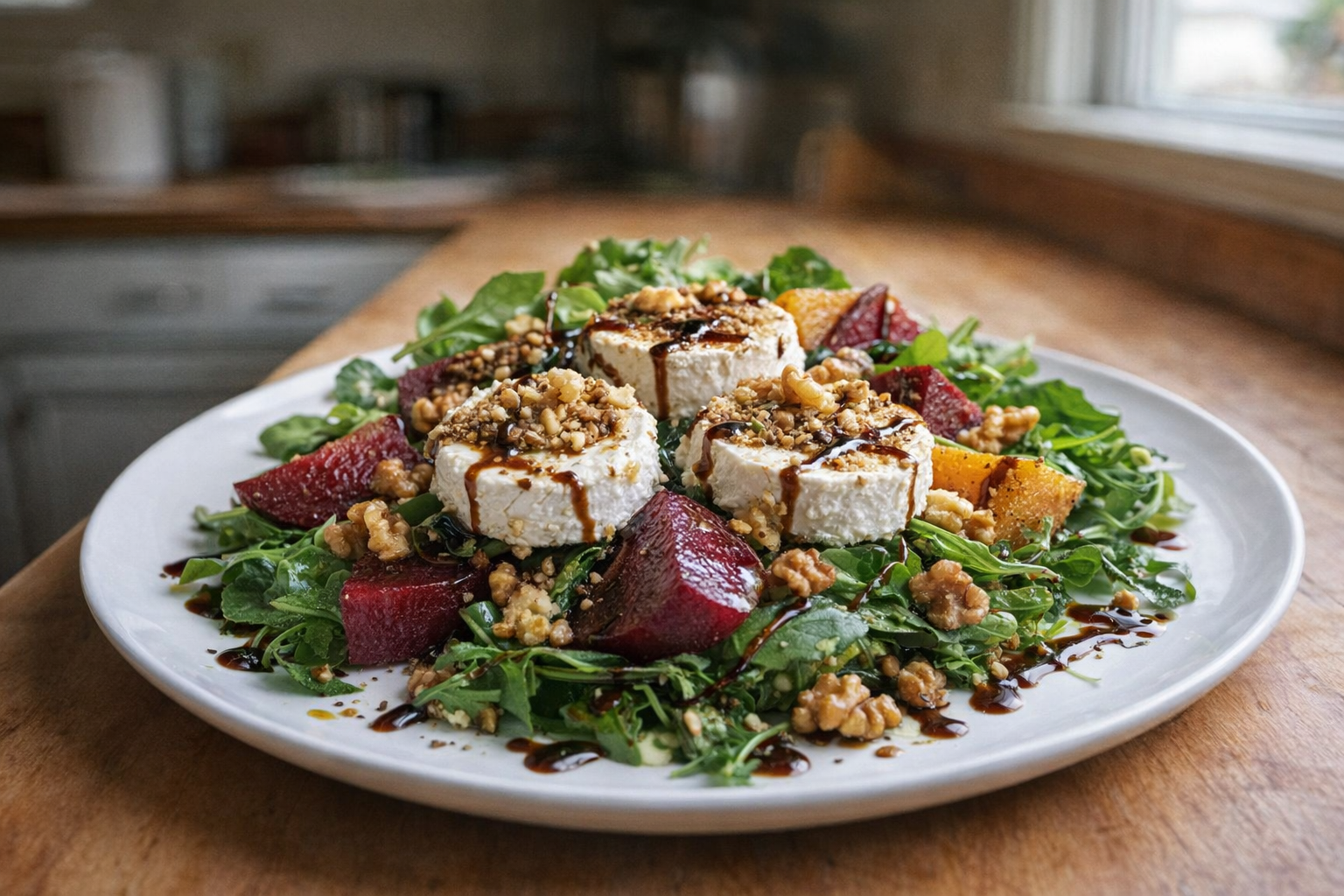
- Beet and Goat Cheese Salad: Combine sliced baked beets with crumbled goat cheese, walnuts, and a balsamic vinaigrette.
- Beet Hummus: Blend baked beets with chickpeas, tahini, lemon juice, garlic, and olive oil for a vibrant and flavorful hummus.
- Roasted Beet and Quinoa Bowl: Toss baked beets with cooked quinoa, roasted vegetables, and a lemon-tahini dressing.
- Beetroot Soup (Borscht): Use the baked beets as a base for a traditional beetroot soup.
💡 Pro Tips
- Scrub the beets thoroughly to remove dirt but leave the skins on during roasting to help retain moisture.
- Select beets of similar size or cut larger ones into uniform halves to ensure they all cook at the same rate.
- Seal the foil packets tightly to trap steam, which softens the beets while concentrating their natural earthy sweetness.
- Check for doneness by piercing the thickest part of a beet with a fork; it should slide in easily with no resistance.
- Wait until the beets are cool enough to handle, then rub the skins with a paper towel to peel them off effortlessly.
Frequently Asked Questions
Yes, you can bake different colored beets together, but be aware that the red beets may bleed and stain the golden or Chioggia beets. To prevent this, wrap each color variety in its own separate foil packet before baking.
The beets are done when a fork or knife easily pierces through the center with little to no resistance. The cooking time will vary depending on the size of the beets, so start checking them around 30 minutes and adjust accordingly.
Store leftover baked beets in an airtight container in the refrigerator for up to 5 days. You can peel them before storing, or peel them right before you plan to use them. They are great cold or reheated.
A little bleeding is normal, but excessive bleeding can make the beets less flavorful. Make sure you've left about 1-2 inches of the stem attached to the beet when trimming before baking, as this helps prevent excessive juice loss.