 delishing
How to Pan-Fry Cod for a Delicate and Flaky Dinner

Cod, with its mild, slightly sweet flavor and delicate, flaky texture, is a blank canvas for culinary creativity. Pan-frying is an excellent method for achieving a beautifully browned exterior while maintaining the cod's moist interior. This guide provides a detailed approach to pan-frying cod, ensuring a restaurant-quality dish you can easily prepare at home. The simple sear allows the natural flavors of the fish to shine through while offering versatility for different seasonings and sauces.
Pan-frying cod is a technique that's both quick and customizable, making it ideal for weeknight dinners and special occasions alike. The controlled heat of the pan allows for a crisp, golden crust to develop, contrasting beautifully with the tender, flaky flesh inside. A little practice goes a long way in mastering this method, and soon you'll be creating delicious, impressive cod dishes with confidence.
Understanding Cod
Cod is a versatile white fish available in various forms. Atlantic cod (Gadus morhua) is the most common, known for its firm, flaky texture and mild flavor. Pacific cod (Gadus macrocephalus) is similar but slightly less firm.
When buying cod, look for fillets that are firm, translucent, and free from any fishy odor. Fresh cod should be used within a day or two. Frozen cod is a convenient option, but ensure it's properly thawed before cooking. Skin-on or skin-off fillets can be used for pan-frying, but skin-on fillets will yield a crispier skin if cooked properly.
Why Cook Cod This Way?
- Versatility: Cod pairs well with a wide range of flavors, from simple lemon and herbs to bold spices and sauces.
- Flavor: Pan-frying enhances the natural sweetness of cod, creating a delicious sear that complements its delicate taste.
- Convenience: This method is quick and easy, perfect for busy weeknights when you want a healthy and satisfying meal.
Preparation (Mise en Place)
Before you start cooking, proper preparation is key to achieving perfectly pan-fried cod.
- Thawing (if using frozen): Thaw frozen cod fillets in the refrigerator overnight or submerged in cold water for about 30-60 minutes. Pat the fillets dry with paper towels to remove excess moisture.
- Cutting (if necessary): If your fillets are very thick, consider cutting them horizontally to ensure even cooking. Aim for fillets that are about 1-inch thick.
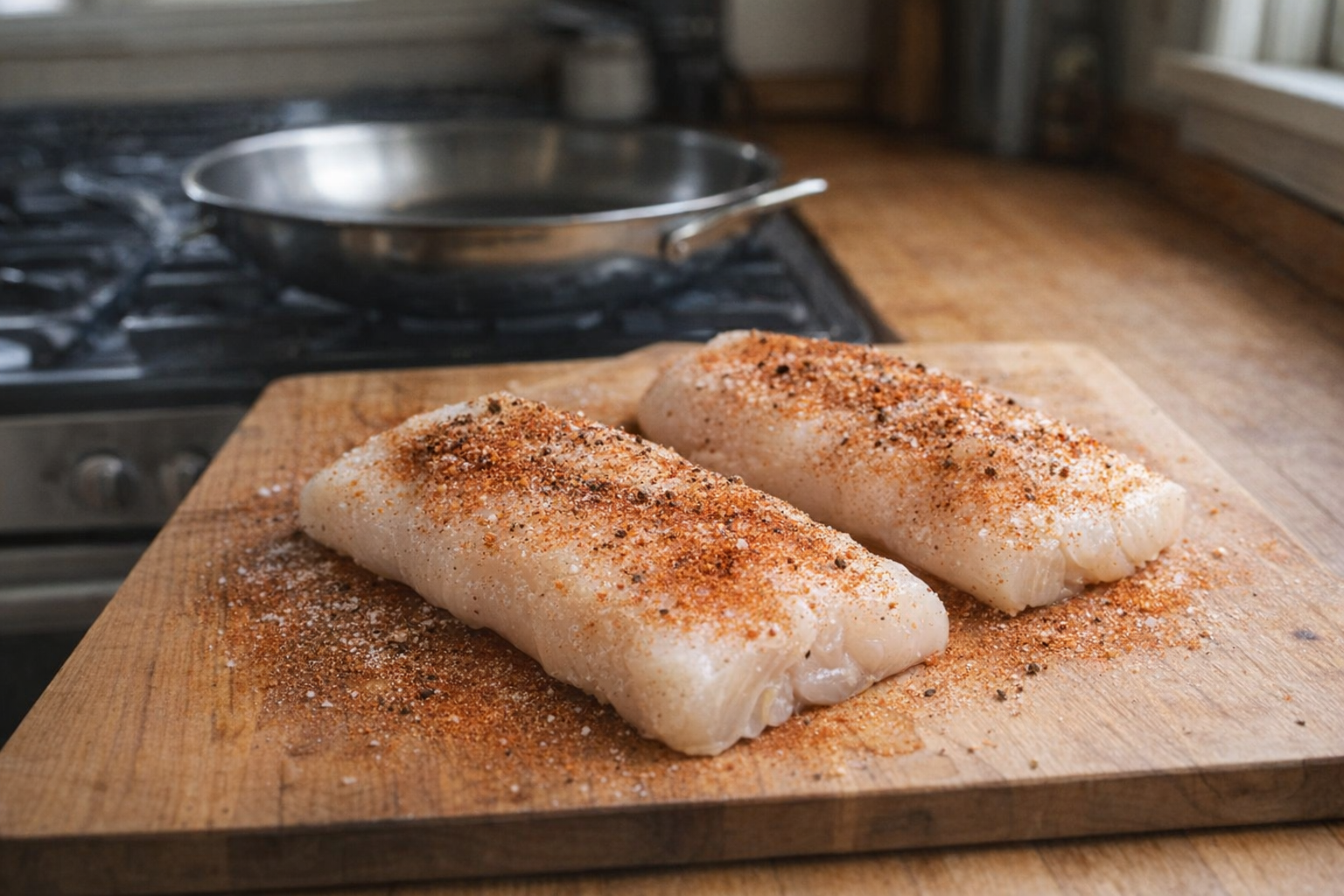
- Seasoning: Season the cod fillets generously with salt and freshly ground black pepper. Consider adding other spices like paprika, garlic powder, or herbs like thyme or dill, depending on your preference.
Essential Tools
- 12-inch Stainless Steel Skillet or Cast Iron Skillet: A stainless steel or cast iron skillet is ideal for pan-frying because it distributes heat evenly and can withstand high temperatures. Avoid non-stick pans, as they don't typically achieve the same level of searing.
- Fish Spatula: A thin, flexible fish spatula is essential for gently flipping the delicate cod fillets without breaking them.
- Paper Towels: For patting the cod dry to ensure proper searing.
The Cooking Method(s)
Below is the method for pan-frying cod to achieve optimal flavor and texture.
Pan-Frying Cod
Ingredients:
- 2 Cod Fillets (6-8 ounces each), skin on or off
- 2 tablespoons Olive Oil or Avocado Oil
- 1 tablespoon Butter (optional, for added flavor)
- Salt and Freshly Ground Black Pepper, to taste
- Optional Seasonings: Paprika, Garlic Powder, Thyme, Dill
- Lemon wedges, for serving
- Prepare the Pan: Place the skillet over medium-high heat. Add the olive oil (or avocado oil) and heat until it shimmers. If using butter, add it to the pan along with the oil; allow it to melt and foam slightly. The pan should be hot enough to sizzle when a drop of water is added.
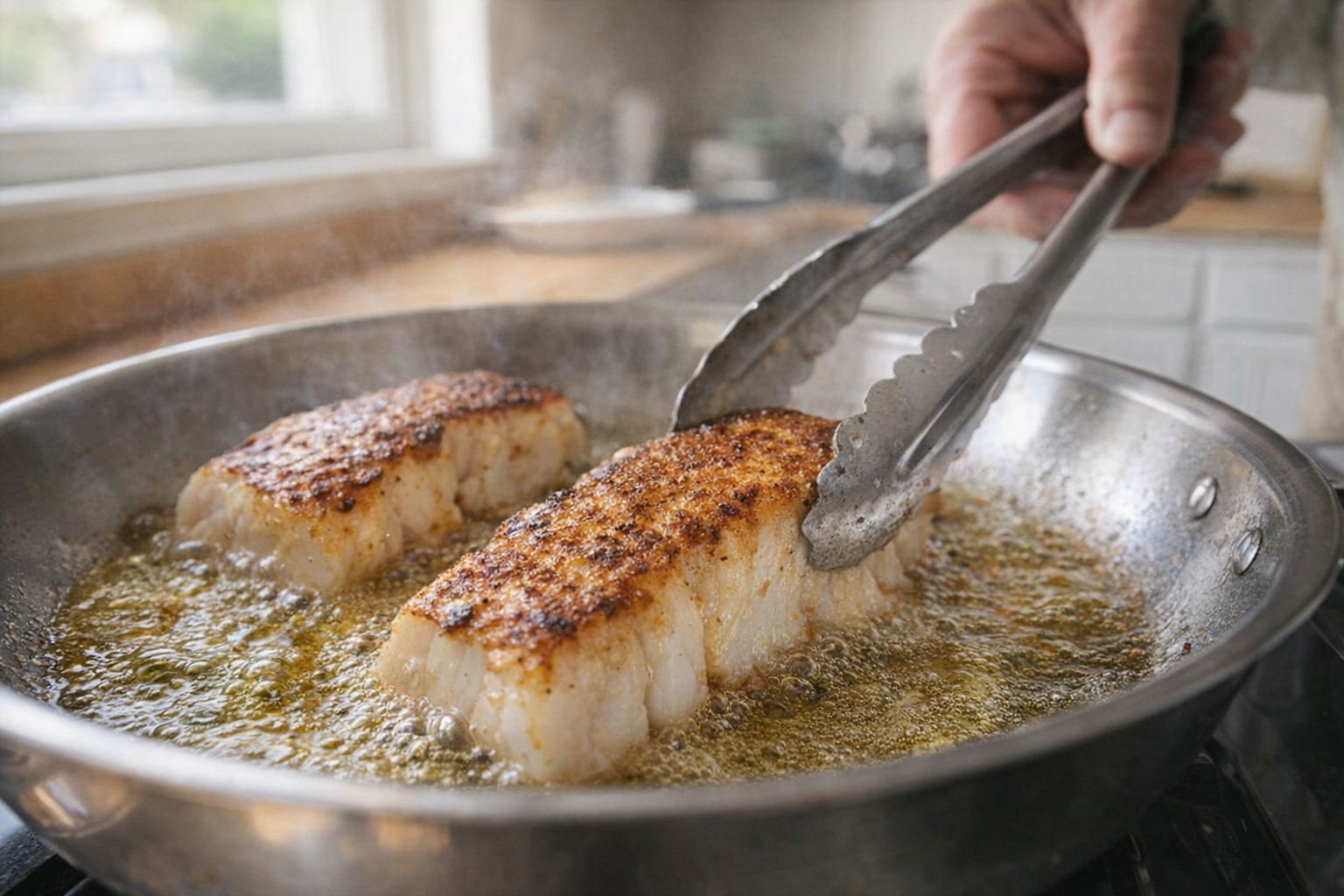
- Sear the Cod: Gently place the seasoned cod fillets into the hot pan, ensuring they are not overcrowded. If using skin-on fillets, place them skin-side down first. Listen for a satisfying sizzle as the fish hits the pan.
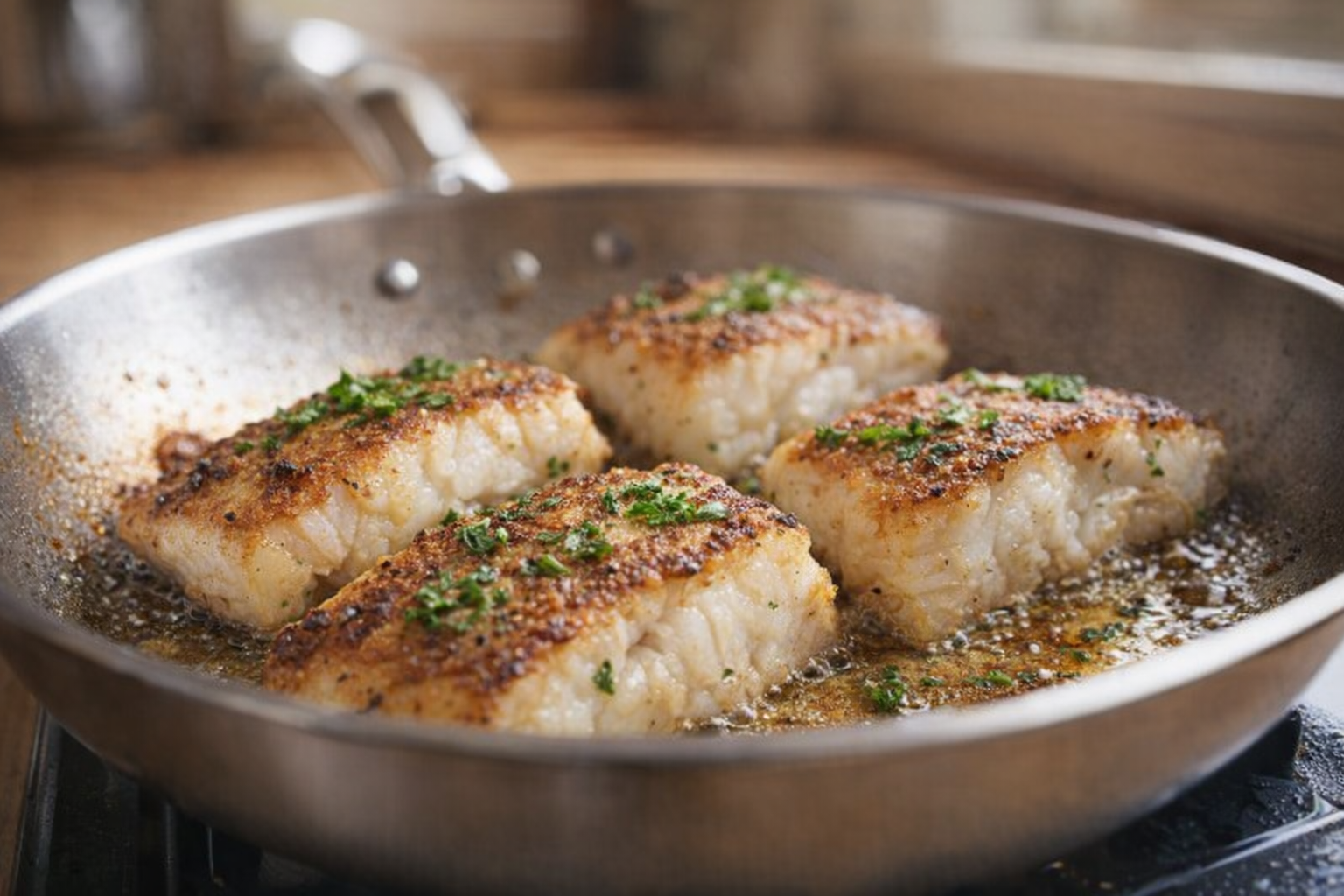
- Cook the First Side: Cook the cod for 3-4 minutes, or until the bottom is golden brown and a crispy crust has formed. Avoid moving the fillets around during this time to ensure proper searing. The smell should be savory and slightly nutty as the fish browns.
- Flip and Finish Cooking: Carefully flip the cod fillets with the fish spatula. If the pan seems dry, add a little more oil. Cook for another 2-3 minutes, or until the cod is cooked through and flakes easily with a fork. You'll notice the fish becoming opaque and firm as it cooks.
- Check for Doneness: The internal temperature of the cod should reach 145°F (63°C).
- Serve Immediately: Remove the pan-fried cod from the skillet and serve immediately with lemon wedges and your favorite sides.
Cooking Time & Doneness Guide
- Total Cooking Time: Approximately 5-7 minutes, depending on the thickness of the fillets.
- Internal Temperature: 145°F (63°C). Use a meat thermometer to ensure accuracy.
Visual Cues
The cod is done when it is opaque throughout and flakes easily with a fork. The exterior should be golden brown and slightly crispy.
Tips for Perfection
- Don't Overcrowd the Pan: Cook the cod in batches if necessary to avoid overcrowding the pan, which can lower the temperature and result in steamed rather than seared fish.
- Pat the Cod Dry: Excess moisture prevents proper searing. Always pat the cod fillets dry with paper towels before seasoning and cooking.
- Use the Right Heat: Medium-high heat is essential for achieving a good sear. If the pan is not hot enough, the cod will steam instead of fry.
- Avoid Overcooking: Cod can become dry and rubbery if overcooked. Use a thermometer and visual cues to ensure it's cooked just right.
Storage & Reheating
- Storage: Store leftover pan-fried cod in an airtight container in the refrigerator for up to 2 days.
- Reheating: The best way to reheat pan-fried cod is in a skillet over medium heat with a little oil or butter. Reheat gently, flipping occasionally, until warmed through. Avoid microwaving, as it can make the fish rubbery.
Serving Suggestions
- Lemon Butter Sauce: Drizzle the pan-fried cod with a simple lemon butter sauce made with melted butter, lemon juice, and a pinch of salt and pepper.
- With Roasted Vegetables: Serve the cod alongside roasted vegetables like asparagus, broccoli, or Brussels sprouts for a healthy and balanced meal.
- In Fish Tacos: Flake the pan-fried cod and use it as a filling for fish tacos with your favorite toppings like salsa, avocado, and cabbage slaw.
- Over Rice or Quinoa: Serve the cod over a bed of rice or quinoa with a side of steamed greens for a complete and satisfying meal.

💡 Pro Tips
- Pat the cod fillets completely dry with paper towels before seasoning to ensure a crisp, golden-brown crust.
- Heat the oil in the pan until it shimmers but does not smoke before adding the fish to prevent sticking and ensure an immediate sear.
- Avoid moving the fillets for the first three to four minutes to allow a solid crust to form, which makes flipping much easier without breaking the delicate flesh.
- Use a combination of oil and a small knob of butter toward the end of cooking to baste the fish for added richness and flavor.
- Remove the cod from the heat once it reaches an internal temperature of 145 degrees Fahrenheit or when the thickest part easily flakes with a fork.
Frequently Asked Questions
Sticking usually means the pan isn't hot enough or the fish isn't dry enough. Ensure your skillet is properly preheated over medium-high heat before adding the oil, and pat the cod fillets very dry with paper towels to remove excess moisture before seasoning.
While a stainless steel skillet is recommended for optimal searing, a non-stick pan can be used. However, you might not achieve as deep of a golden-brown crust. Be sure to use medium heat to prevent damaging the non-stick coating.
Cod is done when it flakes easily with a fork and the internal temperature reaches 145°F (63°C). Insert a thermometer into the thickest part of the fillet to check the temperature, and avoid overcooking, which will make the cod dry.
Allow the cod to cool completely before storing it in an airtight container in the refrigerator. It's best consumed within 1-2 days. Reheat gently in a skillet or microwave, but be careful not to overcook it during reheating.