 delishing
How to Cook Spaghetti on the Stove: A Culinary Guide to Perfection

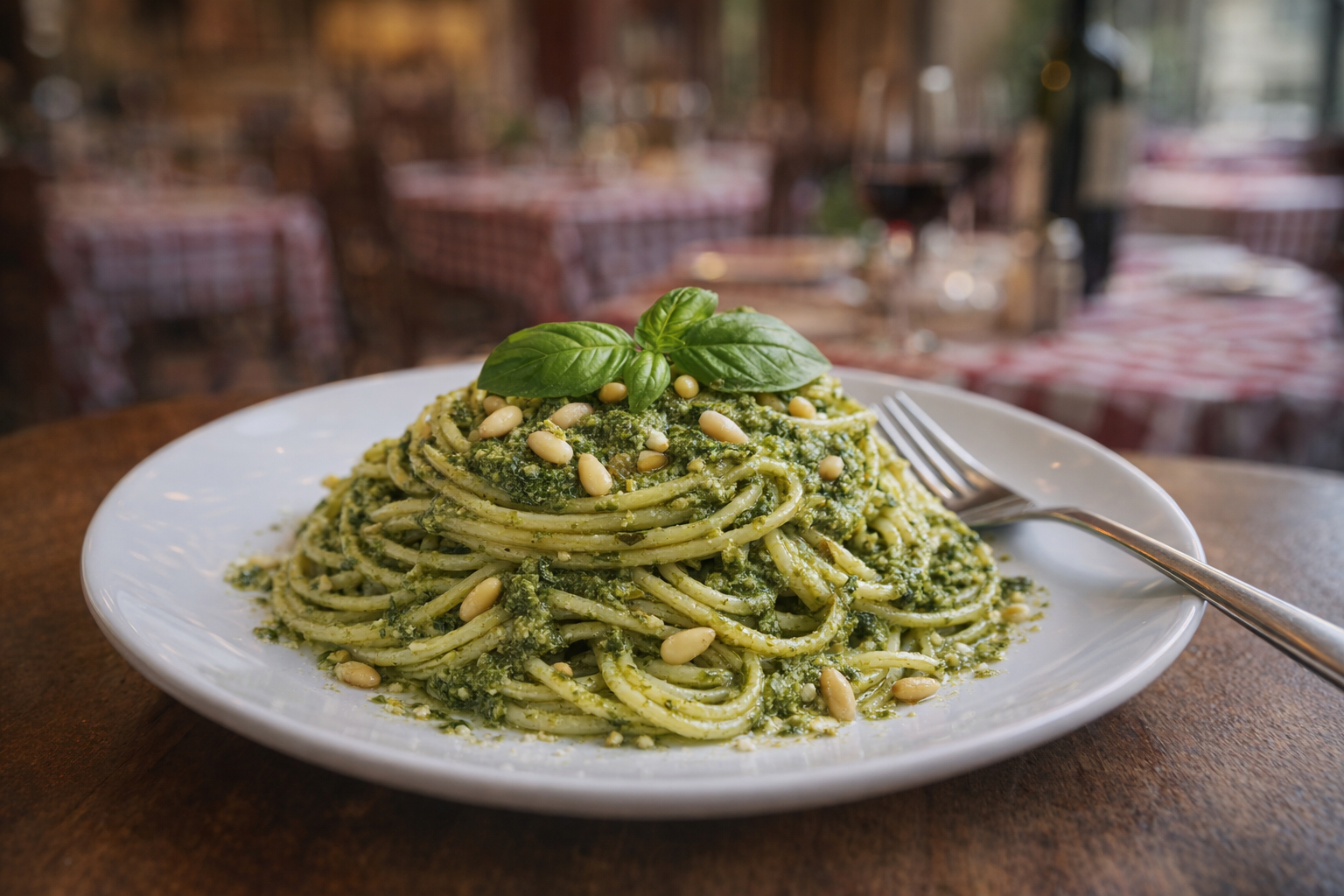
The key to a truly exceptional pasta dish lies in the perfect execution of the simplest step: cooking the spaghetti. Perfectly cooked spaghetti should be al dente – firm to the bite, yet tender and yielding. This texture allows the pasta to hold its own against robust sauces and delicate flavors alike. This guide provides a comprehensive approach to mastering the art of cooking spaghetti, ensuring a flawless foundation for countless culinary creations.
Achieving perfectly cooked spaghetti is not just about boiling water and tossing in pasta. It's about understanding the nuances of timing, temperature, and technique. When done right, the flavor of the pasta itself becomes an integral part of the dish, complementing the sauce and other ingredients in perfect harmony. Follow this guide, and you'll be well on your way to creating pasta dishes that rival those of the finest Italian kitchens.
Understanding Spaghetti
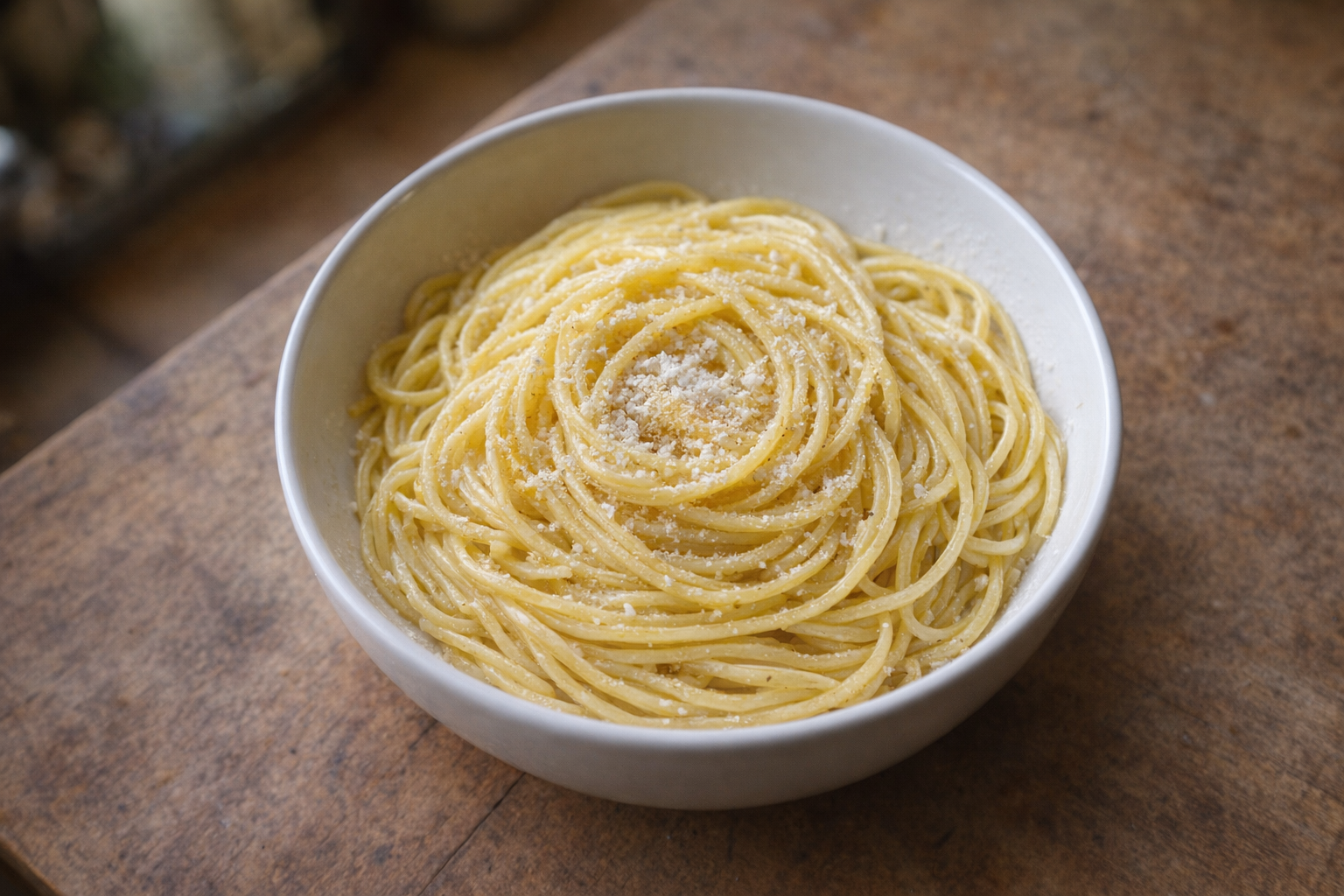
Spaghetti, derived from the Italian word for "strings," is a cylindrical pasta that forms the foundation for countless dishes worldwide. While readily available, not all spaghetti is created equal. Durum wheat semolina is considered the gold standard, producing a pasta with superior texture and bite. Look for brands that specify "100% durum wheat semolina" on the packaging for optimal results.
Beyond the standard variety, you'll find whole wheat spaghetti, offering a nuttier flavor and increased fiber content. Gluten-free options, typically made from rice or corn, are also available for those with dietary restrictions. However, be aware that these alternatives may have a slightly different texture and cooking time compared to traditional wheat-based spaghetti. When in doubt, always refer to the package instructions.
Why Cook Spaghetti This Way?
- Versatility: Perfectly cooked spaghetti is a blank canvas for a wide range of sauces, from simple olive oil and garlic to complex meat ragùs.
- Flavor: When cooked correctly, spaghetti offers a subtle, slightly nutty flavor that complements both delicate and bold sauces.
- Convenience: Cooking spaghetti is a quick and easy process, making it an ideal option for weeknight meals.
Preparation (Mise en Place)
- Gather your ingredients: 1 pound of spaghetti, 4-6 quarts of water, and 1-2 tablespoons of salt.
- Choose your pot: A large stockpot is essential to provide ample space for the spaghetti to cook evenly without sticking. The pot should be at least 6 quarts in capacity.
- Measure your water: Fill the pot with 4-6 quarts of cold water. Using cold water allows for a more gradual heating process, which helps prevent the pot from scorching.
Essential Tools
- Large Stockpot: Ensures even cooking and prevents sticking.
- Colander: For efficient draining of the cooked spaghetti.
- Wooden Spoon or Tongs: For stirring the pasta and preventing clumping.
The Cooking Method(s)
The most common and reliable method for cooking spaghetti is boiling. Follow this step-by-step guide to ensure perfect results every time.
Boiling Method
Ingredients:
- 1 pound spaghetti (454g)
- 4-6 quarts (3.8-5.7 liters) water
- 1-2 tablespoons (15-30ml) salt
- Bring Water to a Rolling Boil: Place the pot of water on a high heat setting. Allow the water to reach a full, rolling boil – characterized by large, vigorous bubbles that cannot be stirred down.
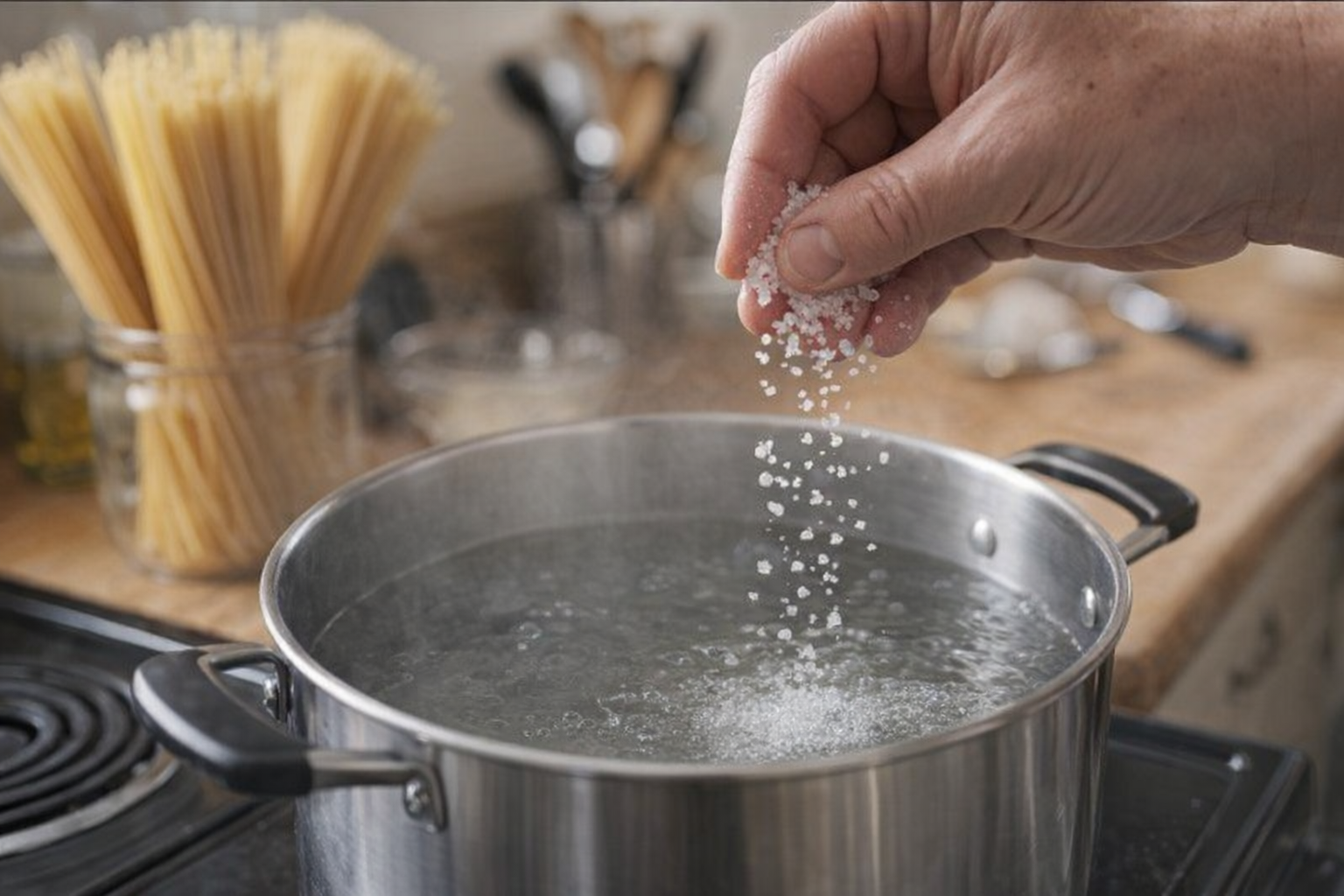
- Add Salt: Once boiling, add 1-2 tablespoons of salt to the water. The salt seasons the pasta from the inside out, enhancing its flavor.
- Add Spaghetti: Carefully add the spaghetti to the boiling water. If the spaghetti is too long for the pot, gently bend it in the middle to submerge it as it softens.
- Stir and Cook: Immediately stir the spaghetti with a wooden spoon or tongs to prevent it from sticking together. Cook according to package directions, usually 8-12 minutes, or until al dente. Stir occasionally during cooking.
- Test for Doneness: About 1-2 minutes before the recommended cooking time, test the spaghetti for doneness. Remove a strand of spaghetti and bite into it. It should be firm to the bite, yet tender and yielding.
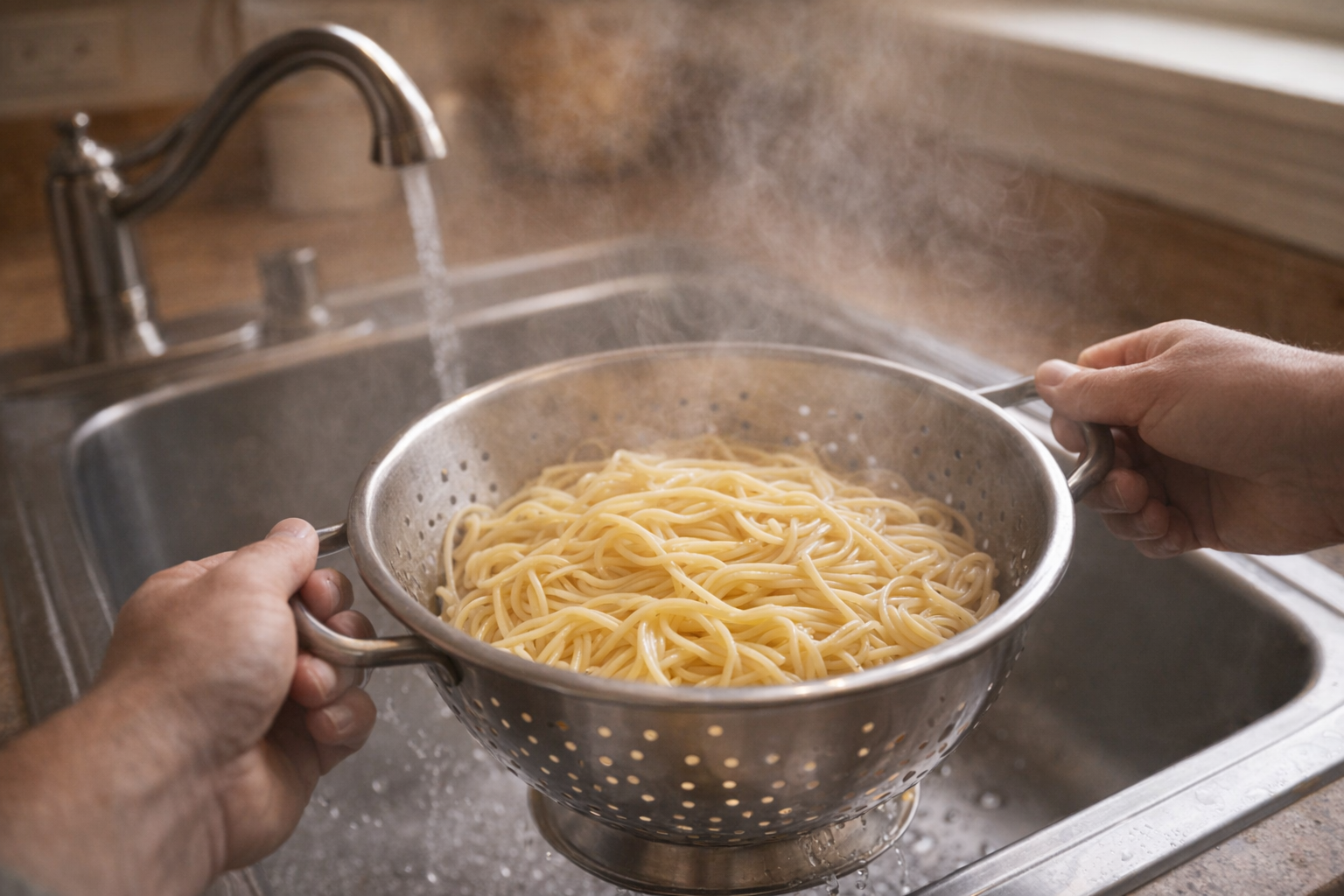
- Drain: Once the spaghetti is cooked to your liking, immediately drain it in a colander. Do not rinse the pasta unless you are using it in a cold salad.
- Serve: Serve immediately with your favorite sauce.
Cooking Time & Doneness Guide
- Cooking Time: Generally, 8-12 minutes for al dente. Check package directions for specific timing.
- Internal Temperature: N/A - Pasta doneness is based on texture, not temperature.
Visual Cues
The spaghetti should be slightly translucent, not opaque. When you lift a strand with tongs, it should bend easily but not break.
Tips for Perfection
- Use enough water: Insufficient water will result in sticky, unevenly cooked pasta.
- Salt generously: Salting the water is the only chance to season the pasta itself.
- Don't overcook: Overcooked pasta is mushy and unappetizing. Aim for al dente.
- Serve immediately: Pasta continues to cook after draining, so serve it promptly to prevent it from becoming overcooked.
Storage & Reheating
- Storage: Cooked spaghetti can be stored in an airtight container in the refrigerator for up to 3 days.
- Reheating: The best way to reheat spaghetti is in a pan with a little sauce or water over medium heat. Stir frequently to prevent sticking and ensure even heating. You can also microwave it, but be careful not to overcook it.
Serving Suggestions
- Classic Spaghetti and Meatballs: A timeless favorite, perfect for a comforting family meal.
- Spaghetti Carbonara: A rich and creamy dish made with eggs, cheese, and pancetta.
- Spaghetti Aglio e Olio: A simple yet flavorful dish with garlic, olive oil, and red pepper flakes.
- Spaghetti with Marinara Sauce: A versatile and classic tomato-based sauce that pairs well with a variety of toppings.
💡 Pro Tips
- Salt the boiling water generously until it tastes like the sea to ensure the pasta is seasoned from the inside out.
- Use a large pot with at least four quarts of water per pound of pasta to allow the strands to move freely without sticking.
- Avoid adding oil to the water as it creates a slippery coating that prevents your sauce from properly adhering to the spaghetti.
- Stir the pasta immediately after submerging it in the boiling water to prevent the individual strands from clumping together.
- Save a cup of the starchy pasta water before draining to help create a silky, cohesive sauce that clings perfectly to the noodles.
Frequently Asked Questions
While a large stockpot is ideal, you can use a smaller pot if necessary. Just be sure to break the spaghetti in half before adding it to the boiling water to ensure it's fully submerged, and stir frequently to prevent sticking.
To prevent sticking, use plenty of water (at least 4 quarts per pound of spaghetti) and add salt to the water before adding the pasta. Stir the spaghetti frequently during the first few minutes of cooking to separate the strands.
Yes, the starchy, salted pasta water is often called 'liquid gold' by chefs because it adds flavor and helps sauces bind to the pasta. Reserve about a cup of it before draining the spaghetti to add to your sauce for a richer and more cohesive dish.
'Al dente' means 'to the tooth' in Italian, and refers to pasta that is firm to the bite. To test for al dente, start tasting the spaghetti a minute or two before the recommended cooking time; it should be cooked through but still have a slight resistance when you bite into it.