 delishing
How to Make Chimichurri Sauce: A Step-by-Step Culinary Guide

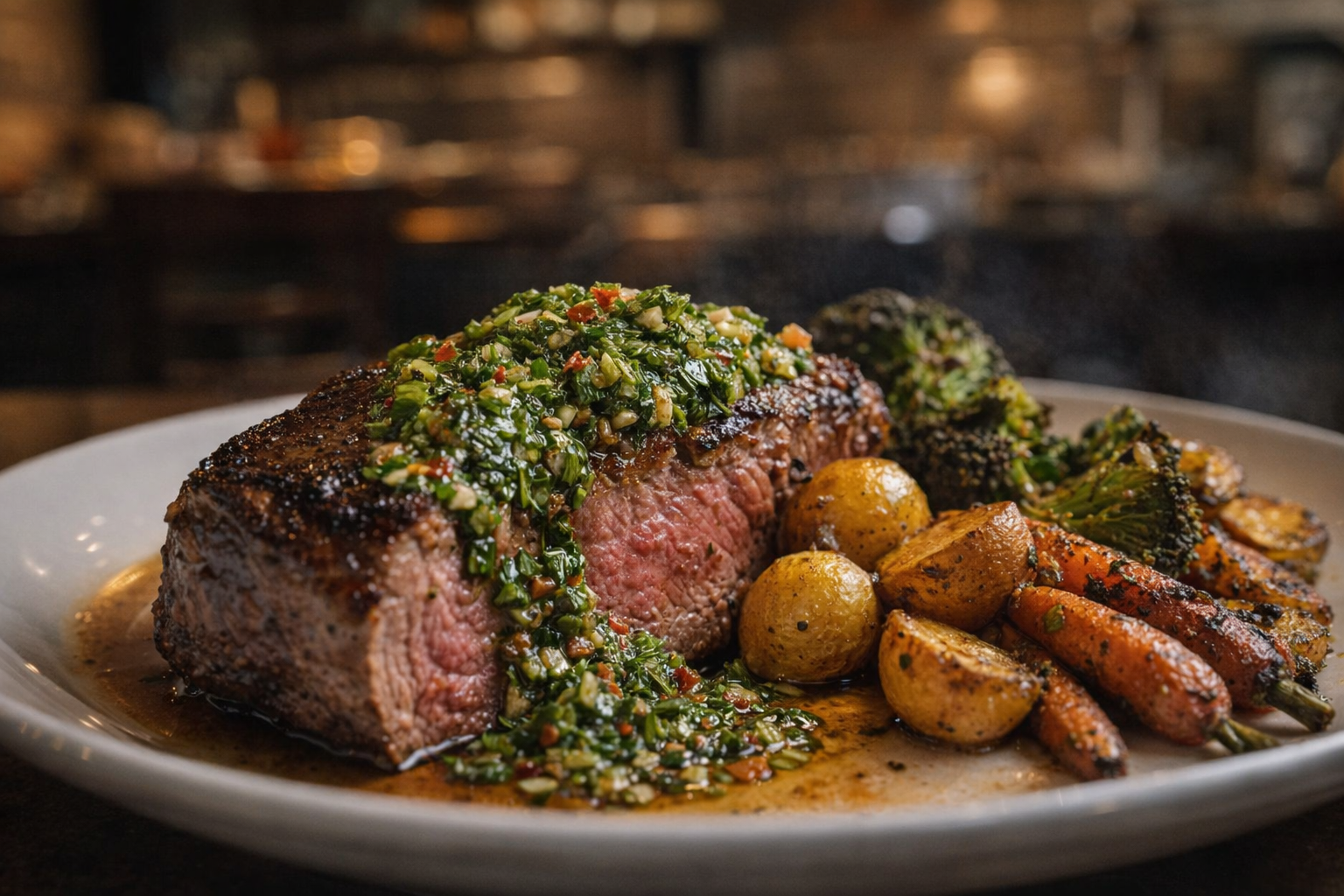
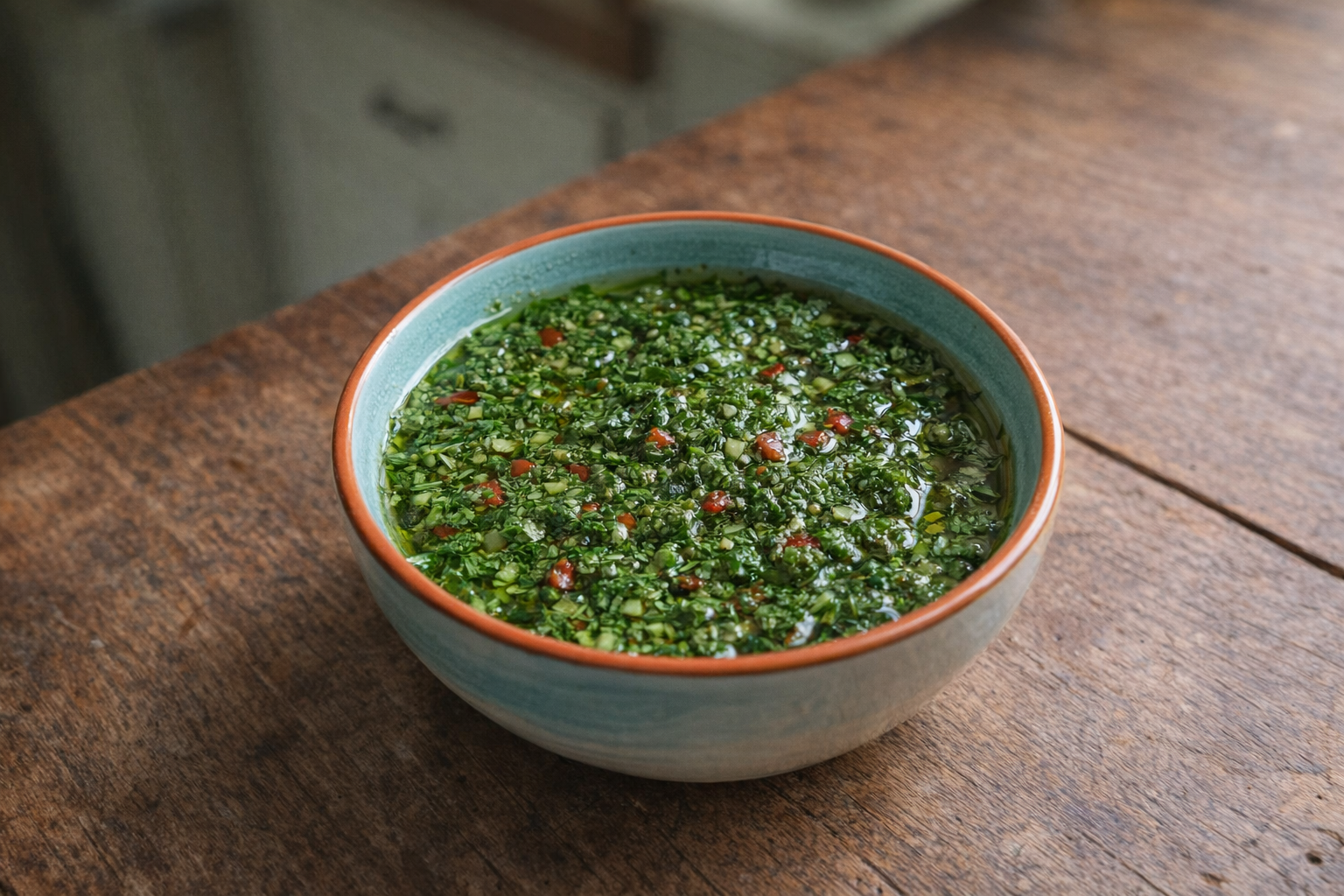
Chimichurri is a vibrant and herbaceous Argentinian sauce that adds a burst of freshness to grilled meats, roasted vegetables, and more. Its bold flavor profile comes from a harmonious blend of parsley, garlic, shallots, oregano, red pepper flakes, olive oil, and vinegar. This guide provides a detailed walkthrough on how to make chimichurri sauce both by hand and with a food processor, ensuring a perfectly balanced and flavorful result every time.
The key to great chimichurri lies in the quality of the ingredients and the balance of flavors. Fresh herbs are essential for that bright, green taste, while high-quality olive oil and vinegar create a luxurious base. Whether you choose to chop everything by hand for a rustic texture or use a food processor for speed and convenience, mastering this sauce will elevate your culinary creations.
Understanding Parsley
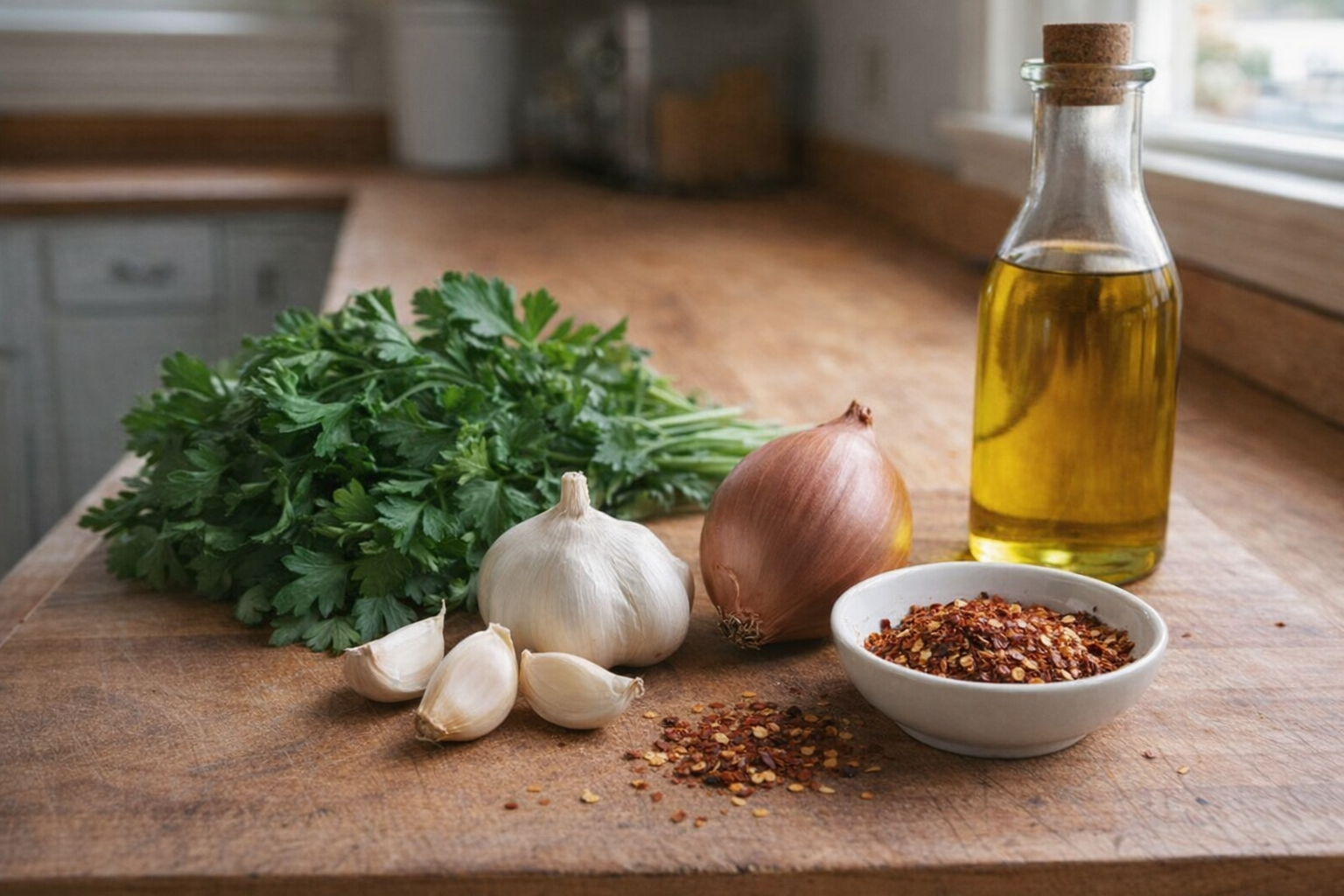
Parsley is the heart of chimichurri, but not all parsley is created equal. There are two main types: curly parsley and flat-leaf (Italian) parsley. For chimichurri, flat-leaf parsley is preferred for its more robust and peppery flavor. When buying parsley, look for bunches with vibrant green leaves that are firm and not wilted. Avoid any bunches with yellowing or browning leaves. Organic parsley is a great option to minimize pesticide exposure.
Why Cook Chimichurri This Way?
- Versatility: Chimichurri is incredibly versatile and can be used as a marinade, dipping sauce, or topping for a wide variety of dishes.
- Flavor: The fresh herbs and zesty garlic create a bright and complex flavor that complements many dishes.
- Convenience: Chimichurri is quick and easy to make, requiring only a few simple ingredients and minimal cooking time.
Preparation (Mise en Place)
Before starting, gather all your ingredients and tools. Wash the parsley thoroughly to remove any dirt or grit. Pat it dry with paper towels to prevent a watery sauce. Peel and roughly chop the garlic and shallot. Measure out the remaining ingredients for easy access.
Essential Tools
- Chef's Knife: A sharp knife is crucial for finely chopping the herbs if making chimichurri by hand.
- Cutting Board: Choose a stable cutting board for safe and efficient chopping.
- Food Processor (Optional): A food processor speeds up the chopping process, especially useful for larger batches.
- Mixing Bowls: Use different sized bowls for the chopped ingredients and for mixing the final sauce.
- Measuring Spoons: Precise measurements ensure a balanced flavor.
The Cooking Method(s)
This recipe offers two methods for making chimichurri sauce: using a food processor for speed and convenience, and chopping by hand for a more rustic texture.
Method 1: Chimichurri Sauce in a Food Processor
Ingredients:
- Fresh Parsley: 1 cup, packed (approximately 30g)
- Garlic Cloves: 3-4, minced (about 15g)
- Shallot: 1 small, roughly chopped (about 30g)
- Dried Oregano: 1 tablespoon (1.5g)
- Olive Oil: ½ cup (120ml)
- Red Wine Vinegar: 2 tablespoons (30ml)
- Red Pepper Flakes: 1 teaspoon (2g)
- Salt: 1 teaspoon (5g), adjust to taste
- Prepare the Ingredients: Wash the parsley thoroughly and pat it dry. Roughly chop the parsley into smaller pieces for easier processing. Peel and roughly chop the shallot and garlic.
- Process Garlic and Shallot: Place the garlic and shallot in the food processor. Pulse 5-6 times in short bursts until finely minced, scraping down the sides of the bowl with a spatula as needed. The aroma of garlic will be quite strong at this point.
- Combine Parsley and Oregano: Add the roughly chopped parsley and dried oregano to the processor with the minced garlic and shallot. Pulse another 5-7 times until the herbs are finely chopped, but not completely pureed. The mix should be bright green and aromatic.
- Add Dry Seasonings and Liquids: Add the salt, red pepper flakes, olive oil, and vinegar to the food processor. The olive oil will help to bind the ingredients together.
- Final Processing: Pulse the mixture 3-4 more times to combine all ingredients. The goal is to integrate everything without creating a completely smooth paste. The sauce should have some texture.
- Adjust the Seasonings: Taste the sauce and adjust the seasoning as needed. Add more salt for flavor, red pepper flakes for heat, or vinegar for acidity. Pulse once or twice more to incorporate any adjustments.
- Rest and Serve: Allow the sauce to sit for 10-15 minutes at room temperature to allow the flavors to meld. The sauce will deepen in color and flavor as it sits. Serve immediately with your favorite dishes.
Method 2: Chimichurri Sauce By Hand
Ingredients:
- Fresh Parsley: 1 cup, packed (approximately 30g)
- Garlic Cloves: 3-4, minced (about 15g)
- Shallot: 1 small, finely diced (about 30g)
- Dried Oregano: 1 tablespoon (1.5g)
- Olive Oil: ½ cup (120ml)
- Red Wine Vinegar: 2 tablespoons (30ml)
- Red Pepper Flakes: 1 teaspoon (2g)
- Salt: 1 teaspoon (5g), adjust to taste
- Wash and Dry Parsley: Rinse the parsley thoroughly under cold water. Gently shake off excess water and pat dry with paper towels.
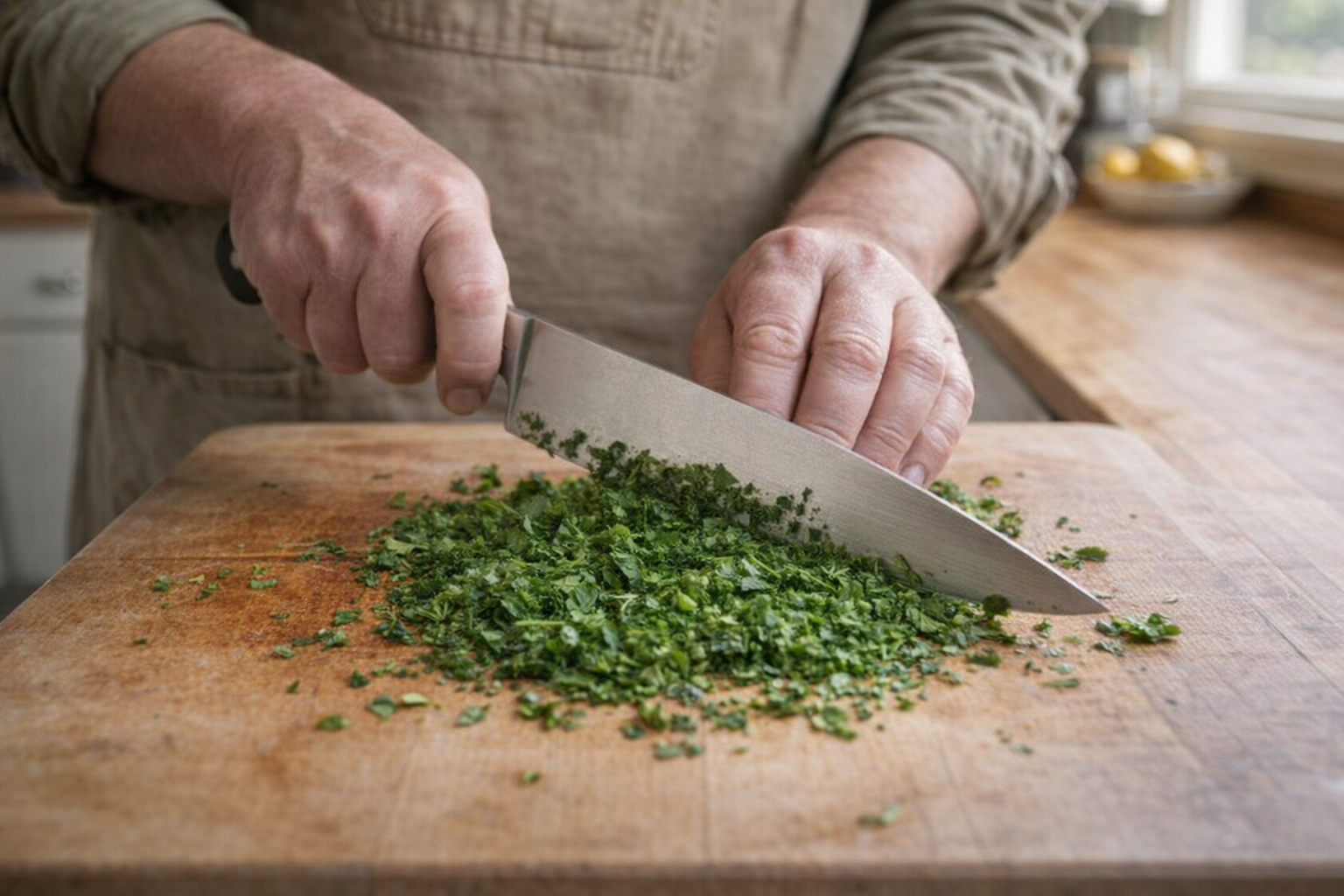
- Finely Chop Parsley: Lay the parsley on a cutting board and use a sharp knife to finely chop it. Aim for pieces about 1/8 inch in size.
- Mince Garlic: Peel the garlic cloves and crush them with the flat side of your knife. This releases the garlic's oils. Then, finely mince the garlic until it forms a paste. The pungent aroma will fill the air.
- Dice Shallot: Peel the shallot and cut it in half lengthwise. Dice each half into small, uniform pieces.
- Combine Ingredients: In a mixing bowl, combine the chopped parsley, minced garlic, diced shallot, dried oregano, red pepper flakes, and salt.
- Add Liquids: Pour in the olive oil and vinegar.
- Mix Thoroughly: Use a mixing spoon to combine all ingredients. Mix until well combined. The herbs will be coated in the oil and vinegar, creating a vibrant green mixture.
- Rest and Serve: Let the chimichurri sauce rest for at least 20-30 minutes at room temperature to allow the flavors to meld. This step is crucial for developing a balanced and flavorful chimichurri. Taste and adjust seasonings as needed.
Cooking Time & Doneness Guide
- Preparation Time: 15 minutes
- Resting Time: 10-30 minutes
Visual Cues
- The sauce should be a vibrant green color.
- The texture should be slightly chunky, not a smooth paste.
- The aroma should be fresh and herbaceous, with a hint of garlic and oregano.
Tips for Perfection
- Don't over-process: When using a food processor, avoid over-processing the herbs. This can result in a mushy or bitter sauce.
- Use fresh ingredients: The quality of the ingredients directly impacts the flavor of the chimichurri. Use fresh herbs and high-quality olive oil for the best results.
- Adjust the seasoning: Taste and adjust the seasoning as needed. Don't be afraid to add more salt, red pepper flakes, or vinegar to suit your preferences.
- Allow the sauce to rest: Resting the sauce allows the flavors to meld and develop, resulting in a more balanced and flavorful chimichurri.
Storage & Reheating
Store leftover chimichurri sauce in an airtight container in the refrigerator for up to one week. For longer storage, freeze the sauce in an ice cube tray and transfer the frozen cubes to a freezer bag. Frozen chimichurri can last for up to 3 months.
To reheat, simply thaw the frozen chimichurri in the refrigerator or at room temperature. The texture may change slightly after freezing, but the flavor will remain.
Serving Suggestions
- Grilled Meats: Serve chimichurri sauce with grilled steak, chicken, or pork for a burst of fresh flavor.
- Roasted Vegetables: Drizzle chimichurri over roasted vegetables such as potatoes, carrots, or broccoli.
- Toast: Spread chimichurri on toast for a flavorful and easy appetizer.
- Salads: Use chimichurri as a vibrant salad dressing.
💡 Pro Tips
- Use high-quality olive oil for the best flavor. Extra virgin olive oil adds richness and depth to the sauce.
- Don't be afraid to adjust the seasoning to your liking. Taste the sauce and add more salt, pepper, or vinegar as needed.
- For a milder flavor, remove the seeds from the red pepper flakes before adding them to the sauce.
- Allow the chimichurri to rest for at least 20 minutes before serving. This allows the flavors to meld and develop.
- If you prefer a smoother sauce, you can use an immersion blender to create a finer texture after chopping.
Frequently Asked Questions
While fresh parsley is highly recommended for its vibrant flavor and color, you can use dried parsley in a pinch. Use about 1 tablespoon of dried parsley for every 1 cup of fresh. Keep in mind that the flavor will be less intense and the texture will be different.
Chimichurri sauce will last in the refrigerator for up to 5 days. Store it in an airtight container to prevent oxidation and maintain its freshness. The olive oil may solidify in the refrigerator, so let it come to room temperature before serving.
Yes, you can substitute other types of vinegar. White wine vinegar, apple cider vinegar, or even lemon juice can be used as alternatives. The flavor will be slightly different, but the sauce will still be delicious. Adjust the amount to taste, as some vinegars are more acidic than others.
Over-processing can release bitter compounds from the herbs. To avoid this, pulse the ingredients in short bursts rather than running the food processor continuously. Also, don't pack the food processor too tightly. Working in smaller batches can help ensure even chopping and prevent over-processing.