 delishing
How to Cook Orzo on the Stove: A Culinary Guide

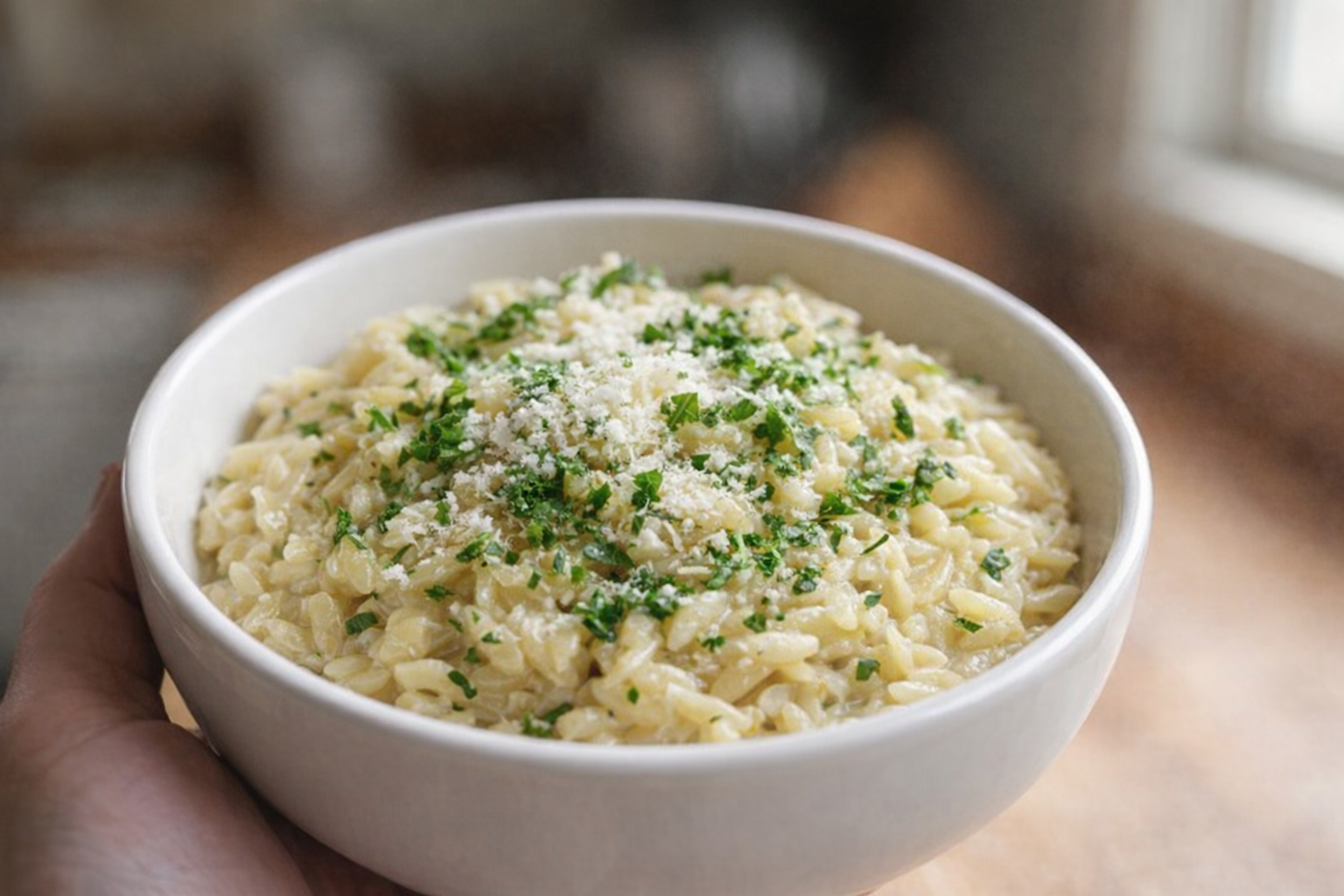
Orzo, also known as risoni, is a versatile pasta with a delightful flavor and texture. Resembling large grains of rice, orzo offers a pleasant chewiness and readily absorbs the flavors of the dishes it graces. Cooking orzo on the stove is a straightforward technique that allows you to control the pasta's texture, achieving that perfect al dente bite every time.
This method involves cooking the orzo in boiling water or broth until it's tender yet firm. It's a simple process, but understanding a few key principles ensures consistent and delicious results. Whether you're making a simple side dish, adding it to a soup, or creating a vibrant pasta salad, mastering the stove-top cooking method unlocks orzo's full potential.
Understanding Orzo
Orzo is typically made from semolina flour, which gives it a slightly nutty flavor and firm texture. However, you can also find whole wheat and gluten-free varieties.
- Semolina Orzo: The most common type, offering a classic pasta flavor and texture.
- Whole Wheat Orzo: A healthier option with a nuttier taste and more fiber.
- Gluten-Free Orzo: Made from alternative grains like rice or corn, suitable for those with dietary restrictions.
Why Cook Orzo This Way?
- Versatility: Boiled orzo can be used in countless dishes, from salads to soups to main courses.
- Flavor: This cooking method allows orzo to absorb the flavors of the cooking liquid, whether it's salted water, broth, or wine.
- Convenience: Stove-top cooking is quick and easy, making it ideal for weeknight meals.
Preparation (Mise en Place)
Before you start cooking, it’s important to have everything ready. This will make the cooking process smooth and efficient.
- Measure Orzo: Measure out the desired amount of orzo. A general guideline is 1/2 cup of dry orzo per person as a side dish, or 1 cup for a main course.
- Water/Broth: Have your cooking liquid ready. Water works perfectly well, but using broth will add extra flavor.
- Seasoning: Have salt and any desired herbs or spices readily available.
Essential Tools
- Large Pot: A pot with a heavy bottom ensures even heat distribution.
- Colander: For draining the cooked orzo.
- Measuring Cups/Spoons: For accurate measurements.
The Cooking Method(s)
Here are several methods for achieving perfectly cooked orzo.
Method 1: Classic Boiling
This method is ideal for producing orzo with a neutral flavor, perfect for pasta salads and side dishes.
Ingredients:
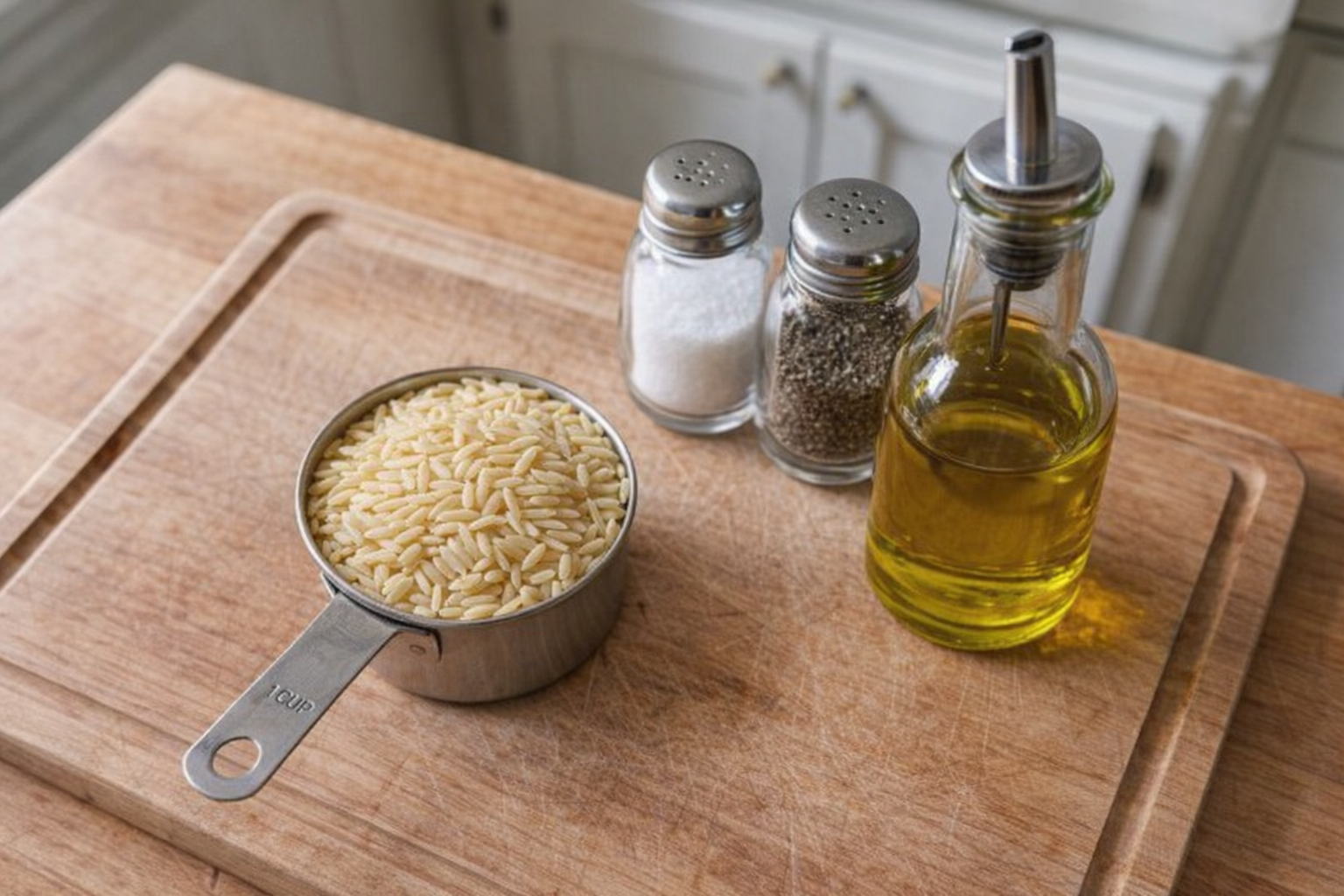
- 1 cup orzo (100g)
- 4 cups water (950ml)
- 1 teaspoon salt (5g)
- 1 tablespoon olive oil (optional) (15ml)
- Boil Water: In a large pot, bring 4 cups of water to a rolling boil over high heat. The sound of the water vigorously bubbling indicates it's ready.
- Add Salt: Add 1 teaspoon of salt to the boiling water. The salt enhances the flavor of the orzo.
- Add Orzo: Slowly pour in 1 cup of orzo, stirring gently to prevent sticking. Observe the orzo as it hits the water, momentarily disrupting the boil.
- Cook: Cook the orzo for 8-10 minutes, or until al dente, stirring occasionally. The aroma of cooking pasta will fill your kitchen.
- Drain: Drain the orzo in a colander. If using in a cold dish, rinse with cold water to stop the cooking process and prevent sticking.
- Toss (Optional): Toss the drained orzo with 1 tablespoon of olive oil to prevent sticking and add a subtle flavor.
Method 2: Simmering in Broth
This method infuses the orzo with the rich flavor of broth, making it ideal for creamy dishes and risotto-style preparations.
Ingredients:
- 1 cup orzo (100g)
- 2 cups broth (vegetable, chicken, or beef) (475ml)
- 1 tablespoon olive oil (15ml)
- 1 small onion, finely chopped (50g)
- 1 clove garlic, minced (3g)
- Salt and pepper to taste
- Sauté Aromatics: In a large skillet, heat 1 tablespoon of olive oil over medium heat. Add the chopped onion and garlic, and sauté until softened and fragrant, about 2-3 minutes. The aroma of sautéing garlic and onions is a classic indication of a flavorful dish to come.
- Toast Orzo: Stir in 1 cup of orzo, coating it with the oil. Cook for 1-2 minutes, allowing the orzo to toast slightly. The orzo will take on a slightly golden hue as it toasts.
- Add Broth: Pour in 2 cups of broth and stir to combine. The broth will quickly begin to simmer as it heats up.
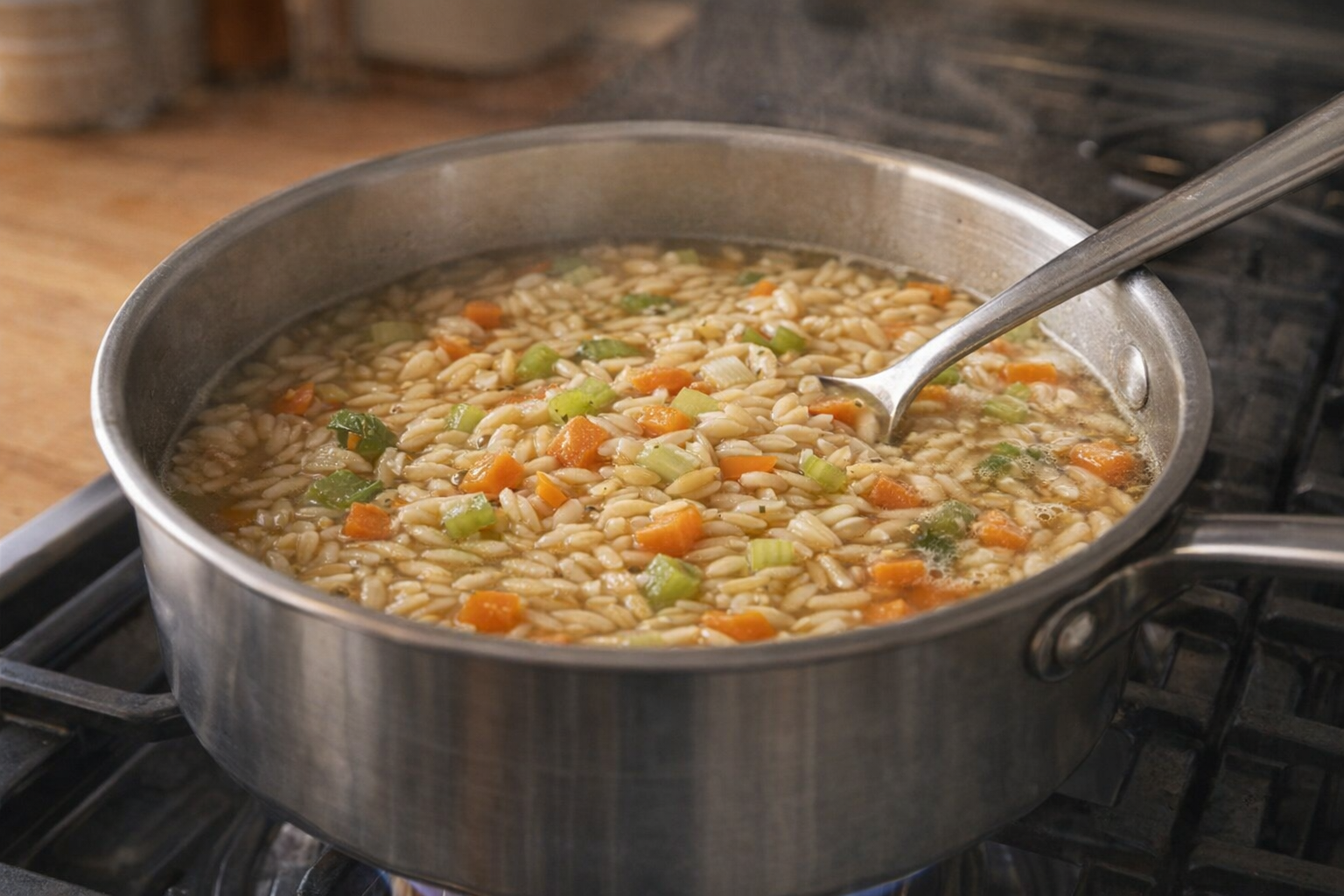
- Simmer: Bring the mixture to a gentle simmer, then reduce the heat to low, cover, and let the orzo cook, stirring occasionally, for about 10-15 minutes, or until the liquid is absorbed and the orzo is tender. The broth should be mostly absorbed, leaving a creamy sauce coating the orzo.
- Season: Season with salt and pepper to taste.
Cooking Time & Doneness Guide
- Boiling: 8-10 minutes for al dente.
- Simmering: 10-15 minutes for tender, creamy orzo.
Visual Cues
- The orzo should be plump and slightly translucent.
- When you bite into it, it should be firm but not crunchy.
- If simmering in broth, the liquid should be mostly absorbed, leaving a creamy sauce.
Tips for Perfection
- Don't Overcrowd the Pot: Use a large enough pot to allow the orzo to cook evenly.
- Stir Regularly: Stirring prevents the orzo from sticking together and ensures even cooking.
- Taste Test: Taste the orzo a minute or two before the recommended cooking time to ensure it's cooked to your liking.
- Adjust Liquid: If simmering in broth, add more liquid if the orzo absorbs it too quickly and starts to dry out.
Storage & Reheating
Store cooked orzo in an airtight container in the refrigerator for up to 3-4 days. To reheat, add a splash of water or broth and microwave or heat on the stovetop until warmed through.
Serving Suggestions
- Pasta Salad: Toss with vegetables, herbs, and a vinaigrette dressing.
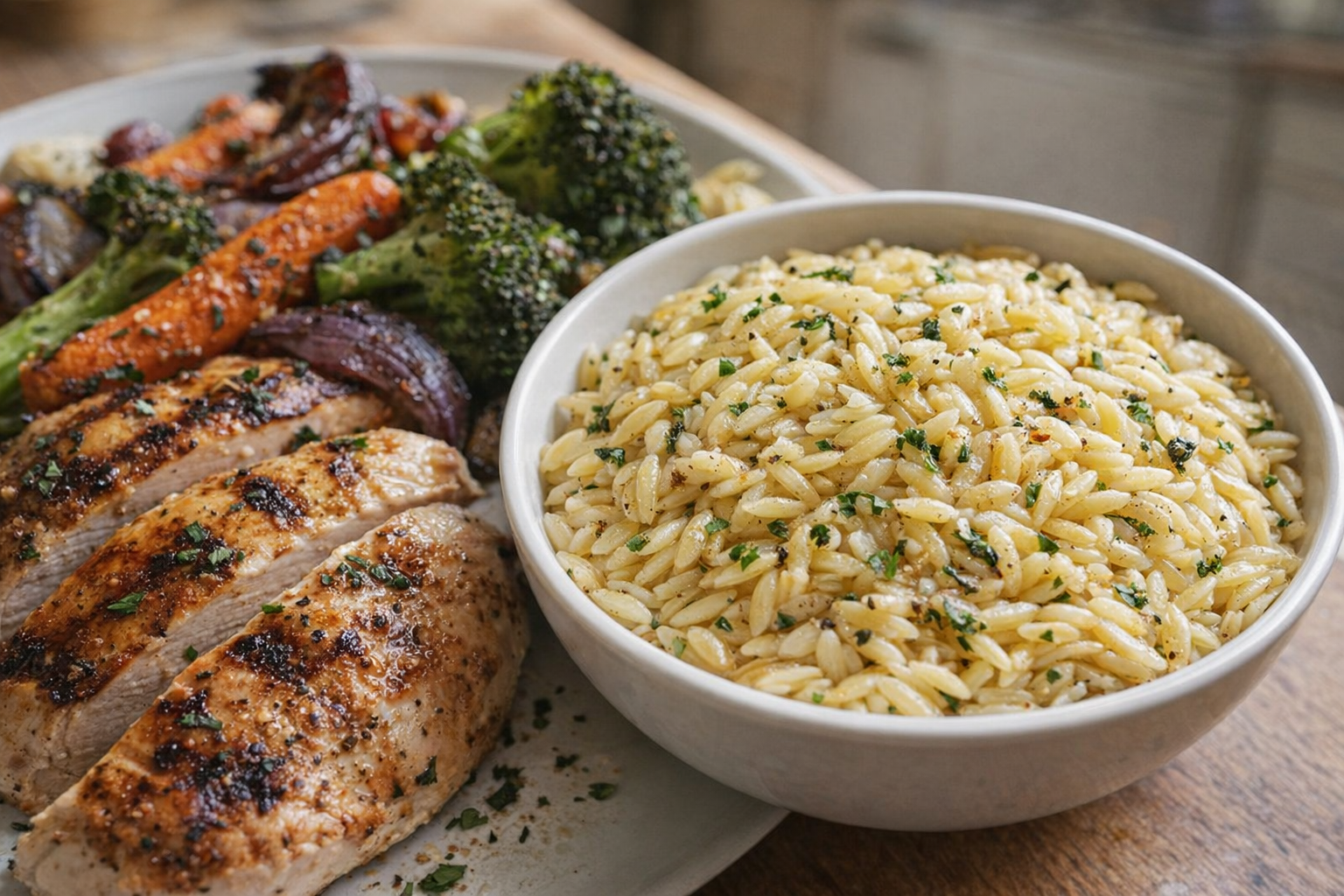
- Side Dish: Serve alongside grilled chicken, fish, or vegetables.
- Soup Addition: Add to soups and stews for a hearty and filling meal.
- Orzo Risotto: Sauté with vegetables and broth for a creamy, risotto-style dish.
💡 Pro Tips
- Toast the dry orzo in a skillet with a tablespoon of butter or olive oil until golden brown to add a rich, nutty depth to the dish.
- Use chicken or vegetable broth instead of plain water to infuse the pasta grains with savory flavor from the inside out.
- Begin checking the orzo for an al dente texture approximately two minutes before the package timer expires to prevent overcooking.
- Stir the pot frequently during the first few minutes of boiling to ensure the small grains do not clump together or stick to the bottom.
- Rinse the cooked orzo under cold water immediately after draining if you plan to use it in a cold pasta salad to stop the cooking process.
Frequently Asked Questions
Yes, you can absolutely use chicken bouillon! Dissolve the bouillon in the water according to the package directions before adding the orzo. This will infuse the orzo with a savory chicken flavor, similar to using broth.
To prevent sticking, rinse the cooked orzo thoroughly under cold water immediately after draining. You can also toss it with a little olive oil or butter to keep the grains separate and prevent them from clumping.
Cooked orzo can be stored in an airtight container in the refrigerator for up to 3-5 days. Ensure it cools completely before refrigerating to prevent bacterial growth and maintain its quality.
If you overcook the orzo, try rinsing it under cold water to stop the cooking process and remove excess starch. While it won't completely fix the texture, rinsing can help make it less mushy, and you can still use it in soups or sauces where a softer texture is acceptable.