 delishing
How to Cook Steak Nuggets on the Stove: A Crispy, Savory Guide

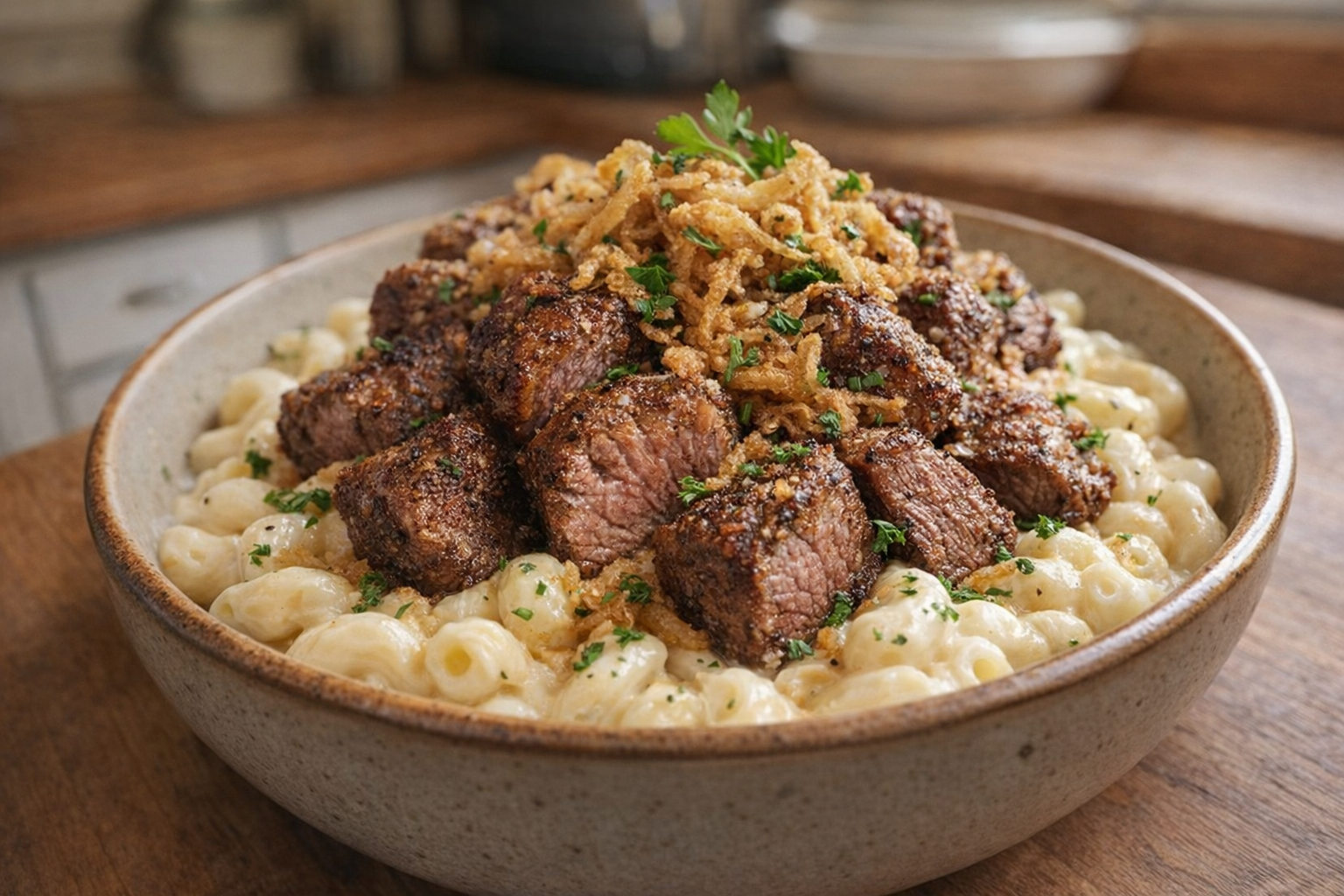
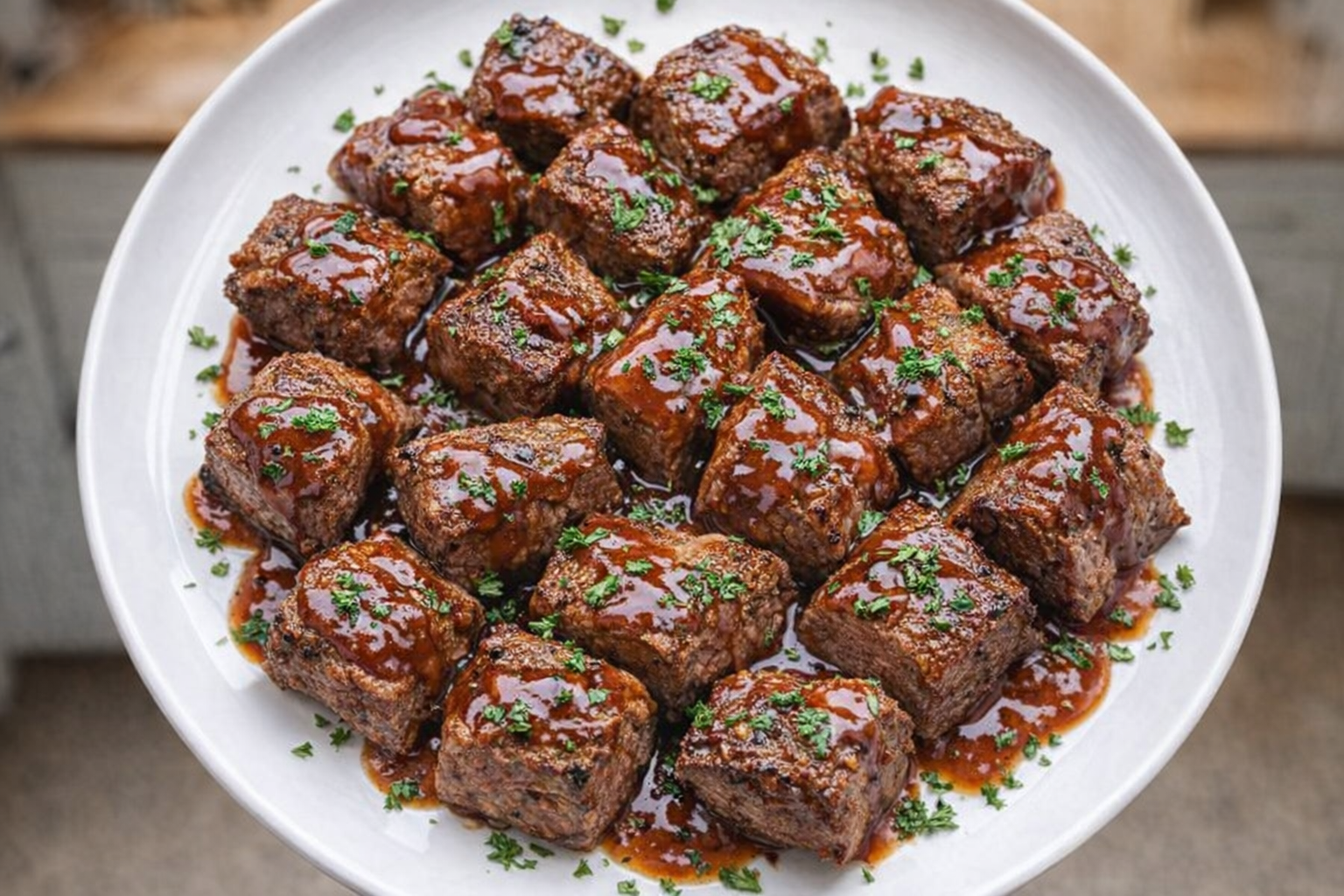
Steak nuggets offer a unique combination of textures and flavors. The searing method, detailed below, creates a satisfying crust on the outside while keeping the inside tender and juicy. Think of it as a cross between steak tips and a restaurant appetizer, perfect for a quick meal or a party snack. The marinade is key to both tenderizing the beef and imbuing it with a savory, slightly smoky flavor.
This method works because it utilizes the Maillard reaction—the chemical reaction between amino acids and reducing sugars that gives browned food its distinctive flavor. By searing the steak at a high temperature, we maximize this reaction, resulting in deep, complex flavors that complement the inherent richness of the beef. A short marinating time also helps tenderize the meat without making it mushy.
Understanding Beef Cuts
For steak nuggets, the key is to select a cut that is both flavorful and relatively tender. Top sirloin is a great choice because it offers a good balance of tenderness and beefy flavor. Flank steak also works well, but it requires a bit more trimming. Avoid tougher cuts like round steak, as they will not yield the desired tender texture even with marinating. Look for cuts with good marbling (flecks of fat within the muscle), as this contributes to juiciness and flavor. When purchasing, opt for steak that is bright red in color and has a fresh, clean smell.
Why Cook Steak Nuggets This Way?
- Versatility: Steak nuggets can be served as an appetizer, a main course, or even added to salads and bowls.
- Flavor: Searing creates a delicious crust and enhances the beefy flavor, complemented by a savory marinade.
- Convenience: This method is relatively quick and easy, making it perfect for weeknight meals.
Preparation (Mise en Place)
- Thawing: If using frozen steak, thaw it completely in the refrigerator overnight. Do not thaw at room temperature, as this can promote bacterial growth.
- Trimming: Use a sharp knife to trim away any excess fat, silver skin (a thin, silvery membrane), and sinew from the steak. These parts can be tough and detract from the overall texture.
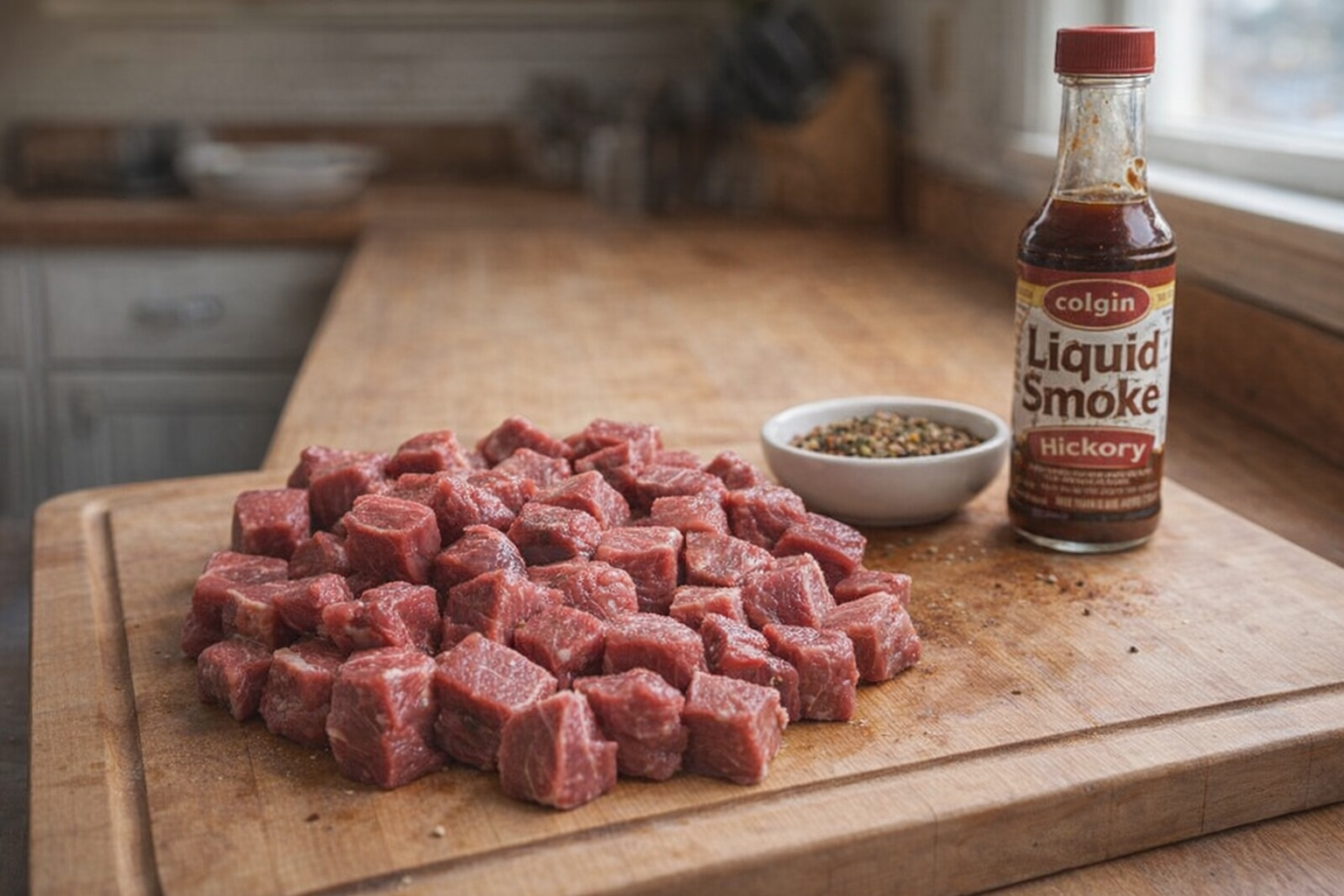
- Cutting: Cut the steak into bite-sized cubes, about 1.2–1.6 inches (3–4 cm) per side. Ensure the cubes are relatively uniform in size for even cooking.
- Drying: Pat the steak cubes thoroughly dry with paper towels. This is crucial for achieving a good sear. Excess moisture will steam the meat instead of allowing it to brown.
Essential Tools
- Cast Iron Skillet or Heavy-Bottomed Frying Pan: We use cast iron for its excellent heat retention and even heat distribution, which are essential for searing. A heavy-bottomed frying pan is a suitable alternative.
- Sharp Chef's Knife: A sharp knife is crucial for clean, even cuts, making the trimming and cubing process efficient and safe.
- Tongs: Tongs are essential for flipping the steak nuggets without piercing them, which would release juices and dry out the meat.
- Instant-Read Meat Thermometer: An instant-read thermometer is crucial for ensuring the steak nuggets are cooked to a safe and desired internal temperature.
The Cooking Method
Here's how to achieve perfectly seared steak nuggets with a flavorful crust.
Method: Stove-Top Searing
This method focuses on achieving a deep, flavorful sear on the outside of the steak nuggets while maintaining a tender interior.
Ingredients:
- Beef steak (top sirloin or flank, trimmed): 1 kg
- Fine salt: 1 ½ teaspoons
- Sugar: 1 teaspoon
- Baking soda: ½ teaspoon
- Garlic powder: 2 teaspoons
- Onion powder: 1 teaspoon
- Black pepper: ½ teaspoon
- Sweet paprika: ½ teaspoon
- Beef bouillon powder (optional): 1 teaspoon
- White vinegar: 1 tablespoon
- Cornstarch: 3 tablespoons
- Rice flour (or extra cornstarch): 1 tablespoon
- Cold water: 2–3 tablespoons
- Hickory liquid smoke (optional): 1 teaspoon
- Cooking oil (neutral, such as canola or grapeseed): 2 tablespoons
- Butter or beef tallow (optional): 1 teaspoon
- Prepare the Marinade: In a medium bowl, whisk together salt, sugar, baking soda, garlic powder, onion powder, black pepper, sweet paprika, and beef bouillon (if using). Add vinegar, cornstarch, rice flour, cold water (2-3 tablespoons, enough to make a thick slurry), and liquid smoke (if using). Stir until smooth and free of lumps. The aroma should be savory and slightly tangy.
- Marinate the Steak: Toss the steak cubes into the slurry, ensuring they are evenly coated. Cover the bowl and refrigerate for 30–45 minutes. The steak should absorb the marinade's aroma, becoming fragrant. Do not marinate for longer than 45 minutes, as the baking soda can over-tenderize the meat.
- Heat the Skillet: Place a cast iron skillet or heavy-bottomed frying pan over medium-high heat. Allow the pan to heat up until it is hot and shimmering, but not smoking. This usually takes 3-5 minutes.
- Add Oil: Add cooking oil to the hot skillet, swirling to coat the bottom evenly. The oil should shimmer and flow easily.
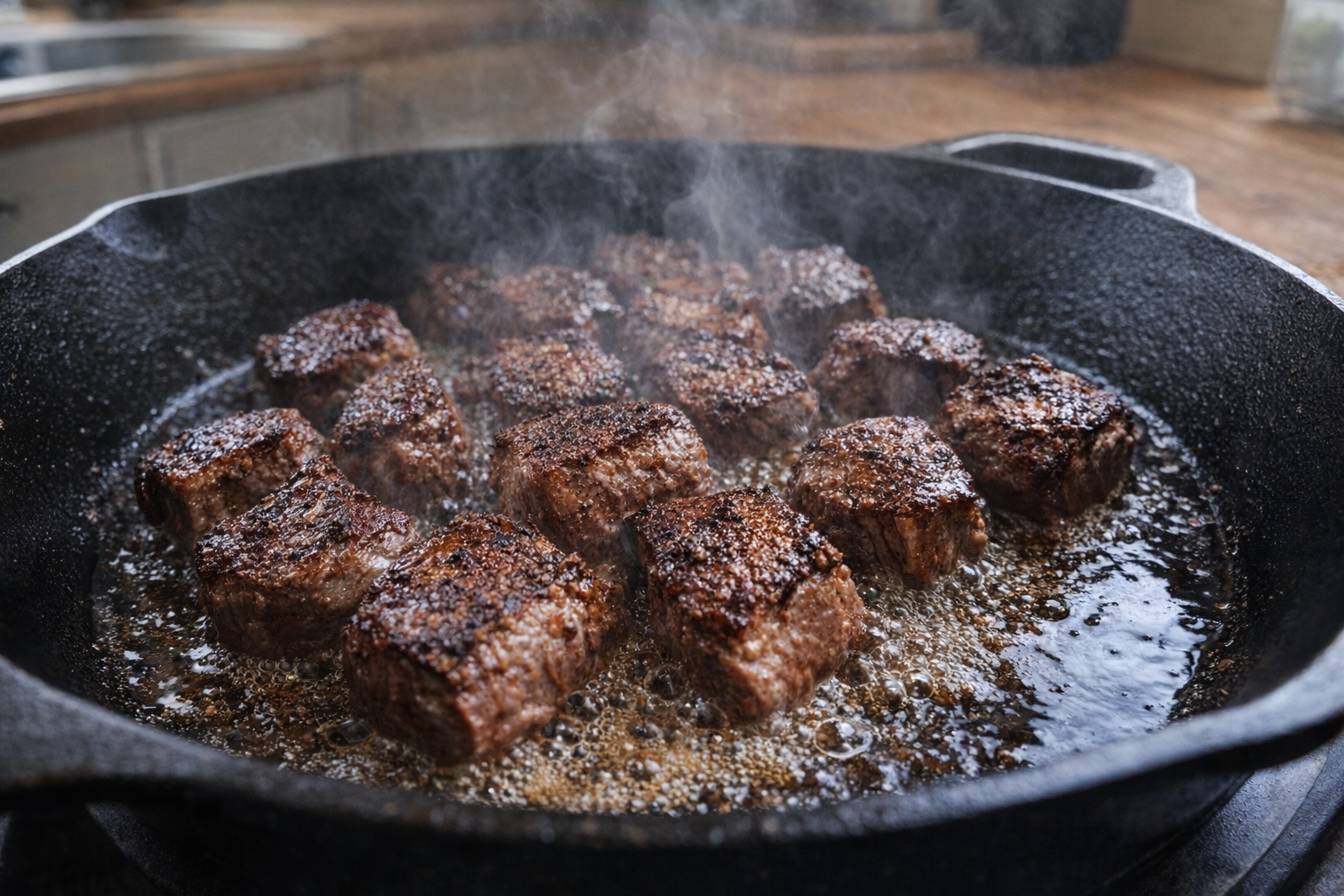
- Sear the Nuggets: Shake off any excess marinade from each steak nugget to prevent steaming instead of searing. Carefully place the nuggets in the hot skillet in a single layer, ensuring they are not overcrowded. Sear for 1–2 minutes per side, until a deep brown crust forms. You should hear a distinct sizzling sound as the steak hits the hot pan. The aroma of the searing beef will fill your kitchen.
- Check Internal Temperature: Using an instant-read meat thermometer, check the internal temperature of a few nuggets. For medium doneness, aim for 135–145°F (57–63°C).
- Finish with Butter (Optional): In the last 30 seconds of cooking, you can add a teaspoon of butter or beef tallow to the pan. As it melts, baste the steak nuggets with the flavorful fat for added richness and a glossy finish.
- Rest and Serve: Remove the steak nuggets from the skillet and transfer them to a clean plate. Let them rest for 1–2 minutes before serving. This allows the juices to redistribute, resulting in a more tender and flavorful bite. You may optionally sprinkle the nuggets with a pinch of salt while they are still warm.
Cooking Time & Doneness Guide
- Cooking Time: Approximately 4-6 minutes total, depending on the size of the nuggets and the heat of your skillet.
- Medium Rare: 130-135°F (54-57°C)
- Medium: 135-145°F (57-63°C)
- Medium Well: 145-155°F (63-68°C)
Visual Cues
The steak nuggets are done when they have a deep brown crust on all sides and the internal temperature reaches the desired level. Press gently on a nugget; it should feel firm but slightly yielding.
Tips for Perfection
- Avoid Overcrowding the Pan: Overcrowding will lower the pan temperature and cause the steak to steam instead of sear. Cook in batches if necessary.
- Don't Over-Marinate: Marinating for too long can make the steak mushy due to the baking soda. Stick to the recommended 30-45 minutes.
- Use High Heat: A hot pan is essential for achieving a good sear. Make sure the pan is properly heated before adding the oil and steak.
- Pat Dry Thoroughly: Drying the steak nuggets before searing is crucial for browning. Excess moisture will inhibit the Maillard reaction.
Storage & Reheating
- Storage: Leftover steak nuggets can be stored in an airtight container in the refrigerator for up to 3-4 days.
- Reheating: The best way to reheat steak nuggets without ruining the texture is to reheat them in a skillet over medium heat. Add a little oil or butter to prevent sticking. Alternatively, you can reheat them in a preheated oven at 350°F (175°C) for about 5-10 minutes. Avoid microwaving, as this can make the steak tough and rubbery.
Serving Suggestions
- Dipping Sauce: Serve with your favorite dipping sauces, such as barbecue sauce, garlic aioli, or chipotle mayo.
- Steak Nugget Sandwich: Build a sandwich with a soft bun, Havarti cheese, crispy onions, pickles, and mayo.
- Steak Nugget Bowl: Create a bowl with a bed of white cheddar macaroni and cheese, topped with steak nuggets and crispy onions.
- Wraps: Combine steak nuggets with fresh greens, spicy mayo, and pickled veggies in a wrap.
💡 Pro Tips
- Use a heavy cast-iron skillet preheated to high heat to ensure a perfect, crispy sear through the Maillard reaction.
- Cook the steak nuggets in small batches to prevent the pan temperature from dropping and causing the meat to steam.
- Always pat the marinated meat dry with paper towels before searing to remove excess moisture and achieve a better crust.
- Cut your steak into uniform one-inch cubes to ensure even cooking and consistent texture across every piece.
- Allow the nuggets to rest for at least three minutes after removing them from the heat so the juices can redistribute inside the meat.
Frequently Asked Questions
Absolutely! While the recipe suggests a savory, smoky marinade, feel free to experiment with other flavors. Teriyaki, honey-garlic, or even a simple balsamic marinade would work well, just ensure it complements the beef flavor and doesn't have excessive sugar that could burn during searing.
While a cast iron skillet is ideal, you can still make delicious steak nuggets with a heavy-bottomed stainless steel or non-stick frying pan. The key is to ensure the pan is preheated adequately before adding the steak to achieve a good sear. Avoid overcrowding the pan, which can lower the temperature and result in steaming instead of searing.
Store leftover steak nuggets in an airtight container in the refrigerator for up to 3-4 days. To reheat, you can pan-fry them briefly to restore some of the crispness or microwave them, although microwaving may make them slightly less crispy.
The best way to ensure your steak nuggets are cooked to your desired doneness is to use a meat thermometer. For medium-rare, aim for an internal temperature of 130-135°F (54-57°C). Remember to remove the steak from the pan a few degrees before reaching your target temperature, as it will continue to cook slightly as it rests.