 delishing
How to Make Classic Korean Bulgogi (Grilled Beef) on a Stovetop

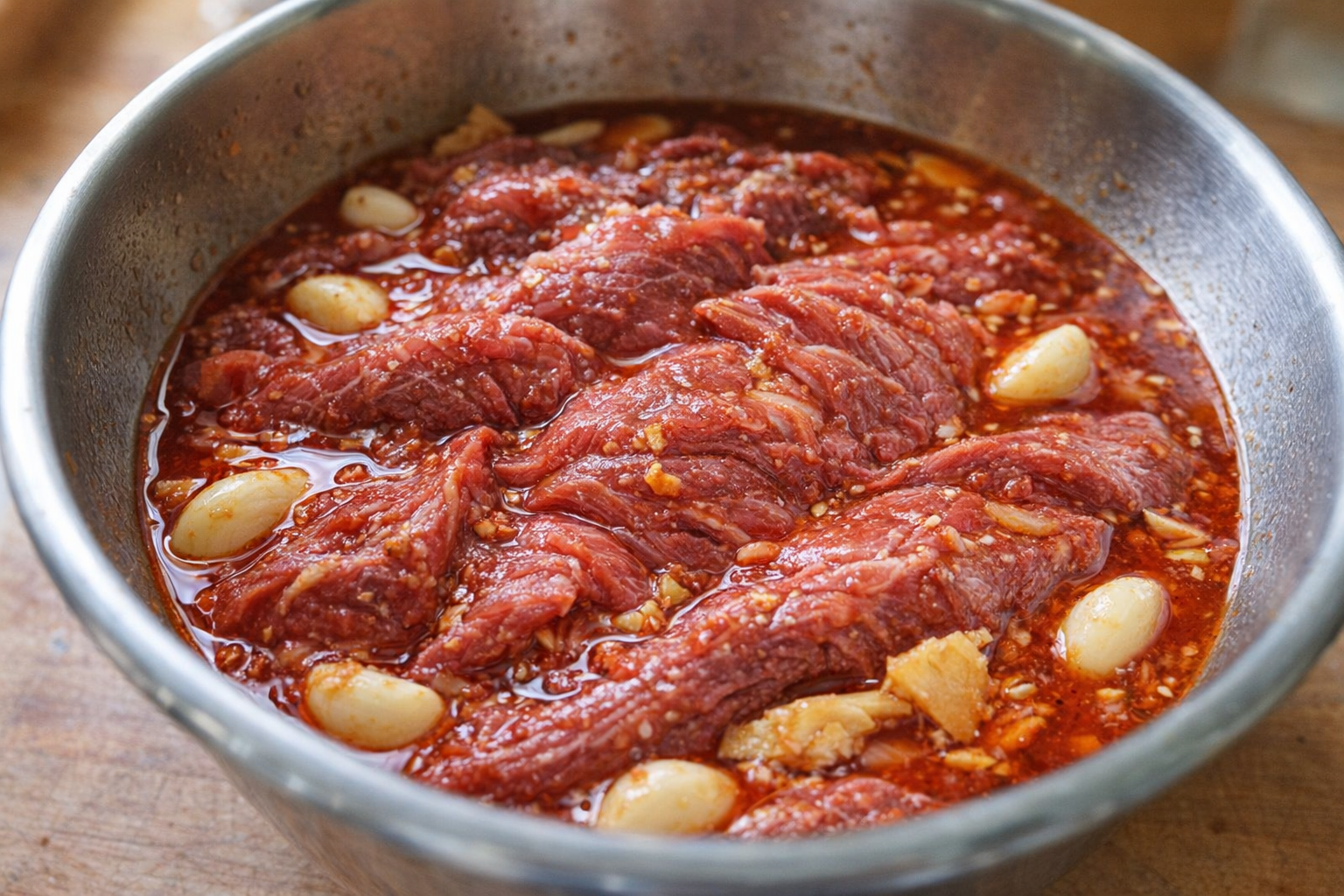
Bulgogi, meaning "fire meat," delivers a symphony of sweet, savory, and smoky flavors. The hallmark of this dish lies in its incredibly tender, thinly sliced beef marinated in a blend of soy sauce, sesame oil, garlic, and a touch of sweetness. This method allows you to recreate the traditional grilled flavors of bulgogi right in your kitchen, making it an accessible and satisfying meal any night of the week.
Cooking bulgogi on the stovetop provides a quicker and more convenient alternative to outdoor grilling. While a slight char from an open flame is ideal, a hot skillet or grill pan will deliver a similar caramelized crust with tender, juicy results.
Understanding Beef Cuts for Bulgogi
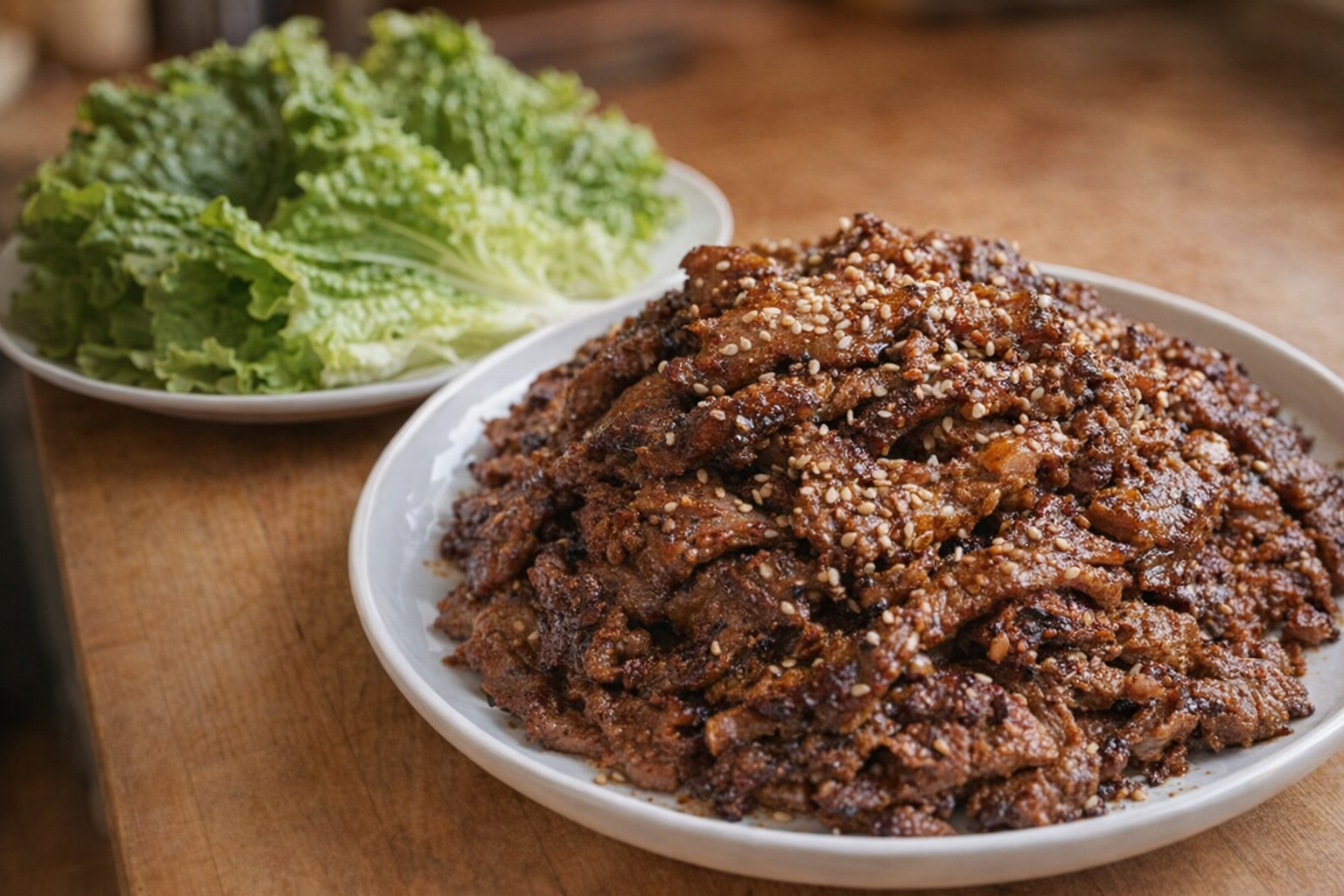
The key to exceptional bulgogi is selecting the right cut of beef. Traditionally, thinly sliced ribeye or sirloin are favored for their tenderness and marbling. However, flank steak can also be used for a leaner option. Ask your butcher to slice the beef thinly (about 1/8 inch thick) against the grain, or partially freeze the beef for easier slicing at home. Proper slicing is crucial for quick cooking and maximum flavor absorption. Look for cuts with good marbling, which will render during cooking and enhance the overall tenderness and flavor.
Why Cook Bulgogi This Way?
- Versatility: Bulgogi is incredibly versatile. Enjoy it as a main course with rice, wrapped in lettuce with ssamjang (Korean fermented soybean paste), or as a filling for tacos and sandwiches.
- Flavor: The marinade creates a complex flavor profile – savory from soy sauce, sweet from sugar, nutty from sesame oil, and pungent from garlic and ginger.
- Convenience: Stovetop cooking is a fast and easy way to enjoy bulgogi any time of year, regardless of weather conditions.
Preparation (Mise en Place)
- Thawing: If using frozen beef, thaw it completely in the refrigerator overnight.
- Slicing: If the beef is not pre-sliced, partially freeze it for about 30 minutes. This will firm up the meat and make it easier to slice thinly against the grain. Aim for slices about 1/8 inch thick.
- Marinade: Prepare the marinade (recipe below).
- Marinating: Place the sliced beef in a bowl or resealable bag and pour the marinade over it. Gently massage the marinade into the beef, ensuring all slices are coated. Marinate for at least 30 minutes, or up to 2 hours in the refrigerator.
- Vegetables: Prepare your desired garnishes and sides. Common additions include sliced green onions, sesame seeds, and lettuce leaves.
Essential Tools
- Large Mixing Bowl: For marinating the beef.
- Cast Iron Skillet or Non-Stick Pan: A cast iron skillet will provide excellent heat retention and searing, while a non-stick pan will prevent the beef from sticking. We prefer cast iron for the slightly charred edges.
- Tongs: For easy maneuvering of the beef in the pan.
The Cooking Method
Here we will cover cooking bulgogi in a skillet.
Stovetop Skillet Bulgogi
Ingredients:
- 1 pound (450g) thinly sliced beef (ribeye, sirloin, or flank steak)
- 1/4 cup (60ml) soy sauce
- 2 tablespoons brown sugar
- 2 tablespoons sesame oil
- 2 tablespoons minced garlic
- 1 tablespoon grated ginger
- 1 tablespoon rice wine vinegar
- 1 teaspoon ground black pepper
- 1/4 cup (30g) chopped green onions, for garnish
- 1 tablespoon sesame seeds, for garnish
- Vegetable oil, for cooking
- In a large bowl, combine soy sauce, brown sugar, sesame oil, minced garlic, grated ginger, rice wine vinegar, and black pepper. Whisk until the sugar is dissolved.
- Add the thinly sliced beef to the marinade and toss to coat evenly. Marinate for at least 30 minutes, or up to 2 hours in the refrigerator.
- Heat a cast iron skillet or non-stick pan over medium-high heat. Add a tablespoon of vegetable oil to the pan. The oil should shimmer and slightly smoke but not burn.
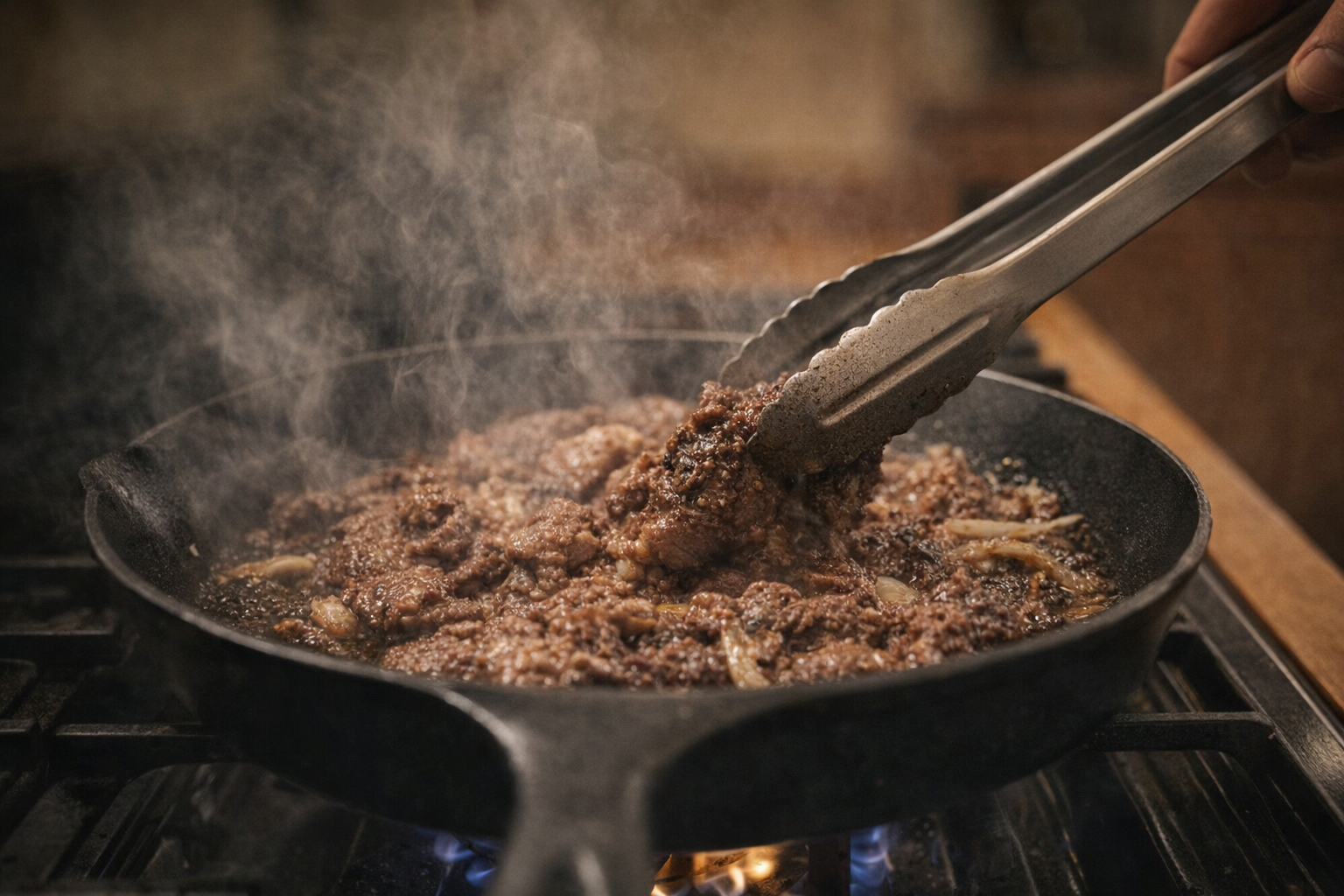
- Working in batches, add the marinated beef to the hot pan in a single layer, being careful not to overcrowd. Overcrowding will lower the pan's temperature and cause the beef to steam instead of sear. Listen for the sizzle as the beef hits the hot pan.
- Cook the beef for 2-3 minutes per side, or until browned and cooked through. Watch carefully, as the sugar in the marinade can cause it to burn quickly. The aroma of caramelized sugar and savory beef should fill your kitchen.
- Remove the cooked beef from the pan and set aside. Repeat with the remaining beef.
- Garnish with chopped green onions and sesame seeds. Serve immediately.
Cooking Time & Doneness Guide
- Cooking Time: 2-3 minutes per side, depending on the thickness of the beef slices.
- Internal Temperature: While not typically measured for such thin slices, ensure the beef is cooked through and no longer pink.
Visual Cues
The beef should be browned and slightly caramelized on the edges. The marinade will thicken and create a glossy coating. Press lightly on the beef; it should feel firm but not hard.
Tips for Perfection
- Don't Overcrowd the Pan: Cook the beef in batches to ensure proper searing and prevent steaming.
- Control the Heat: Adjust the heat as needed to prevent the marinade from burning. If the pan becomes too hot, reduce the heat to medium.
- Use High-Quality Beef: The quality of the beef will directly impact the flavor and tenderness of the final dish.
Storage & Reheating
- Storage: Store leftover bulgogi in an airtight container in the refrigerator for up to 3 days.
- Reheating: Reheat bulgogi in a skillet over medium heat until warmed through. You can also microwave it, but be careful not to overcook it, as it can become dry. Adding a splash of water or beef broth during reheating can help retain moisture.
Serving Suggestions
- Lettuce Wraps: Serve bulgogi with lettuce leaves, ssamjang (Korean fermented soybean paste), kimchi, and other Korean side dishes (banchan) for a traditional experience.
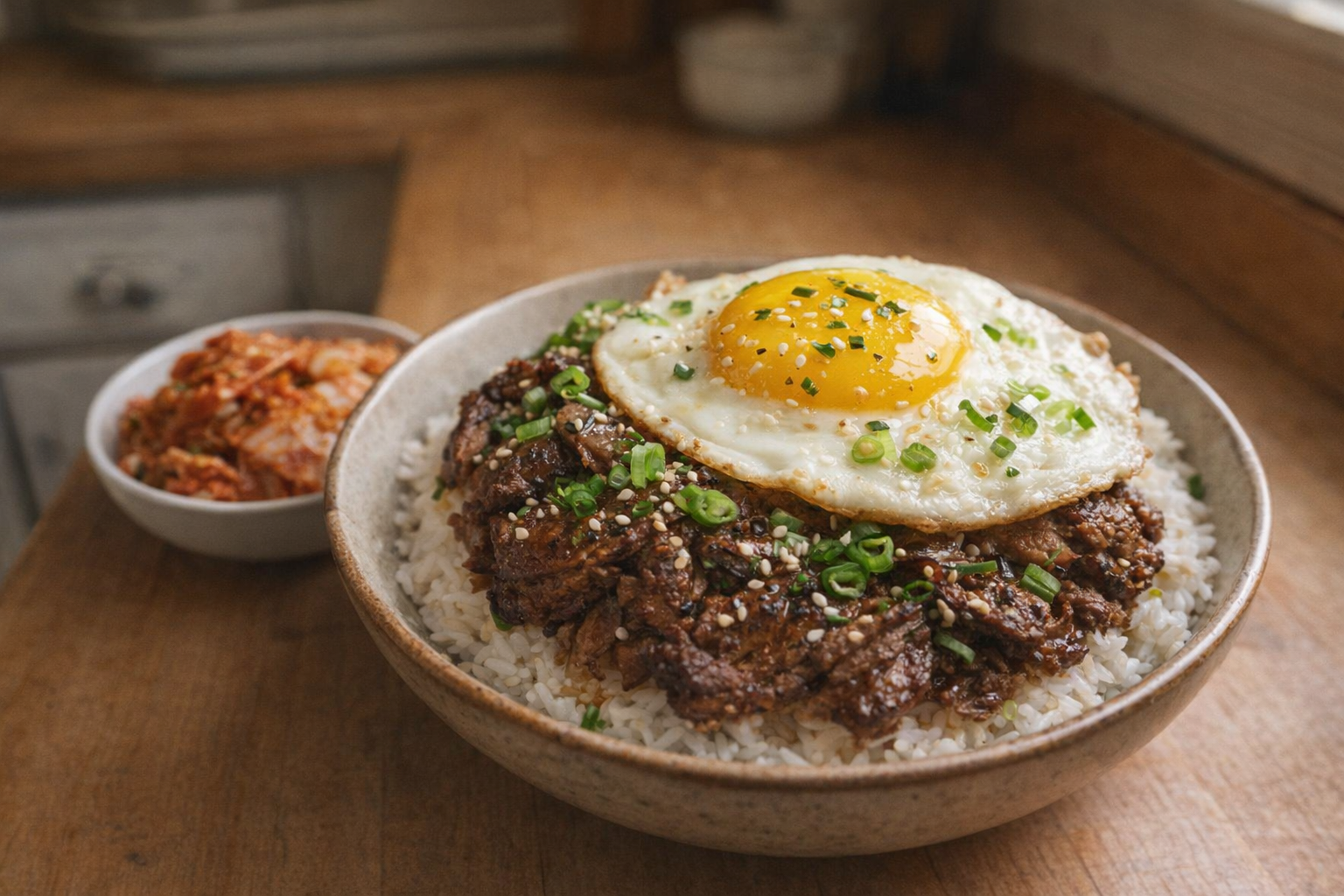
- Rice Bowls: Serve bulgogi over steamed rice with a fried egg and a drizzle of sesame oil.
- Tacos: Use bulgogi as a filling for tacos with kimchi slaw and a drizzle of gochujang mayo (mayonnaise mixed with Korean chili paste).
💡 Pro Tips
- Place the beef in the freezer for about 45 minutes before slicing to make it firm enough to cut into consistent, paper-thin strips.
- Incorporate grated Asian pear or a small amount of kiwi into your marinade to help break down tough fibers for a melt-in-your-mouth texture.
- Use a heavy cast-iron skillet over high heat to mimic the char of a grill and prevent the meat from stewing in its own liquid.
- Cook the marinated beef in small batches to ensure the pan stays hot enough to achieve quick caramelization on every piece.
- Avoid overcooking by removing the beef from the heat as soon as it loses its pink color and develops slightly charred edges.
Frequently Asked Questions
Yes, you can substitute the sugar with other sweeteners like honey, maple syrup, or even a sugar substitute like erythritol. Start with a smaller amount and adjust to your desired level of sweetness, as these sweeteners have different intensities compared to granulated sugar.
While a longer marinating time is ideal for maximum flavor absorption, even a shorter marinade time of 15-20 minutes will still impart some flavor to the beef. Just be sure to massage the marinade into the beef thoroughly to help it penetrate more quickly.
Store leftover cooked bulgogi in an airtight container in the refrigerator. It's best consumed within 3-4 days. Reheat gently in a skillet or microwave until heated through, being careful not to overcook it and dry it out.
While traditionally bulgogi is made with thinly sliced beef, you can use ground beef as a substitute if needed. Cook the ground beef in the skillet, then add the marinade and simmer until the sauce has thickened. Keep in mind the texture and taste will be different from classic bulgogi.