 delishing
How to Bake Gluten-Free Cookies at Home

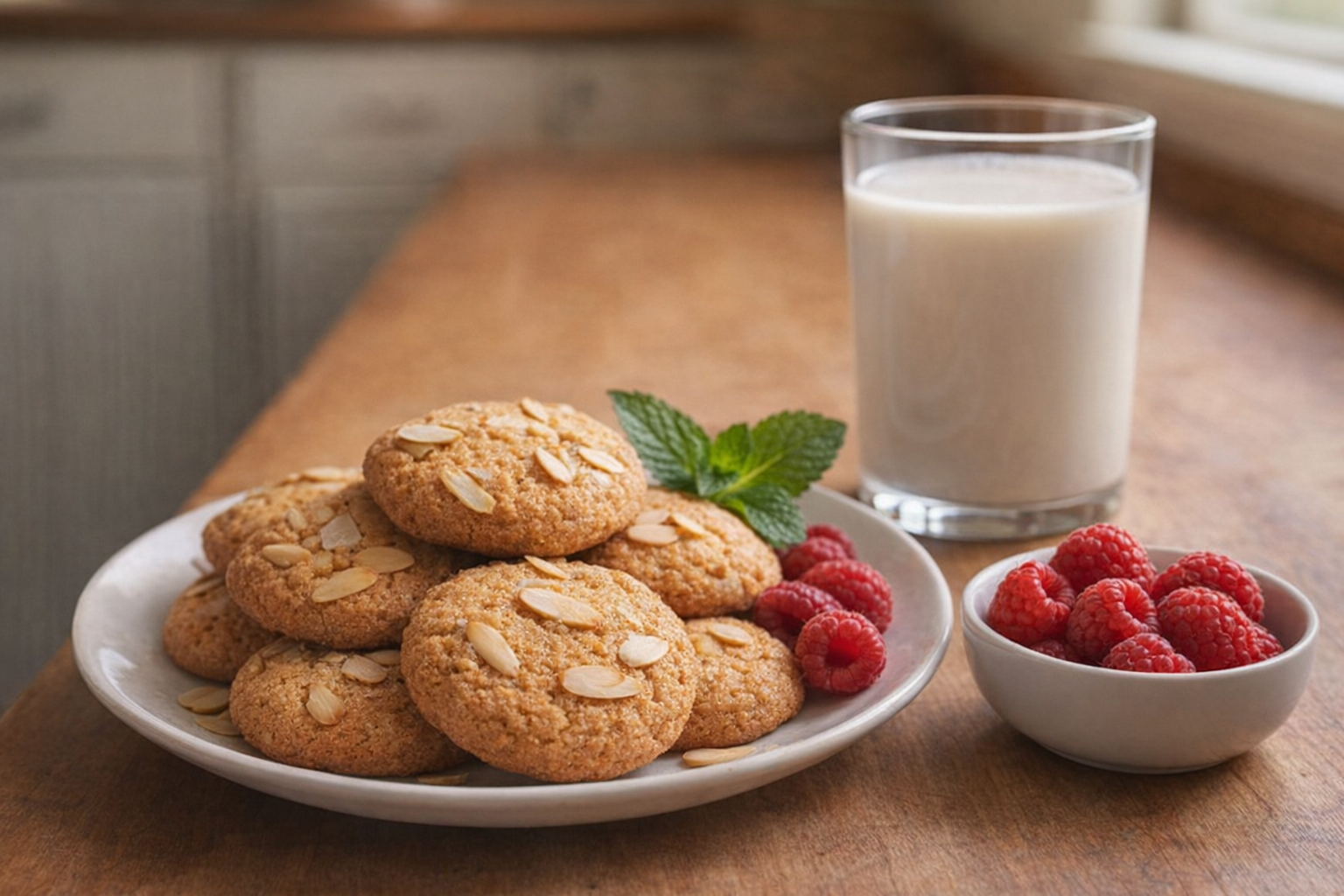
The world of gluten-free baking can seem daunting, but it doesn't have to be. These cookies are designed to deliver a satisfyingly sweet treat without any wheat flour. We're focusing on almond flour for its rich, nutty flavor and its ability to create a tender, almost melt-in-your-mouth texture. These aren't your typical crumbly gluten-free cookies; they are chewy, flavorful, and surprisingly easy to make.
Baking with almond flour provides a unique flavor profile that complements both chocolate and vanilla-based cookies beautifully. The key is to understand how almond flour behaves differently than wheat flour, and we'll guide you through every step to achieve perfectly baked gluten-free cookies. Let's dive in and unlock the secrets to baking delicious and worry-free treats!
Understanding Almond Flour
Not all almond flour is created equal. You'll find two main types: almond meal and blanched almond flour. Almond meal is made from grinding almonds with their skins on, resulting in a coarser texture and speckled appearance. Blanched almond flour is made from almonds that have had their skins removed, giving it a finer texture and lighter color. For these cookies, we strongly recommend using blanched almond flour. It will give you the best texture and a cleaner flavor. Look for finely ground blanched almond flour in the baking aisle of your grocery store. Avoid brands that are clumpy or have a bitter smell. Freshness is key!
Why Cook Cookies This Way?
- Versatility: Almond flour cookies can be adapted to countless flavors, from classic chocolate chip to sophisticated almond biscotti.
- Flavor: The subtle nuttiness of almond flour adds a depth of flavor that complements many ingredients.
- Convenience: These cookies are relatively quick to make and require minimal specialized equipment.
Preparation (Mise en Place)
Before you begin, ensure all your ingredients are at room temperature. This helps them emulsify properly, creating a smooth and even cookie dough. Soften your butter, but don't melt it! Measure out all your ingredients accurately. Baking is a science, and precise measurements are crucial for success, especially with gluten-free baking.
Essential Tools
- Stand Mixer or Hand Mixer: For creaming butter and sugar. A stand mixer makes the process easier, but a hand mixer works just fine.
- Baking Sheets: Line with parchment paper for easy release and cleanup. Parchment paper also helps prevent the cookies from spreading too much.
- Measuring Cups and Spoons: Accurate measurements are critical.
- Cookie Scoop (Optional): For consistent cookie sizes.
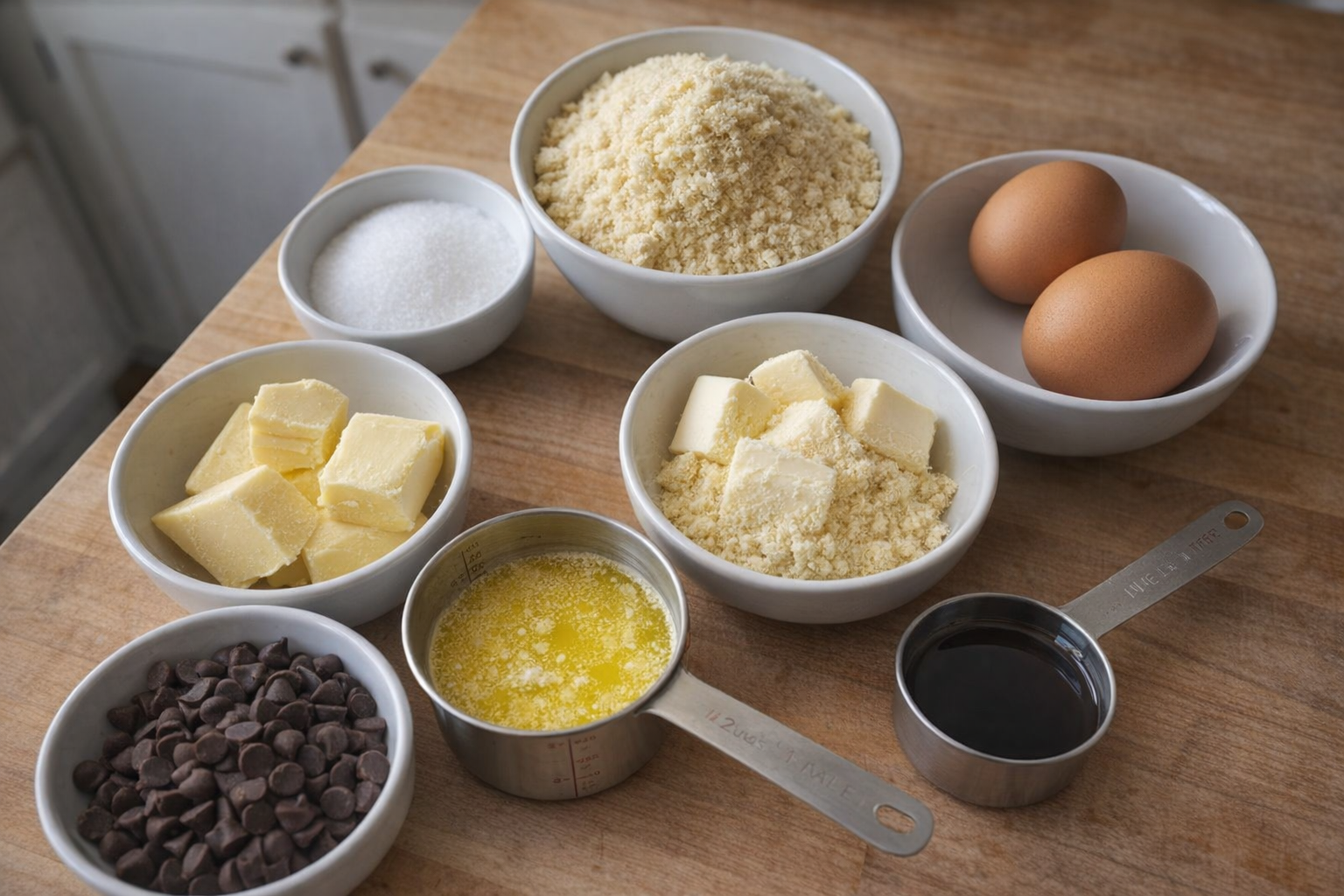
The Cooking Method: Classic Almond Flour Cookies
Method 1: Classic Drop Cookies
Ingredients:
- 1 cup (226g) unsalted butter, softened
- ¾ cup (150g) granulated sugar
- ¼ cup (50g) packed light brown sugar
- 2 large eggs, room temperature
- 1 teaspoon vanilla extract
- 2 ¼ cups (255g) blanched almond flour
- 1 teaspoon baking soda
- ½ teaspoon salt
- 1 cup (170g) chocolate chips (or other desired mix-ins)
- Preheat: Preheat your oven to 375°F (190°C) and line a baking sheet with parchment paper.
- Cream: In a large bowl, cream together the softened butter, granulated sugar, and brown sugar until light and fluffy. This should take about 3-5 minutes. You’ll hear the mixer working, and the mixture will become noticeably lighter in color.
- Incorporate: Beat in the eggs one at a time, then stir in the vanilla extract. Ensure each egg is fully incorporated before adding the next.
- Dry Ingredients: In a separate bowl, whisk together the almond flour, baking soda, and salt.
- Combine: Gradually add the dry ingredients to the wet ingredients, mixing until just combined. Be careful not to overmix.
- Mix-ins: Stir in the chocolate chips (or other desired mix-ins).
- Drop: Drop by rounded tablespoons onto the prepared baking sheet, leaving about 2 inches between each cookie. A cookie scoop helps to ensure even sizes.
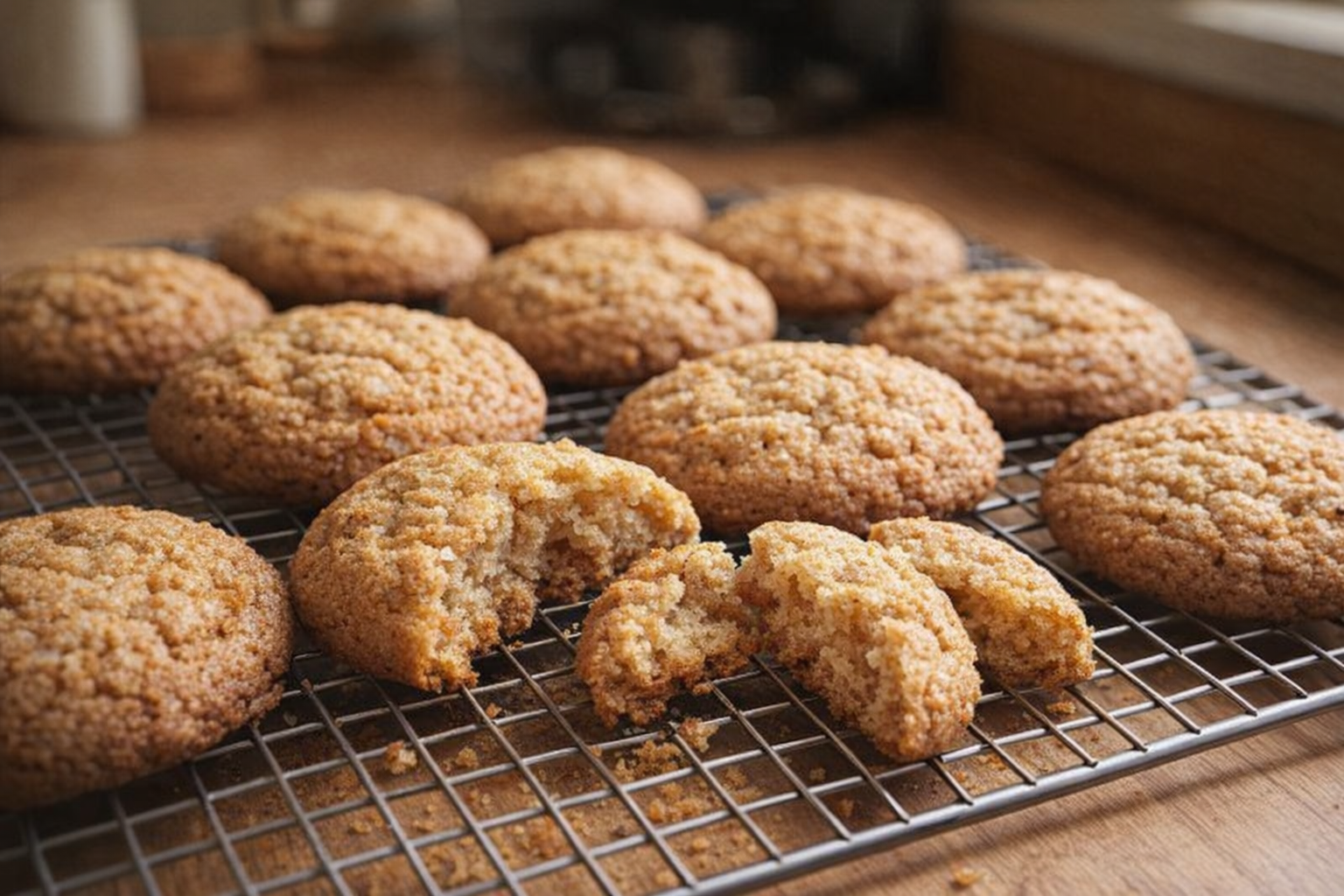
- Bake: Bake for 9-11 minutes, or until the edges are golden brown and the centers are set. The smell of baking cookies will fill your kitchen, and the edges of the cookies will start to turn a light golden brown.
- Cool: Let the cookies cool on the baking sheet for a few minutes before transferring them to a wire rack to cool completely.
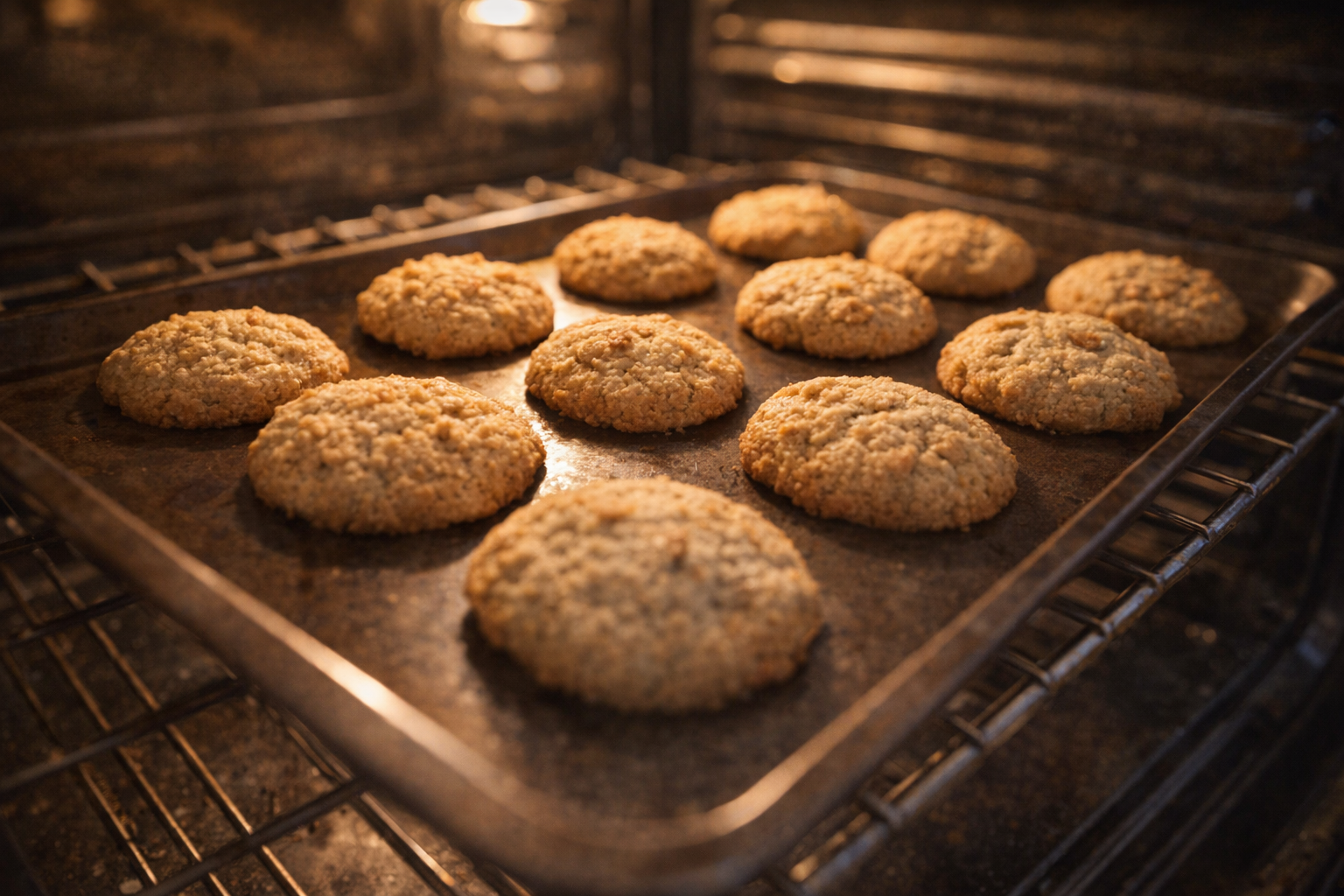
Cooking Time & Doneness Guide
- Baking Time: 9-11 minutes at 375°F (190°C).
- Internal Temperature: Not applicable for cookies.
Visual Cues
The edges of the cookies should be golden brown, and the centers should be set but still slightly soft. Don't overbake, or they will become dry and crumbly.
Tips for Perfection
- Don't Overmix: Overmixing develops gluten, which we don't want in gluten-free baking. Mix until just combined.
- Chill the Dough (Optional): Chilling the dough for 30 minutes before baking can help prevent the cookies from spreading too much.
- Use a Cookie Scoop: For uniform size and even baking.
- Monitor Closely: Almond flour cookies can burn easily, so keep a close eye on them during the last few minutes of baking.
Storage & Reheating
Store cooled cookies in an airtight container at room temperature for up to 3 days. For longer storage, freeze them for up to 2 months. To reheat, bake at 300°F (150°C) for a few minutes until warmed through.
Serving Suggestions
- With a Glass of Milk: A classic pairing for a reason.
- Ice Cream Sandwiches: Use your favorite ice cream for a decadent treat.
- Crumbled over Yogurt: Adds texture and flavor to your morning yogurt.
- Gift Giving: Package them in a cute box for a thoughtful homemade gift.
💡 Pro Tips
- Pack the almond flour firmly into the measuring cup to ensure you have enough structure for the cookies.
- Let the cookies cool completely on the baking sheet before moving them to prevent them from breaking apart while warm.
- Add an extra egg yolk or a bit of honey to the dough to enhance the chewiness and help bind the almond flour together.
- Watch for the edges to turn a light golden brown while the centers remain soft to avoid over-baking and drying out the almond flour.
- Chill the cookie dough in the refrigerator for at least thirty minutes to prevent the cookies from spreading too thin during baking.
Frequently Asked Questions
While you can technically use almond meal, it's not recommended for this recipe. Almond meal has a coarser texture and will result in a grittier cookie. Blanched almond flour provides a finer, more delicate crumb.
The cookies are done when the edges are lightly golden brown and the centers are set, but still slightly soft to the touch. Remember that they will continue to firm up as they cool on the baking sheet, so avoid overbaking them.
Store the cooled cookies in an airtight container at room temperature for up to 3 days. For longer storage, you can freeze them for up to a month. Thaw them at room temperature before serving for the best texture.
If your cookie dough is too wet, try adding a tablespoon or two of almond flour at a time until it reaches a manageable consistency. Be careful not to add too much, or the cookies will become dry. Chilling the dough for 30 minutes can also help to firm it up.