 delishing
How to Pan-Fry Oysters: A Crispy, Savory Delight

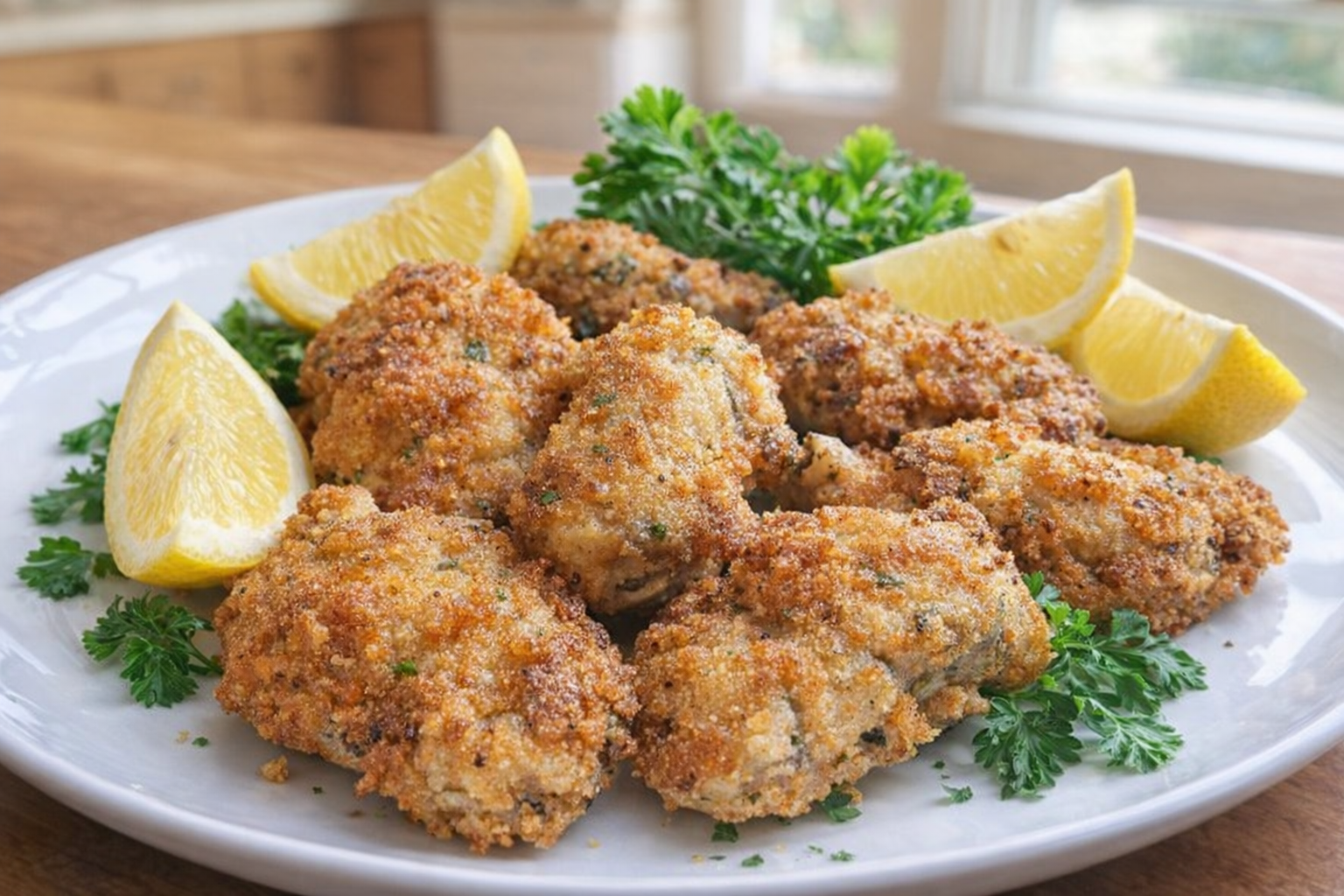
Pan-frying oysters is an excellent way to enjoy their delicate flavor and achieve a satisfying crispy texture. This method is quick, relatively simple, and highlights the oyster's natural brininess. When executed properly, the result is a succulent, golden-brown oyster that's perfect as an appetizer or a key ingredient in various dishes. This guide will provide you with the knowledge and techniques to consistently create perfectly pan-fried oysters.
The key to successful pan-fried oysters lies in controlling the moisture and temperature. A proper dredge in seasoned flour or cornstarch ensures a crispy coating. High heat is essential to quickly cook the oysters and prevent them from becoming soggy. We'll walk you through each step, from selecting the best oysters to achieving that perfect golden-brown crust.
Understanding Oysters
When choosing oysters for pan-frying, consider the following:
- Types of Oysters: Different oyster varieties offer varying flavor profiles. Atlantic oysters tend to be milder and brinier, while Pacific oysters often have a sweeter, almost melon-like taste. Experiment to find your preference.
- Freshness: Fresh oysters should have a tightly closed shell or close immediately when tapped. They should also have a fresh, sea-like smell. Discard any oysters with open shells that don't close when tapped.
- Size: Medium-sized oysters (about 3 inches) are ideal for pan-frying. They cook evenly and are easy to handle.
- Buying Oysters: Purchase oysters from a reputable fishmonger or grocery store. Ask about the oyster's origin and harvest date to ensure freshness.
Why Cook Oysters This Way?
- Versatility: Pan-fried oysters can be served as an appetizer, in sandwiches (po' boys), or as a component in larger dishes.
- Flavor: The high heat searing process enhances the oyster's natural briny flavor while adding a satisfying crispness.
- Convenience: This method is relatively quick and requires minimal equipment, making it ideal for a weeknight meal.
Preparation (Mise en Place)
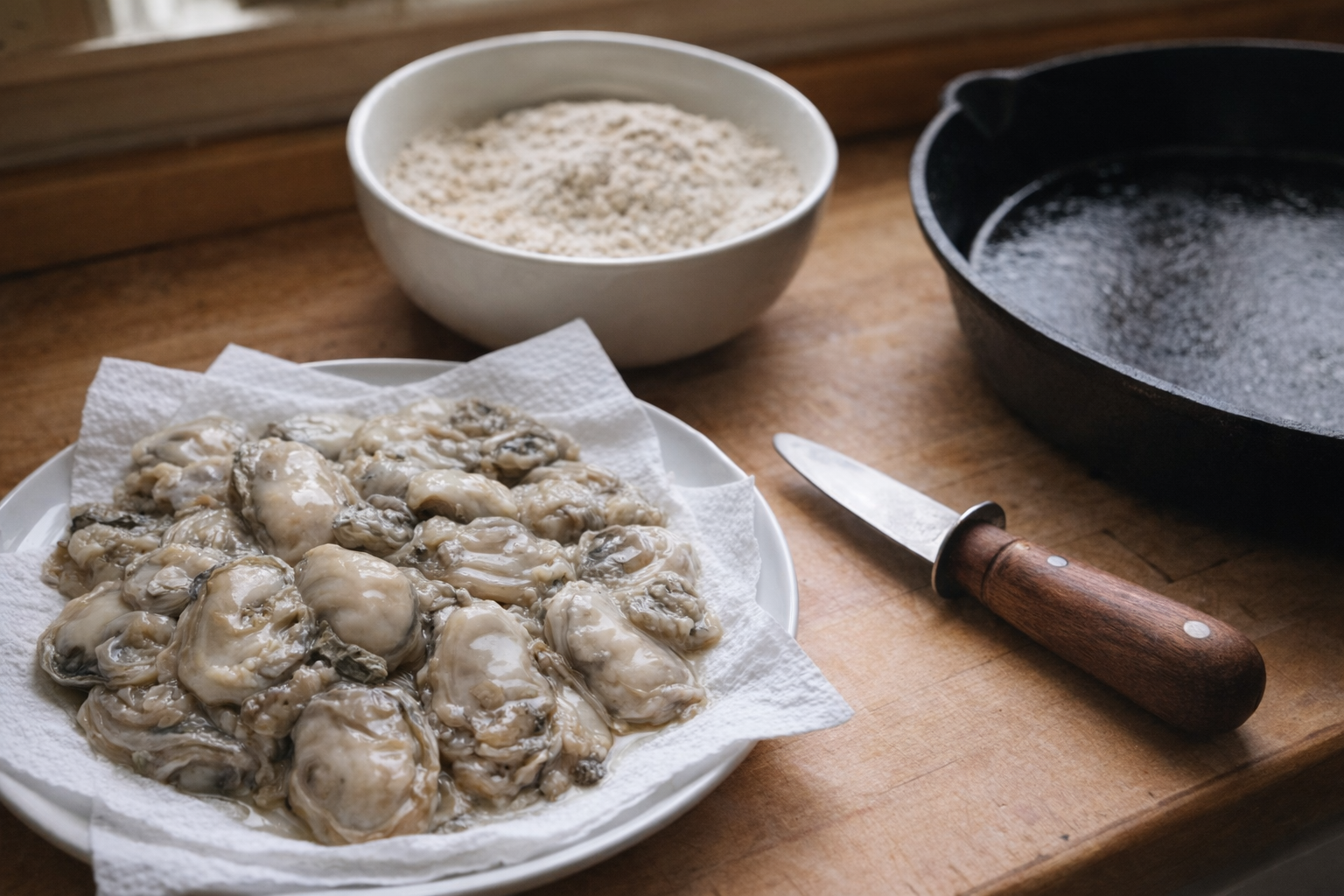
- Shucking Oysters: The most challenging part of this recipe is shucking the oysters. Use an oyster knife and protective gloves. Insert the knife into the hinge of the oyster, twist to pop it open, and then run the knife along the top shell to detach the oyster. Be careful not to spill the liquor (the oyster's natural juices).
- Draining and Drying: Gently remove the oyster from the shell and place it on a paper towel-lined plate. Pat the oysters dry with more paper towels. This is crucial for achieving a crispy crust.
- Dredging Station: Set up a dredging station with a shallow dish of all-purpose flour or cornstarch seasoned with salt, pepper, and your favorite spices (such as paprika or cayenne pepper).
Essential Tools
- Oyster Knife: A specialized knife with a short, sturdy blade for opening oysters.
- Protective Gloves: To protect your hands from sharp oyster shells.
- Cast Iron Skillet or Heavy-Bottomed Pan: A cast iron skillet is ideal for even heat distribution and maintaining a consistent temperature.
- Tongs: For carefully handling the oysters during cooking.
- Paper Towels: For drying the oysters and absorbing excess oil.
The Cooking Method(s)
Method 1: Classic Pan-Fried Oysters
Ingredients:
- 1 pint (473ml) shucked oysters, drained and patted dry
- 1/2 cup (60g) all-purpose flour or cornstarch
- 1 teaspoon salt
- 1/2 teaspoon black pepper
- 1/4 teaspoon paprika (optional)
- 1/4 cup (60ml) vegetable oil or clarified butter
- Heat the Pan: Place the cast iron skillet over medium-high heat. Add the oil or clarified butter and heat until it shimmers and a drop of water flicked into the pan sizzles immediately.
- Dredge the Oysters: Dredge each oyster in the seasoned flour or cornstarch, ensuring it's fully coated. Shake off any excess.
- Pan-Fry the Oysters: Carefully place the dredged oysters in the hot skillet, being careful not to overcrowd the pan. Work in batches if necessary.
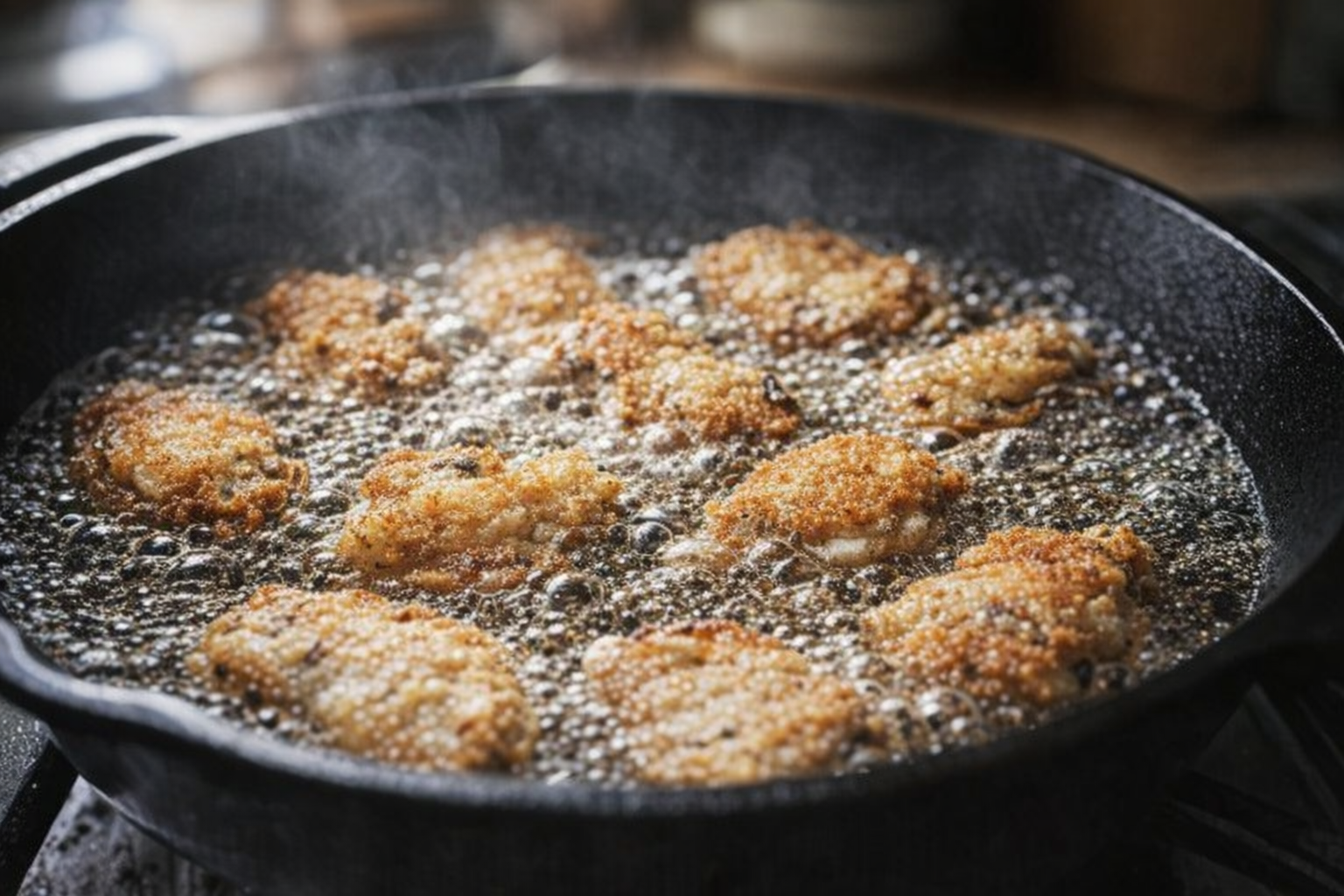
- Sear and Flip: Cook the oysters for 2-3 minutes per side, until golden brown and crispy. Listen for the sizzle as the oysters sear and watch for the edges to curl slightly.
- Remove and Drain: Remove the oysters from the skillet with tongs and place them on a paper towel-lined plate to drain excess oil.
- Serve Immediately: Serve the pan-fried oysters immediately while they are still hot and crispy.
Cooking Time & Doneness Guide
- Cooking Time: The total cooking time is typically 4-6 minutes, depending on the size of the oysters and the heat of the pan.
- Internal Temperature: Oysters are cooked through when they reach an internal temperature of 145°F (63°C). However, it's not practical to check the internal temperature of each oyster.
Visual Cues
The oysters are done when they are golden brown and crispy on both sides, and the edges are slightly curled. The flesh should be firm but still slightly juicy. Avoid overcooking, as this will make the oysters tough and rubbery.
Tips for Perfection
- Don't Overcrowd the Pan: Overcrowding will lower the temperature of the pan and result in steamed rather than fried oysters.
- Use High Heat: High heat is essential for achieving a crispy crust and preventing the oysters from becoming soggy.
- Dry the Oysters Thoroughly: Excess moisture will prevent the oysters from browning properly.
- Season Generously: Don't be afraid to season the flour or cornstarch with plenty of salt, pepper, and your favorite spices.
Storage & Reheating
- Storage: Leftover pan-fried oysters can be stored in an airtight container in the refrigerator for up to 24 hours.
- Reheating: The best way to reheat pan-fried oysters is in a preheated 350°F (175°C) oven for 5-7 minutes, or until heated through. You can also reheat them in a skillet over medium heat, but they may not be as crispy as when freshly cooked. Microwaving is not recommended, as it will make the oysters soggy.
Serving Suggestions
- Oyster Po' Boy: Serve the pan-fried oysters on a crusty baguette with lettuce, tomato, pickles, and remoulade sauce.
- Oyster Tacos: Fill warm tortillas with pan-fried oysters, shredded cabbage, pico de gallo, and a drizzle of lime crema.
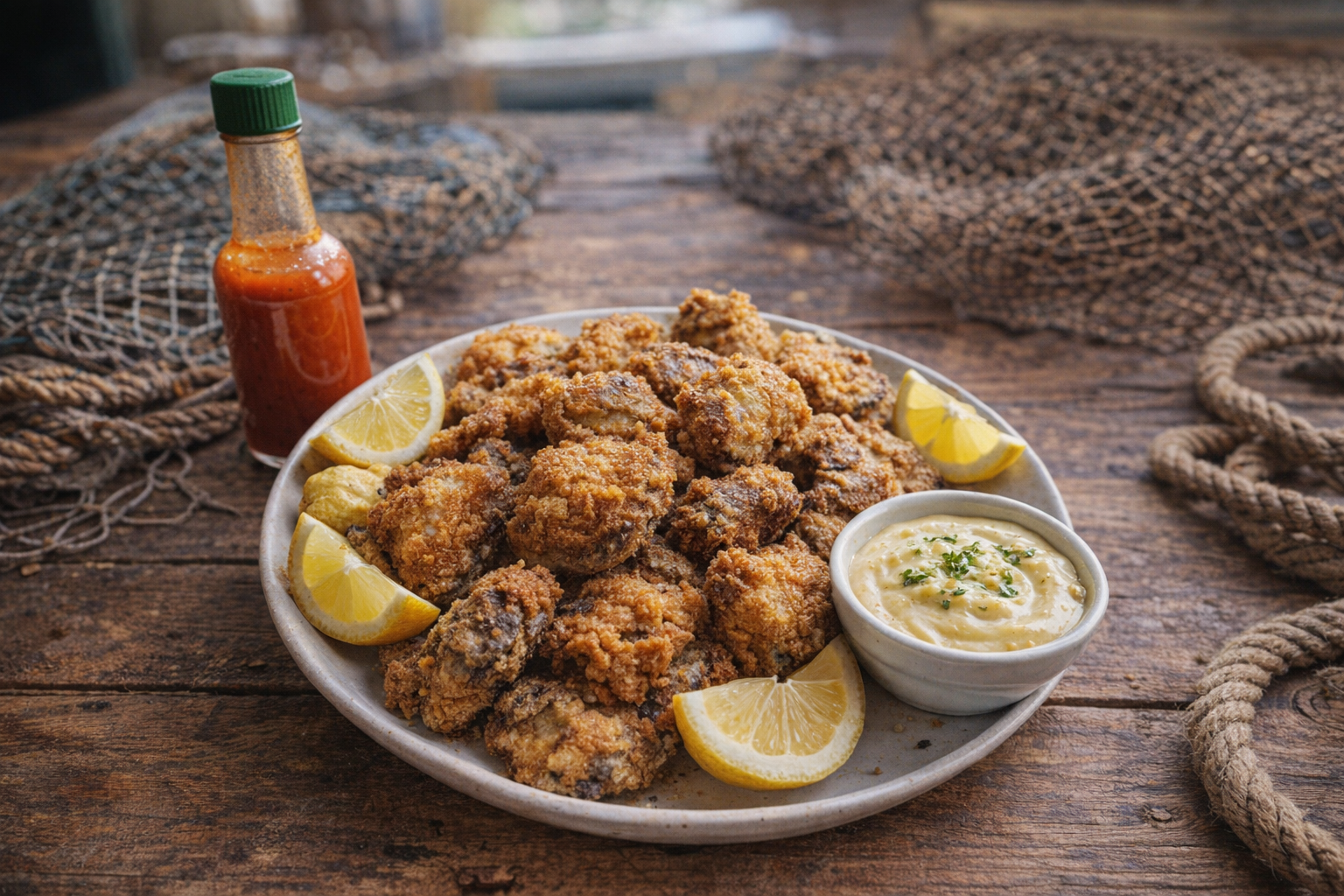
- Oysters with Lemon-Garlic Aioli: Serve the pan-fried oysters with a side of homemade lemon-garlic aioli for dipping.
- Oysters on Crackers: Serve atop crackers with a dab of hot sauce.
💡 Pro Tips
- Pat the oysters thoroughly dry with paper towels before dredging to ensure the coating adheres properly and achieves maximum crispiness.
- Heat your oil until it shimmers but isn't smoking before adding the oysters to create an instant sear and prevent sogginess.
- Fry the oysters in small batches to keep the pan temperature high and prevent the oysters from steaming rather than frying.
- Only cook the oysters for about two minutes per side until the edges just begin to curl and the coating turns golden brown.
- Season your flour or cornstarch mixture with a pinch of cayenne or lemon zest to enhance the natural briny flavor of the seafood.
Frequently Asked Questions
While an oyster knife is ideal, you can try using a sturdy, short-bladed knife with a dull edge. Be extra careful and wear thick gloves to protect your hands, focusing on prying the hinge open rather than forcing the knife through.
While fresh oysters are preferred for the best flavor and texture, you can use frozen oysters if they are properly thawed. Ensure they are completely thawed and thoroughly dried with paper towels before dredging to prevent a soggy crust.
Choose an oil with a high smoke point, such as canola oil, vegetable oil, or peanut oil, for pan-frying. This will allow you to achieve a crispy crust without the oil burning and imparting a bitter flavor to the oysters.
Ensure the pan is properly heated before adding the oil and that the oil is shimmering hot before adding the dredged oysters. Also, avoid overcrowding the pan, which can lower the oil temperature and cause the oysters to steam instead of fry.