 delishing
How to Make Baklava at Home: A Comprehensive Guide
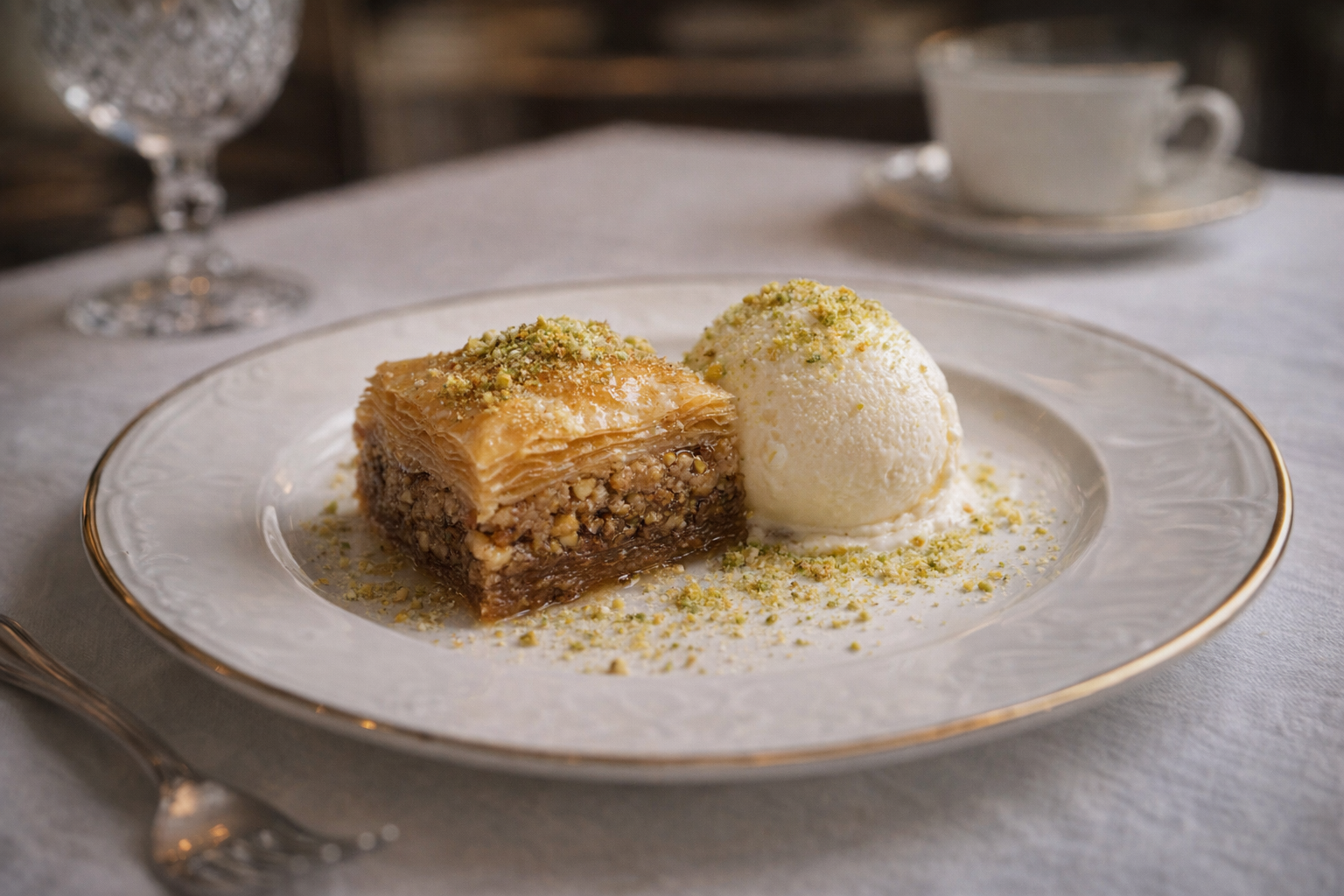
Baklava is a layered pastry dessert made of flaky phyllo dough, filled with chopped nuts, and sweetened with syrup or honey. Its distinct flavor profile balances the richness of nuts and butter with the floral sweetness of honey, all contrasted by the delicate crispness of the phyllo. This particular method details a meticulous approach to crafting each component from scratch, ensuring maximum control over flavor and texture, resulting in a truly exceptional baklava.
This recipe emphasizes understanding each ingredient and technique, from the specific type of flour best suited for phyllo to the precise cooking time for the syrup. Making baklava is a journey, not just a task, and the end result—a golden, glistening, and intensely flavorful pastry—is well worth the effort.
Understanding Phyllo Pastry
Phyllo (or filo) pastry is a paper-thin dough used in many Greek and Middle Eastern pastries. It's made from flour, water, and a small amount of oil.
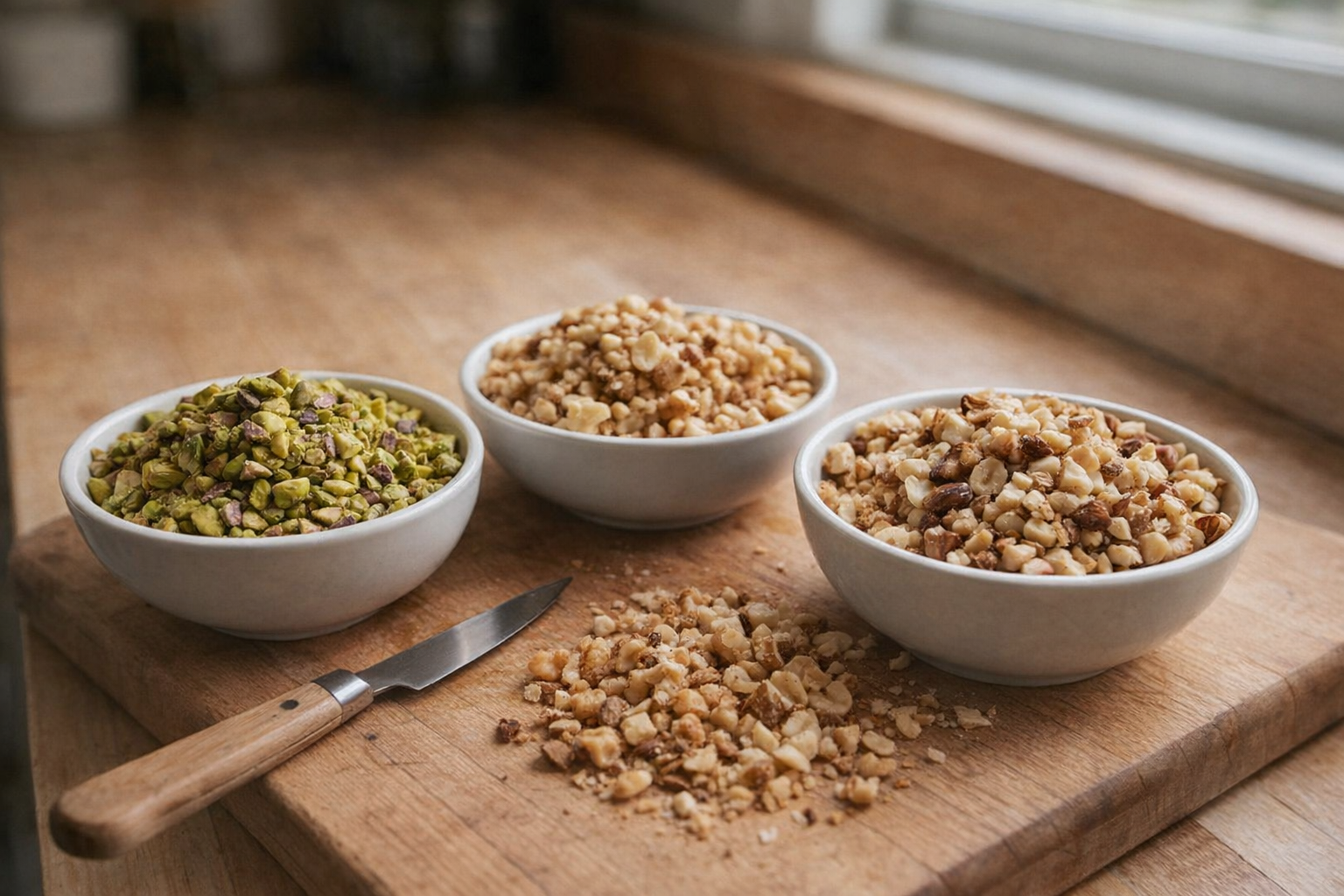
Types of Nuts: The nut mixture is the heart of baklava, and the choice of nuts greatly influences the final flavor. Walnuts offer a rich, earthy flavor, while pistachios provide a vibrant green color and a slightly sweet taste. Hazelnuts contribute a delicate, almost chocolatey note. Feel free to experiment with different combinations to find your favorite blend.
Why Cook Baklava This Way?
- Versatility: Baklava can be adapted to different dietary needs by using gluten-free phyllo or alternative sweeteners in the syrup.
- Flavor: Making baklava from scratch allows for precise control over the intensity and complexity of flavors, from the nut mixture to the honey syrup.
- Convenience: Though it has many steps, each component of the baklava (dough, syrup, nut mixture) can be made ahead of time, breaking the process down into manageable steps.
Preparation (Mise en Place)
Clarifying Butter (Optional): Clarifying butter removes the milk solids, resulting in a purer fat that browns beautifully and adds a richer flavor to the phyllo. To clarify butter, melt it in a saucepan over low heat. Skim off any foam that rises to the surface. Carefully pour the clear butter into a separate container, leaving the milk solids behind.
Essential Tools
- 9x13 inch Baking Pan: A rectangular pan with straight sides is essential for even layering and baking.
- Pastry Brush: Use a high-quality pastry brush with natural bristles for even buttering of the phyllo layers.
- Sharp Knife or Pizza Cutter: A sharp knife or pizza cutter is needed for clean cuts through the layers of baklava before baking.
The Cooking Method(s)
The following details the process for both the phyllo dough (if making from scratch), honey syrup, nut mixture, and the assembly and baking of the baklava.
Method 1: Homemade Phyllo Dough
While store-bought phyllo is a time-saver, crafting your own dough allows for a more nuanced flavor and texture.
Ingredients:
- 2 cups (250g) all-purpose flour (unbleached)
- 1 tablespoon (15g) salt
- 2 tablespoons (30ml) extra virgin olive oil
- ¾ cup (180ml) warm water
- 2 teaspoons (10ml) vinegar
- 1 cup (120g) cornstarch (for dusting)
- Dough Preparation: In a large mixing bowl, combine the flour, salt, olive oil, and vinegar. Gradually add the warm water while kneading the mixture into a firm, smooth dough. The dough should be elastic and not too sticky.
- Resting: Shape the dough into a sphere, cover with plastic wrap, and let it rest at room temperature for 30 minutes to 1 hour. This allows the gluten to relax, making the dough easier to work with.
- Dividing and Rolling: Divide the rested dough into 30 equal balls. Dust each ball with cornstarch to prevent sticking. Take five balls at a time and roll them gently, first to the size of your palm.
- Stacking and Rolling: Stack the rolled-out circles, generously dusting each layer with cornstarch. Carefully roll the stacked layers, periodically peeling and re-stacking to create thin, delicate sheets.
- Finalizing Sheets: Continue rolling until the sheets become nearly translucent and large enough to cover your baking pan. Gently separate each phyllo sheet, placing them on a cornstarch-dusted surface.
- Covering: Cover the prepared sheets with a slightly damp cloth to keep them pliable. Repeat the process with the remaining dough balls until you have enough sheets for your baklava.
Method 2: Honey Syrup
The honey syrup infuses the baklava with its signature sweetness and moisture.
Ingredients:
- ¾ cup (150g) sugar
- 1 cup (240ml) cold water
- 1 cup (340g) pure honey
- 1 tablespoon (15ml) orange extract (optional)
- 5 whole cloves
- Juice of one lemon
- Sugar Dissolution: In a medium-sized saucepan with a heavy bottom, combine the sugar and cold water. Place the pan over medium-low heat and stir occasionally until the sugar is completely dissolved. You should not feel any grains of sugar when you rub a bit of the mixture between your fingers.
- Syrup Preparation: Once the sugar has dissolved, carefully add the honey and orange extract (if using). Drop the whole cloves into the mixture. Stir lightly to combine all the ingredients.
- Cooking the Syrup: Increase the heat slightly to bring the mixture to a gentle boil. Once boiling, reduce the heat to maintain a steady, low simmer. Allow the syrup to cook undisturbed for approximately 25 minutes. The syrup should thicken slightly and coat the back of a spoon.
- Final Touches: Remove the saucepan from the heat and allow the syrup to cool down to lukewarm. Add the lemon juice and gently mix. Strain out and discard the whole cloves.
Method 3: Nut Mixture
Ingredients:
- 6 ounces (170g) pistachios (chopped)
- 6 ounces (170g) walnuts (chopped)
- 6 ounces (170g) hazelnuts (chopped)
- ¼ cup (50g) sugar
- 1-2 tablespoons ground cinnamon
- A pinch of ground cloves
- Chopping Nuts: Add the pistachios, walnuts, and hazelnuts to a food processor. Pulse the nuts in short, quick bursts, carefully controlling the processing time to achieve a coarse chop.
- Mixing Dry Ingredients: Transfer the freshly chopped nuts to a large mixing bowl. Add the sugar, ground cinnamon, and ground cloves. Fold the dry ingredients together until evenly distributed.
Method 4: Assembling and Baking the Baklava
Ingredients:
- Prepared phyllo dough (either homemade or store-bought)
- Prepared nut mixture
- Prepared honey syrup
- 1 ½ to 2 sticks (170-226g) unsalted butter, melted
- Prepare Baking Pan: Select a 9" x 13" x 2" baking pan and brush every corner and side with melted butter.
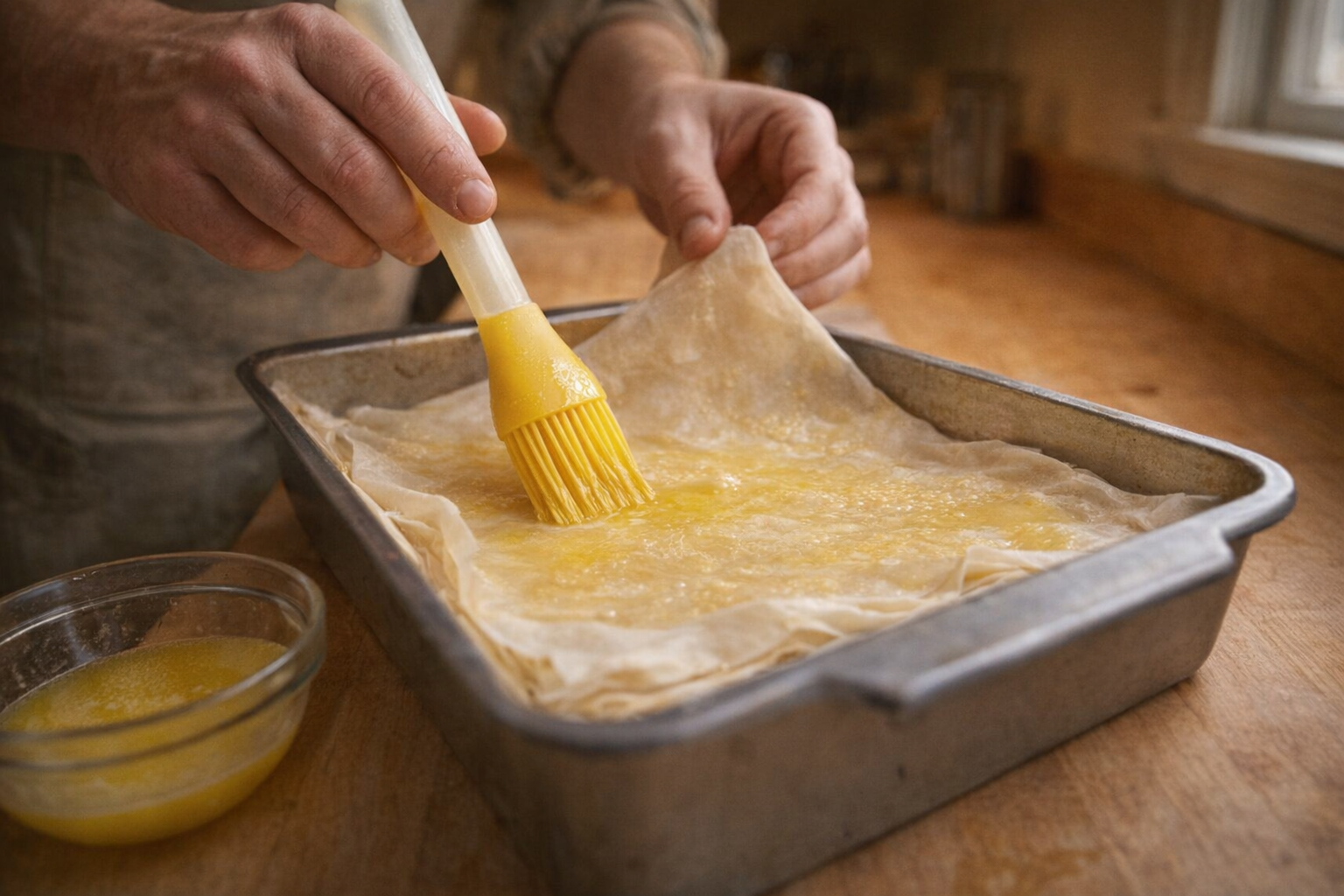
- Layering Phyllo: Carefully unwrap the phyllo dough, keeping it covered with a slightly damp kitchen towel to prevent drying. Gently lift the first sheet and lay it in the pan. Brush with melted butter.
- Repeating Layers: Continue adding phyllo sheets one at a time, repeating the buttering process between each layer. Use approximately one-third of the phyllo pastry for this initial set of layers.
- Adding Nut Mixture: Spread the prepared nut mixture evenly across the phyllo layers.
- Continue Layering: Begin the second phase of layering, using another third of the phyllo sheets. Continue the careful process of placing each sheet and brushing with melted butter.
- Final Nut Layer: Repeat the nut distribution process, spreading the remaining nut mixture evenly across the phyllo layers.
- Final Phyllo Layers: Complete the assembly by using the remaining phyllo sheets, continuing the careful layering and buttering process. The top layer should be several sheets thick, with each sheet brushed thoroughly with melted butter.
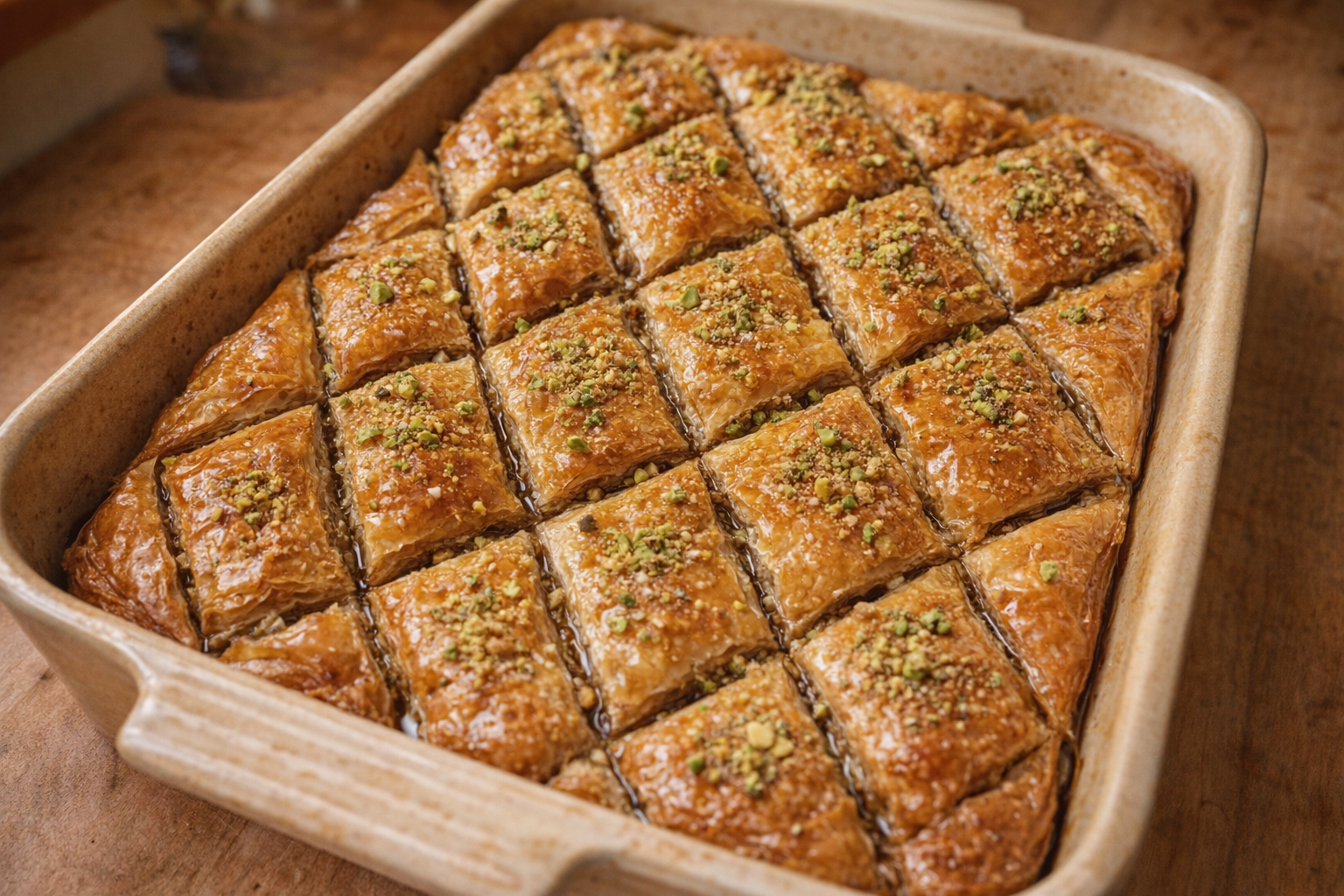
- Cutting: Before baking, carefully cut the unbaked baklava into your desired shape. Diamond patterns are traditional, but square or triangular cuts work equally well.
- Baking: Preheat the oven to 350°F (175°C), positioning a rack in the middle. Bake for 35 to 45 minutes, or until golden brown.
- Syrup Application: The moment the baklava emerges from the oven, slowly and evenly pour the cooled syrup over the entire surface of the hot baklava.
- Resting: Allow the baklava to sit undisturbed for several hours, or preferably overnight, to allow the syrup to soak into the pastry.
- Serving: When ready to serve, use the pre-cut lines as a guide. Carefully separate the pieces and serve at room temperature.
Cooking Time & Doneness Guide
- Baking Time: 35-45 minutes at 350°F (175°C).
- Internal Temperature: Baklava doesn't have an internal temperature to measure. Doneness is determined by visual cues.
Visual Cues
The baklava is done when the phyllo layers are golden brown and crispy. The top should be evenly browned, and the sides should be slightly darker.
Tips for Perfection
- Preventing Soggy Baklava: Ensure the syrup is lukewarm and the baklava is hot when you pour the syrup. This temperature difference helps the syrup absorb properly without making the pastry soggy.
- Avoiding Burnt Nuts: If the nuts start to brown too quickly during baking, tent the baklava with foil.
- Ensuring Even Baking: Rotate the baking pan halfway through baking to ensure even browning.
- Working with Phyllo: Keep phyllo dough covered with a damp towel at all times to prevent it from drying out. Handle it gently to avoid tearing.
Storage & Reheating
- Storage: Baklava can be stored at room temperature in an airtight container for up to 2 weeks. It can also be refrigerated for up to 2 weeks, but the texture will become chewier. For longer storage, freeze individual pieces wrapped in plastic wrap and stored in a freezer-safe bag for up to 3 months.
- Reheating: Reheat baklava in a preheated oven at 300°F (150°C) for 10-15 minutes to restore its crispness. You can also reheat individual pieces in a microwave for a few seconds, but the texture will be softer.
Serving Suggestions
- With Coffee or Tea: Serve baklava with a cup of strong Turkish coffee or black tea to complement its sweetness.
- With Greek Yogurt: A dollop of tangy Greek yogurt provides a refreshing contrast to the rich, sweet baklava.
- With Ice Cream: Pair warm baklava with a scoop of vanilla or pistachio ice cream for a decadent dessert.
- As a Gift: Baklava makes a beautiful and delicious gift for any occasion.
💡 Pro Tips
- Keep the phyllo dough covered with a damp kitchen towel while you work to prevent the thin sheets from drying out and cracking.
- Use clarified butter when brushing the layers to prevent the milk solids from burning and to achieve a more professional, golden finish.
- Always cut the assembled pastry into your desired diamond or square shapes before baking to ensure the layers remain intact and crisp.
- Pour cooled syrup over the hot-from-the-oven baklava to ensure the pastry absorbs the liquid properly without becoming soggy.
- Allow the finished baklava to rest at room temperature for at least several hours or overnight so the layers can fully set and the flavors meld.
Frequently Asked Questions
Phyllo dough dries out very quickly, making it brittle and prone to tearing. Make sure to keep the stack of phyllo you aren't working with covered with a damp towel at all times. Also, ensure your butter is fully melted but not too hot when brushing the sheets.
Yes, you can substitute honey with other sweeteners like maple syrup or agave nectar. Keep in mind that each sweetener has a different flavor profile, which will affect the final taste of your baklava. Adjust the amount to taste, as some sweeteners are sweeter than honey.
Store leftover baklava in an airtight container at room temperature. Avoid refrigerating it, as this can cause the phyllo to become soggy. It's best consumed within 3-4 days for optimal texture and flavor.
Yes, you can assemble the baklava ahead of time, but it's best to wait to add the syrup until after baking. Cover the unbaked baklava tightly with plastic wrap and store it in the refrigerator for up to 24 hours. Bring it to room temperature before baking as directed.