 delishing
How to Bake Fluffy Cornbread in Your Home Oven

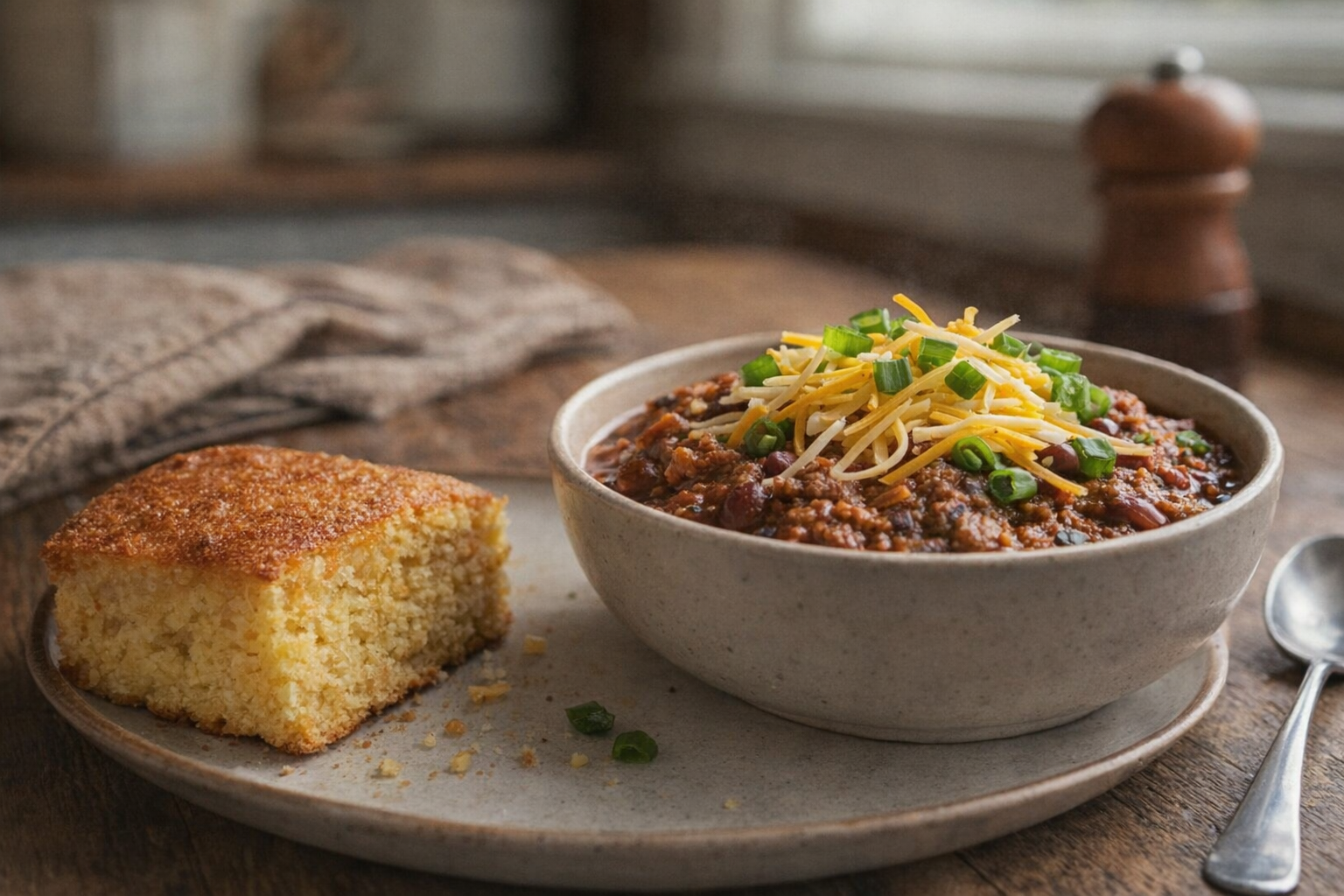
Cornbread is a comforting classic, offering a delightful balance of sweet and savory flavors. This recipe focuses on achieving a soft, crumbly texture without being overly dry, a common pitfall in cornbread baking. The combination of cornmeal and all-purpose flour provides structure, while buttermilk and melted butter contribute to the bread's moistness and rich flavor. Sugar adds a touch of sweetness that complements the corn's natural earthiness.
This method, using a conventional oven, ensures even baking and a golden-brown crust. The preheated oven creates the ideal environment for the baking powder to activate, resulting in a light and airy cornbread. The use of parchment paper prevents sticking and ensures easy removal, while the added step of greasing the parchment paper with butter imparts an extra layer of flavor to the crust.
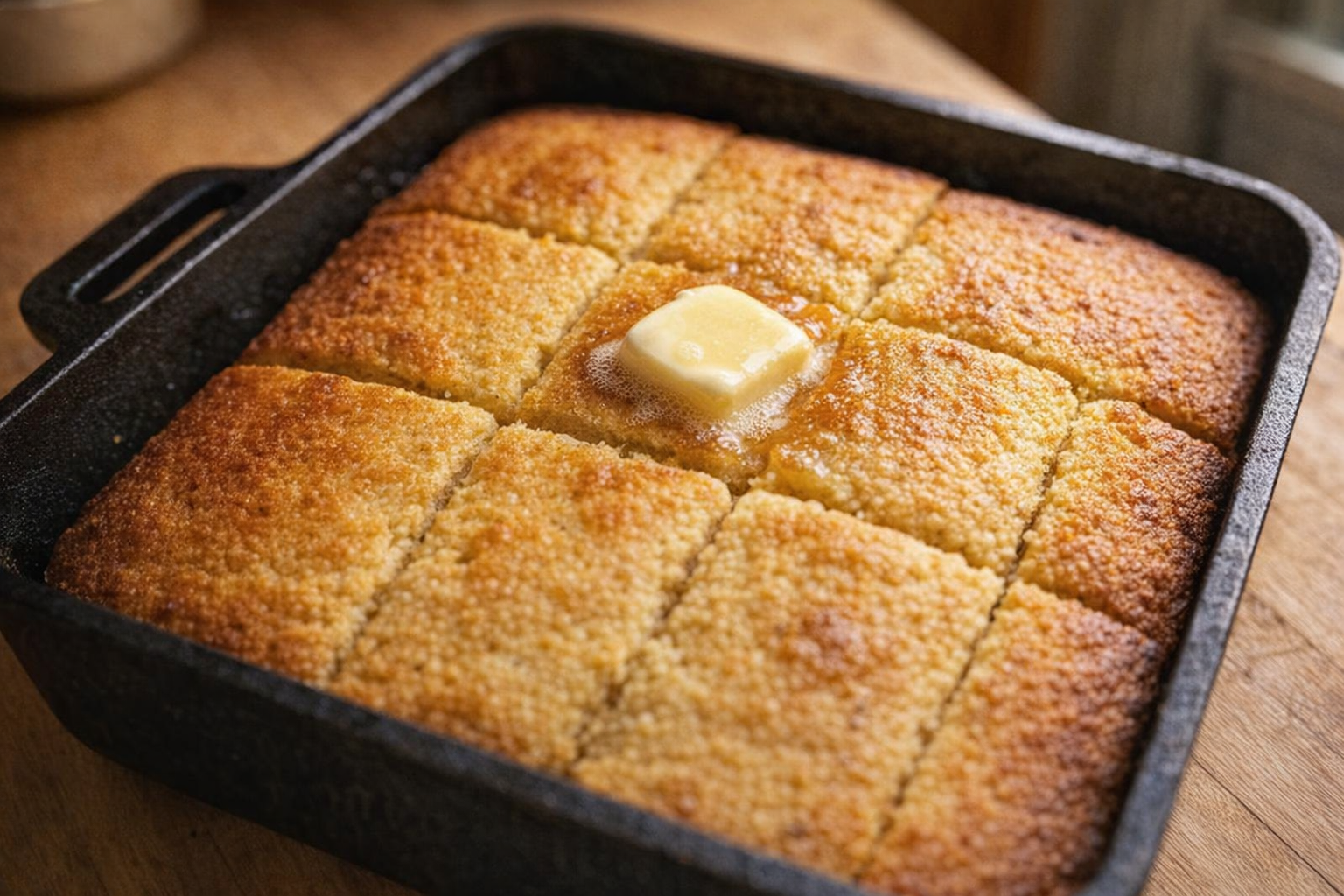
Understanding Cornmeal
Cornmeal, the star of cornbread, comes in various grinds, from fine to coarse. For a soft, tender cornbread, a medium-grind cornmeal is ideal. Avoid using polenta, which is made from a different type of corn and has a much coarser texture. When purchasing cornmeal, look for a vibrant yellow color, which indicates freshness. The aroma should be subtly sweet and corny. Store cornmeal in an airtight container in a cool, dark place to prevent it from going rancid. Stone-ground cornmeal retains more of the corn's natural oils and nutrients, contributing to a richer flavor.
Why Cook Cornbread This Way?
- Versatility: Cornbread is a versatile side dish that pairs well with a variety of meals, from chili and stews to barbecue and fried chicken.
- Flavor: Baking cornbread in the oven brings out the natural sweetness of the corn and creates a golden-brown crust with a satisfyingly soft interior.
- Convenience: This recipe requires minimal effort and readily available ingredients, making it a perfect choice for a quick and easy side dish.
Preparation (Mise en Place)
- Ensure all ingredients, particularly buttermilk, eggs, and melted butter, are at room temperature. This allows them to emulsify properly, resulting in a smoother batter and a more evenly baked cornbread.
- Measure out all ingredients accurately using measuring cups and spoons. Baking is a science, and precise measurements are crucial for achieving the desired results.
- Line a baking sheet with parchment paper. Grease the parchment paper with butter to prevent sticking and add flavor.
Essential Tools
- Baking Sheet: A standard baking sheet provides a flat surface for even baking.
- Parchment Paper: Prevents the cornbread from sticking to the baking sheet and allows for easy removal.
- Mixing Bowls: Use two separate mixing bowls, one for dry ingredients and one for wet ingredients.
- Measuring Cups and Spoons: Essential for accurate measurement of ingredients.
- Whisk: Used to combine dry ingredients and to whisk wet ingredients until smooth.
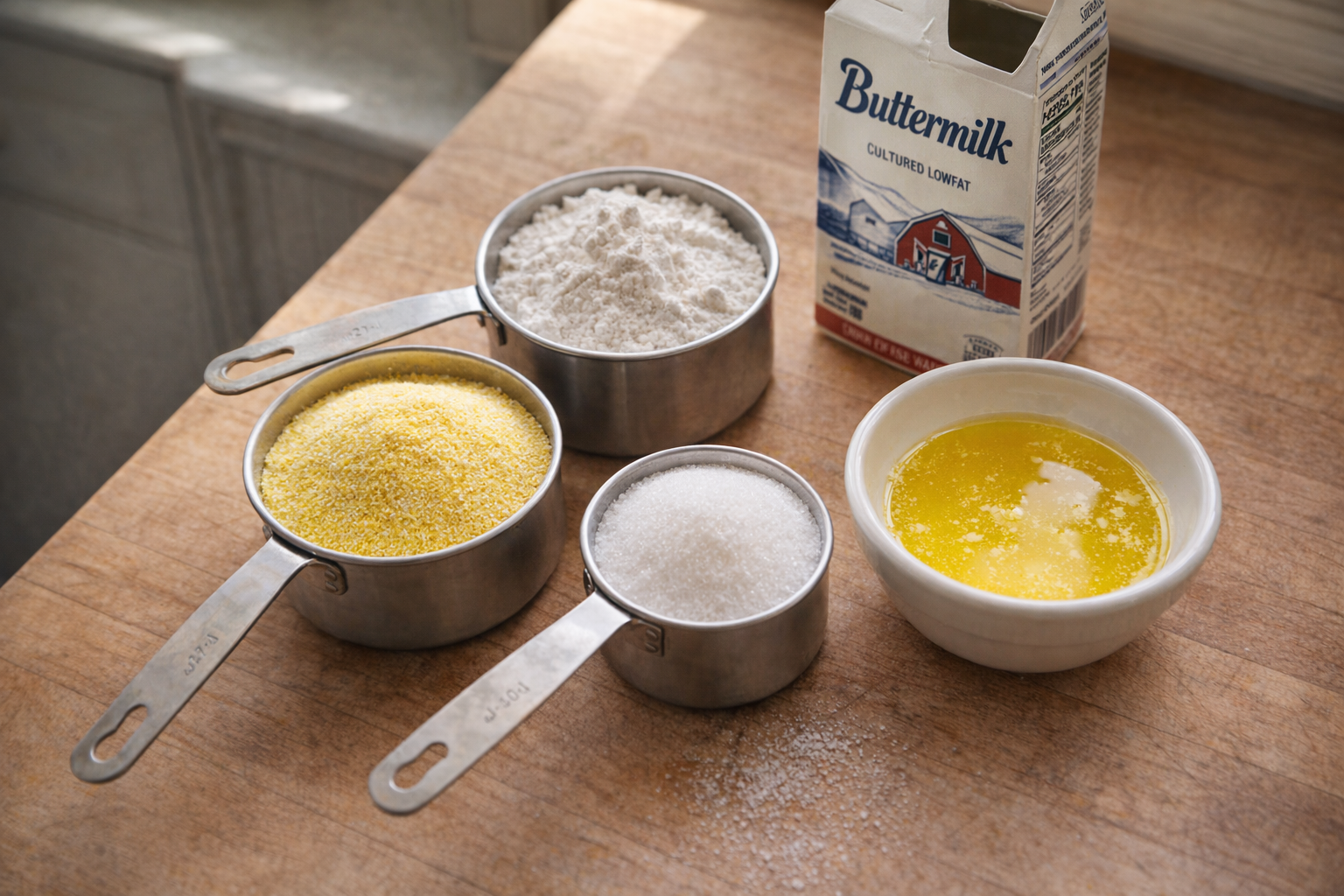
The Cooking Method
Oven Baked Cornbread
Ingredients:
- 1 cup (120g) All-purpose Flour
- 1 cup (160g) Yellow Cornmeal
- ⅔ cup (133g) Granulated Sugar
- 1 teaspoon (6g) Salt
- 1 ½ teaspoons (7g) Baking Powder
- 1 cup (240ml) Buttermilk
- ⅓ cup (75g) Unsalted Melted Butter
- 2 teaspoons (10ml) Vegetable Oil
- 1 Large Egg
- Preheat the Oven: Preheat your oven to 425°F (220°C). This high temperature is crucial for creating a golden-brown crust and ensuring the cornbread rises properly.
- Prepare the Dry Mixture: In a large mixing bowl, whisk together the all-purpose flour, yellow cornmeal, granulated sugar, salt, and baking powder. Whisking ensures the ingredients are evenly distributed, preventing pockets of baking powder that can cause uneven rising.
- Mix the Wet Ingredients: In a separate mixing bowl, whisk together the buttermilk, melted butter, vegetable oil, and egg until smooth. The buttermilk adds tanginess and moisture, while the melted butter contributes to a rich, tender crumb.
- Combine the Dry and Wet Ingredients: Gradually add the wet ingredients to the dry ingredients, whisking until just combined. Be careful not to overmix the batter, as this can develop the gluten in the flour, resulting in a tough cornbread. A few lumps are okay.
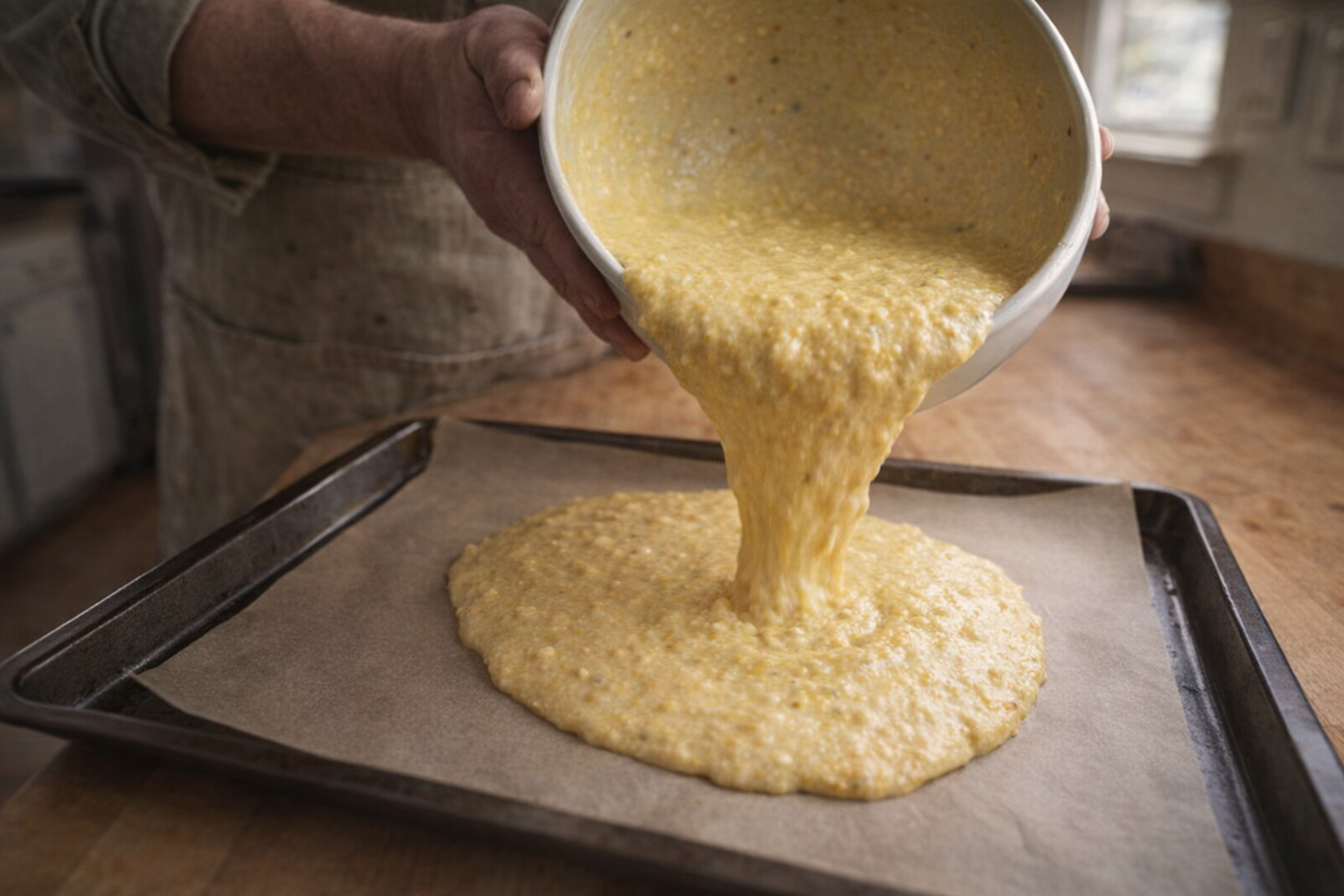
- Pour in the Batter: Pour the batter onto the prepared baking sheet lined with parchment paper. Spread the batter evenly to ensure even baking. For a more buttery flavor, drizzle a little melted butter over the top of the batter.
- Bake the Cornbread: Bake for 20-25 minutes, or until a toothpick inserted into the center comes out clean. The cornbread should be golden brown on top and slightly pulling away from the edges of the baking sheet.
- Cool and Serve: Let the cornbread cool on the baking sheet for 5-10 minutes before cutting into squares and serving. This allows the cornbread to firm up slightly, making it easier to handle.
Cooking Time & Doneness Guide
- Cooking Time: 20-25 minutes.
- Internal Temperature: 200°F (93°C). Use a thermometer to check the internal temperature for accurate doneness.
Visual Cues
- Color: The cornbread should be golden brown on top and slightly pulling away from the edges of the baking sheet.
- Texture: A toothpick inserted into the center should come out clean. If the toothpick comes out with wet batter, continue baking for a few more minutes.
Tips for Perfection
- Use Room Temperature Ingredients: Ensure that the buttermilk, eggs, and melted butter are at room temperature for optimal emulsification and a smoother batter.
- Avoid Overmixing: Overmixing the batter develops the gluten in the flour, resulting in a tough cornbread. Mix until just combined.
- Don't Overbake: Overbaking the cornbread can make it dry and crumbly. Check for doneness using a toothpick.
- Grease the Parchment Paper: Greasing the parchment paper with butter adds flavor and ensures the cornbread releases easily.
Storage & Reheating
- Storage: Store leftover cornbread in an airtight container at room temperature for 1-2 days, in the refrigerator for up to 5-6 days, or in the freezer for up to 3 months.
- Reheating: To reheat cornbread, wrap it in foil and bake at 350°F (175°C) for 10-15 minutes, or until warmed through. You can also microwave individual slices for 30-60 seconds.
Serving Suggestions
- With Honey or Butter: A classic pairing that enhances the sweetness and texture of the cornbread.
- With Chili or Stew: Cornbread is a perfect accompaniment to hearty soups and stews, providing a satisfying and flavorful contrast.
- As a Side Dish with Barbecue: The sweetness of cornbread complements the smoky flavors of barbecue meats.
- Crumbled over Salad: Add crumbled cornbread to salads for a textural and flavorful boost.
💡 Pro Tips
- Use real buttermilk rather than a substitute to ensure the acidity properly activates the baking powder for a taller, fluffier rise.
- Avoid overmixing the batter by folding the ingredients until just combined, which prevents the cornbread from becoming tough and dense.
- Preheat your baking pan or cast-iron skillet in the oven before pouring in the batter to achieve a perfectly crisp and golden-brown bottom crust.
- Measure your flour and cornmeal using the spoon-and-level method to ensure the ratio of dry to wet ingredients remains accurate for a moist crumb.
- Allow the cornbread to cool in the pan for at least ten minutes before slicing to let the structure set and prevent it from crumbling excessively.
Frequently Asked Questions
You can make a buttermilk substitute by adding 1 tablespoon of white vinegar or lemon juice to a liquid measuring cup, then filling the rest of the cup with milk to equal the amount of buttermilk called for in the recipe. Let it sit for 5-10 minutes to curdle slightly before using.
Overbaking is a common cause of dry cornbread. Check for doneness by inserting a toothpick into the center; it should come out with a few moist crumbs attached, not completely clean. Also, ensure you're using room temperature ingredients, especially the buttermilk, eggs, and butter, as this helps create a more moist and even batter.
To store leftover cornbread, wrap it tightly in plastic wrap or place it in an airtight container at room temperature for up to 2 days. For longer storage, refrigerate it for up to a week, but be aware that refrigeration can make it a bit drier; microwaving it briefly can help restore some moisture.
Yes, a cast iron skillet is a great option for baking cornbread and will result in a crispier crust. Preheat the skillet in the oven while the oven is preheating, then carefully grease it with butter before pouring in the batter. This will give you a beautifully browned and flavorful cornbread.