 delishing
How to Cook Decadent Carbonara Pasta with Leftover Egg Yolks

Introduction
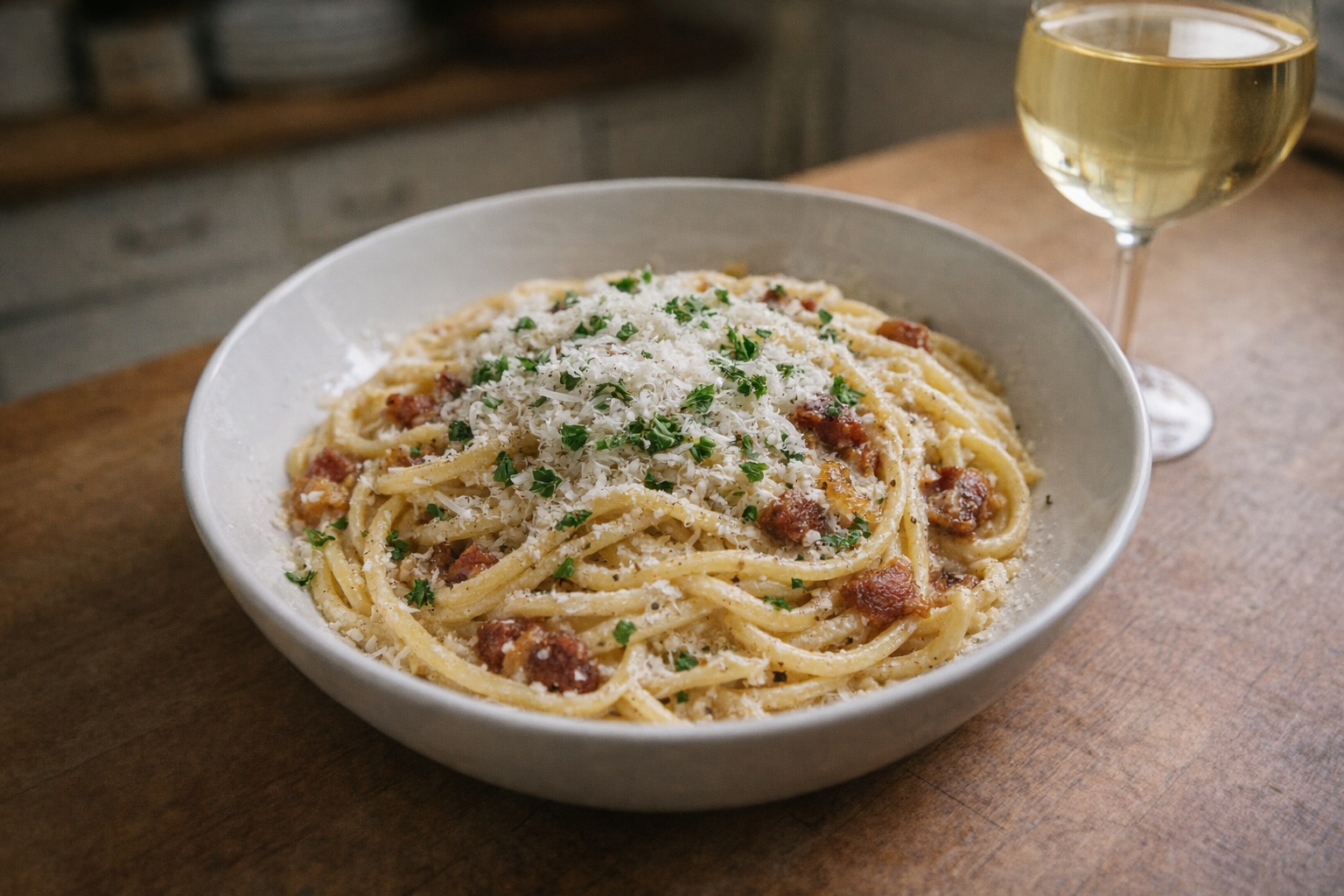
Carbonara is a dish celebrated for its simplicity and deeply satisfying flavor. The richness comes from the combination of egg yolks, cheese, and cured pork, creating a creamy sauce that clings to the pasta. This method of using exclusively egg yolks intensifies the flavor and creates an even more luxurious texture than traditional recipes using whole eggs. The key to a perfect carbonara lies in emulsifying the sauce correctly and preventing the eggs from scrambling, resulting in a silky, decadent coating for your pasta.
Understanding Egg Yolks
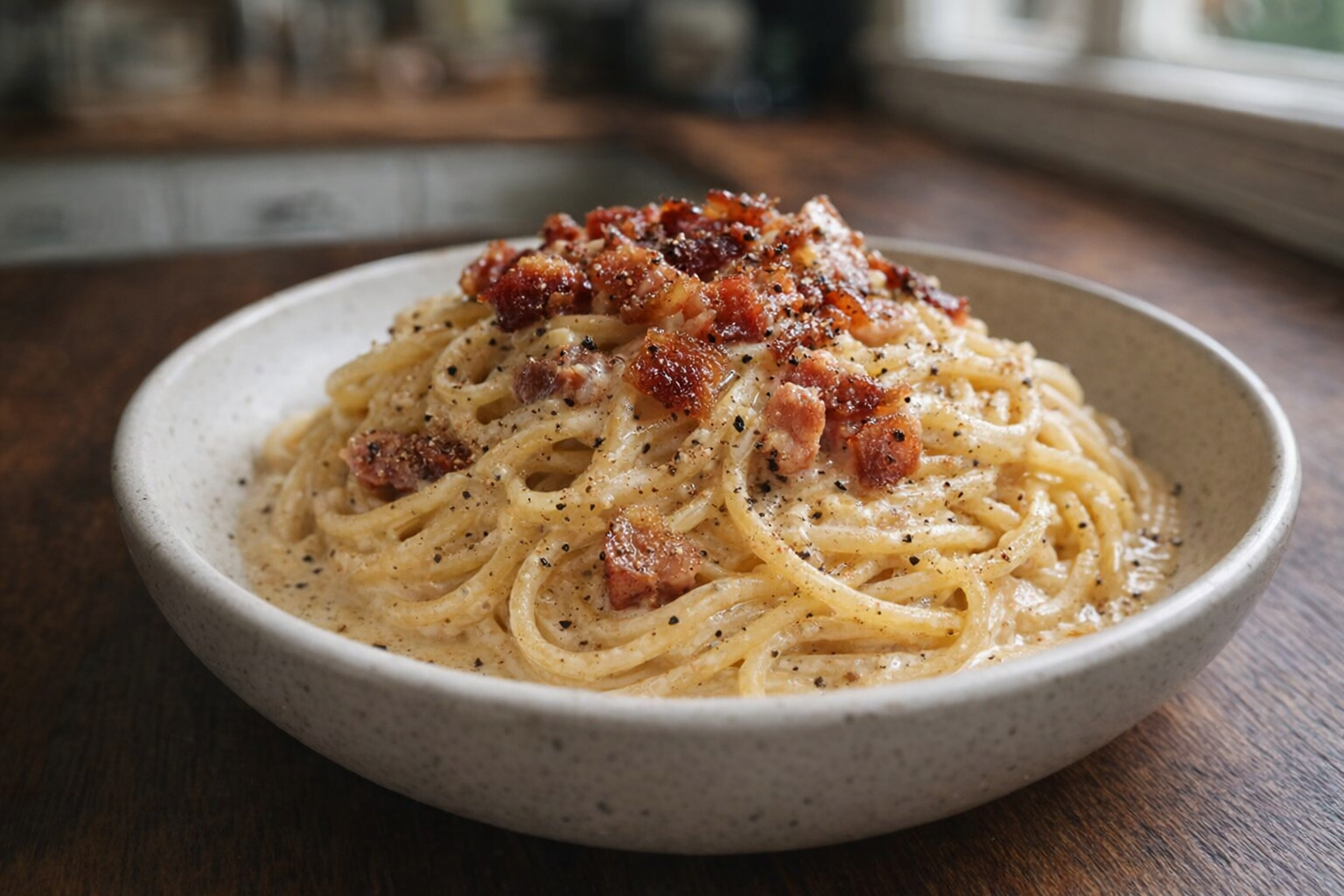
Egg yolks are the powerhouse of flavor and richness in many dishes. When separating eggs, ensure no traces of egg white contaminate the yolks, as this can affect the final texture of your sauce. For the best carbonara, use high-quality, fresh eggs. The yolks should be a vibrant orange color, indicating freshness and quality. Farm-fresh eggs often have deeper colored yolks, which will translate to an even richer and more visually appealing sauce.
Why Cook Carbonara This Way?
- Versatility: This method adapts well to different types of pasta, from spaghetti to rigatoni.
- Flavor: Using only egg yolks intensifies the richness and creates a more decadent flavor profile.
- Convenience: Perfect for utilizing leftover egg yolks after making recipes that only require egg whites.
Preparation (Mise en Place)
Before you begin cooking, ensure all your ingredients are prepped and ready to go. This dish comes together quickly, so having everything at hand is crucial.
- Pasta: Cook your pasta according to package directions until al dente. Reserve about 1 cup of pasta water before draining. The starch in this water is essential for emulsifying the sauce.
- Pork: Dice your guanciale or pancetta into small, even pieces. This ensures they cook evenly and render their fat properly.
- Cheese: Grate both Pecorino Romano and Parmigiano-Reggiano cheese finely. Combining these cheeses adds a complex, nutty flavor to the sauce.
- Egg Yolks: Separate your egg yolks carefully, ensuring no traces of egg white remain.
Essential Tools
- Large Pot: For cooking the pasta.
- Large Skillet: A 12-inch skillet is ideal for tossing the pasta with the sauce. We use a stainless steel skillet to help render the fat evenly.
- Whisk: For emulsifying the sauce.
- Tongs: For tossing the pasta.
The Cooking Method: Decadent Egg Yolk Carbonara
Ingredients:
- 8 ounces (225g) spaghetti
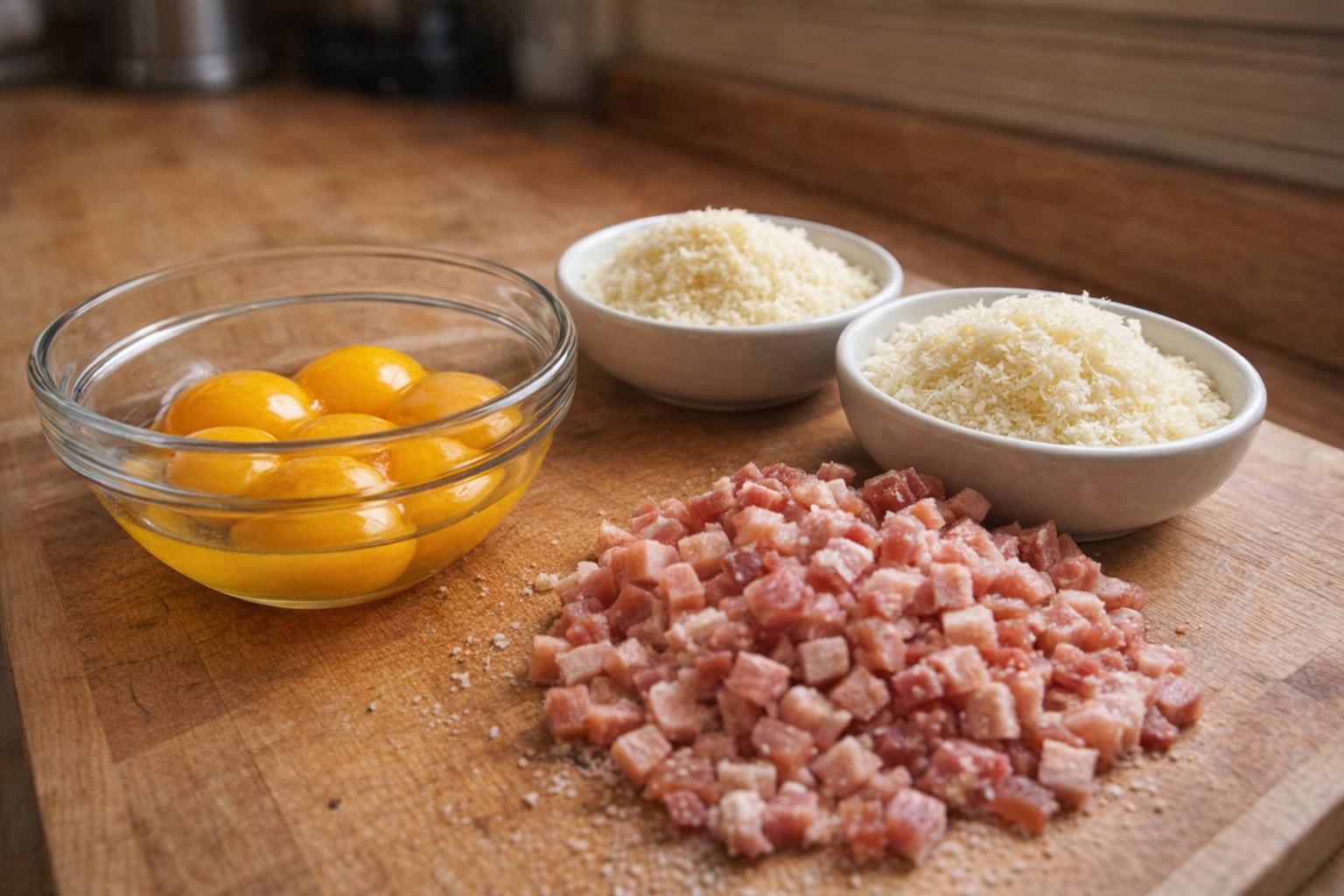
- 4 ounces (115g) guanciale or pancetta, diced
- 4 large egg yolks
- 1 whole large egg
- 1 cup (100g) grated Pecorino Romano cheese, plus more for serving
- 1/2 cup (50g) grated Parmigiano-Reggiano cheese, plus more for serving
- Freshly ground black pepper, to taste
- Salt, to taste
- 1 cup reserved pasta water
Instructions:
- Cook the Pasta: Bring a large pot of salted water to a boil. Add the spaghetti and cook until al dente, according to package directions. Reserve 1 cup of pasta water before draining. Drain the pasta and set aside.
- Render the Pork: While the pasta is cooking, place the diced guanciale or pancetta in a cold 12-inch skillet over medium heat. Cook, stirring occasionally, until the pork is crispy and the fat has rendered, about 8-10 minutes. Remove the crispy pork from the skillet with a slotted spoon and set aside, leaving the rendered fat in the pan.
- Prepare the Sauce: In a medium bowl, whisk together the egg yolks, whole egg, Pecorino Romano cheese, Parmigiano-Reggiano cheese, and a generous amount of freshly ground black pepper.
- Combine and Emulsify: Add the drained pasta to the skillet with the rendered pork fat. Toss to coat the pasta in the fat. Remove the skillet from the heat.
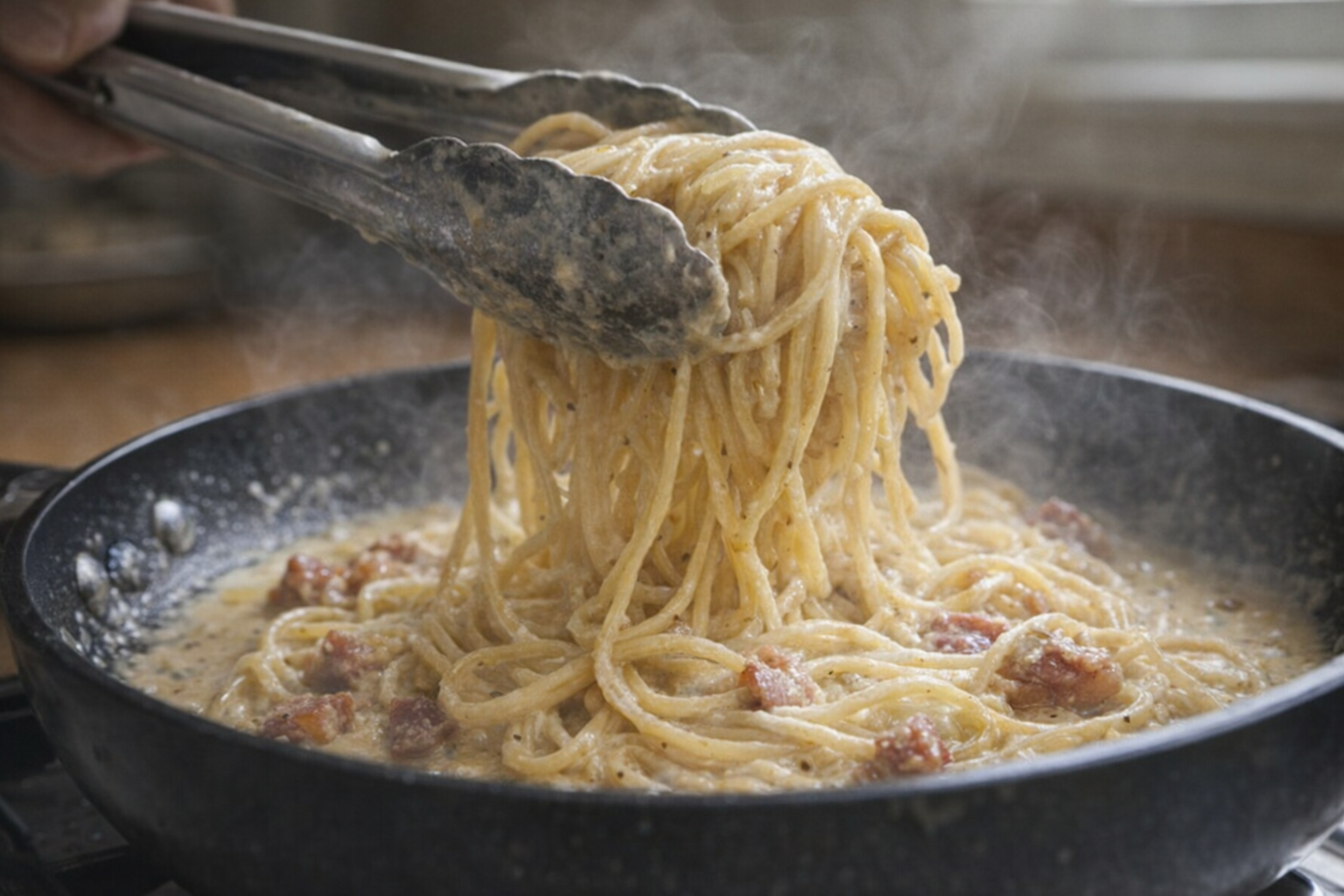
- Emulsify the Sauce: Immediately pour the egg yolk mixture over the hot pasta. Using tongs, toss the pasta vigorously and continuously to coat every strand. Gradually add the reserved pasta water, a little at a time, while continuing to toss, until the sauce becomes creamy and coats the pasta evenly. The heat from the pasta and the starch in the pasta water will cook the eggs and create a smooth, emulsified sauce. Be careful not to add too much water at once, as this can make the sauce too thin. Listen for the sound of the sauce thickening as you toss.
- Serve: Divide the carbonara among serving bowls. Top with the crispy guanciale or pancetta, extra grated Pecorino Romano cheese, and a generous grind of black pepper. Serve immediately.
Cooking Time & Doneness Guide:
- Pasta: 8-10 minutes, until al dente.
- Pork: 8-10 minutes, until crispy.
- Sauce Emulsification: 2-3 minutes, until creamy and coats the pasta.
Visual Cues
The sauce should be thick enough to cling to the pasta but not so thick that it clumps. It should have a glossy, emulsified appearance. The eggs should be cooked through from the residual heat of the pasta and pasta water, but not scrambled.
Tips for Perfection:
- Tempering the Eggs: Removing the skillet from the heat before adding the egg mixture is crucial to prevent the eggs from scrambling. The residual heat from the pasta and the pasta water is sufficient to cook the eggs gently.
- Pasta Water is Key: The starch in the pasta water is essential for creating a creamy, emulsified sauce. Don't skip this step!
- Work Quickly: Once the pasta is drained, work quickly to toss it with the pork fat and emulsify the sauce. The heat from the pasta is essential for cooking the eggs properly.
- Quality Ingredients: Use high-quality eggs, cheese, and guanciale or pancetta for the best flavor.
Storage & Reheating:
Carbonara is best enjoyed fresh, but leftovers can be stored in an airtight container in the refrigerator for up to 2 days. To reheat, gently warm the carbonara in a skillet over low heat, adding a splash of milk or cream to loosen the sauce if needed. Be careful not to overcook the eggs.
Serving Suggestions:
- Classic Carbonara: Serve as a main course with a simple side salad.
- Carbonara Pizza: Top a pizza crust with carbonara sauce, crispy pancetta, and grated cheese.
- Carbonara Frittata: Whisk the carbonara with eggs and bake in a skillet for a hearty frittata.
- Carbonara Croquettes: Form the carbonara into small balls, coat in breadcrumbs, and deep-fry for a crispy appetizer.
💡 Pro Tips
- Use high-quality, fresh eggs for the best flavor and texture. The yolks should be a vibrant orange color.
- Don't be afraid to add a generous amount of freshly ground black pepper to the sauce. It complements the richness of the eggs and cheese.
- Listen for the sound of the sauce thickening as you toss the pasta with the egg mixture and pasta water. This is a good indicator of when the sauce is properly emulsified.
- If the sauce seems too thick, add a little more pasta water, a tablespoon at a time, until you reach your desired consistency.
- Serve the carbonara immediately after making it for the best flavor and texture.
Frequently Asked Questions
While guanciale or pancetta are traditional for their unique flavor and fat content, bacon can be used as a substitute in a pinch. Choose a thick-cut bacon and render the fat slowly to achieve a similar crispy texture. Be mindful that bacon will impart a smokier flavor to the dish.
The key is to remove the skillet from the heat before adding the egg mixture. The residual heat from the pasta and pasta water will gently cook the eggs and create a creamy sauce. Also, ensure the pasta is well-coated in the rendered pork fat before adding the egg mixture, as this helps to insulate the eggs from direct heat.
Carbonara is best enjoyed fresh, but leftovers can be stored in an airtight container in the refrigerator for up to 2 days. To reheat, gently warm the carbonara in a skillet over low heat, adding a splash of milk or cream to loosen the sauce if needed. Avoid overheating, as this can cause the eggs to overcook.
While Pecorino Romano adds a salty, sharp flavor that is characteristic of carbonara, you can use all Parmigiano-Reggiano if needed. However, you may want to add a pinch more salt to compensate for the lack of Pecorino Romano's saltiness.

/thumbs/boiled-crab-legs-49xyz.png)