 delishing
How to Cook Scallops on the Stove: A Professional Guide

Scallops, with their subtly sweet flavor and delicate, yielding texture, are a true culinary treasure. Mastering the art of cooking scallops on the stove unlocks a world of elegant dishes, from simple seared appetizers to sophisticated pasta entrees. The key to success lies in understanding the nuances of this prized ingredient and employing precise techniques to coax out its natural flavors.
This guide demystifies the process, providing you with the knowledge and skills to consistently cook scallops to perfection. We'll explore optimal preparation methods, various cooking techniques, and essential tips to ensure your scallops are always tender, succulent, and bursting with flavor.
Understanding Scallops: Choosing the Right Variety
The world of scallops offers a delightful array of options, each with its own unique characteristics. Understanding the different types is crucial for selecting the best scallops for your culinary creation.
- Sea Scallops: These are the larger of the two most common varieties, typically measuring 1.5 to 2 inches in diameter. They offer a meaty texture and a rich, sweet flavor that makes them ideal for searing, grilling, and pan-roasting.
- Bay Scallops: Smaller and more delicate, bay scallops are typically about 0.5 inches in diameter. Their mild, sweet flavor and tender texture make them excellent for salads, pasta dishes, and quick sautés.
- "Dry" vs. "Wet" Scallops: This distinction is vital. "Dry" scallops are natural and haven't been treated with phosphates, which cause them to absorb water. "Wet" scallops, on the other hand, have been treated and will not sear properly, instead steaming and becoming rubbery. Always look for "dry" scallops for the best flavor and texture.
Why Cook Scallops This Way?
- Versatility: From simple appetizers to elegant main courses, perfectly seared scallops can be incorporated into countless dishes.
- Flavor: Pan searing enhances the natural sweetness of the scallops, creating a caramelized crust that complements their delicate flavor.
- Convenience: Cooking scallops on the stove is a quick and straightforward method that requires minimal equipment and time.
Preparation (Mise en Place)
Before you even think about turning on the stove, proper preparation is paramount. This ensures even cooking and maximizes the scallop's natural sweetness.
- Thawing (if using frozen): Place frozen scallops in a colander set inside a bowl in the refrigerator overnight. This allows them to thaw slowly and excess moisture to drain away. Never microwave to thaw, as it will negatively affect the texture.
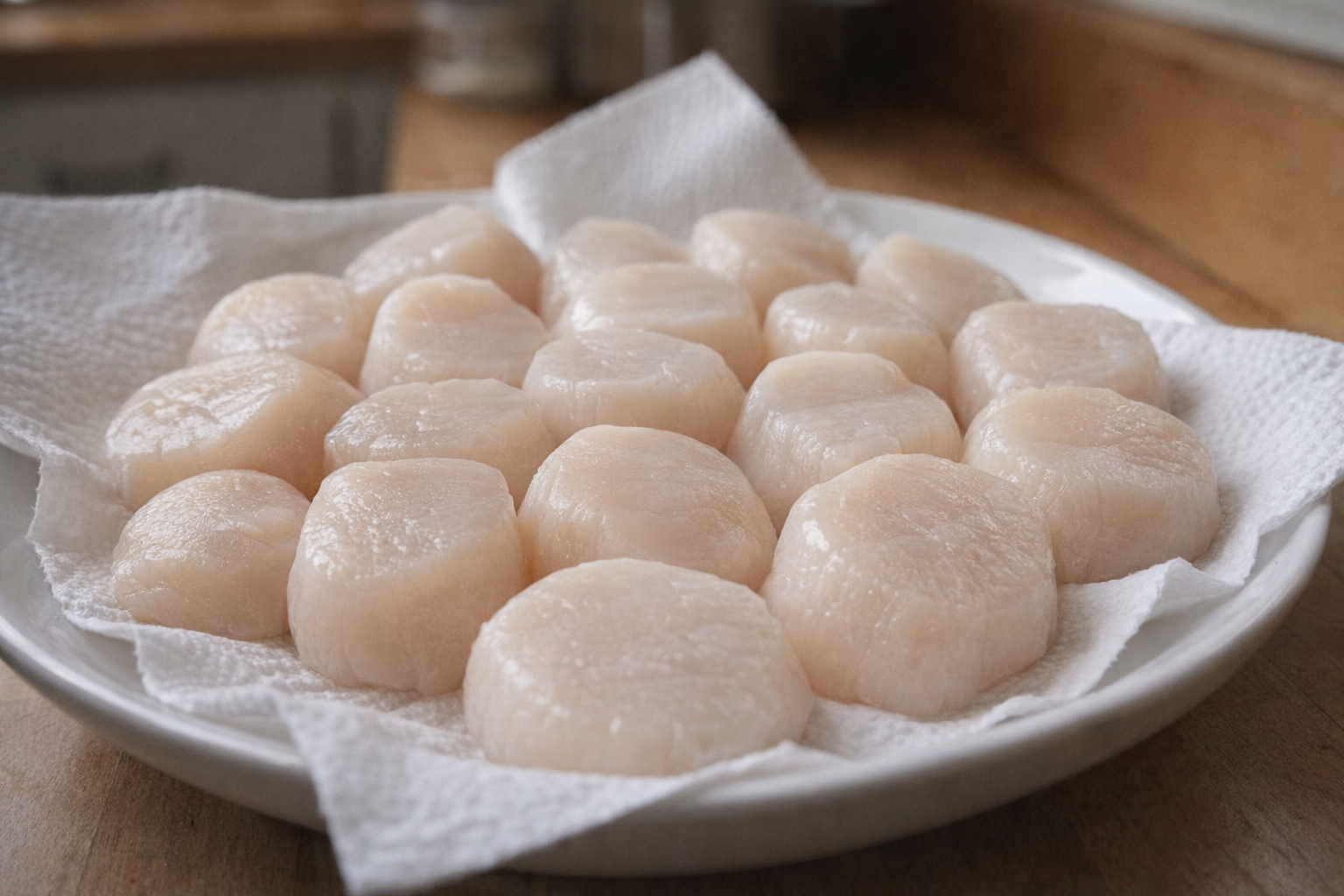
- Rinsing and Drying: Gently rinse the scallops under cold water to remove any remaining sand or debris. Pat them completely dry with paper towels. This is crucial for achieving a good sear. Moisture is the enemy!
- Removing the Side Muscle (optional): Some scallops have a small, tough side muscle. Locate it and gently peel it away with your fingers or a paring knife.
Essential Tools
- Heavy-Bottomed Skillet: A stainless steel or cast-iron skillet is ideal for even heat distribution and optimal searing. We use cast iron for its superior heat retention.
- Paper Towels: Essential for thoroughly drying the scallops.
- Tongs: For gently handling the scallops during cooking.
The Cooking Method
We will focus on the classic pan-searing method, perfect for showcasing the scallop's natural flavor and achieving a beautiful golden crust.
Pan-Seared Scallops
Ingredients:
- 1 pound "dry" sea scallops (about 16-20 scallops), patted completely dry
- 2 tablespoons high-heat oil (such as avocado or grapeseed oil)
- 2 tablespoons unsalted butter
- Kosher salt and freshly ground black pepper, to taste
- 1 clove garlic, minced (optional)
- 1 tablespoon fresh lemon juice
- Fresh parsley, chopped, for garnish
- Heat the Skillet: Place the skillet over medium-high heat. Allow it to heat for 2-3 minutes until it is very hot. A drop of water should sizzle and evaporate almost immediately.
- Add Oil and Butter: Add the oil to the hot skillet, swirling to coat the bottom. Then, add the butter. It should melt quickly and shimmer.
- Season the Scallops: While the skillet is heating, season the scallops generously with salt and pepper.
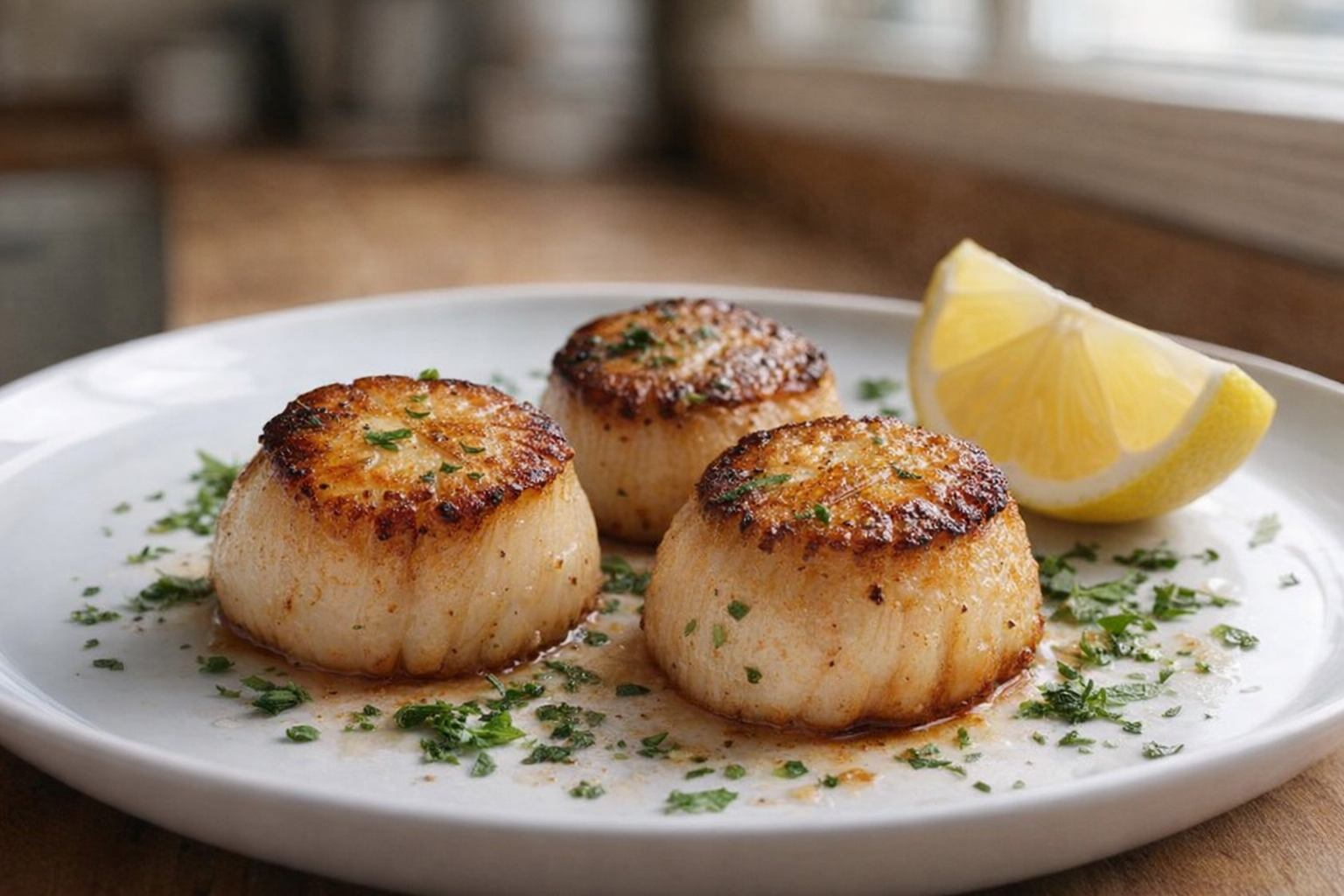
- Sear the Scallops: Carefully place the scallops in the hot skillet, leaving space between each one to avoid overcrowding. Sear for 2-3 minutes, undisturbed, until a golden-brown crust forms. You should hear a vigorous sizzle.
- Flip and Cook: Using tongs, gently flip the scallops and cook for another 1-2 minutes, until they are opaque and slightly firm to the touch. If using garlic, add it to the pan in the last minute of cooking.
- Finish with Lemon Juice: Remove the skillet from the heat and stir in the lemon juice. This will deglaze the pan and add a bright, acidic touch.
- Serve: Transfer the scallops to a serving plate and garnish with fresh parsley.

Cooking Time & Doneness Guide
- Total Cooking Time: Approximately 4-6 minutes.
- Internal Temperature: The internal temperature should reach 120-125°F (49-52°C).
Visual Cues
- The scallops should be opaque throughout, with a slight translucence at the very center.
- They should be firm to the touch but still slightly yielding. Overcooked scallops will be rubbery.
Tips for Perfection
- Don't Overcrowd the Pan: Cook the scallops in batches to maintain the heat and ensure proper searing.
- Use High Heat: A hot skillet is essential for achieving a good sear.
- Don't Overcook: Scallops cook quickly, so keep a close eye on them to avoid a rubbery texture.
- Pat Dry, Pat Dry, Pat Dry: We can't stress this enough.
Storage & Reheating
- Storage: Store cooked scallops in an airtight container in the refrigerator for up to 2 days.
- Reheating: The best way to reheat scallops is gently in a skillet over low heat with a little butter or oil. Avoid microwaving, as it can make them tough.
Serving Suggestions
- Scallops with Lemon-Butter Pasta: Toss seared scallops with your favorite pasta and a simple lemon-butter sauce.
- Scallop Tacos: Serve seared scallops in warm tortillas with slaw, avocado, and a spicy mayo.
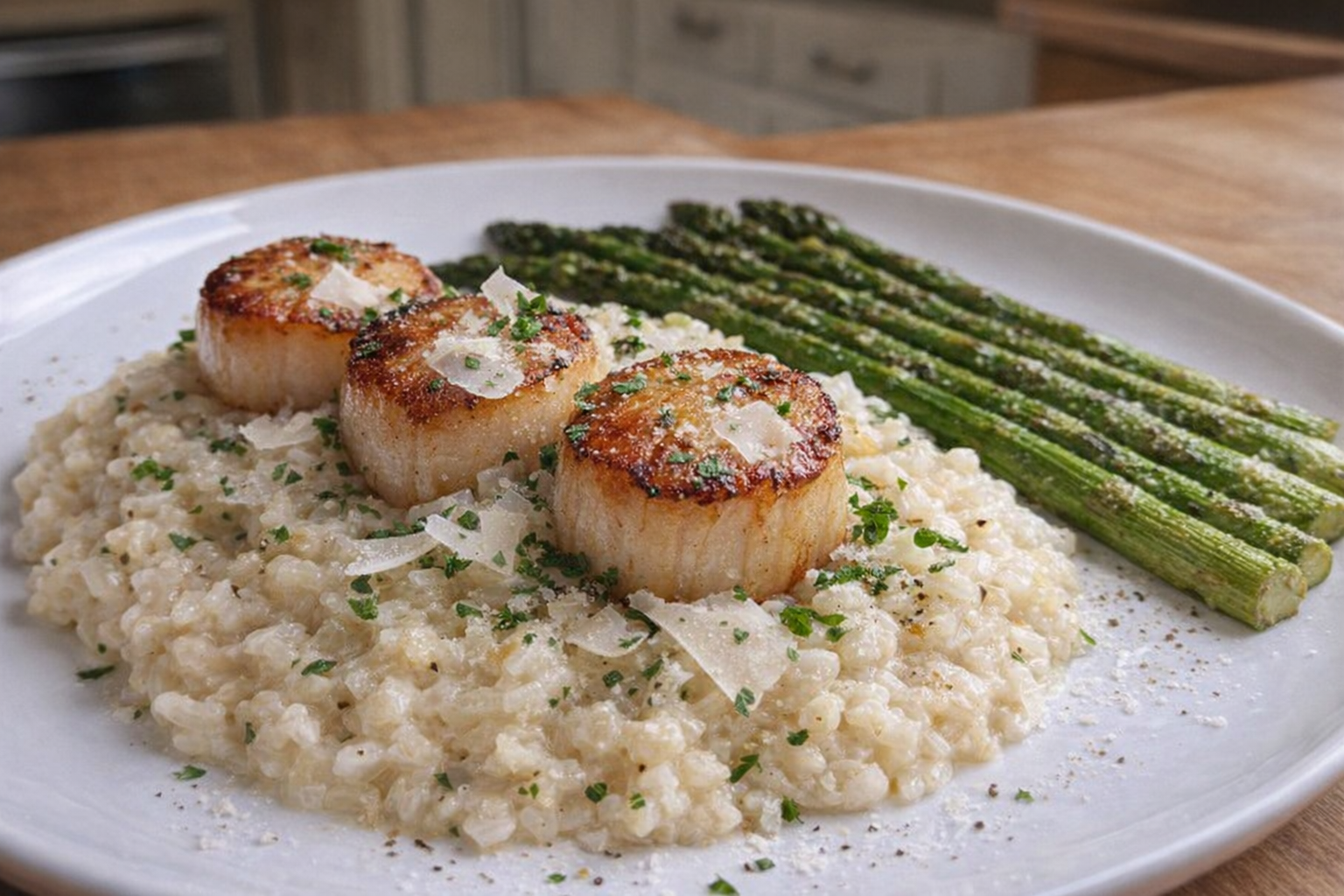
- Scallop Risotto: Add seared scallops to a creamy risotto for an elegant and flavorful dish.
- Scallops with Roasted Vegetables: Pair seared scallops with roasted asparagus, Brussels sprouts, or other seasonal vegetables.
💡 Pro Tips
- Pat the scallops thoroughly dry with paper towels to ensure a golden-brown crust instead of steaming them.
- Use a high-smoke-point oil like grapeseed or avocado oil and wait until the pan is just starting to smoke before adding the scallops.
- Remove the small, tough side muscle from each scallop by hand to ensure a uniformly tender texture in every bite.
- Space the scallops at least one inch apart in the pan to prevent the temperature from dropping and trapping excess moisture.
- Sear the first side for two minutes to develop a deep crust, then flip and cook for only one additional minute to keep the center succulent.
Frequently Asked Questions
Unfortunately, it can be difficult to tell just by looking. Ask your fishmonger or seafood vendor directly if the scallops are 'dry' and haven't been treated with phosphates. If they can't confirm, it's best to err on the side of caution and choose scallops from a trusted source.
While sea scallops are ideal for searing, you can use bay scallops, but adjust the cooking time significantly. Bay scallops cook very quickly, so reduce the searing time to just a minute or two per side, being careful not to overcook them. They're best suited for dishes where they are gently warmed through rather than heavily seared.
Raw scallops are highly perishable and should be cooked as soon as possible after purchasing. Ideally, cook them the same day. If you must store them, keep them in the coldest part of your refrigerator, well-covered, and use them within 1-2 days for optimal quality and safety.
This is a sign that your scallops might be 'wet' (treated with phosphates), or that they weren't dried properly before searing. Pat the scallops very dry with paper towels before cooking, and ensure your pan is hot enough before adding the scallops so they sear instead of steam.