 delishing
How To Bake Mahi Mahi Fish In The Oven

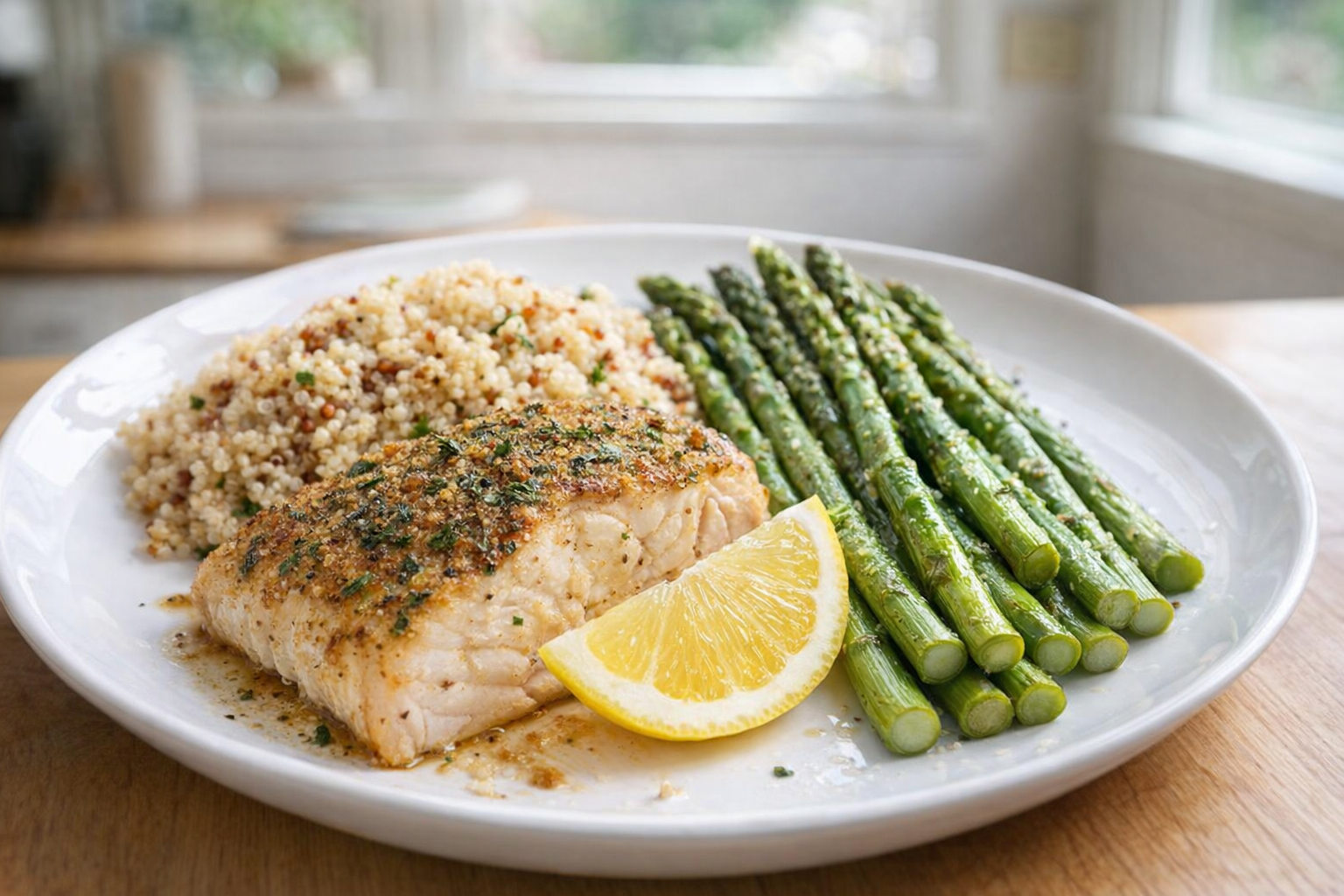
Baked mahi mahi is a light and flavorful dish that's perfect for a quick weeknight meal or a sophisticated dinner party. The mild, slightly sweet taste of the fish pairs beautifully with a variety of seasonings and sauces, making it a versatile choice for any palate. Baking the fish in the oven ensures even cooking and a moist, flaky texture, highlighting the natural flavors of the mahi mahi.
This method of cooking mahi mahi preserves its delicate texture and allows for maximum flavor absorption from marinades and seasonings. The consistent heat of the oven cooks the fish gently, preventing it from drying out, which is a common problem with other cooking methods. Plus, baking is a hands-off approach, allowing you to focus on preparing side dishes or simply relax while dinner cooks itself.
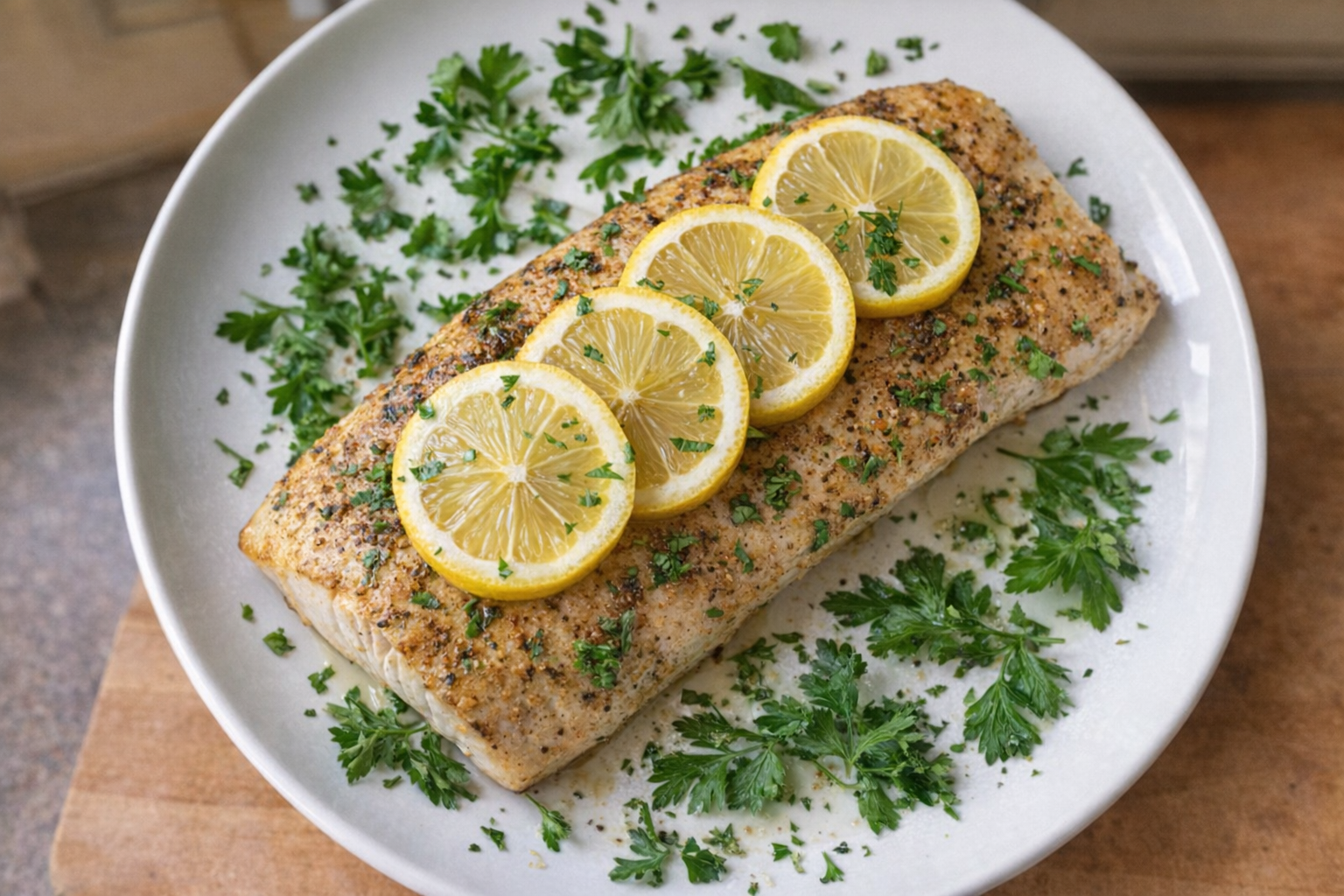
Understanding Mahi Mahi
Mahi mahi, also known as dolphinfish (though it's not related to dolphins), is a lean, firm-textured fish with a mild, slightly sweet flavor. It's a popular choice for its versatility and nutritional value. When buying mahi mahi, you'll typically find it in fillet form, either fresh or frozen.
Why Cook Mahi Mahi This Way?
- Versatility: Mahi mahi takes well to a variety of flavors, from simple lemon and herbs to bolder spices and marinades.
- Flavor: Baking allows the natural sweetness of the mahi mahi to shine through, complemented by the flavors of your chosen seasonings.
- Convenience: Baking is a hands-off cooking method, freeing you up to focus on other tasks while the fish cooks.
Preparation (Mise en Place)
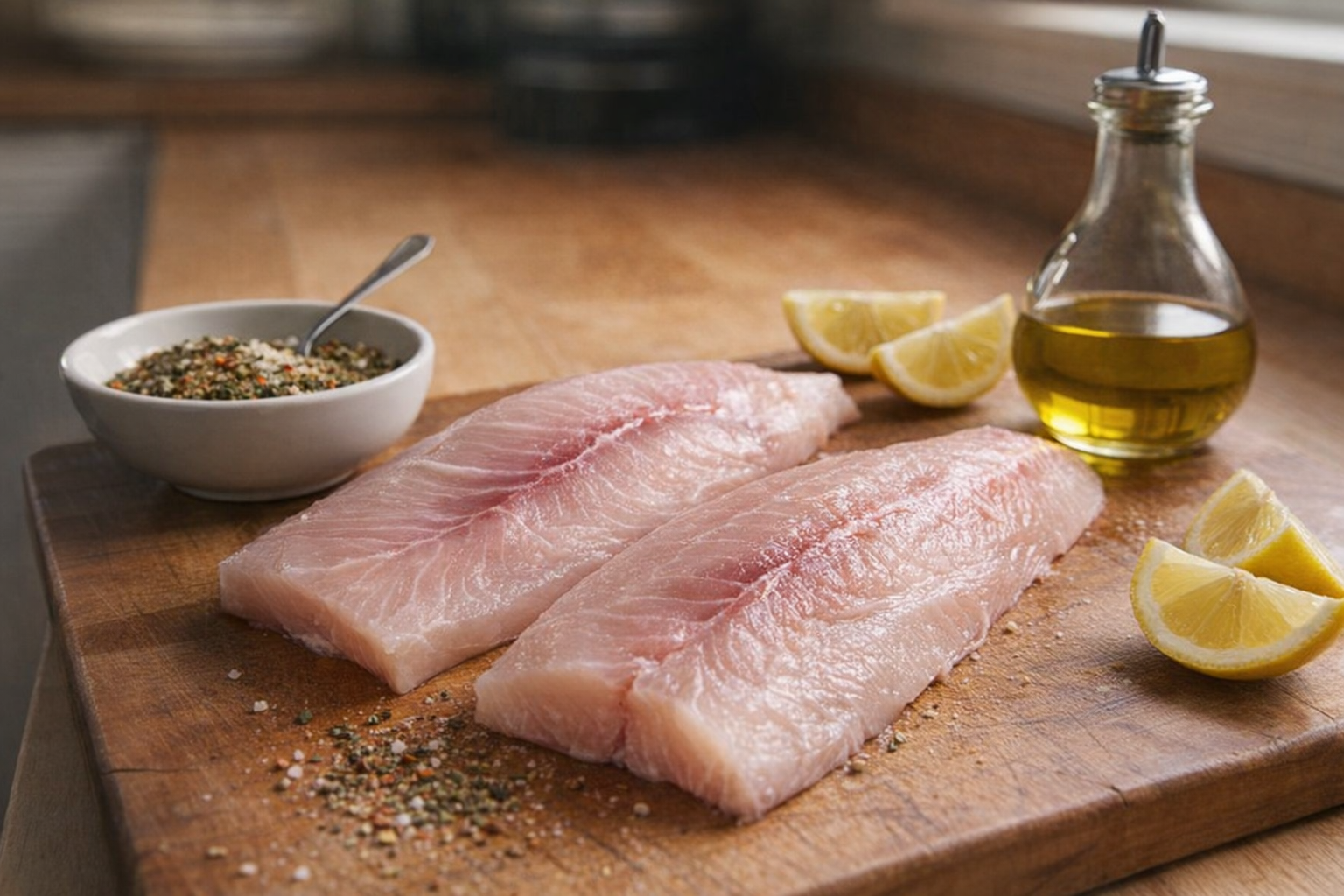
- Thawing (if frozen): If using frozen mahi mahi, thaw it in the refrigerator overnight or in a cold water bath for about 30-60 minutes, changing the water every 15 minutes. Ensure the fish is fully thawed before cooking.
- Patting Dry: Use paper towels to pat the mahi mahi fillets completely dry. This step is crucial for achieving a nice sear and preventing the fish from steaming in the oven.
- Checking for Bones: Although mahi mahi fillets are typically boneless, run your fingers along the surface of the fish to check for any stray bones. Remove them with tweezers if necessary.
- Baking Sheet: A standard baking sheet is essential for baking the mahi mahi fillets. Choose one with a rim to prevent any juices from spilling in the oven.
- Parchment Paper or Aluminum Foil: Lining the baking sheet with parchment paper or aluminum foil makes cleanup easier and prevents the fish from sticking.
- Small Bowl: For mixing your seasonings.
- Pastry Brush or Spoon: For applying oil and seasonings to the fish.
The Cooking Method(s)
Baking with Lemon and Herbs
Ingredients:- 4 Mahi Mahi fillets (6-8 ounces each)
- 2 tablespoons olive oil (30ml)
- 2 cloves garlic, minced
- 1 tablespoon lemon juice (15ml)
- 1 teaspoon dried herbs (such as thyme, oregano, or Italian blend) (5ml)
- Salt and pepper to taste
- Lemon slices for garnish
- Preheat the oven to 400°F (200°C).
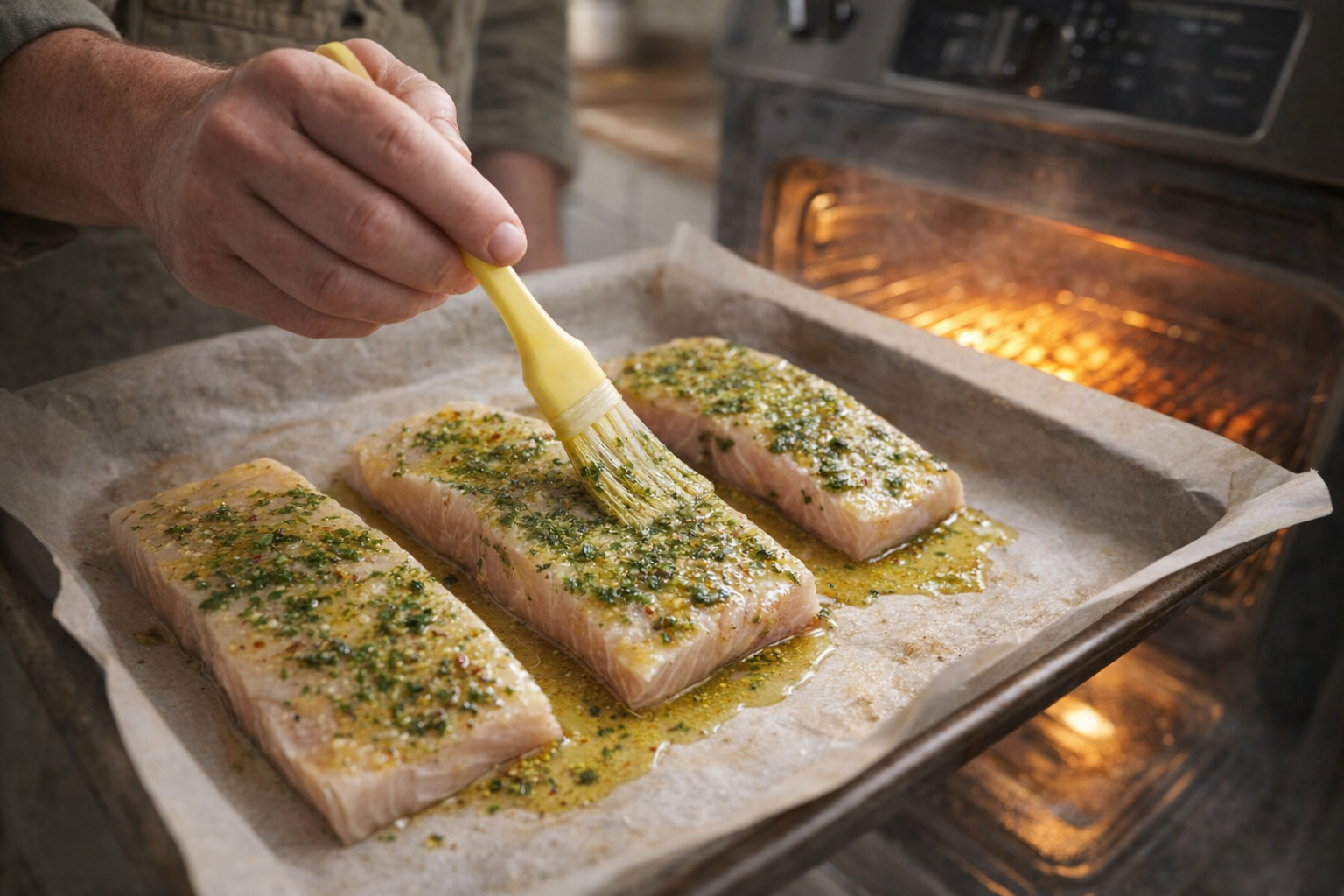
- Line a baking sheet with parchment paper.
- In a small bowl, whisk together the olive oil, minced garlic, lemon juice, dried herbs, salt, and pepper. The aroma of garlic and herbs will begin to fill the air, hinting at the flavors to come.
- Place the mahi mahi fillets on the prepared baking sheet.
- Brush the olive oil mixture evenly over the fillets, ensuring they are well-coated.
- Bake for 12-15 minutes, or until the fish is opaque and flakes easily with a fork. As the fish bakes, you'll notice the edges turning a delicate golden color.
- Garnish with lemon slices before serving.
Cooking Time & Doneness Guide
- Cooking Time: 12-15 minutes at 400°F (200°C)
- Internal Temperature: The internal temperature of cooked mahi mahi should reach 145°F (63°C). Use a meat thermometer to check the temperature at the thickest part of the fillet.
- Opaque Appearance: The fish should be opaque throughout, with no translucent areas.
- Flaking: The fish should flake easily when gently pressed with a fork.
- Slight Firmness: The fish should feel slightly firm to the touch, not rubbery or mushy.
Tips for Perfection
- Don't Overcook: Mahi mahi can dry out quickly if overcooked. Check for doneness frequently and remove from the oven as soon as it's cooked through.
- Use Fresh Ingredients: Fresh herbs and lemon juice will enhance the flavor of the dish.
- Season Generously: Don't be afraid to season the fish generously with salt, pepper, and other herbs and spices.
- Pat Dry Thoroughly: Removing excess moisture from the fish before baking will help it brown better and prevent it from steaming.
Storage & Reheating
- Storage: Store leftover baked mahi mahi in an airtight container in the refrigerator for up to 3 days.
- Reheating: Reheat the fish gently in the oven at 300°F (150°C) for about 10-15 minutes, or until heated through. You can also reheat it in a skillet over low heat with a little oil or butter. Avoid microwaving, as it can dry out the fish.
Serving Suggestions
- Lemon Butter Sauce: Drizzle the baked mahi mahi with a simple lemon butter sauce for added richness and flavor.
- Quinoa and Roasted Vegetables: Serve the fish with a side of quinoa and roasted vegetables for a healthy and satisfying meal.
- Tacos: Flake the baked mahi mahi and use it as a filling for fish tacos, topped with slaw, salsa, and avocado.
- Salad: Serve the baked mahi mahi over a bed of mixed greens with a light vinaigrette for a refreshing and light meal.
💡 Pro Tips
- Pat the mahi mahi fillets completely dry with paper towels before seasoning to ensure the spices stick and the fish roasts rather than steams.
- Use an instant-read meat thermometer to remove the fish from the oven once it reaches an internal temperature of 145°F to prevent overcooking.
- If your fillets vary in thickness, tuck the thinner tail ends under themselves to create a uniform shape for even cooking throughout the pan.
- Brush the fillets generously with olive oil or melted butter before adding dry rubs to help lock in moisture and develop a better flavor profile.
- Allow the baked mahi mahi to rest for three minutes after cooking so the juices can redistribute, ensuring every bite remains tender and succulent.
Frequently Asked Questions
The mahi mahi is done when it flakes easily with a fork. You can also check the internal temperature with a meat thermometer; it should reach 145°F (63°C).
Yes, other firm, white fish like cod, snapper, or grouper would work well as a substitute for mahi mahi. Adjust the cooking time slightly depending on the thickness of the fillet.
Leftover baked mahi mahi can be stored in an airtight container in the refrigerator for up to 3 days. Reheat gently in the oven or microwave until warmed through.
If the fish is releasing a lot of water, try increasing the oven temperature slightly for the last few minutes of cooking. You can also broil it for a minute or two to help evaporate the excess moisture, but watch it closely to prevent burning.