 delishing
How to Cook Crispy Skin Salmon on the Stove

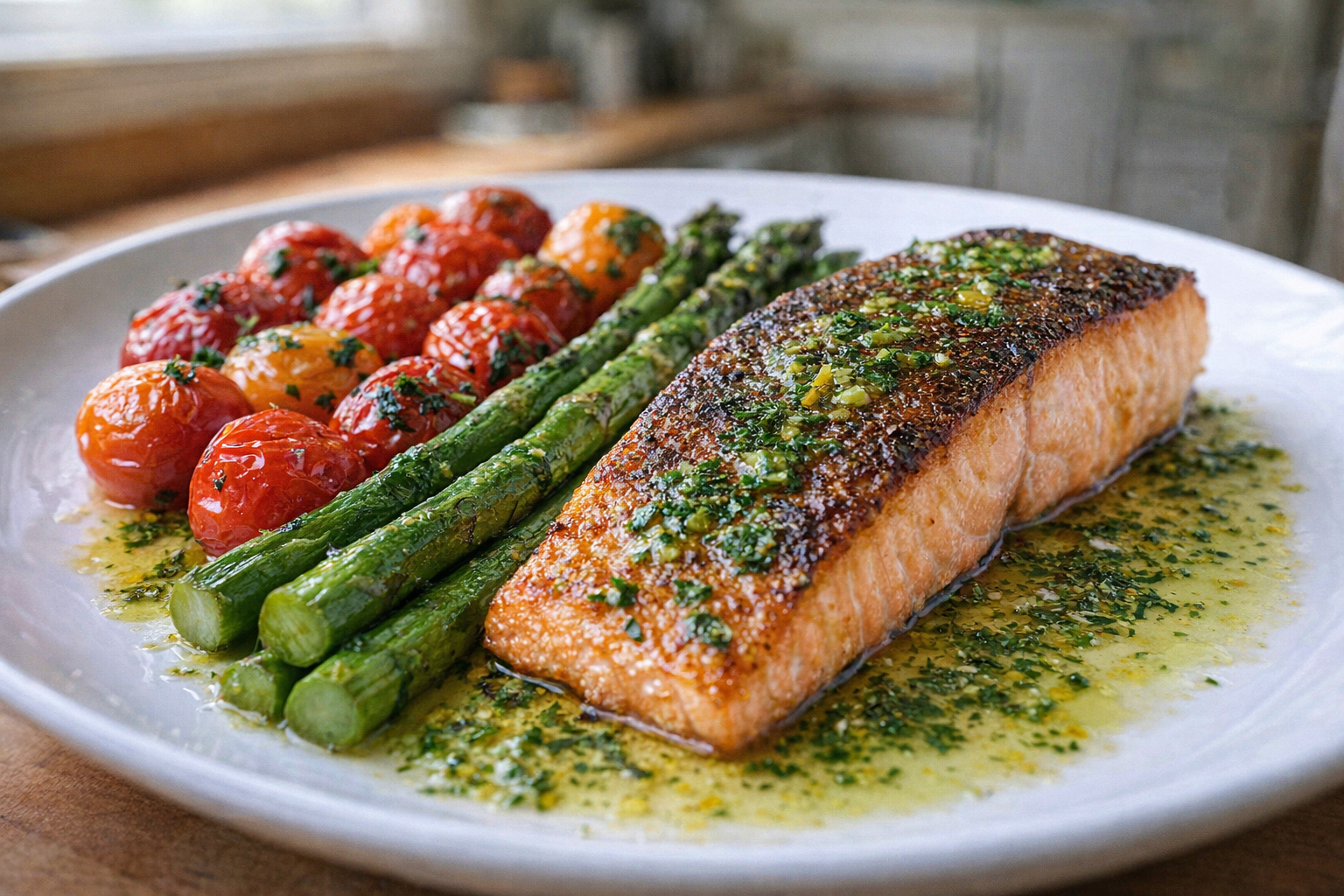
Salmon, prized for its omega-3 fatty acids and delicate, yet rich flavor, becomes a culinary masterpiece when cooked skin-side down to crispy perfection. The contrast between the crackling skin and the succulent, flaky flesh provides a delightful textural and flavor experience. This guide will equip you with the knowledge to consistently achieve perfectly crispy salmon skin on your stovetop.
The key to this method lies in managing heat, moisture, and pressure. A hot pan, dry skin, and gentle pressure to ensure even contact are crucial for rendering the fat and creating that coveted crispiness. When executed correctly, this method transforms a simple ingredient into a restaurant-worthy dish.
Understanding Salmon Cuts
Navigating the world of salmon can be overwhelming, but understanding the different cuts will ensure you select the best option for crispy skin cooking. Consider these varieties:
- Atlantic Salmon (Farm-Raised): A readily available and often more affordable option. Look for fillets with good marbling and a vibrant color. Farm-raised salmon tends to have a higher fat content, which contributes to crispy skin.
- Sockeye Salmon (Wild-Caught): Known for its deep red color and robust flavor. Sockeye has a lower fat content than Atlantic salmon, so careful cooking is crucial to prevent dryness.
- King Salmon (Wild-Caught): The most prized salmon, boasting a rich, buttery flavor and high fat content. Its higher price reflects its superior quality. Excellent for crispy skin preparations.
- Coho Salmon (Wild-Caught): A more moderately flavored option with a firmer texture. A good middle-ground choice if King Salmon is unavailable.
Why Cook Salmon This Way?
- Flavor: The high heat sears the skin, developing complex, nutty flavors that complement the salmon's natural richness.
- Texture: Crispy skin provides a delightful contrast to the tender, flaky flesh.
- Versatility: This method works well with various seasonings and sauces, allowing for endless flavor combinations.
- Convenience: Stovetop cooking is quick and efficient, making it ideal for weeknight meals.
Preparation (Mise en Place)
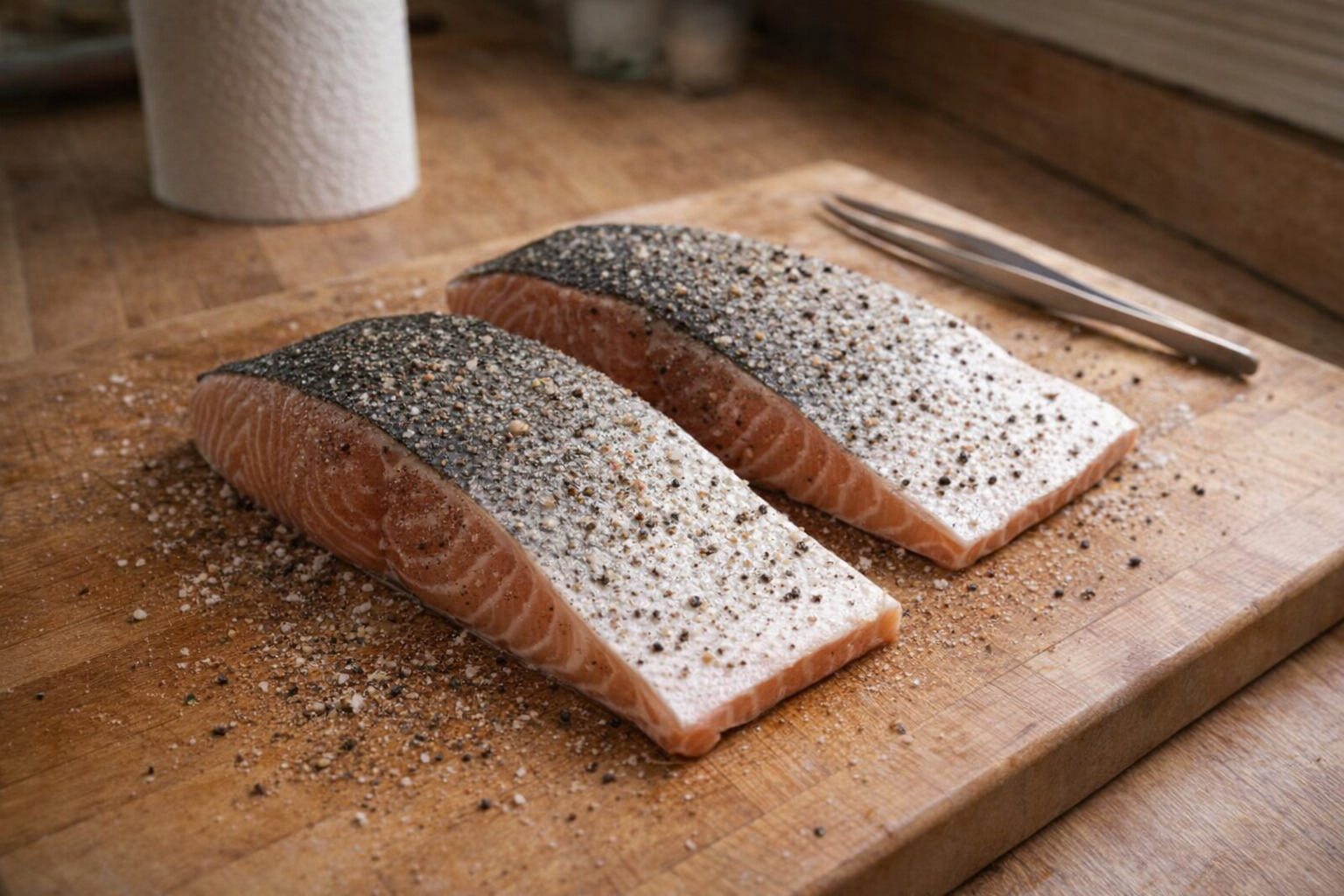
- Thawing: If using frozen salmon, thaw it overnight in the refrigerator. Do not thaw at room temperature. Pat the salmon dry with paper towels to remove excess moisture. This is critical for achieving crispy skin.
- Pin Bone Removal: Run your fingers along the surface of the fillet to feel for any remaining pin bones. Use tweezers or pliers to gently pull them out at an angle.
- Scoring (Optional): Lightly score the skin with a sharp knife in a crosshatch pattern. This can help to prevent the skin from curling during cooking and promotes even crisping.
- Seasoning: Generously season the skin side with coarse sea salt. The salt will draw out moisture and enhance the crisping process. Season the flesh side with salt and freshly ground black pepper.
Essential Tools
- Heavy-Bottomed Skillet: A stainless steel or cast iron skillet is ideal for even heat distribution. Avoid using a non-stick skillet, as it may not get hot enough to achieve optimal crisping.
- Fish Spatula: A thin, flexible spatula is essential for flipping the salmon without damaging the delicate flesh or skin.
- Paper Towels: For patting the salmon dry.
- Tongs: For handling the salmon.
- Instant-Read Thermometer: To ensure the salmon is cooked to the correct internal temperature.
The Cooking Method
Method 1: Classic Crispy Skin Salmon
This method focuses on achieving maximum crispiness on the skin while maintaining a moist and tender interior.
Ingredients
- 2 (6-8 ounce) salmon fillets, skin on
- 1 tablespoon olive oil or avocado oil
- Coarse sea salt, to taste
- Freshly ground black pepper, to taste
Instructions
- Preheat the Skillet: Place the skillet over medium-high heat. Allow the skillet to heat up for several minutes until it is very hot. A properly heated skillet is crucial for achieving crispy skin.
- Add the Oil: Add the olive oil or avocado oil to the hot skillet. The oil should shimmer and spread evenly across the surface.
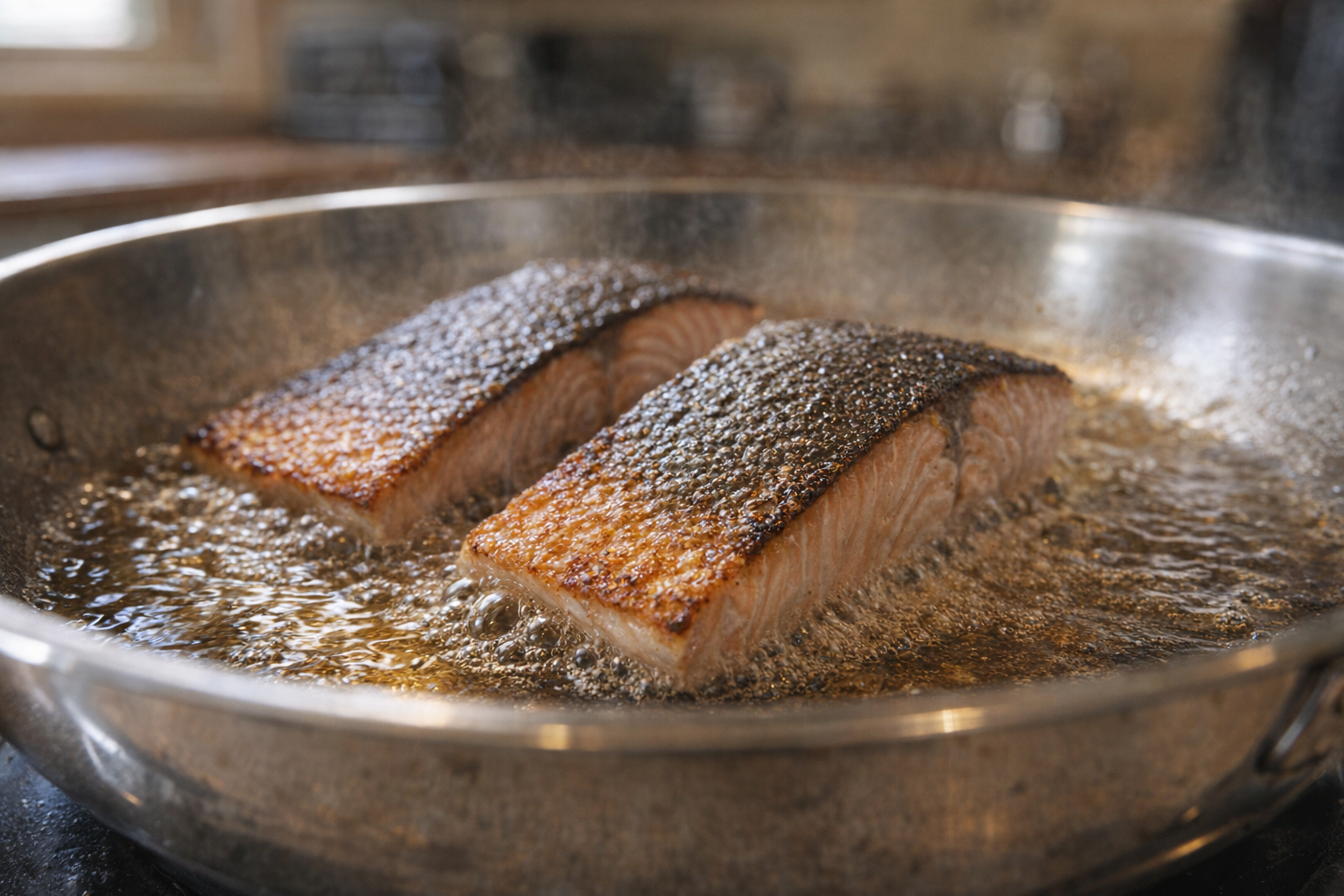
- Place Salmon Skin-Side Down: Carefully place the salmon fillets skin-side down in the hot skillet. Press down gently on the fillets with a spatula for the first 15-20 seconds to ensure even contact with the pan and prevent curling. You should hear a vigorous sizzle immediately.
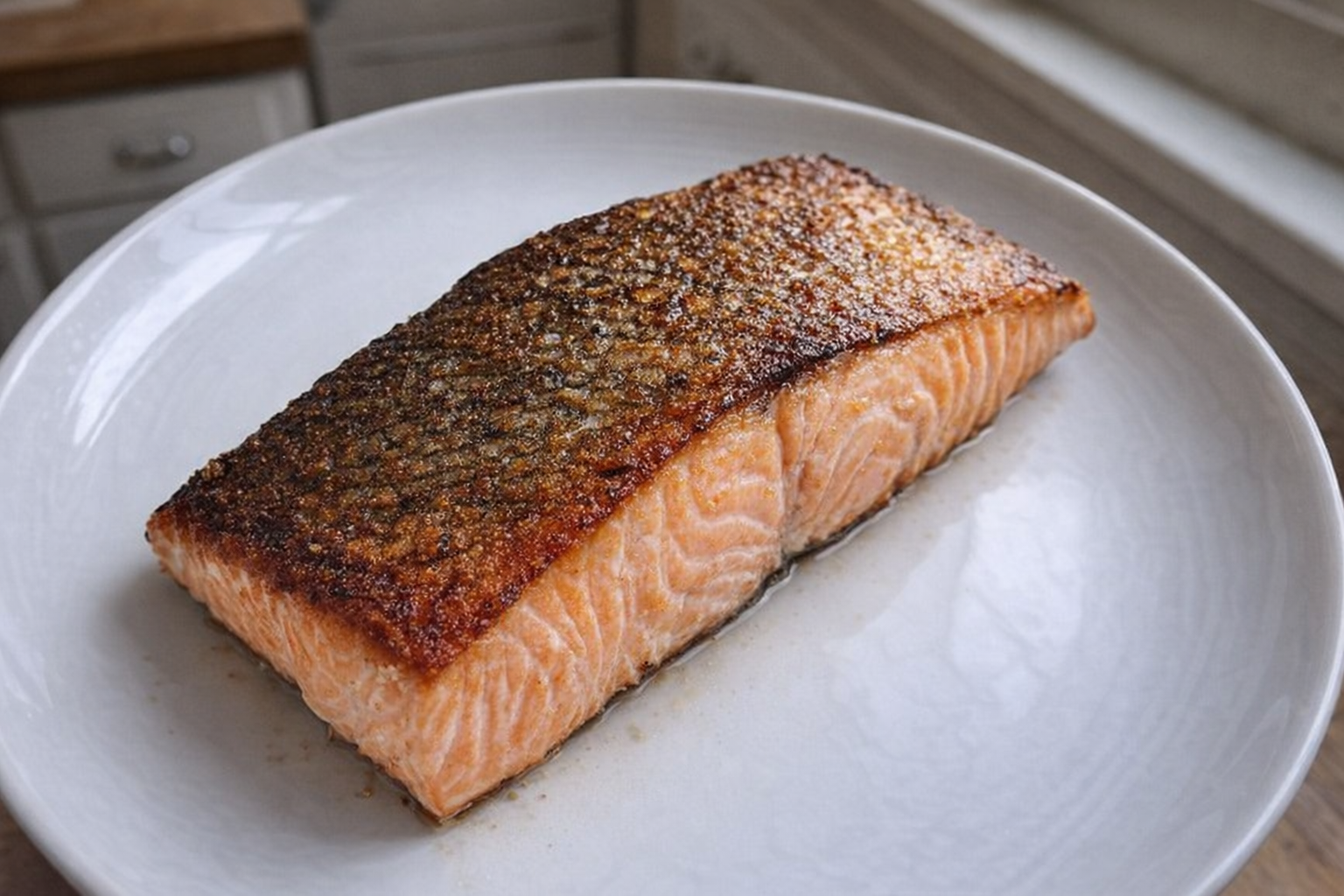
- Cook Primarily Skin-Side Down: Cook the salmon skin-side down for 6-8 minutes, or until the skin is deeply golden brown and crispy. The heat should be high enough to render the fat in the skin without burning it. Watch carefully and adjust the heat as needed. The aroma of cooked salmon should be rich and savory.
- Flip and Finish: Gently flip the salmon fillets using a fish spatula. Cook for an additional 1-2 minutes, or until the flesh is opaque and flakes easily with a fork.
- Check for Doneness: Use an instant-read thermometer to check the internal temperature of the salmon. It should reach 145°F (63°C).
- Rest (Important): Remove the salmon from the skillet and transfer it to a plate. Let it rest for 2-3 minutes before serving. This allows the juices to redistribute, resulting in a more tender and flavorful fillet.
Cooking Time & Doneness Guide
- Total Cooking Time: Approximately 8-10 minutes, depending on the thickness of the fillets.
- Internal Temperature: 145°F (63°C).
Visual Cues
The flesh should be opaque and flake easily with a fork. The skin should be deeply golden brown and crispy. If you gently press the fillet, it should feel firm but not hard. Avoid overcooking, as this will result in dry salmon.
Tips for Perfection
- Start with a Dry Surface: Patting the salmon skin dry with paper towels is crucial for achieving crispiness.
- Hot Pan is Key: Ensure the skillet is adequately heated before adding the salmon. A cold pan will result in soggy skin.
- Don't Overcrowd the Pan: Cook the salmon in batches to avoid overcrowding the pan and lowering the temperature.
- Resist the Urge to Move It: Allow the skin to sear undisturbed for most of the cooking time to develop a proper crust.
Storage & Reheating
- Storage: Store leftover salmon in an airtight container in the refrigerator for up to 2 days.
- Reheating: The best way to reheat salmon without ruining the texture is to gently warm it in a low oven (275°F/135°C) for about 10-15 minutes, or until heated through. You can also reheat it in a skillet over low heat, but be careful not to overcook it. Microwaving is not recommended as it can make the salmon dry and rubbery.
Serving Suggestions
- With Roasted Vegetables: Serve the crispy skin salmon with a medley of roasted vegetables, such as asparagus, broccoli, and bell peppers.
- Over Quinoa or Rice: Flake the salmon over a bed of quinoa or brown rice and drizzle with a lemon-herb vinaigrette.
- In a Salad: Add the salmon to a mixed green salad with avocado, tomatoes, and a light dressing.
- As Tacos: Flake the salmon and use it as a filling for tacos, topped with shredded cabbage, salsa, and a squeeze of lime.
💡 Pro Tips
- Thoroughly pat the salmon skin dry with paper towels to remove all surface moisture before placing it in the pan.
- Preheat your skillet with oil until it is shimmering hot to prevent the fish from sticking and jumpstart the crisping process.
- Apply gentle, even pressure with a flexible spatula during the first minute of cooking to keep the skin flat against the hot surface.
- Resist the urge to move or flip the fish early, allowing it to cook skin-side down until the skin naturally releases from the pan.
- Season the skin with salt immediately before cooking, as salting too early can draw out moisture and prevent a proper crunch.
Frequently Asked Questions
A heavy-bottomed skillet, preferably stainless steel or cast iron, is ideal. These pans distribute heat evenly, which is essential for achieving uniformly crispy skin and preventing hot spots that can lead to burning.
Curling can be minimized by applying gentle pressure to the salmon fillet with a spatula during the first few minutes of cooking. This ensures even contact between the skin and the hot pan, promoting even rendering and crisping.
While thawing overnight is best, you can quickly thaw salmon by placing it in a sealed zip-top bag and submerging it in cold water for about 30-60 minutes. Be sure to change the water every 15-20 minutes to maintain a cold temperature and prevent bacterial growth.
The salmon is done when it flakes easily with a fork and the internal temperature reaches 145°F (63°C). Insert a meat thermometer into the thickest part of the fillet to check the temperature, avoiding the skin.