Personal Experience with Keto Breakfasts When I first tried keto breakfasts, it felt like opening a mystery novel. I had no idea what to expect, but I…
Delishing
Cooking Bacon in the Oven

Maya Brooks
Maya Brooks is a dedicated home cook and the lead recipe developer at Delishing, where she shares practical, foolproof meals for everyday life. With over a decade of hands-on kitchen experience, she specializes in creating approachable dishes that fit a variety of dietary needs and modern cooking methods. Maya is passionate about helping busy people get delicious, stress-free food on the table without needing formal culinary training.
Oven bacon is my weeknight sanity saver. When I was working full-time and trying to feed a house with wildly different preferences, I got tired of standing over a splattering skillet while everyone asked, “Is it done yet?” Baking bacon lets you cook a whole package at once, it’s hands-off, and you can dial in chewy or crisp without playing stovetop babysitter.
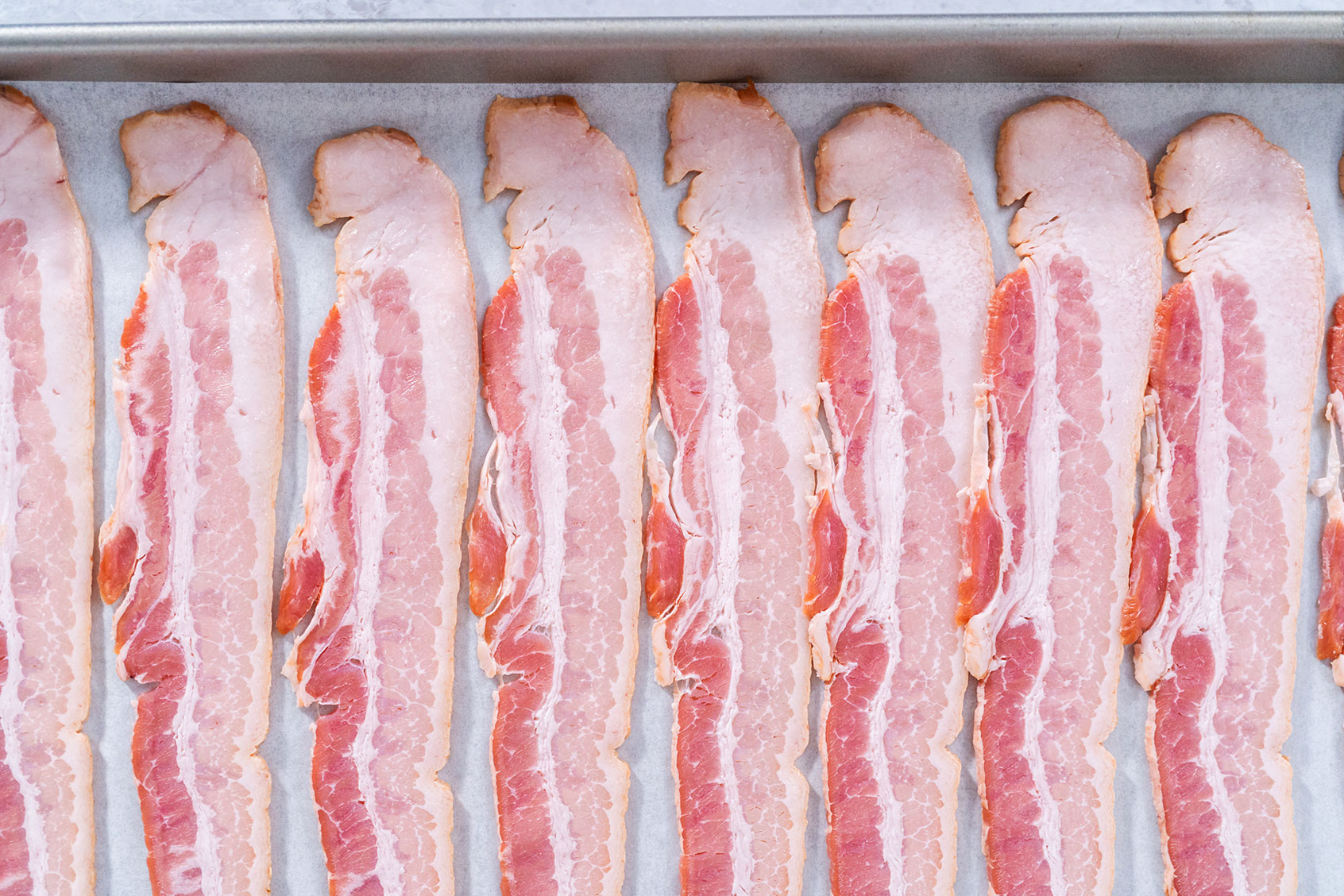
Why the oven method works
- Even heat, more even bacon: The steady oven heat plus contact with the hot pan helps strips brown without as many burnt edges and underdone centers.
- Less mess: No stovetop spatter film across your range.
- Batch-friendly: Cook enough for breakfast, salads, and meal prep in one go.
What you need
- Rimmed sheet pan (the rim matters for grease safety)
- Aluminum foil for easy cleanup
- Optional: parchment paper on top of the foil for extra protection against sticking
- Tongs
- Paper towels and a plate or cooling rack
Do you need a rack? Not strictly. A rack lifts bacon out of the fat for slightly cleaner, crisper results. No rack still works beautifully and is often my default when I want chewy-crisp bacon with a little tenderness.
One parchment note: I’m comfortable using parchment at 400°F. If you plan to bake hotter than 425°F, skip parchment and stick with foil so you do not risk scorching.
Oven bacon method
1) Heat the oven
Set the oven to 400°F. This is the sweet spot in my notebook: hot enough to render fat and brown well, not so hot that a sweet cure goes from golden to bitter in a blink.
If you use convection: Start checking a few minutes early. Fan ovens tend to brown faster.
2) Prep the pan for fast cleanup
Line a rimmed sheet pan with foil, pressing it into the corners. Leave a little overhang so you can lift it out later. If you want, add a sheet of parchment on top.
3) Arrange the bacon
Lay strips in a single layer. A tiny bit of overlap is okay, but try to keep strips mostly separate so they cook evenly.
Do not crowd the pan. If the strips are jammed in, they can steam and cook unevenly. Use two pans if you need to.
4) Bake
Place the pan on the middle rack and bake until your preferred texture.
- Chewy bacon: 12 to 15 minutes
- Classic crisp-tender (my everyday favorite): 16 to 20 minutes
- Very crisp: 21 to 25 minutes
Doneness cues matter more than the clock. Bacon is ready when it looks fully cooked and opaque (no translucent raw-looking spots), the fat is rendered and bubbling, and the edges are browned to your liking. It will crisp a bit more as it cools.
Important: Bacon thickness, oven calibration, pan color, and whether the bacon is starting cold or closer to room temp can shift timing. Start checking a few minutes early the first time with a new brand.
Safety note: Hot bacon grease sloshes. Use oven mitts, pull the rack out partway, and set the pan on a heat-safe surface before you start transferring strips.
Optional for even browning: Rotate the pan once about halfway through, especially if your oven has hot spots.
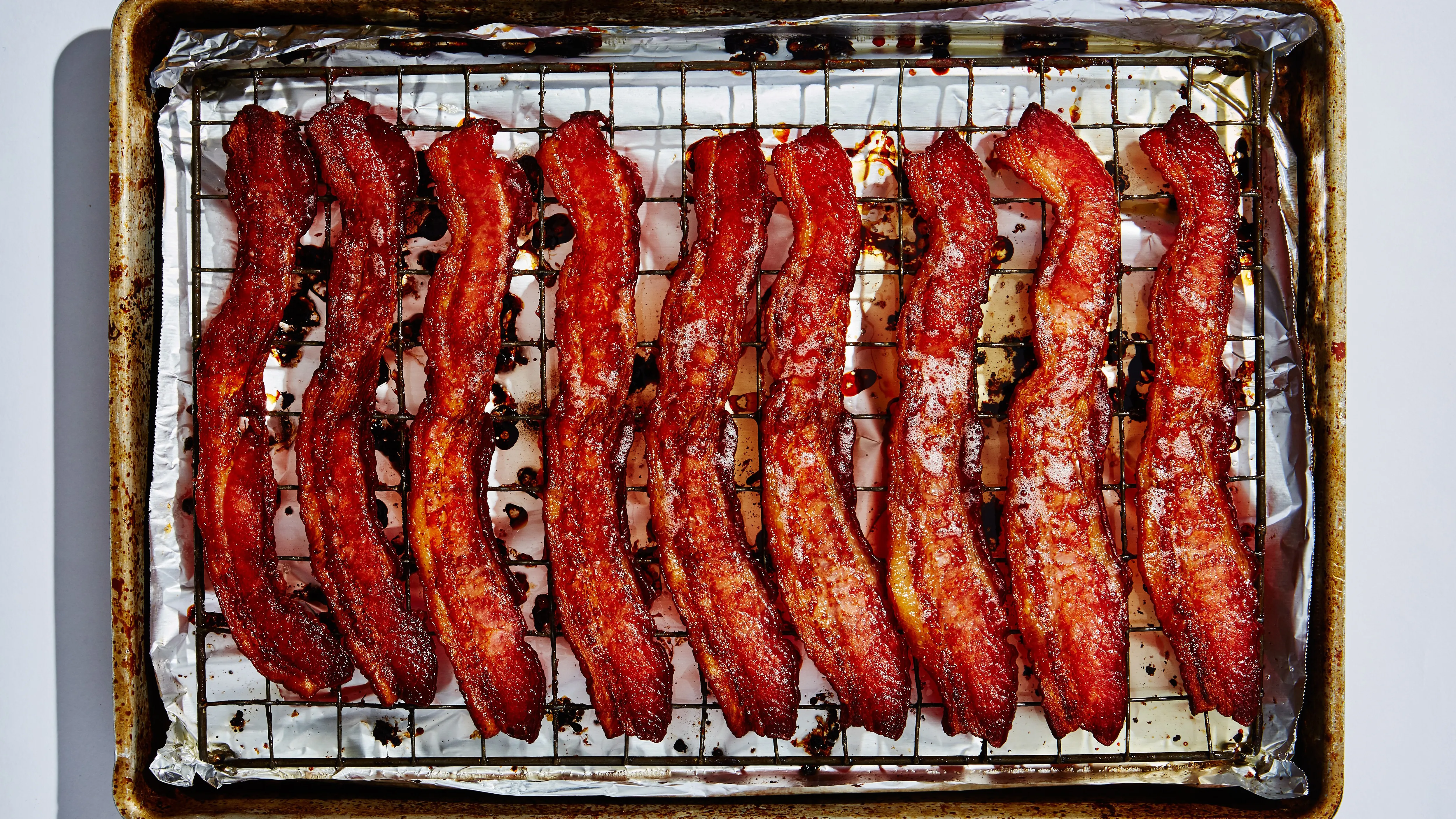
Chewy vs crisp
The easiest way to control texture is simply when you pull it from the oven.
- For chewy: Remove when the bacon looks cooked through and opaque but still flexible, with lighter golden areas between darker streaks.
- For crisp: Leave it until the fat looks well-rendered and the meat portions are a deeper mahogany. Remember it crisps a bit more as it cools.
If you want extremely crisp bacon without feeling like you are flirting with “burnt,” use a rack and aim for the lower end of the “very crisp” window, then let it cool on the rack for maximum crunch.
Thick-cut bacon
Thick-cut bacon is delicious, but it needs more time to fully render.
- Temperature: Still 400°F
- Timing: Plan on 20 to 30 minutes depending on thickness and desired crispness
- Tip: Rotate the pan once about halfway through for the most even browning.
With thick-cut, I always check at 20 minutes, then continue in 2 to 3 minute increments. Those last minutes matter.
How to drain bacon
Draining is what takes bacon from “greasy” to “perfect.” You have two reliable options:
Option A: Paper towel
Transfer bacon to a paper towel-lined plate. Add a second paper towel on top and lightly blot. This is quickest.
Option B: Cooling rack
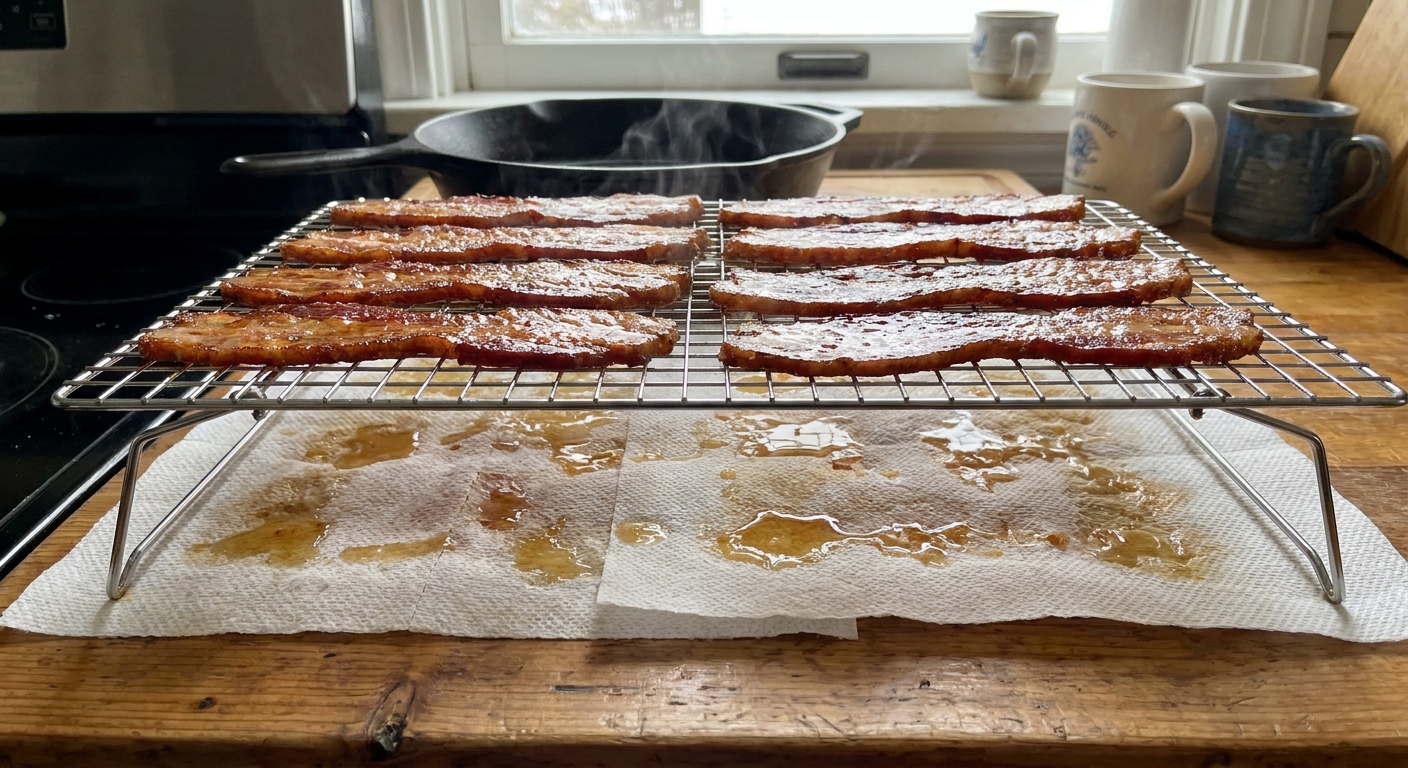
Move bacon to a cooling rack set over a pan or paper towels. Airflow keeps it crisp while excess fat drips away.
Foil cleanup tip
Let the grease cool on the pan for 10 to 15 minutes. Then gather up the foil edges to create a “boat” and carefully pour the grease into a heat-safe container if you keep it, or let it solidify and discard the foil in the trash. Do not pour bacon grease down the sink.
If you want to cook something else right after, you can wipe the foil with a paper towel and keep going, but I usually just start fresh. Less mental load at 5:00 PM is the whole point.
Storage and reheating
How to store cooked bacon
- Fridge: Cool completely, then store in an airtight container (or a zip-top bag) with a paper towel to absorb extra grease. Use within 4 to 5 days.
- Freezer: Freeze slices in a single layer on a sheet pan, then transfer to a freezer bag. It keeps well for up to 1 month for best flavor.
How to reheat
- Oven: 350°F for 5 to 8 minutes on a sheet pan
- Skillet: Medium heat, 1 to 2 minutes per side
- Microwave: 15 to 30 seconds between paper towels for a quick fix (not the crispiest, but effective)
Common questions
Do I start bacon in a cold oven or a preheated oven?
Preheated is more predictable for timing. Cold-oven bacon can work, but the cook time becomes harder to nail since it depends on how fast your oven heats.
Should I flip bacon in the oven?
Usually no. On a sheet pan without a rack, you can flip once around the 10 to 12 minute mark if you want extra-even browning, but I rarely bother. Rotating the pan halfway through tends to do more in most ovens.
Why is my bacon smoking?
Most often, the oven is too hot or the bacon has a lot of sugar in the cure. Stick with 400°F, use a rimmed pan, and check earlier. If your bacon is very fatty, a rack can help keep strips out of the hottest pooled grease.
Can I save the bacon grease?
Yes. Strain cooled grease through a fine-mesh sieve into a jar and refrigerate. Use small amounts to sauté veggies or start soups. If you love cozy soups, my Hamburger Soup is fantastic with a tiny bit of bacon fat for the base.
Ways to use oven bacon
This is not a hero recipe, but it is the practical “now what?” moment we all hit. Here are a few Delishing favorites where crispy bacon is pure magic:
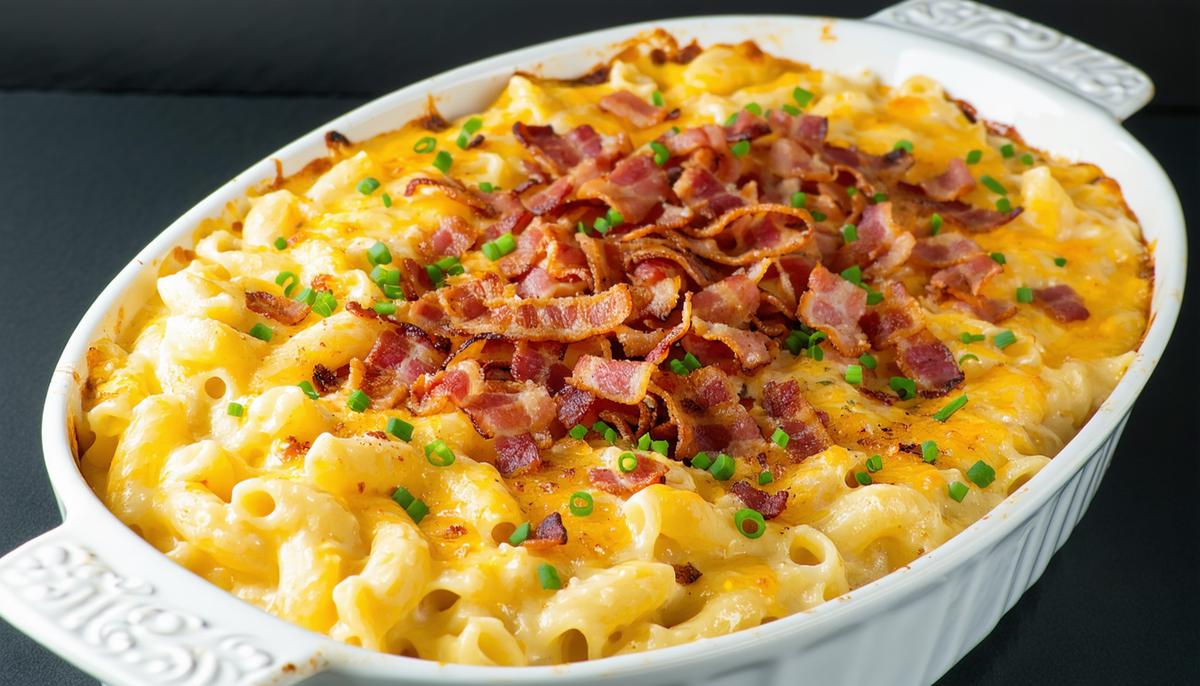
- Stir chopped bacon into Classic Creamy Potato Salad.
- Top a bowl of Clam Chowder with Bacon for crunch and smoky flavor.
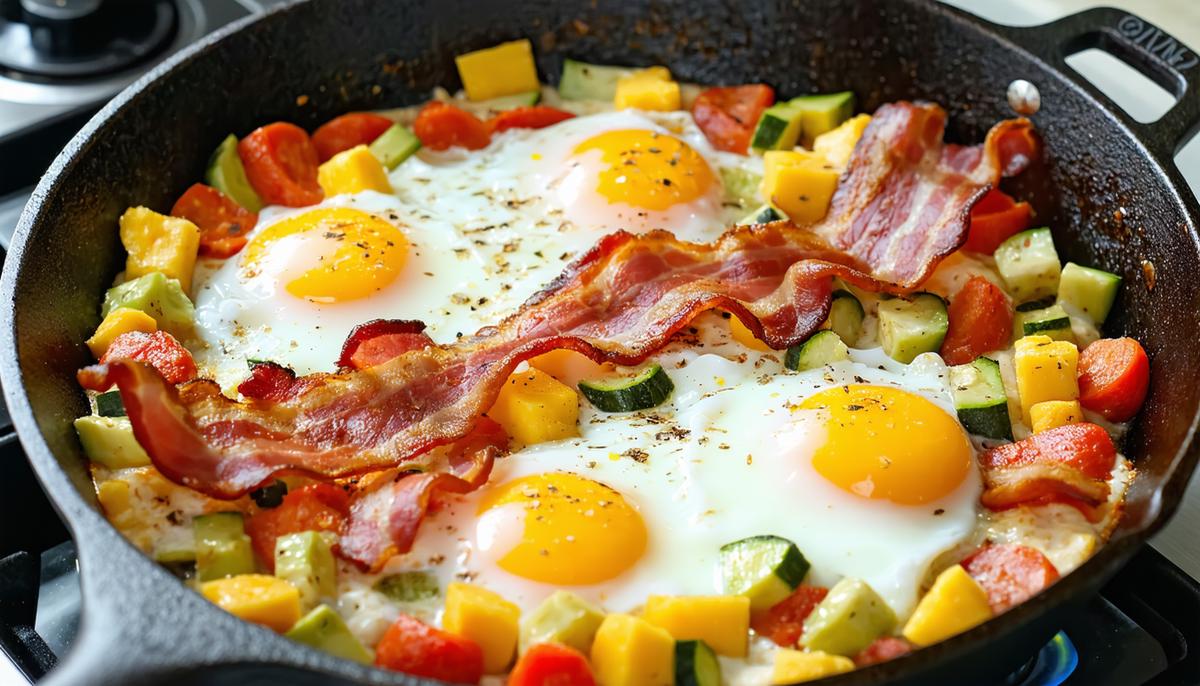
- Add it to Breakfast Recipes like egg bakes and breakfast sandwiches for meal prep.