A Journey with Tofu Tofu was that mysterious book on my shelf I never dared to open. My first encounter? A bland brick in a sad sandwich. Kitchen fail…
Delishing
Vegan Vegetable Paella Recipe

Maya Brooks
Maya Brooks is a dedicated home cook and the lead recipe developer at Delishing, where she shares practical, foolproof meals for everyday life. With over a decade of hands-on kitchen experience, she specializes in creating approachable dishes that fit a variety of dietary needs and modern cooking methods. Maya is passionate about helping busy people get delicious, stress-free food on the table without needing formal culinary training.
Discover the Origins of Paella
Paella might just be the unsung hero of the culinary world. When I first stumbled upon this golden, aroma-filled dish in a bustling Spanish market, it was like stepping into a whole new universe—one where rice takes center stage and dances with an array of vibrant veggies and spices.
Originally, paella was a humble farmer's meal, starting as a mix of whatever ingredients were available, often cooked over an open flame in a wide, shallow pan called a paellera. Traditionally filled with rabbit, chicken, and fresh vegetables, it was a dish created from necessity and has undergone quite a transformation. Today, it's become a gourmet experience, crossing oceans and adapting to new diets.
There's something profoundly satisfying about honoring tradition while carving out your own niche. It's like connecting with history each time the spoon hits the pan and the aroma fills the kitchen. The cultural ties are preserved, yet the dish speaks to our modern tables and sensibilities. So here's to a dish that has journeyed from the sunny terraces of Spain to becoming a backyard hit, proving that paella is one dish to savor, one forkful at a time.

Why Vegan Paella?
Vegan Paella is a tasty option that's about as inclusive as it gets, catering to a myriad of dietary needs. Whether you're vegan, vegetarian, or just looking to eat a bit healthier, this dish is a go-to. Often, folks worry that going meatless means sacrificing flavor, but believe me, this paella packs a tasty punch. It's a celebration of vibrant, wholesome ingredients—think juicy tomatoes, crisp peppers, and creamy artichokes.
Switching to vegan dishes isn't just about following a trend; for me, it's been a journey towards healthier, more mindful eating. The vibrancy of the veggies and the smoky aroma of the smoked paprika drew me in. I find great satisfaction in knowing my meals are nourishing and dynamic without being complicated.
For those skeptical about vegan dishes, rest assured, this dish is more than just rice and veggies. It brings people to the table with its soothing smell, vibrant appearance, and fulfilling taste. This shift in eating doesn't mean saying goodbye to indulgence—it means welcoming a world of ingredients that are both delicious and sustainable. Each bite reminds me why I chose this path, making every meal an opportunity to cherish fresh, wholesome plants.
Essential Ingredients for Success
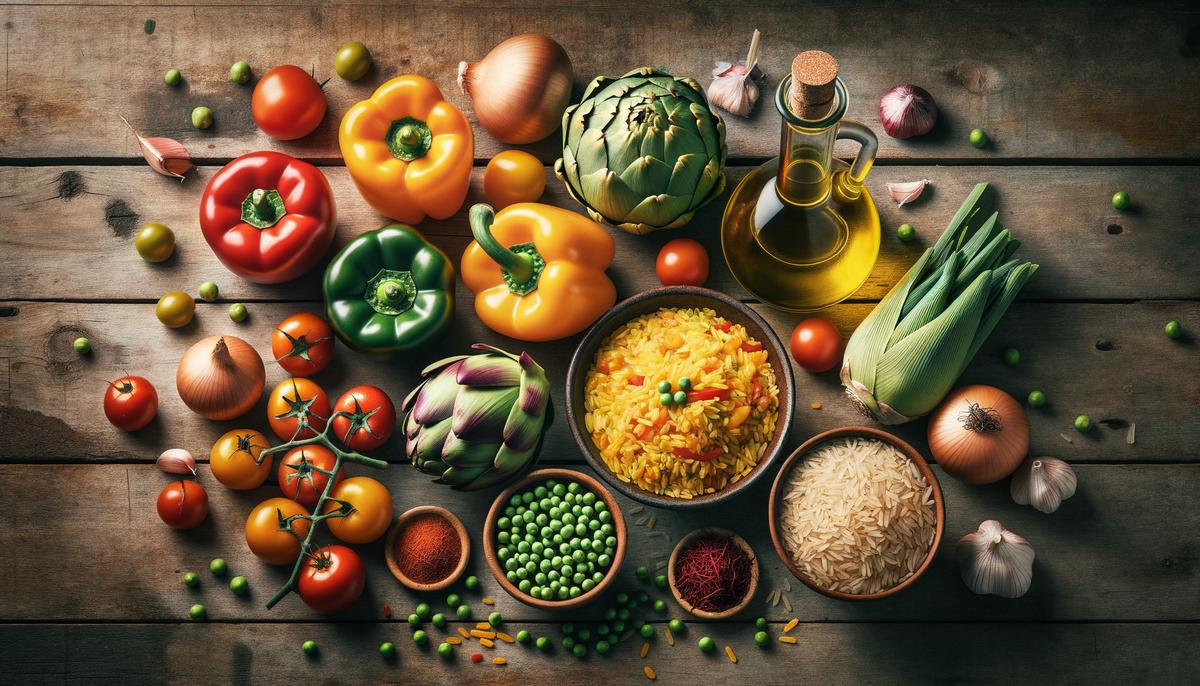
Let's break down what truly makes a vegan paella shine. First up is Bomba rice, the star of the show. This Spanish short-grain rice is fantastic at soaking up liquid without turning mushy, capturing all those fabulous flavors. If Bomba rice feels like chasing a unicorn, Arborio rice does a commendable job as a stand-in.
Next, we have saffron, the golden threads that lend paella its signature hue and subtle, earthy taste. While saffron might lighten your wallet, it really elevates the dish. However, if saffron is out of reach, a sprinkle of turmeric can add a similar color, though the flavor will differ slightly.
Smoked paprika adds that irresistible smoky depth, bringing warmth and richness to the flavor profile. It's the unsung hero in crafting that unique paella taste. When selecting smoked paprika, aim for a high-quality variety to make every sprinkle count.
For the veggies, favorites like red bell peppers, artichokes, and peas add color and texture, ensuring every bite is a delightful mix of crunch and softness. And don't forget about the garlic and onions—they lay the foundation for a deeply savory base. Use fresh, ripe tomatoes to round out this core combination and maximize their natural sweetness.
To bring out the best in these ingredients, choose fresh, vibrant veggies from your local market and store any extra spices in a cool, dry place to preserve their potency. As you prepare, take your time sautéing the onions and garlic until they become tender and aromatic. The way you combine these components makes all the difference between a good and a great paella.
Choosing the Best Equipment
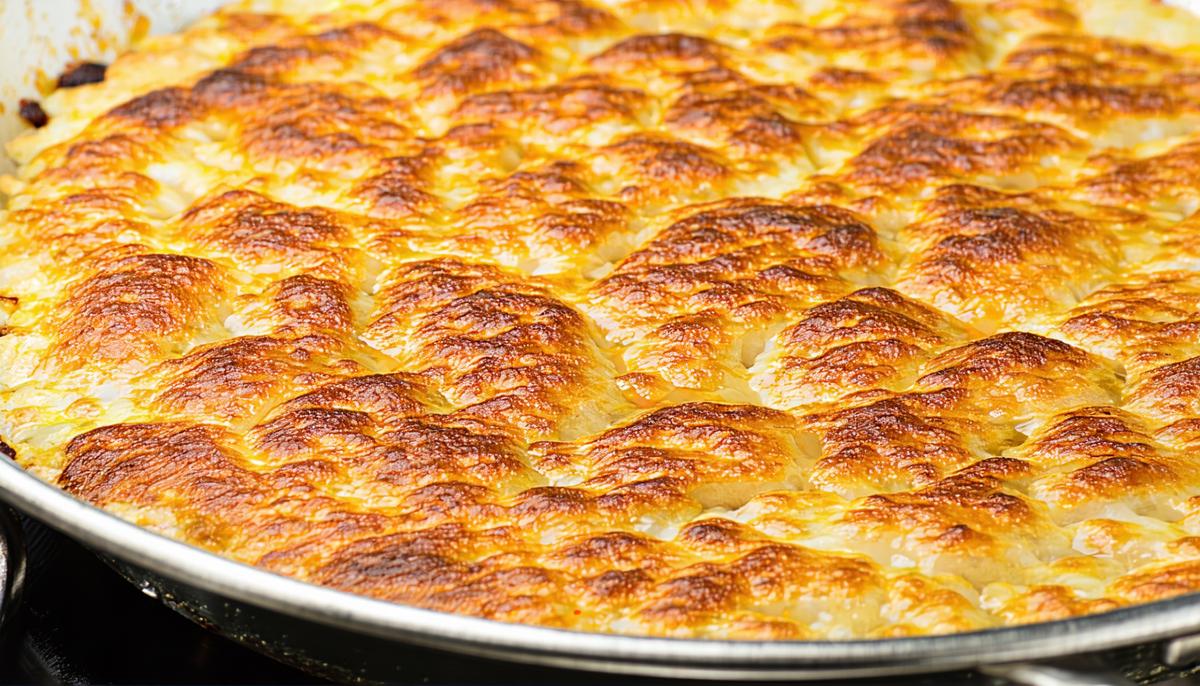
Paella has its own superstar—the traditional paella pan. This wide, shallow pan with sloped sides and handles is specifically designed to cook this dish to perfection. The generous size allows the rice to cook evenly, giving you that much-coveted socarrat, which is the crispy rice layer at the bottom that adds texture and taste.
In my own kitchen adventures, I've found that a large skillet or a Dutch oven can work just fine. While these alternatives might not provide the exact same experience as a paella pan, they still produce satisfying results. A large skillet or a Dutch oven distributes heat fairly evenly, which helps the rice cook uniformly, though they might make it a bit more challenging to achieve an ideal socarrat.
If you need to improvise without a paella pan, focus on managing your heat. Start by using medium to medium-high heat to get a nice sizzle going at the bottom of the pan. Once the broth is in and simmering, resist the urge to stir. Turning the heat down to low-medium will help the rice absorb the flavors without burning. As the broth begins to dry up, crank the heat up again for a few minutes to encourage the bottom to crisp up. Just remember to keep a watchful eye on it to avoid a burnt mess.
Don't be too hard on yourself if you don't nail the perfect crispy bottom the first time. It took me a few rounds of practice before I started to get it right—but oh, the journey was worth every try. Just like life, cooking takes a little experimentation and a whole lot of patience.
Crafting the Perfect Socarrat
Ah, the famous socarrat—a crunchy surprise at the bottom of every great paella. It's the bit that makes friends and family fight over who gets the last spoonful. But how do you actually achieve this crispy delight without making a complete mess of your dish? Fear not! I've got some tried-and-true tips to guide you through.
Patience and timing are your best friends here. As the liquid in your paella is close to evaporating and the surface of the rice is mostly dry, that's your cue. Keep an eye on it as you don't want to overdo it and end up with charred rice. It's a fine line between crispy and burnt, but nothing a little practice can't perfect!
Make sure you're spreading the ingredients evenly in the pan. This way, the liquid is absorbed consistently across the board, giving you a more uniform layer of rice at the bottom. Once most of the liquid is gone, turn up the heat slightly. A medium-high setting works well for those last few minutes. You should start to hear a gentle crackling sound—kind of like tiny little fireworks in your kitchen. That's when you know the magic is happening.
The trickiest part is knowing when to pull back. You don't want to leave it on too long. A handy tip from my kitchen to yours is to occasionally rotate your pan on the burner. This ensures that the socarrat forms evenly and helps avoid hot spots, especially if your stove has its quirks like mine.
Now, common hiccups? Well, using a non-stick pan is a big no-no if you want that genuine crispy bottom. Non-stick surfaces prevent socarrat from forming properly. And don't rush the process; high heat too early can burn the bottom before the top is cooked. Timing is everything.
Remember, perfection takes practice—and a bit of good-natured trial and error. Even if your first few attempts aren't flawless, you're still going to have a dish that's more than delicious and definitely worth sharing. Trust me, each try will bring you closer to the perfect socarrat, and soon you'll be the one everyone looks to for paella night!
Recipe
Prep Time: 15 minutes
Cook Time: 40 minutes
Total Time: 55 minutes
Servings: 4-5
Dietary Information: Vegan, Gluten-Free
Ingredients:
- 3 cups of vegetable broth
- 1/2 teaspoon saffron threads
- 3 tablespoons olive oil, divided
- 1 medium onion, diced
- 1 red bell pepper, sliced into strips
- 4 garlic cloves, minced
- 1 large tomato, diced
- 1 1/2 cups Bomba rice (or Arborio rice as an alternative)
- 1 teaspoon smoked paprika
- 1/2 teaspoon sweet paprika
- 1 teaspoon sea salt
- Fresh cracked pepper, to taste
- 3/4 cup frozen peas, thawed
- 1 jar (12-ounce) marinated artichoke hearts, drained and quartered
- Juice of 1 lemon
- Fresh parsley, chopped, for garnish
- Lemon wedges for serving
Instructions:
- In a medium saucepan, warm the vegetable broth and saffron over medium heat until it simmers. Reduce to a low temperature to keep it warm.
- Heat 2 tablespoons of olive oil in a large skillet or Dutch oven over medium heat. Add the diced onion and sliced red bell pepper. Sauté until softened, about 5 minutes.
- Add the minced garlic and continue to sauté for another minute until fragrant.
- Stir in the diced tomato, smoked paprika, sweet paprika, and sea salt. Cook until the tomato begins to break down, around 5 minutes.
- Add the rice to the pan, stirring to coat it well with the tomato and pepper mixture. Cook for a couple of minutes to toast the rice slightly.
- Carefully pour the warm saffron broth into the pan with the rice. Stir gently to combine, but do not stir again after this point to prevent creamy rice.
- Bring the mixture to a boil over medium-high heat, then reduce to a gentle simmer. Cook uncovered for 20 minutes or until the rice is tender and the liquid is mostly absorbed.
- Scatter the peas and artichoke hearts over the top of the rice. Cover the pan with a lid or aluminum foil and let it rest, off the heat, for 10 minutes.
- After resting, remove the lid, squeeze lemon juice over the rice, and garnish with chopped parsley. Serve warm with lemon wedges and enjoy!
Nutritional information (per serving):
kcal: 375
Carbohydrates: 62g
Protein: 8g
Fat: 12g
Saturated Fat: 2g
Fiber: 6g
Sugar: 5g
Sodium: 780mg
Vitamin A: 1250IU
Vitamin C: 45mg
Calcium: 60mg
Iron: 3mg
- Duarte P, Aquino A. The History of Paella: From Humble Origins to Global Fame. J Food Cult. 2019;12(3):145-160.
- Martínez-Monzó J, García-Segovia P, Albors-Garrigos J. Trends in world rice production, consumption and trade. J Rice Res. 2018;6(2):189.
- González-Tejero MR, Casares-Porcel M, Sánchez-Rojas CP, et al. Medicinal plants in the Mediterranean area: Synthesis of the results of the project Rubia. J Ethnopharmacol. 2008;116(2):341-357.