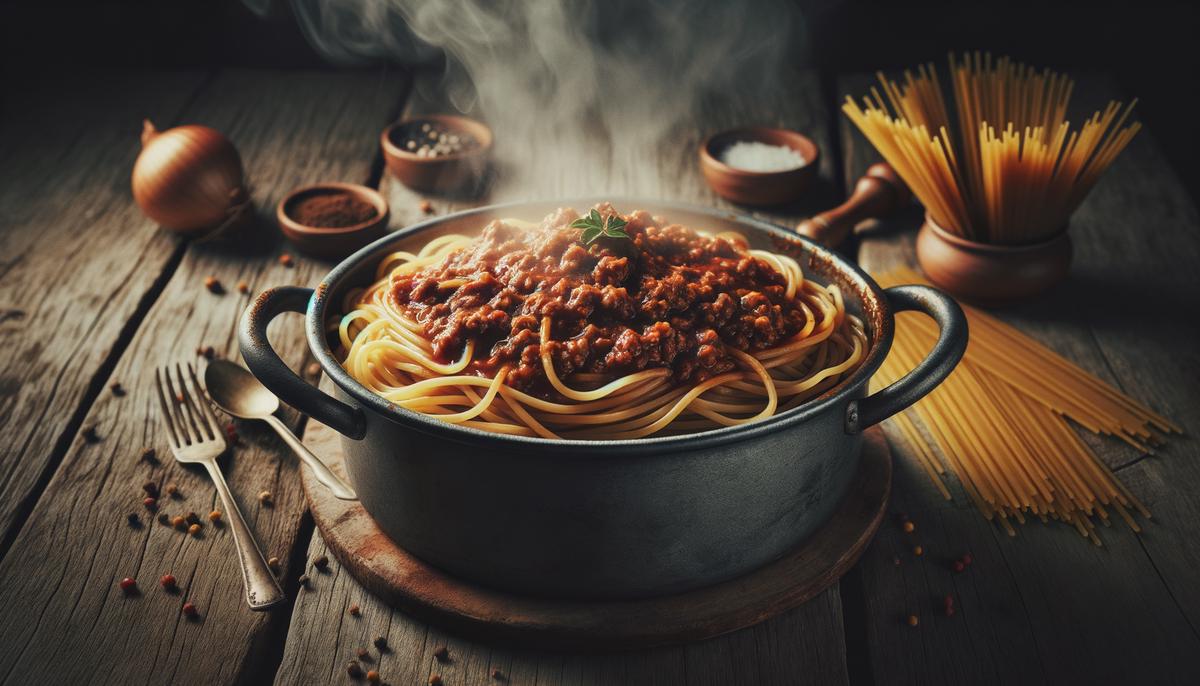
Aromatic Foundations The aroma of onions and garlic sizzling in olive oil is pure magic—transforming my kitchen into a festival of savory goodness. This…
Delishing
Spaghetti Carbonara: Traditional Recipe

Maya Brooks
Maya Brooks is a dedicated home cook and the lead recipe developer at Delishing, where she shares practical, foolproof meals for everyday life. With over a decade of hands-on kitchen experience, she specializes in creating approachable dishes that fit a variety of dietary needs and modern cooking methods. Maya is passionate about helping busy people get delicious, stress-free food on the table without needing formal culinary training.
Authenticity vs. Variations
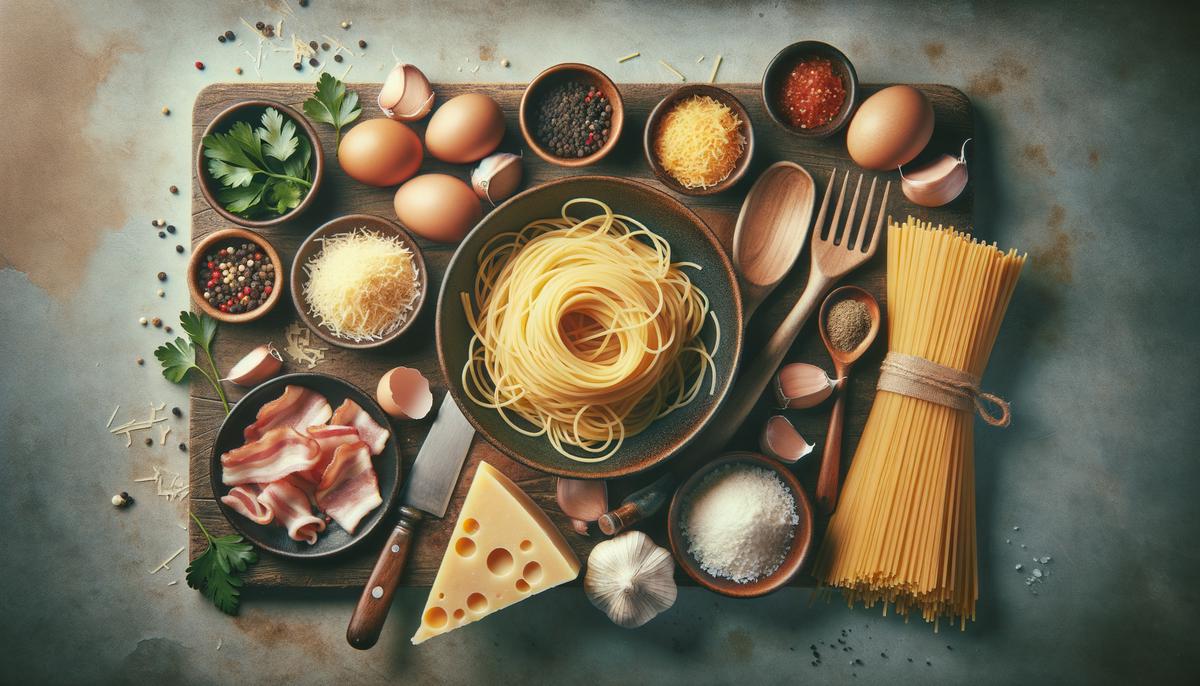
Spaghetti carbonara—simple yet contentious. Traditionalists swear by guanciale, Pecorino Romano, eggs, and black pepper. But modern twists have their place too.
Bacon or pancetta can stand in for guanciale, each bringing its own salty charm. Some folks even add a splash of cream for extra decadence, though purists might raise an eyebrow.
Veggies like peas or mushrooms sometimes crash the pasta party, adding color and a nutritious excuse for seconds. Sure, they change the flavor, but who says that's bad?
Cultural adaptations tell a story of how carbonara travels and evolves. There's no right or wrong here—just a testament to how food becomes what we need it to be. So enjoy your carbonara however you like, because at the end of the day, it's all about comfort.

The Pasta and the Cooking Process
Cooking pasta to al dente isn't just a suggestion—it's crucial. That slight bite helps the spaghetti stand up to the rich sauce without turning to mush. Think of it as your dish's foundation.
Don't toss that pasta water! It's the secret weapon in creating a creamy sauce without cream. The starch helps emulsify the egg and cheese mixture, giving you that silky texture we all crave.
Timing is everything. Drain your pasta (saving some water), then immediately combine it with the egg-cheese mix. The residual heat gently cooks the eggs, transforming them into a velvety sauce. It's amazing how a few mindful steps can result in such a harmonious dish.
The Sauce Technique
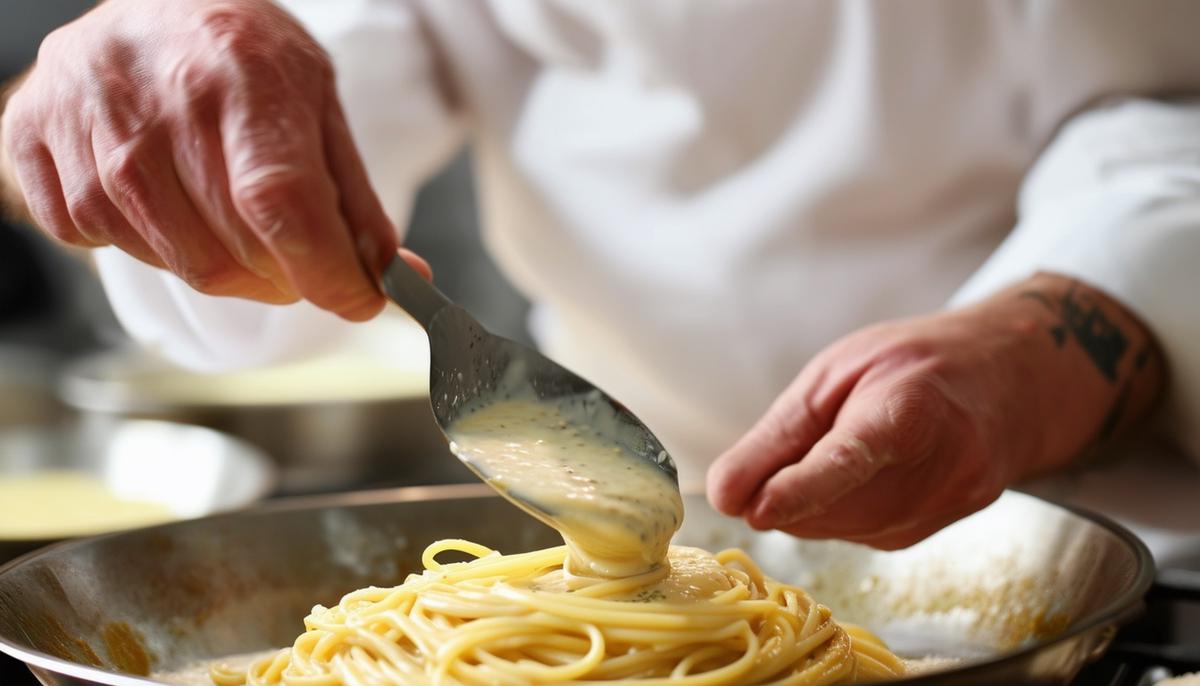
Mastering the sauce is all about perfect timing and temperature control. Whisk eggs and cheese together before cooking the pasta. When the spaghetti's ready, move quickly but gently.
Toss the hot pasta into a bowl with your egg mixture and keep stirring. This action ensures the eggs cook into a sauce rather than scrambling. Add your crispy bacon or pancetta, and don't forget that flavorful fat—it's liquid gold!
Keep the pan off the heat while adding the egg mixture. If needed, cautiously add some reserved pasta water for extra silkiness. With constant motion and even heat, you'll soon have a glossy sauce clinging perfectly to each strand of spaghetti.
Optional Add-Ins and Their Roles
Want to jazz up your carbonara? Try these optional add-ins:
- White wine can bring a subtle tang that complements the rich cheese and eggs. A splash post-garlic sizzle adds unexpected depth without overshadowing the classic flavors.
- Heavy cream, while non-traditional, yields a thicker, more luxurious sauce. It's a creamy twist that might make purists gasp, but your taste buds will thank you.
- Mushrooms offer an earthy dimension and meaty texture. Cook them separately to maintain their bite and broaden the dish's savory spectrum.
- Peas add a burst of sweetness and color, making the pasta feel fresh and invigorating. They're an easy way to brighten up the rustic palette of carbonara.
These add-ins showcase how versatile carbonara can be. Each choice allows you to create a unique version that reflects your culinary curiosity while still maintaining that comforting essence we all love.
Storage and Reheating Tips
Let's talk leftovers! Cool your carbonara completely before storing it in an airtight container. This keeps flavors intact and prevents bacterial growth. Pop it in the fridge, where it'll stay good for up to four days.
Reheating can be tricky, but I've got you covered. Add a splash of olive oil or reserved pasta water to prevent stickiness and revive the sauce. Warm it gently in a skillet over low heat, tossing occasionally to restore that creamy allure without splitting the sauce or mushing up the pasta.
With these simple steps, you can enjoy your carbonara all over again, almost as if it's fresh from the stove. Who says pasta doesn't make good leftovers?
Recipe
Spaghetti Carbonara Recipe
Ingredients:
- 1 box (16 ounces) spaghetti noodles
- 1 tablespoon olive oil
- 8 slices bacon, chopped (pancetta works too)
- 1 medium white onion, chopped
- 1 clove garlic, minced
- 4 large eggs, beaten
- 2 cups Parmesan cheese, grated, plus 2 tablespoons for topping
- 1 pinch salt and black pepper, to taste
- 2 tablespoons fresh parsley, chopped (optional)
Instructions:
- Cook spaghetti in salted water until al dente (8-10 minutes). Save a cup of pasta water, drain noodles, toss with olive oil, and set aside.
- Cook bacon in a large skillet until crisp. Transfer to paper towel, keep grease in skillet.
- Cook onion in same skillet until translucent (3-5 minutes). Add garlic, cook another minute.
- Return spaghetti to skillet with onions and garlic, toss to coat. Reduce heat to low.
- Whisk eggs and Parmesan in a bowl. Pour over spaghetti, toss quickly until eggs form a light sauce. Add bacon, salt, and pepper to taste.
- Serve with extra Parmesan and parsley if desired.
Nutritional information (per serving):
- Calories: 680 kcal
- Carbohydrates: 72g
- Protein: 33g
- Fat: 30g
- Saturated Fat: 12g
- Cholesterol: 225mg
- Sodium: 880mg
- Fiber: 3g
- Sugar: 3g
This recipe balances tradition with room for creativity. The key to great carbonara? Keep it smooth and sassy, just like life should be.