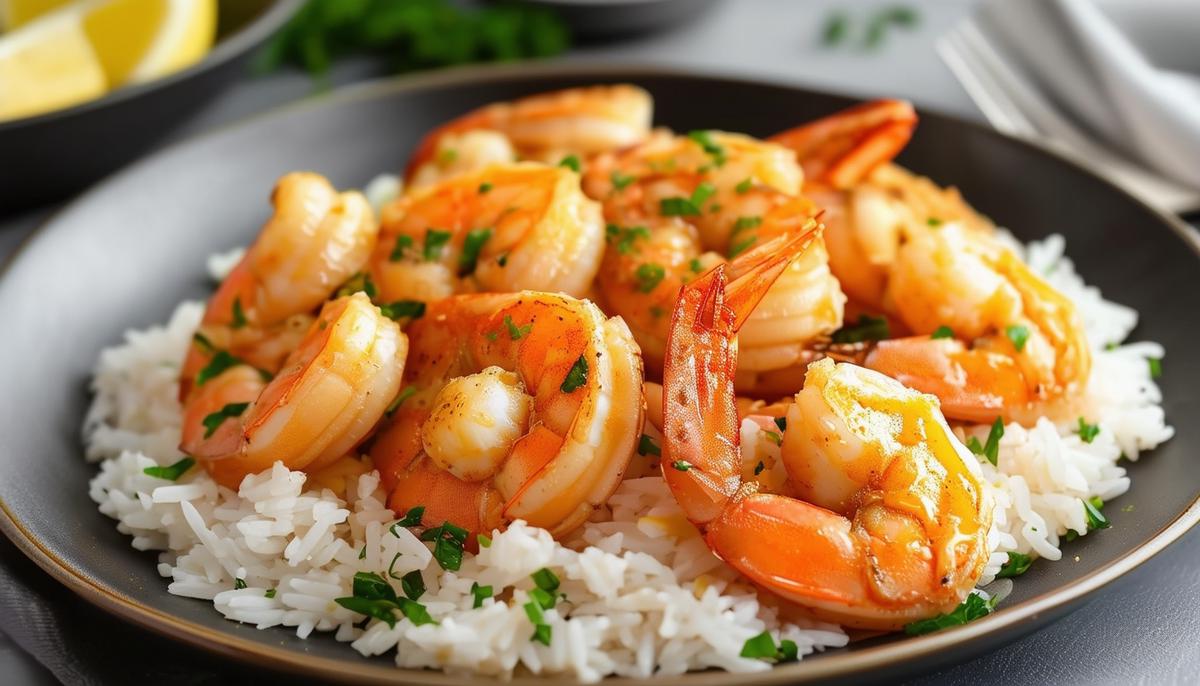
The Irresistible Charm of Garlic Butter Shrimp Garlic butter shrimp has that unmistakable pull. The buttery garlic aroma leads my kids straight to the…
Delishing
Shrimp Jambalaya Recipe

Maya Brooks
Maya Brooks is a dedicated home cook and the lead recipe developer at Delishing, where she shares practical, foolproof meals for everyday life. With over a decade of hands-on kitchen experience, she specializes in creating approachable dishes that fit a variety of dietary needs and modern cooking methods. Maya is passionate about helping busy people get delicious, stress-free food on the table without needing formal culinary training.
A Journey Through Jambalaya's History
Jambalaya's roots are steeped in Southern history, mirroring Louisiana's cultural blend. It emerged as a New World take on Spanish paella, with New Orleans cooks using tomatoes instead of saffron. The French Quarter version features "The Trinity" of celery, onion, and bell peppers, honoring the area's diverse culinary heritage. It combines chicken, sausage, and seafood, reflecting the region's bounty and zest.
Cajun jambalaya, from Louisiana's swampy areas, is a darker, smokier variant. This "Brown Jambalaya" skips tomatoes, favoring browned meats. It's spicier and heartier, often using crayfish, oysters, and sometimes turtles.
Each spoonful of jambalaya hints at French, Spanish, and African influences. I remember my first attempt in my tiny apartment kitchen, where spices and proteins danced together. The kitchen buzzed with sizzles and aromas, and that first bite transported me to New Orleans' bustling markets, right from my cramped urban space.
Essential Ingredients for Jambalaya
Every jambalaya pot needs its key players—the 'holy trinity' of Louisiana cooking: celery, onions, and bell peppers. This trio forms the tasty foundation, balancing the bolder ingredients. They kick off the party, setting the stage for your protein choices.
Classic picks like chicken, shrimp, and andouille sausage create a flavor harmony. Feeling bold? Toss in mussels or firm tofu—perfect for a veggie version with substance.
Cayenne pepper, thyme, and bay leaves give that signature kick and comforting aroma. Season as you like. Mild or fiery, you're in charge.
Modifying for dietary needs? Swap sausage for a vegan option or use brown rice for a different texture. Jambalaya's beauty is its flexibility—toss in any fresh, seasonal produce for extra color and nutrients.
For ingredients, quality matters. Farmers' markets or specialty stores often have the freshest picks, helping you create a bowl bursting with lively flavors.
Pro Tips for the Perfect Jambalaya
Making jambalaya is like conducting a symphony. Start with a hot pot, searing chicken and sausage until golden brown. This crust adds flavor and keeps folks coming back for more.
Next, gently cook the holy trinity and aromatics until soft and juicy, about 6-8 minutes. This step builds a fantastic base flavor.
When cooking rice, ensure it has enough liquid to soak up all the goodness. Stir occasionally to prevent sticking. Good jambalaya should have tender rice cooked through—no crunchy surprises!
Spice is personal. Taste as you go to find your perfect balance. Start easy with cayenne, then add more if you want extra kick.
For ideal texture, aim for rice that's distinct yet clings to each tasty morsel. Add broth if needed—just a splash at a time—until it's just right.
Finally, let those rich flavors mingle. Rest the dish for a few minutes before serving. It's like letting a great story settle, allowing everything to blend smoothly.
Pairing Suggestions
A chilled glass of crisp white wine pairs beautifully with jambalaya. Try Sauvignon Blanc or light Chardonnay. Prefer non-alcoholic? Whip up some iced tea, plain or with a citrus twist, for a refreshing contrast.
For sides, think fresh and simple. A light salad works wonders, balancing jambalaya's rich flavors. Mix some greens with a splash of lemon juice and maybe a handful of nuts for crunch. Seasonal fruits are great too. Slice up watermelon or serve mixed berries to offset the dish's spiciness with sweet, juicy bites.
Get creative with garnishes. Sprinkle chopped green onions or cilantro on top for fresh flavor bursts—or serve with a lemon wedge for a tangy squeeze. Feeling adventurous? Offer roasted peanuts or a dusting of Parmesan for an unexpected twist.
Encourage everyone to play with pairings, trying different sides and garnishes. It's not just about feeding bodies but nurturing connections. Enjoy the process, and make each serving of jambalaya your own masterpiece.
Shrimp Jambalaya Recipe
Ingredients:
- 2 tablespoons olive oil
- 1 pound large shrimp, peeled and deveined
- 1 pound andouille sausage, sliced into rounds
- 1 medium onion, chopped
- 1 bell pepper (any color), chopped
- 2 ribs celery, chopped
- 4 cloves garlic, minced
- 1 cup long-grain white rice
- 1 can (14 ounces) crushed tomatoes
- 2 cups chicken stock
- 1 bay leaf
- 1 teaspoon dried thyme
- 1 teaspoon smoked paprika
- 1/2 teaspoon cayenne pepper, or to taste
- Salt and freshly ground black pepper, to taste
- 2 tablespoons chopped fresh parsley
Steps:
- Heat 1 tablespoon of olive oil in a large pot over medium-high heat. Add the andouille sausage and cook until browned, about 5 minutes. Remove and set aside.
- Add the shrimp to the pot, cooking until just pink, 2-3 minutes. Remove and set aside.
- Use the remaining oil in the pot and add onion, bell pepper, and celery. Sauté until softened, about 5 minutes. Add garlic and sauté for another minute.
- Stir in rice, cooking until lightly toasted, about 2 minutes. Add crushed tomatoes, chicken stock, bay leaf, thyme, smoked paprika, cayenne, salt, and pepper. Stir well.
- Bring to a simmer, lower heat, cover, and cook for about 20 minutes, until rice is tender and liquid is absorbed.
- Discard bay leaf, return shrimp and sausage to the pot, and gently stir to combine.
- Garnish with parsley before serving.
Nutritional information (per serving):
kcal: 485
carbohydrates: 38g
protein: 32g
fat: 24g
saturated fat: 7g
cholesterol: 175mg
sodium: 1200mg
fiber: 3g
sugar: 4g
- Folse J. The Encyclopedia of Cajun & Creole Cuisine. Chef John Folse & Company Publishing; 2004.
- Tucker S. New Orleans Cuisine: Fourteen Signature Dishes and Their Histories. University Press of Mississippi; 2009.
- Bienvenu M, Brasseaux CF, Brasseaux R. Stir the Pot: The History of Cajun Cuisine. Hippocrene Books; 2005.