The Mediterranean Twist of Spinach & Feta Spinach and feta cheese—these two Mediterranean staples have a cultural significance that's as rich as their…
Delishing
Shakshuka with Feta Recipe

Maya Brooks
Maya Brooks is a dedicated home cook and the lead recipe developer at Delishing, where she shares practical, foolproof meals for everyday life. With over a decade of hands-on kitchen experience, she specializes in creating approachable dishes that fit a variety of dietary needs and modern cooking methods. Maya is passionate about helping busy people get delicious, stress-free food on the table without needing formal culinary training.
The Heart and Soul of Shakshuka
Shakshuka holds a special place in my heart. I remember the first time I tasted this flavorful North African dish at a friend's brunch. Her Israeli grandmother's recipe, with a personal twist, opened my eyes to a world beyond eggs poached in tomato sauce.
The name 'shakshuka' means 'mixture' in Arabic, and it truly is a joyful blend of flavors and textures. That tomato base, spiced with cumin and paprika, complemented by onions and peppers, creates magic in a pan. And don't get me started on the feta – that creamy, salty punch takes it to another level.
My first attempt at making shakshuka was a bit of a disaster. But as my friends dunked warm pita into the bubbling sauce, sharing stories and laughter, I realized the beauty of this dish isn't in perfection. It's about coming together, sparking conversations over a shared meal.
From North Africa to modern Israeli cuisine, shakshuka tells a story of migration and adaptation. Each spoonful whispers tales of its Berber roots, known then as 'chakchouka', a simple vegetable ragout. Its journey across regions is as diverse as its ingredients, yet its purpose remains unchanged – to gather people, to be shared, to be loved with every bite.
If you've never tried shakshuka, give it a whirl. It might get messy, but oh, what a delightful mess! Whether it's a lazy Sunday breakfast or a weekday dinner, it'll fill your belly and warm your soul with a bit of kitchen magic we all need.
The Versatile Dish
What I adore about shakshuka is its flexibility. Got spinach or mushrooms lurking in your fridge? Toss 'em in! Craving a heartier dinner? Add some eggplant or zucchini. This dish welcomes your improvisations with open arms.
While cumin and paprika are staples, don't be afraid to experiment. Try turmeric for a golden hue or chili powder for extra heat. The beauty of shakshuka is that it's never tied to one flavor profile.
It's also a chameleon when it comes to meal times and dietary needs. Vegetarians can enjoy a satisfying meal without compromising on taste, especially with that creamy feta. For a protein boost, throw in some chickpeas or crumbled tofu .
Want to shake things up? Swap feta for sharp cheddar or tangy goat cheese. Each variant brings its own personality. The trick is to have fun and not worry about breaking culinary rules. Shakshuka is here to keep you out of flavor ruts, offering a different twist each time without losing its comforting essence.
Perfect Pairings for Shakshuka
To truly elevate your shakshuka experience, let's talk sidekicks. You'll want something to soak up all that luscious tomato sauce. Crusty bread is a classic for good reason – a hearty sourdough or warm baguette adds a delightful crunch. For a softer touch, pita bread is fantastic for scooping and wrapping.
Roasted potatoes make another excellent pairing. Their crispy edges and tender interiors complement the rich flavors perfectly. Drizzle them with olive oil and sprinkle with fresh herbs for an irresistible side.
For a change, try couscous. This tiny pasta absorbs the vibrant flavors of the sauce, bulking up the meal nicely if you're feeding a crowd.
If you're after something lighter, a fresh Greek salad with cucumbers, tomatoes, and olives provides a crisp balance to the warm shakshuka. It offers a refreshing bite between those rich, flavorful spoonfuls.
Remember, these sides should enhance, not overshadow, the star of the show. With these companions, each bite of shakshuka feels like a warm hug of comfort and flavor.
Shakshuka with Feta: Tips & Tricks
Getting shakshuka just right is all about balance and timing. For perfect poached eggs , make sure your tomato base is thick before adding them. This keeps them nestled nicely without blending into the sauce. A cast-iron skillet helps maintain even heat and adds depth of flavor. You want those eggs slightly runny, so keep an eye on them and don't overcook.
Aim for a stew-like consistency in your tomato sauce, not soupy. Start with softened onions and peppers, then add spices to develop flavors as they toast. Use canned tomatoes for ease and consistency, simmering until thick.
Don't rush the feta – it's a star player. Crumble it in towards the end to melt slightly without losing its character. Whether blended in or sprinkled on top, its tanginess should shine through.
Seasoning is your chance to make it your own. Go easy on salt initially and adjust after adding feta. Fresh herbs like cilantro or parsley can brighten up the finished dish. Aim for harmony in every spoonful, with rich tomatoes, supple eggs, and creamy feta delivering a comforting meal that's as joyful to cook as it is to eat.
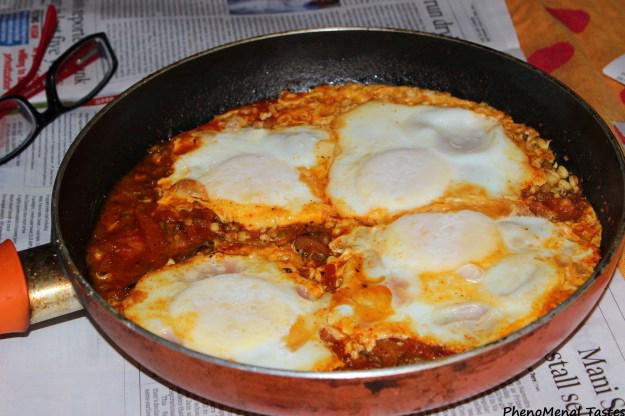
Recipe: Shakshuka with Feta Cheese
Ingredients:
- 1 tablespoon olive oil
- 1 medium onion, sliced
- 1 medium red bell pepper, sliced
- 3 cloves garlic, minced
- 1 teaspoon ground cumin
- 1 teaspoon sweet paprika
- A pinch of cayenne pepper
- 2 14-ounce cans diced tomatoes
- Salt and freshly ground black pepper
- 5-6 large eggs
- 1/2 cup crumbled feta cheese, plus more for serving
- Fresh cilantro, for garnish
- Crusty bread or pita, for serving
Instructions:
- Heat olive oil in a cast iron skillet over medium heat. Add the onions and bell peppers, cooking until soft and translucent, about 10-15 minutes.
- Stir in the garlic, cumin, paprika, and cayenne pepper. Cook until fragrant, approximately 1 minute.
- Pour in the diced tomatoes, and season with salt and pepper. Bring to a simmer, and let it cook until the sauce thickens, about 10 minutes.
- Stir in the crumbled feta cheese.
- Using a spoon, create 5-6 shallow wells in the sauce. Gently crack the eggs into these wells.
- Cover the skillet, or transfer to a preheated oven at 375°F, and cook until the egg whites are set, about 8-12 minutes, depending on how runny you like the yolks.
- Remove from heat. Garnish with fresh cilantro and add additional crumbled feta if desired.
- Serve hot, with crusty bread or pita on the side.
Notes:
- Store leftovers in an airtight container in the refrigerator for up to 3-4 days.
- Reheat gently on the stove over low heat or in the microwave.
- Feel free to adapt with vegetables such as spinach or zucchini, and adjust spice levels to taste.
- For a different cheese variation, try goat cheese instead of feta.
Nutritional information (per serving, assuming 4 servings):
- Calories: 275 kcal
- Carbohydrates: 15g
- Protein: 15g
- Fat: 18g
- Saturated Fat: 6g
- Cholesterol: 285mg
- Sodium: 650mg
- Fiber: 4g
- Sugar: 8g