Zoodles: A Wholesome Pasta Alternative Zucchini noodles, or "zoodles," have become a kitchen staple thanks to their health benefits and versatility. You…
Delishing
Pesto Pasta with Tomatoes Recipe

Maya Brooks
Maya Brooks is a dedicated home cook and the lead recipe developer at Delishing, where she shares practical, foolproof meals for everyday life. With over a decade of hands-on kitchen experience, she specializes in creating approachable dishes that fit a variety of dietary needs and modern cooking methods. Maya is passionate about helping busy people get delicious, stress-free food on the table without needing formal culinary training.
Exploring Pesto and Its Variations
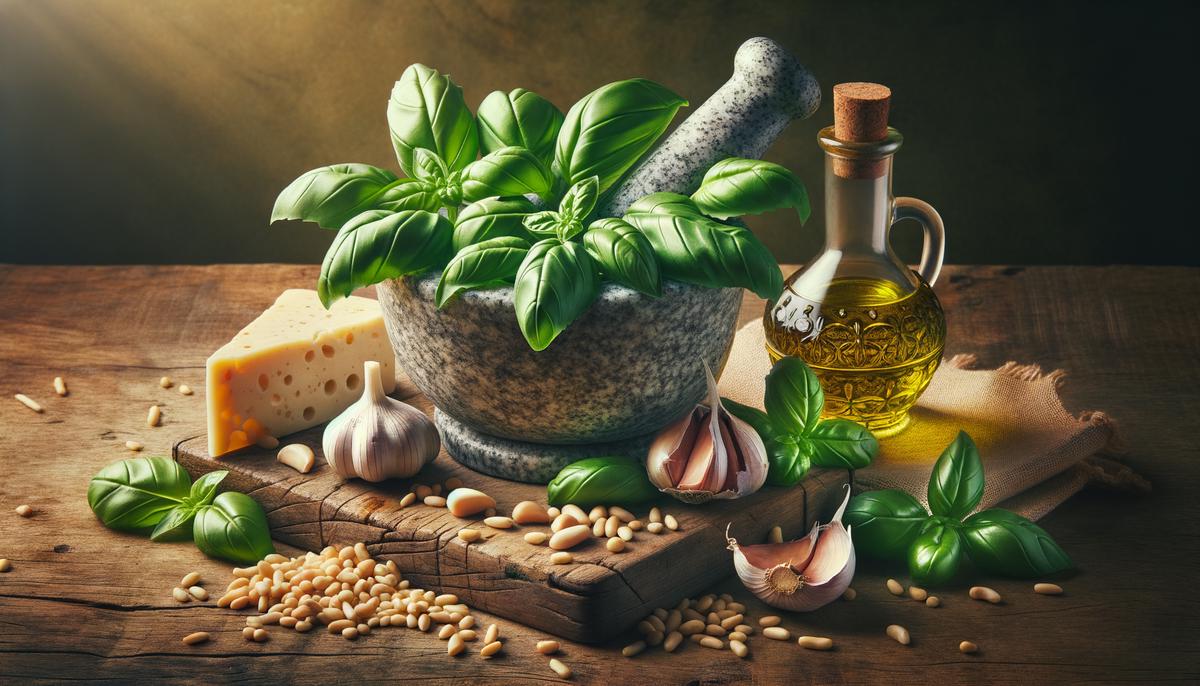
Pesto, the green gem of Italian cuisine, is rooted in aromatic basil leaves. Fresh basil, garlic, pine nuts, and Parmesan cheese create a rich, fragrant experience that whisks you away to sun-drenched Italian landscapes. It's a simple symphony, each ingredient playing its part beautifully. But let's not get stuck in tradition—sun-dried tomatoes add a tangy sweetness that complements classic pesto perfectly.
Getting the consistency right is an art. Start by blending basil, garlic, and pine nuts into a smooth paste. Try using a mortar and pestle for an authentic, slightly rustic finish. It takes some elbow grease, but the texture is worth it.
High-quality extra virgin olive oil brings everything together. Opt for one with a rich, fruity profile—it's the backbone of your sauce. Lightly toasted pine nuts enhance the nutty depth, while freshly grated Parmesan adds a salty, creamy balance.
Sun-dried tomatoes are the unsung heroes. Fold them into the pesto for a burst of concentrated sweetness. A dash of lemon zest or juice can brighten the flavors, cutting through the richness. For a milder garlic kick, try sautéing it first.
Choose your pasta wisely. Al dente keeps the texture lively, working hand in glove with the creamy pesto. Penne cradles the sauce in its grooves, while spaghetti creates pretty pesto pearls. Whatever you pick, let it support the star of the show—your homemade pesto.
Personal Anecdote: A Pesto Love Story
Picture this: Me, a young mom with pesto stains on my shirt, a thriving basil plant in the window, and kids zooming around like caffeinated bees. One Sunday, tired of our spaghetti routine, I decided to try making pesto.
I tossed fresh basil, garlic, olive oil, and pine nuts into my garage sale food processor. As the green goodness swirled, the kitchen filled with scents of sunny Italian holidays. The kids wrinkled their noses at first—green wasn't their favorite color on a plate. But one taste, and they were hooked.
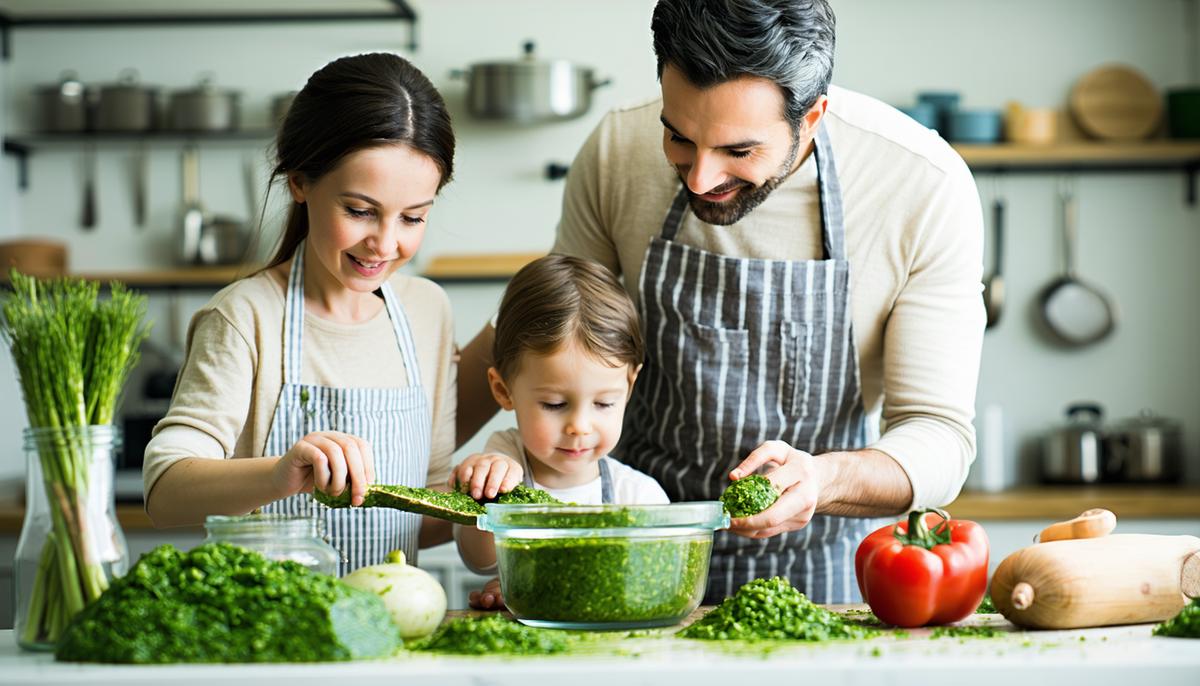
We twirled our pesto-drenched spaghetti, declaring weekday dinners forever changed. Soon, little hands were helping grate Parmesan (sometimes their fingers too) and learning to toast pine nuts without burning them. Our kitchen became the heart of family fun.
That lazy Sunday experiment blossomed into a cherished tradition. Now, "pasta night" always means "pesto night" in our house. It's amazing how something so simple can become a family's treasured memory. So grab some basil and start swirling—you never know what delicious adventures await in your kitchen!
Tips for Perfectly Cooked Pasta
Cooking pasta to perfection is simpler than you might think. Start by salting your water generously—about a tablespoon per gallon. This seasons the pasta from the inside out.
Once your water's at a rolling boil, add the pasta. Follow package instructions, but trust your taste buds. Al dente pasta should have a slight bite, usually a minute or two before the suggested time. To prevent sticking, skip rinsing with cold water. Instead, save a cup of that starchy cooking water—it's liquid gold for your sauce.
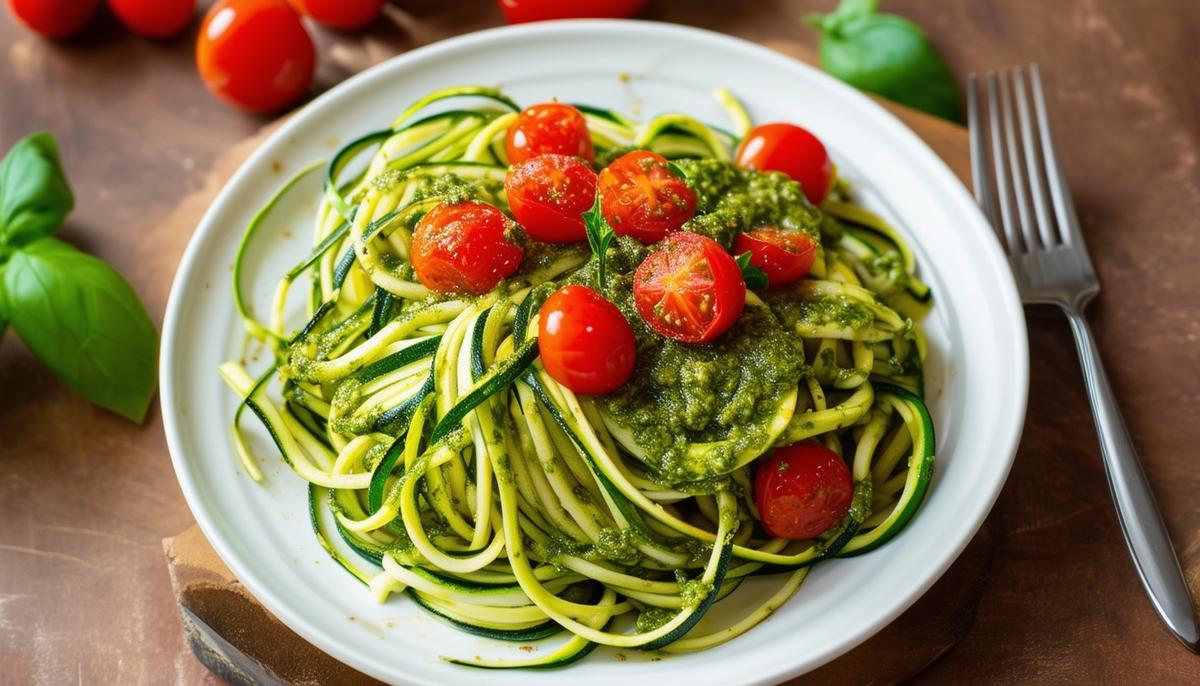
For a low-carb twist, try zucchini noodles. A quick sauté in olive oil for a minute or two gives them a perfect al dente crunch. They're a great vessel for pesto or any sauce you fancy.
Whether you're using classic spaghetti or fresh zucchini, nailing the timing transforms your ingredients into a dish that lets both pasta and sauce shine.
The Art of Tossing: Mixing It All Together
Combining pasta and sauce can elevate your dish from good to irresistible. After cooking your pasta al dente, reserve about a cup of the cooking water before draining. This starchy liquid is your secret weapon for a clingy, luscious sauce.
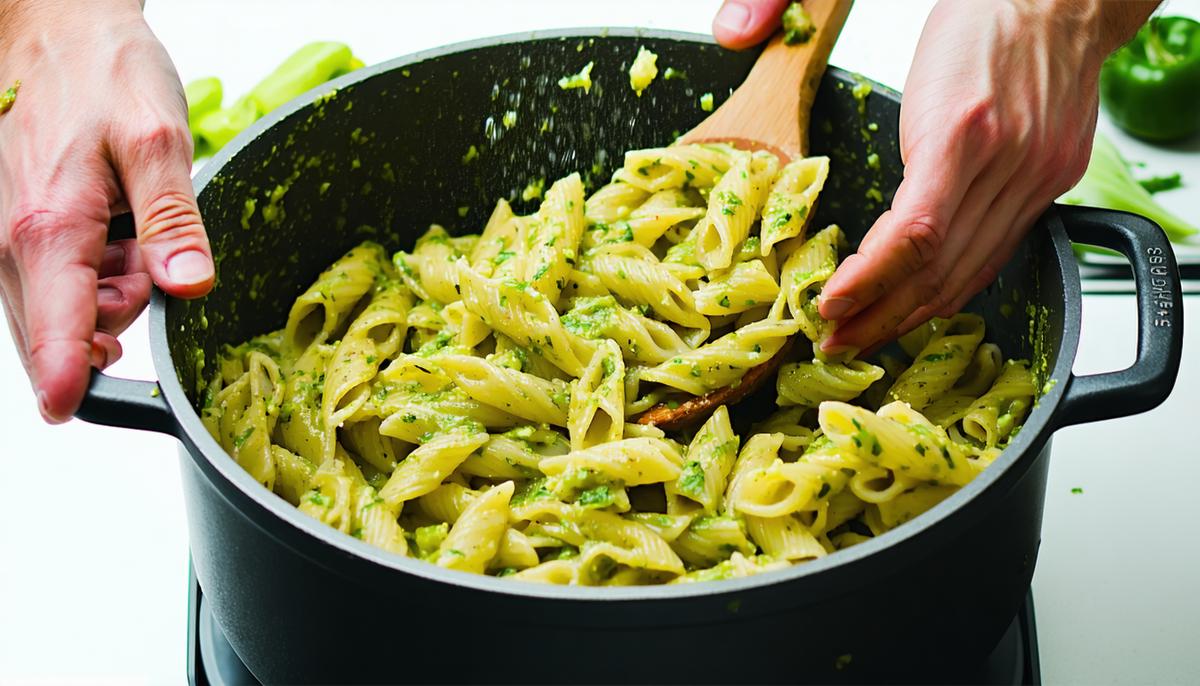
Return the warm pasta to the pot and add a generous portion of pesto. Gently fold in the sun-dried tomatoes using tongs or a pasta fork. The goal is even coating without mushing everything together.
Gradually add splashes of reserved pasta water, mixing as you go. This creates a silky consistency, helping the pesto cling to every noodle. The sun-dried tomatoes will add bursts of flavor throughout.
Taste and adjust seasoning if needed. A pinch of salt or twist of pepper can make those flavors sing. This simple technique ensures every bite is a perfect harmony of basil, nuts, and tangy tomatoes—a deeply satisfying homestyle dish without any fuss.
Recipe: Pesto Pasta with Sun-Dried Tomatoes
Ingredients:
- 12 oz pasta (penne or fusilli)
- 1 cup pesto sauce
- 0.5 cup sun-dried tomatoes, chopped
- 0.25 cup grated Parmesan cheese
- 2 tablespoons olive oil
- Salt and black pepper to taste
Instructions:
- Cook pasta until al dente. Drain, reserving a cup of pasta water.
- Return pasta to the pot and keep warm.
- Add pesto and sun-dried tomatoes. Stir to combine.
- Gradually add reserved pasta water until sauce reaches desired consistency.
- Season with salt and pepper.
- Serve hot, sprinkled with Parmesan cheese.
Variations:
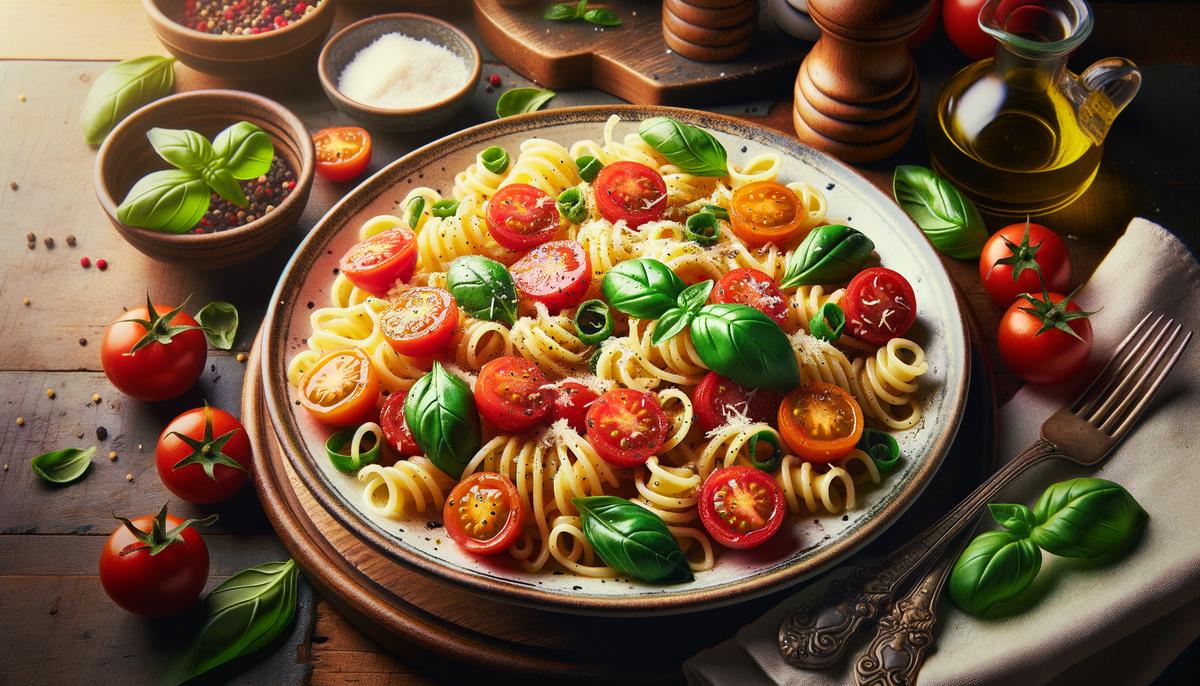
- Use cherry tomatoes for a fresher taste.
- Add cooked chicken or shrimp for protein.
- Swap Parmesan for nutritional yeast to make it vegan.
Nutritional Information (per serving):
- Calories: 450 kcal
- Carbohydrates: 50 g
- Protein: 12 g
- Fat: 22 g
- Saturated Fat: 4 g
- Sodium: 400 mg
- Potassium: 300 mg
- Fiber: 3 g
- Vitamin A: 500 IU
- Vitamin C: 10 mg
- Calcium: 150 mg
- Iron: 2 mg
- Rao R, Raghavan S. Pesto: A Comprehensive Review. J Food Sci Technol. 2018;55(5):1799-1807.
- Oliveira D, Villas-Boas F, Grassi S, et al. Comparison of Different Brazilian Artisanal Cheeses as Ingredient in Pesto Sauce. J Food Sci. 2019;84(8):2177-2185.
- Caponio F, Gomes T, Pasqualone A. Phenolic compounds in virgin olive oils: influence of the degree of olive ripeness on organoleptic characteristics and shelf-life. Eur Food Res Technol. 2001;212(3):329-333.