
The Irresistible Charm of Garlic Butter Shrimp Garlic butter shrimp has that unmistakable pull. The buttery garlic aroma leads my kids straight to the…
Delishing
One-Pot Spaghetti Bolognese

Maya Brooks
Maya Brooks is a dedicated home cook and the lead recipe developer at Delishing, where she shares practical, foolproof meals for everyday life. With over a decade of hands-on kitchen experience, she specializes in creating approachable dishes that fit a variety of dietary needs and modern cooking methods. Maya is passionate about helping busy people get delicious, stress-free food on the table without needing formal culinary training.
Aromatic Foundations
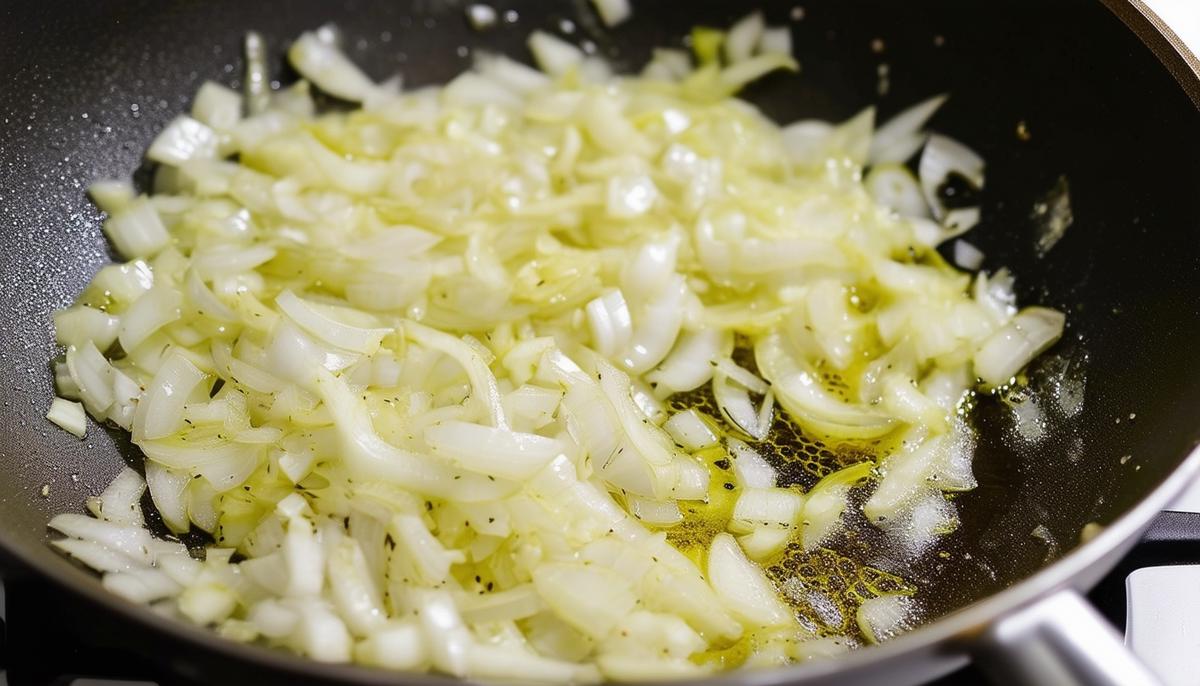
The aroma of onions and garlic sizzling in olive oil is pure magic—transforming my kitchen into a festival of savory goodness. This duo lays the foundation for my one-pot spaghetti bolognese, setting the stage for a dance of flavors that'll have everyone lining up, forks in hand.
The secret to unlocking their full potential lies in the flame. Set that burner to medium heat—not too timid, not too fierce. Toss in those finely chopped onions and let them sweat out their sweetness until they're just translucent, turning from crunchy to a soft, glistening gold. Don't rush this, it's like coaxing a stubborn toddler out of a tantrum; patience is your ally.
And garlic, oh dear garlic. Mince it fine, almost as though you're whispering sweet nothings into the pasta's ear. Hold off for just a moment before letting it join the onions, lest you want burnt bitterness instead of that sweet, perfumed aroma that warms the soul.
Here's a nifty trick—I often add a smidge of salt right when those onions hit the heat. It draws out the moisture faster, speeding up the softening process. And should you find yourself with a case of the browning butterfingers, keep a splash of broth on hand to rescue over-ambitious browning.
I remember one evening, hastening this sauté while my gang of little humans hovered like hungry piranhas. The garlic threatened to over-brown, I panicked and splashed a bit of chicken broth. Triumph! It did the trick and added an unexpected layer of depth to the sauce that had even the crankiest critic asking for seconds.
The Versatility of Ground Beef
Ground beef—the unsung hero of many a home-cooked meal, and a cornerstone of my beloved bolognese. There's something wonderfully reliable about it, just knowing it's there in the fridge, ready to become a comforting dish that brings everyone to the table.
For bolognese, the fat percentage is key. I'm partial to beef with a 15% fat content. It strikes a balance between flavor and healthiness, offering richness to the sauce without making it too greasy. A little fat plays an important part in enhancing the dish's texture and flavor, making it hearty and satisfying.
On occasions when I've gone for a leaner option, around 10%, I noticed it comes out slightly less indulgent. That being said, nobody complained—I just threw an extra splash of olive oil in there for good measure. And what's life without a little improvisation, right? Now, if you're watching your waistline like I tried one ambitious January, swapping ground beef for turkey or chicken can work wonders without sacrificing taste.
Next time you're meat shopping, take a moment to appreciate the possibilities each package holds. And if you feel overwhelmed with choices, maybe you can do what I do—close your eyes, take a deep breath, and make that executive decision. Whatever you pick, it'll surely transform your pot of bolognese into something beautifully satisfying.
In the end, ground beef isn't just meat; it's the groundwork on which culinary memories are built. So choose with your heart and cook with intention—or, if you're like me, with a bunch of hungry kids gnawing at your ankles.
Herbs and Seasonings: Unsung Heroes
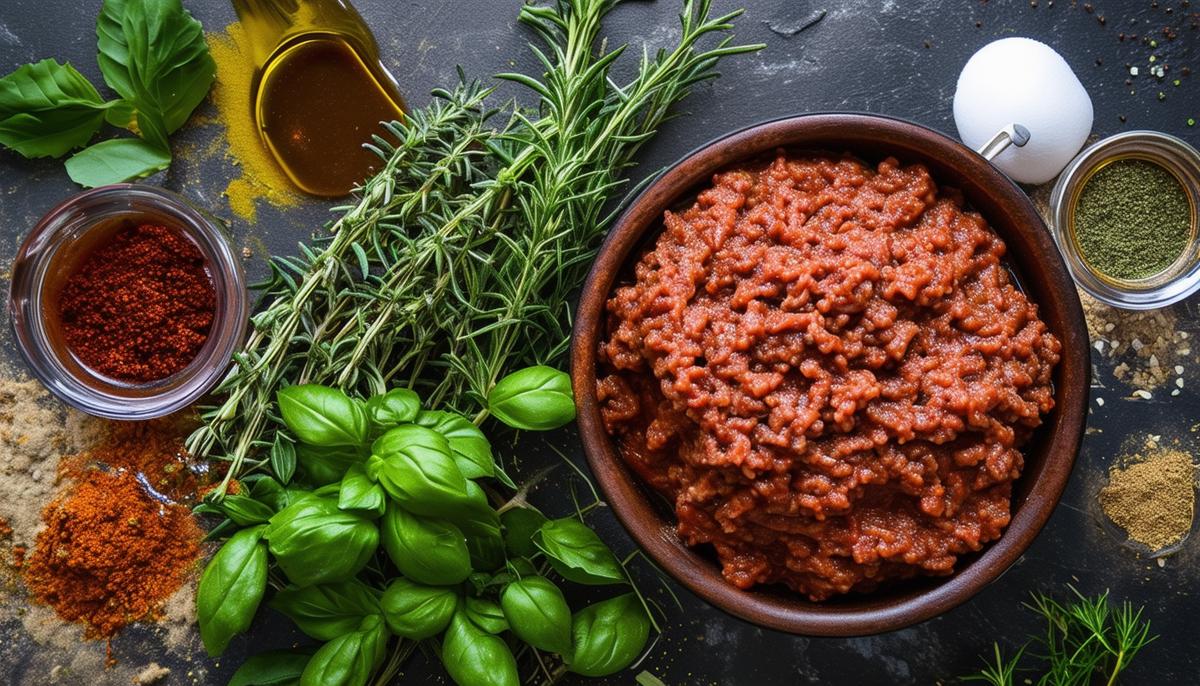
Herbs and spices have a magical way of transforming a simple dish into something extraordinary. Take Italian herbs—they pack a punch with their aromatic blend of oregano, rosemary, and thyme. I remember my first encounter with this mix; one sprinkle turned a bland sauce into a vibrant masterpiece. It was like striking culinary gold.
Chili flakes add heat and spice, bringing warmth that awakens the taste buds without overpowering the other flavors. But, a word of caution—these little flakes can sneak up on you. One evening, I got a bit too generous, and my kids were fanning their mouths with dinner napkins. Needless to say, I now add them with a bit more caution.
And then there's Worcestershire sauce—this is my secret weapon. It's all about that umami factor, the savory depth that elevates the classic bolognese to new heights. I first discovered this gem when I was experimenting to see what could give my sauce a richer, more complex taste. Just a splash was all it needed. My family couldn't quite put their finger on what was different, but they knew it was unforgettable.
These unassuming seasonings might be tiny, but they're mighty. They add layers and depth in ways that sometimes surprise even the most seasoned cooks. So as you stand over your bubbling pot, remember that a sprinkle of herbs and a dash of sauce could be all it takes to turn your bolognese into a family favorite.
Choosing the Perfect Pasta
Choosing the right pasta for your bolognese is like picking the perfect pair of shoes for an outfit—essential to tying it all together. For me, spaghetti holds a special place in my kitchen. There's something about those long, thin strands that just feels right, twirling elegantly on the fork, capturing every last bit of that rich, savory sauce.
However, I'm no purist. The beauty of pasta lies in its versatility, and over the years, I've discovered joys in experimenting with different shapes. Rigatoni, with its hearty tube-like structure, captures the sauce beautifully inside and out. Penne, with its angled ends, provides a similar effect, making every mouthful delightful.
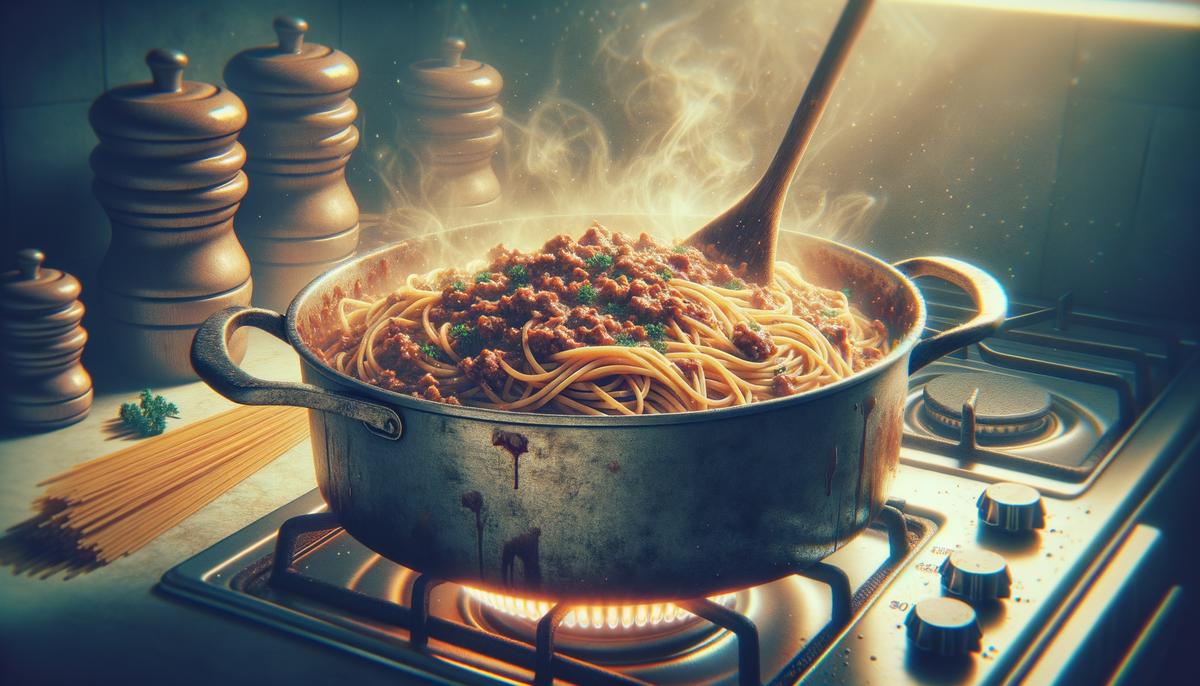
Cooking pasta directly in the sauce was a game-changer for me, too. The pasta drinks in the flavors as it cooks, resulting in a perfectly seasoned dish. Not to mention the sheer convenience—less time, fewer dishes, and more flavor. I did have a moment of amusement once when my youngest accidentally called it "soaked spaghetti," much to our laughter. But it stuck!
I remember tossing in some fusilli just to see what would happen. Its spiral twists clung to the bolognese like it was born for it, adding texture and a bit of fun. Sometimes I let the kids pick their preferred shapes during our shopping trips, turning dinner into an adventure of discovery.
In my kitchen, pasta isn't just food; it's an experience. So go ahead, take a chance on something different. After all, the joy of cooking is about making it your own and creating those cherished moments at the dinner table.

Simplicity and Cleanup
In the bustling chaos of a weeknight, when everyone's schedule is as jumbled as a toddler's sock drawer, simplicity is my saving grace. That's where the magic of one-pot cooking truly shines. Imagine throwing everything—your beef, your pasta, your sauce—into a single pot. The result? A delightful dance of flavors where every ingredient gets to do its part without demanding a slew of pots and pans in return.
The true beauty here is in the streamlined process. You start by browning your ground beef right in that very pot. Once you've got it all nicely crumbled and cooked, just clear a little room, toss your other ingredients in along with the pasta, and set everything to simmer. Before long, your kitchen's filled with the comforting aroma of homemade sauce, mingling together into a delicious harmony.
And let's talk about cleanup. No piles of dishes teetering in the sink, just a single pot standing proudly, having accomplished all the heavy lifting. Here's where my handy little trick comes into play: give the pot a good stir occasionally. This prevents anything from clinging to the bottom, ensuring everything cooks evenly. Plus, it kind of adds to the ritual, the rhythm of it—stirring while humming along to the happenings of home life.
Quick tip: a little hot water or broth can work wonders if things start to look too sticky or dry. It blends effortlessly into the mix without altering the balance of flavors.
So, when evening comes and the household cavalry charges in hungry and expectant, a one-pot masterpiece is there to meet them—simple, delicious, and reassuringly fuss-free. It leaves more time to savor the meal and share laughs around the dinner table, which is really what makes it all worth it.
Ingredient Substitutions and Enhancements
Let's talk ingredient swaps and how tweaking a few details can refresh a beloved recipe like bolognese. For those of us who've peeked into the pantry only to find we're out of beef broth, a quick pivot to chicken broth is a game-changer. It brings a different depth that lightens the overall taste but keeps the richness intact. This little swap has saved me more than once, proving to be a worthy stand-in, especially when aiming for a slightly less intense flavor.
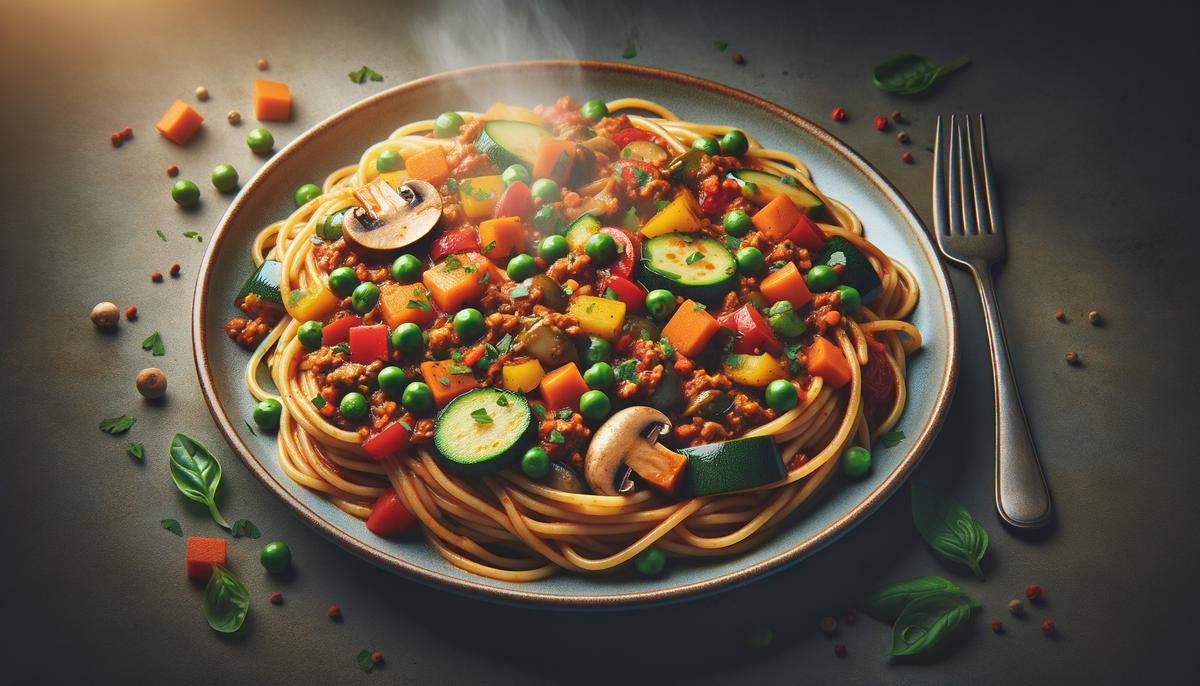
Experimenting with vegetables is another route to a personalized touch. A handful of mushrooms or some chopped bell peppers can bring a new dimension of texture and taste, sneaking in extra nutrients, too! I've added zucchini slices on a whim and found it complemented the robust tomato flavor beautifully. When my kids, experimental critics they are, demanded a veggie-packed dish one night, I obliged with carrots and peas, resulting in a meal that was not just colorful but joyfully scarfed down.
Then we have those "what if?" moments, like substituting traditional white spaghetti for whole wheat or even a gluten-free option. It diversifies the taste and texture, bringing a wholesome vibe to the table. My husband, a pasta aficionado, even admits it's a subtle yet satisfying change.
Ultimately, the charm of a dish like bolognese lies in its ability to transform with your kitchen whims. Swapping and enhancing ingredients isn't just practical; it's a declaration of cooking with heart and intuition. So, next time you're in the kitchen, don't shy away from mixing it up a bit. Your bolognese might just surprise you—and perhaps inspire your own stories of kitchen creativity.
Cooking Tips for Success
Success in the kitchen isn't always about perfection; it's about adapting. Take pasta—it's easy to overcook. My tip? Set a timer and taste test as it nears readiness. There's no shame in sampling your creation along the way.
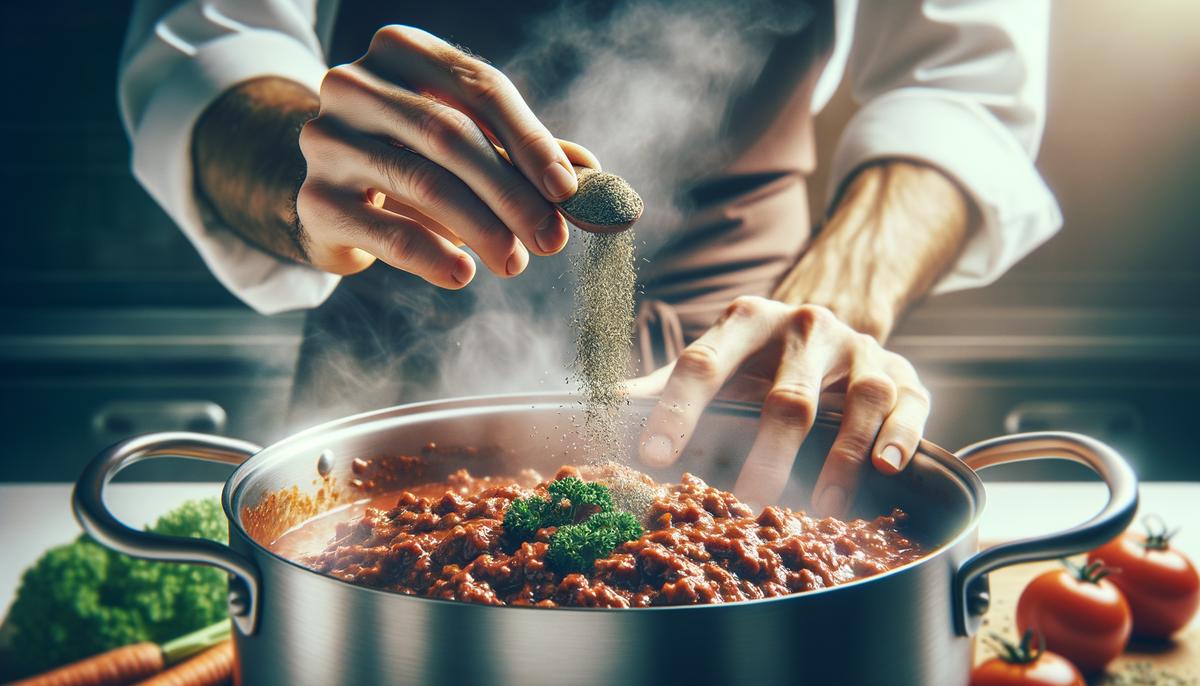
For a smooth bolognese, whisk your sauce before adding it to the pot, especially with tomato paste involved. This helps dissolve ingredients evenly and avoids clumps.
Seasoning is about layers. Start with a conservative pinch of salt and herbs. You can always add more, but you can't take it out. I learned this lesson during one dinner where my salt guess turned the meal into something fit for sea creatures. A raw potato saved the day, soaking up excess salt.
If your sauce seems lacking, a splash of vinegar or lemon juice might brighten things up. Try a dash of Worcestershire sauce for richness or a hint of sugar to balance tomato acidity.
Remember, have fun during the process. Mistakes are part of the journey and often lead to happy discoveries. Every misstep builds confidence in the kitchen.
Storage and Reheating Tips
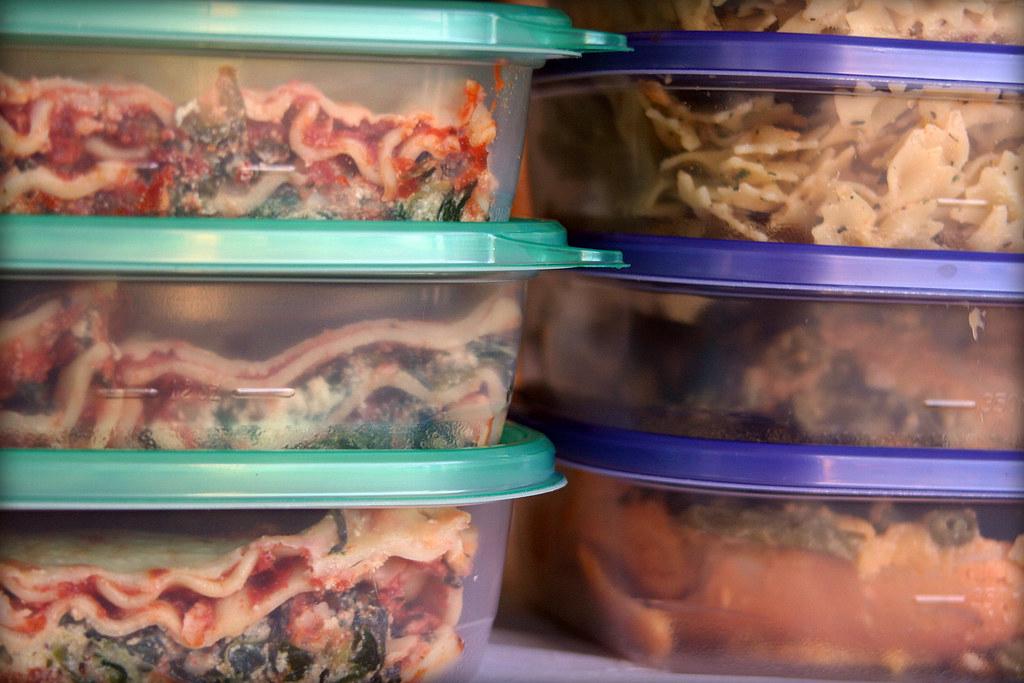
After enjoying your one-pot bolognese, store leftovers in an airtight container in the fridge. I swear by the motto "the longer they sit, the better they get," as flavors meld beautifully overnight.
To reheat, warm it on the stove over medium heat, adding a splash of broth or water if it's too thick. Stir gently for even heating.
Microwave fan? No problem. Place it in a microwave-safe bowl, cover loosely, and heat in short bursts, stirring between. Both methods ensure you won't end up with rubbery pasta but rather a meal that tastes just as good—if not better—than it did fresh.
There you have it, a bit of comforting pasta joy ready to be relived with each reheat.
One-Pot Spaghetti Bolognese Recipe
Ingredients:
- 2 tablespoons olive oil
- 1 medium onion, finely chopped
- 4 garlic cloves, finely minced
- 1 pound lean ground beef (10-15% fat content)
- 2 tablespoons tomato paste
- 1 teaspoon Italian herb mix
- 1 teaspoon salt
- 1/4 teaspoon black pepper
- 3 cups tomato passata or pureed tomatoes
- 4 cups beef broth or chicken broth
- 1 teaspoon Worcestershire sauce
- 1 teaspoon light soy sauce
- 8 ounces uncooked spaghetti
- 1/4 teaspoon red pepper flakes (optional)
- Freshly grated Parmesan cheese, to serve (optional)
Instructions:
- Heat olive oil in a large pot over medium heat. Add onion and sauté until translucent.
- Add garlic and cook for 30 seconds, stirring constantly.
- Increase heat to medium-high and add ground beef. Cook until no longer pink.
- Stir in tomato paste, Italian herbs, salt, and pepper, cooking until paste caramelizes.
- Pour in passata, broth, Worcestershire sauce, and soy sauce. Stir well.
- Bring to a boil, then add spaghetti, ensuring it's submerged.
- Reduce heat to a gentle simmer and cook, covered, for 10-12 minutes or until spaghetti is al dente, stirring occasionally. Add red pepper flakes in the last 5 minutes if using.
- Taste and adjust seasoning if needed.
- Remove from heat and stir gently to coat pasta evenly.
- Serve topped with Parmesan cheese if desired.
Nutritional information (per serving, assuming 4 servings):
kcal: 562
carbohydrates: 52g
protein: 36g
fat: 25g
saturated fat: 8g
fiber: 4g
sugar: 8g
sodium: 1258mg