In today's fast-paced world, finding the right balance in our eating habits can feel challenging. With so many dietary options available, it's easy to get…
Delishing
Low Blood Pressure Diet: Foods That Can Help You Feel Steadier Again

Maya Brooks
Maya Brooks is a dedicated home cook and the lead recipe developer at Delishing, where she shares practical, foolproof meals for everyday life. With over a decade of hands-on kitchen experience, she specializes in creating approachable dishes that fit a variety of dietary needs and modern cooking methods. Maya is passionate about helping busy people get delicious, stress-free food on the table without needing formal culinary training.
If you’ve ever stood up too fast and had the room spin a little… or felt weirdly tired for no clear reason… or wondered why your energy seems to vanish halfway through the day — low blood pressure might be part of the story.
Low blood pressure (also called hypotension) doesn’t get nearly as much attention as high blood pressure, but that doesn’t mean it’s harmless. When your blood pressure runs too low, your brain and body may not get the oxygen they need — and that can show up as dizziness, fatigue, fogginess, or even fainting.
The good news? For many people, food and hydration can make a real difference. Not overnight miracles — but steady, noticeable improvements that help you feel more grounded in your body again.
Let’s walk through what causes low blood pressure, how diet fits in, and the foods that can support more stable readings day to day.
What Causes Low Blood Pressure?
Low blood pressure is typically defined as a reading below 90/60 mmHg. Some people naturally sit around this range and feel perfectly fine. Others don’t — and that’s when symptoms show up.
Common causes include:
- Dehydration
Not drinking enough fluids (or losing too much through heat, illness, or exercise) reduces blood volume. - Nutrient deficiencies
Low levels of iron, vitamin B12, folate, or sodium can affect circulation and energy. - Medications
Certain drugs used for heart conditions, depression, or neurological disorders can lower BP as a side effect. - Medical conditions
Hormonal imbalances, nervous system disorders, and chronic illnesses can interfere with blood pressure regulation.
Symptoms may include dizziness, blurred vision, nausea, fatigue, confusion, or fainting. If these are frequent or severe, medical guidance matters (more on that below).
How Diet Can Help Support Low Blood Pressure
Food isn’t medicine — but it is information for your body.
For people with low BP, the right eating pattern can help:
- Maintain hydration and blood volume
- Support steady blood sugar (crashes can worsen symptoms)
- Provide key nutrients like sodium, iron, folate, and B12
- Reduce sudden dips after meals
Consistency matters here. Skipping meals, under-eating, or going long stretches without fluids can all make symptoms worse — even if your food choices are “healthy” on paper.

15 Foods That Can Help Increase Low Blood Pressure
These aren’t magic fixes. They’re supportive, accessible foods that work best as part of a balanced, regular eating routine.
1. Salted Nuts
A small handful offers sodium, protein, and healthy fats — great when you feel lightheaded between meals.

2. Olives
Naturally salty and easy to add to salads, sandwiches, or pasta. Canned options work just fine.

3. Cheese
Provides sodium and protein in a compact form. Pair with fruit or whole-grain crackers for balance.

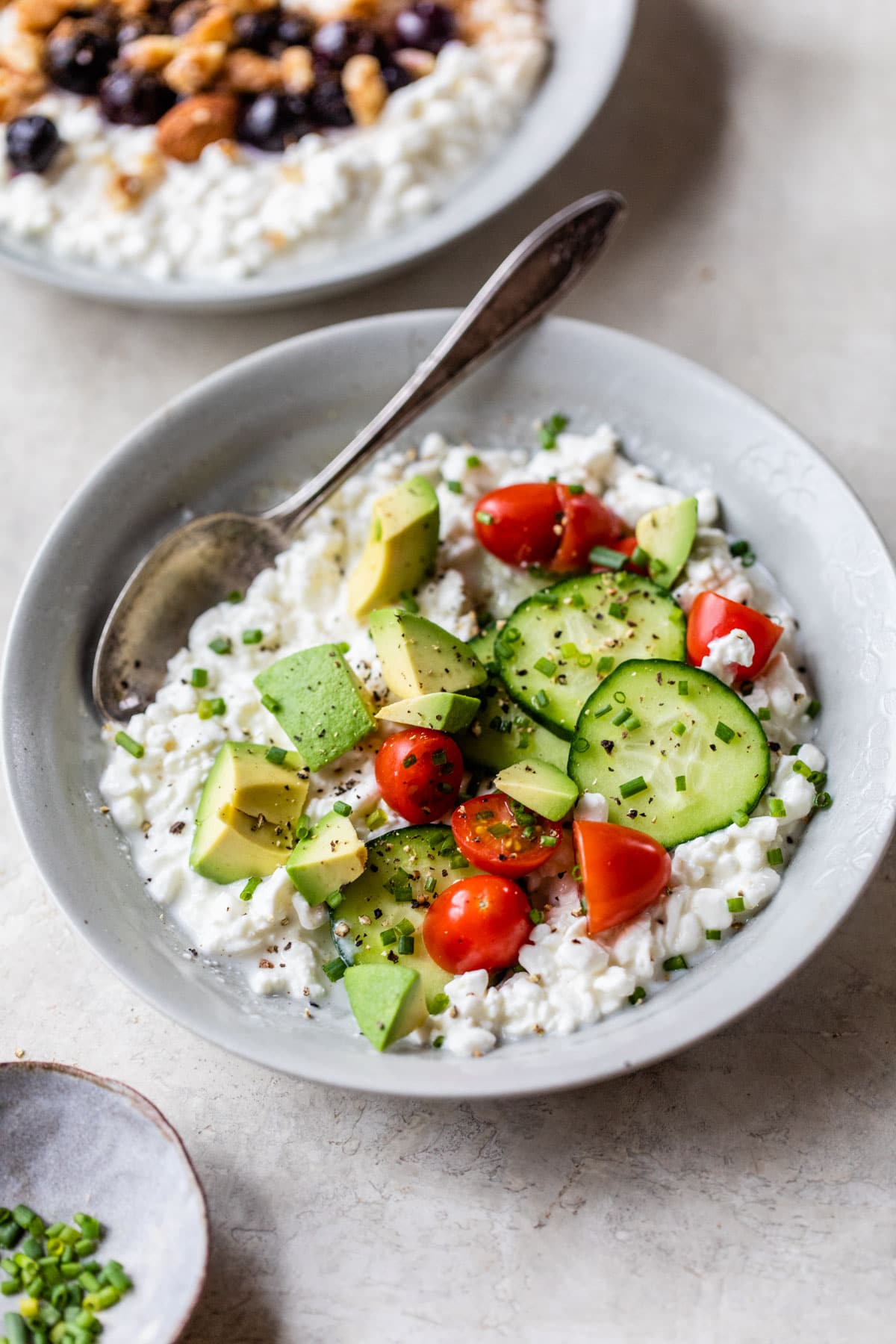
4. Cottage Cheese
High in protein and sodium. Works sweet (with fruit) or savory (blended into eggs or spreads).
5. Caffeinated Drinks (in moderation)
Coffee or tea can cause a temporary BP bump. Stick to 1–2 cups and avoid sugary add-ins.

6. Canned Beans
Affordable, shelf-stable, and naturally salty if you don’t rinse them. Great in soups, bowls, or salads.

7. Soups & Broths
Hydration plus sodium in one comforting package. Skip “low-sodium” versions if hypotension is an issue.

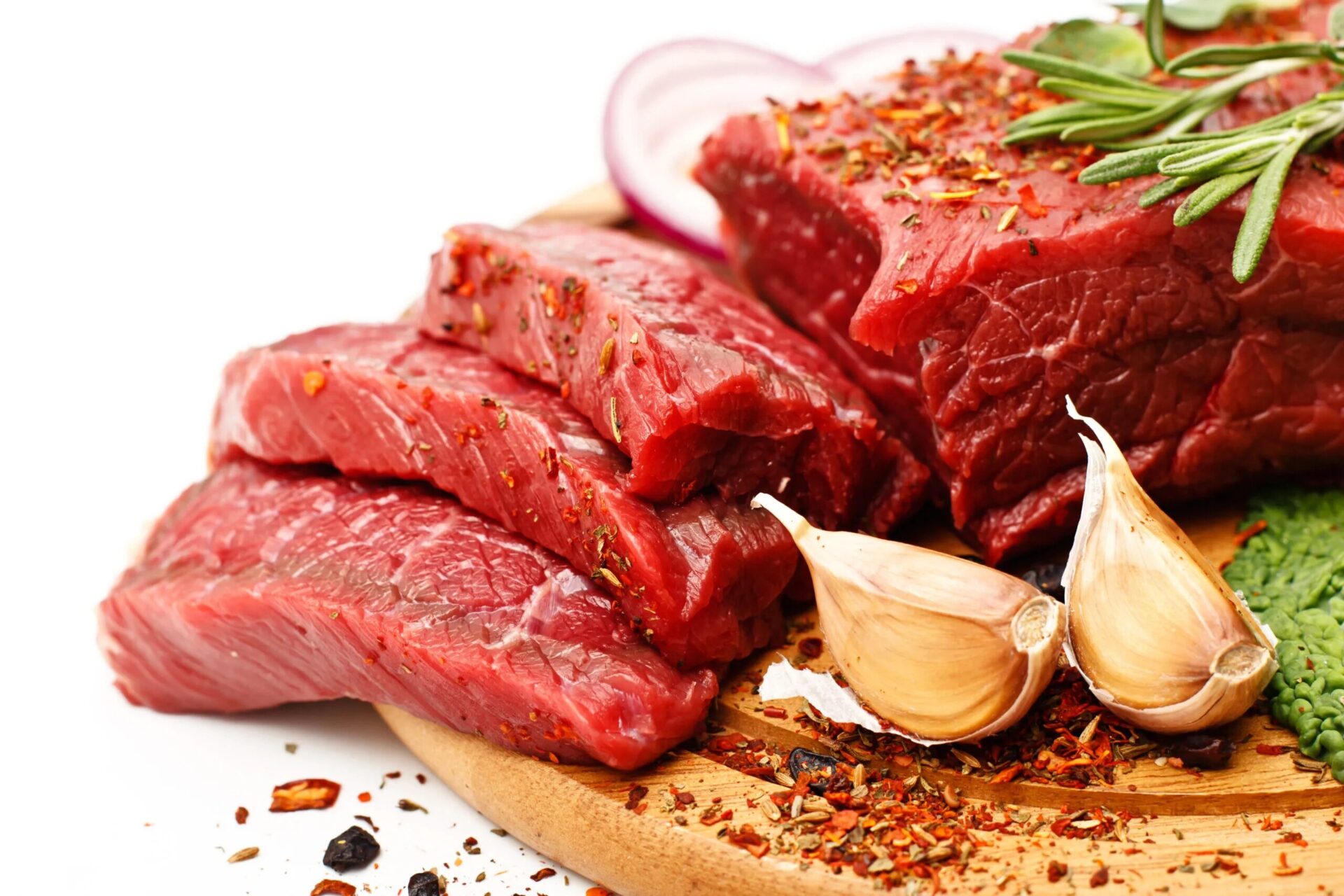
8. Lean Meats
Chicken, turkey, and lean beef provide iron and vitamin B12 — key for oxygen transport and energy.

9. Eggs
Rich in protein and B12. Easy to prepare, easy to digest, and incredibly versatile.

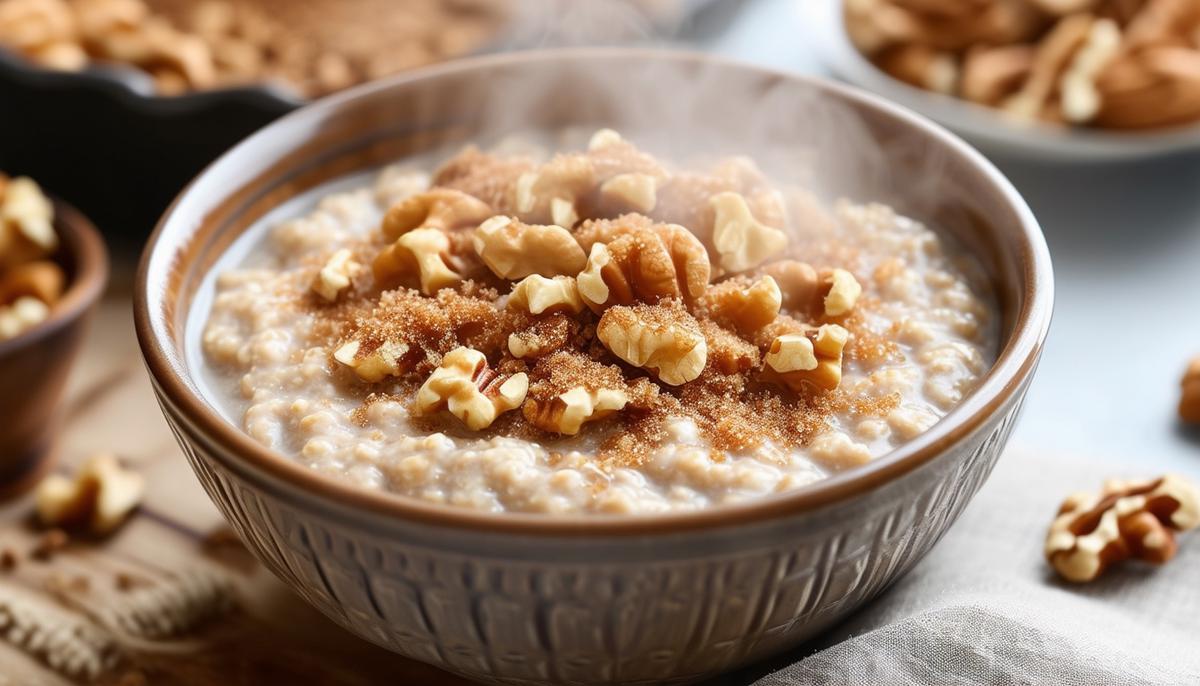
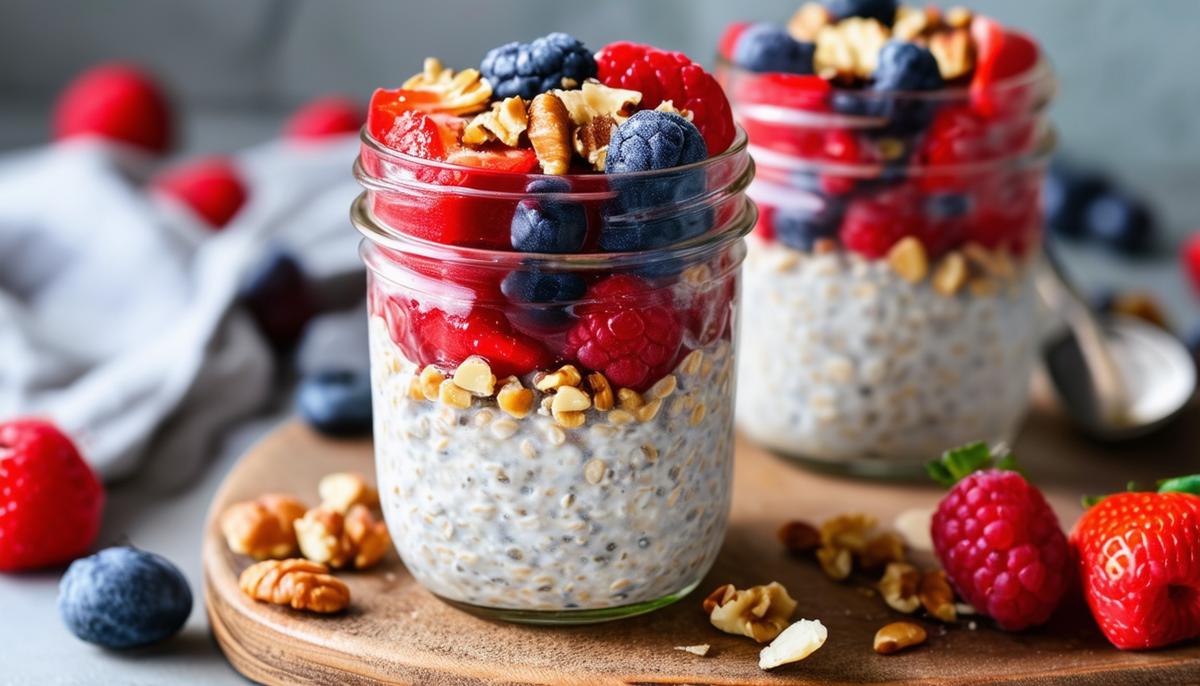
10. Whole Grains
Oats, brown rice, quinoa, and fortified cereals help stabilize blood sugar and energy levels.

11. Bananas
Support fluid balance and are budget-friendly. Freeze extras for smoothies if they ripen too fast.

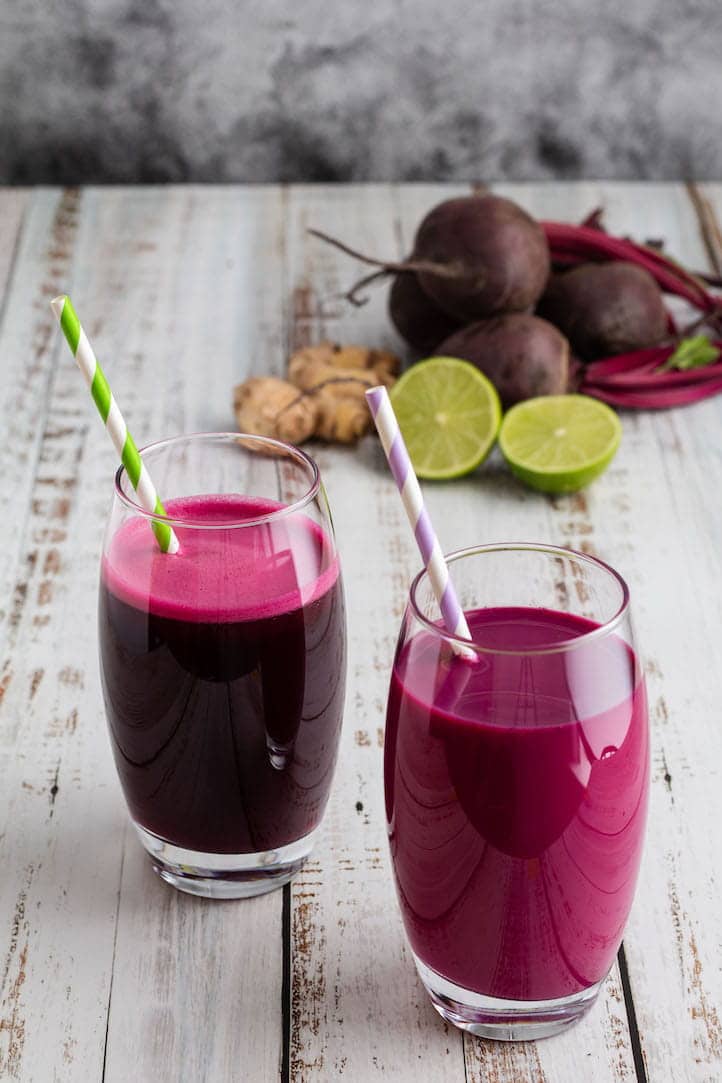
12. Beets (or Beet Juice)
May support circulation. Use in moderation, as they can lower BP in some people.
13. Dried Fruits
Dates, raisins, and apricots provide natural sugars and potassium. Great paired with nuts.

14. Fluids (Yes, This Counts as Food)
Water matters — but electrolyte drinks or coconut water can help prevent drops from dehydration.

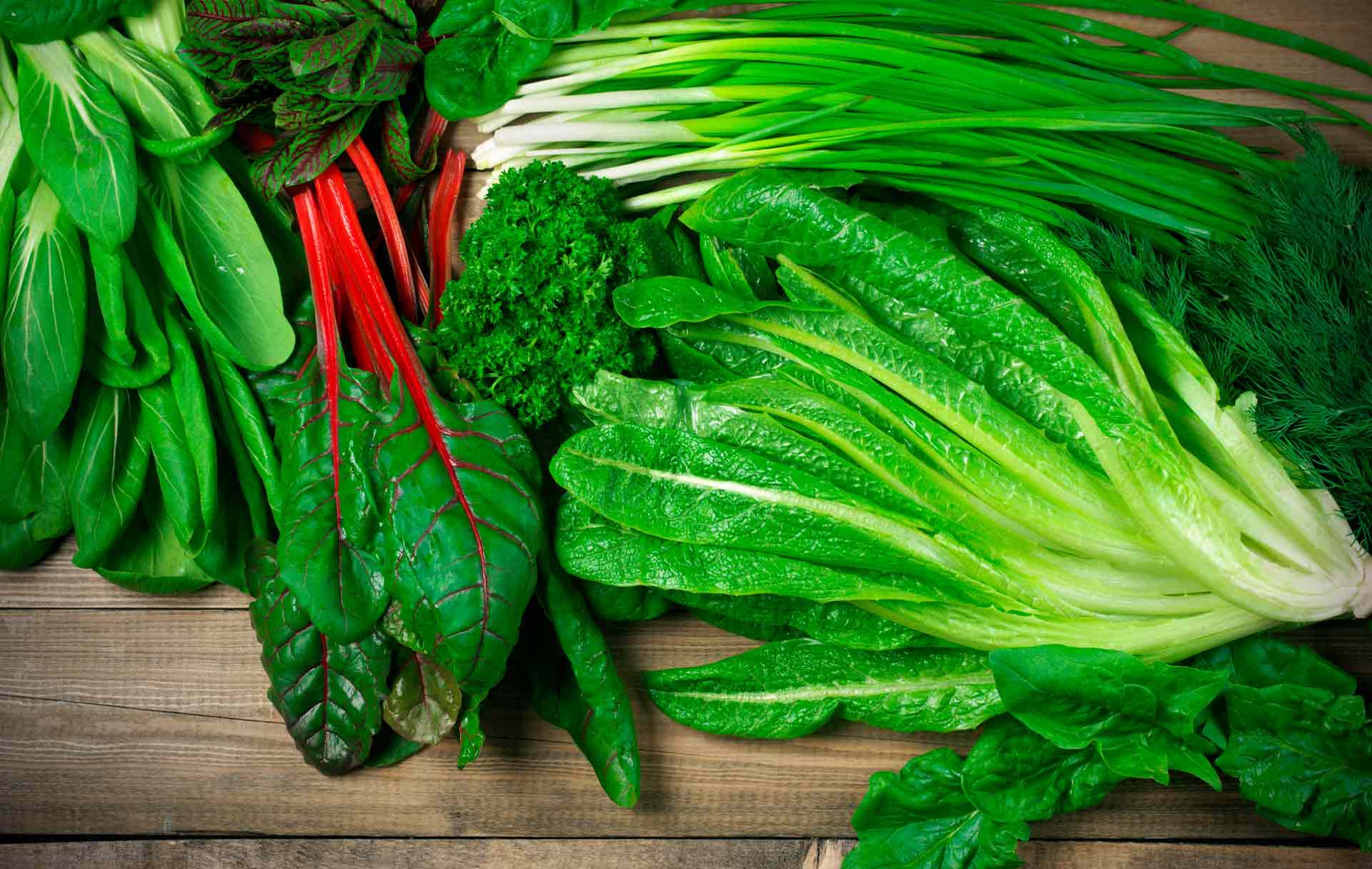
15. Leafy Greens
Spinach, kale, and romaine provide folate and iron. Blend, sauté, or wilt into soups if raw is unappealing.
Additional Eating Tips That Matter More Than You Think
Sometimes how you eat matters just as much as what you eat.
Try these gentle strategies:
- Eat smaller, more frequent meals
- Pair carbohydrates with protein or fat to slow digestion
- Don’t skip breakfast if mornings feel rough
- Sip fluids consistently throughout the day
- Limit alcohol, which can worsen dehydration
- Stand up slowly after meals
Outside the kitchen, compression socks, avoiding extreme heat, and taking breaks when needed can also help.
When to See a Doctor
Diet can help with mild or occasional low BP — but medical support is essential if you experience:
- Frequent fainting or near-fainting
- Chest pain or shortness of breath
- Vision changes or confusion
- Extreme fatigue or weakness
- Rapid or irregular heartbeat
Low blood pressure can signal an underlying condition that needs treatment. If something feels off, trust that instinct and get checked.
Final Thoughts
Living with low blood pressure can feel frustrating — especially when it sneaks up on you in the middle of a normal day.
The goal isn’t to micromanage every bite. It’s to fuel your body consistently, hydrate intentionally, and notice what helps you feel steady.
Small changes — a salty snack, an extra glass of fluids, a balanced breakfast — can add up in a big way over time.
And as always, if you’re making major diet changes or dealing with ongoing symptoms, loop in a healthcare provider or registered dietitian for guidance that’s tailored to you.
Your body isn’t broken. It might just need a little more support.