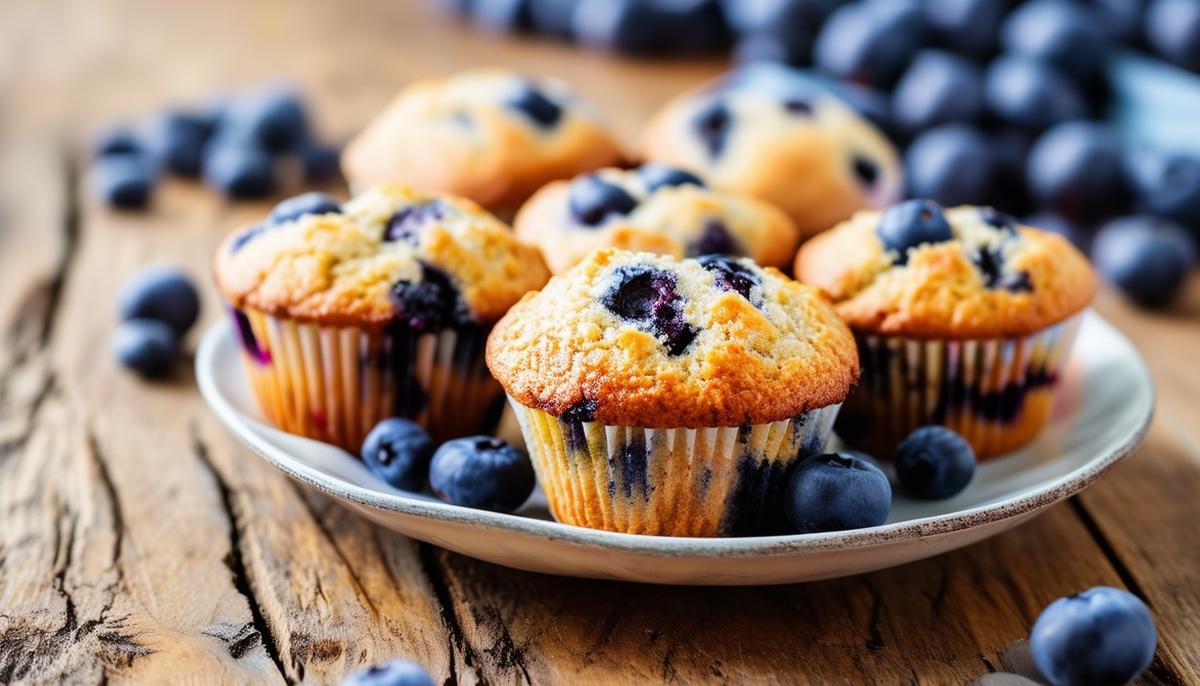
The Allure of Blueberry Muffins Blueberry muffins are the comfort food we all need. They're perfect for busy mornings or lazy weekends, equally at home as…
Delishing
Gluten-Free Blueberry Muffins

Maya Brooks
Maya Brooks is a dedicated home cook and the lead recipe developer at Delishing, where she shares practical, foolproof meals for everyday life. With over a decade of hands-on kitchen experience, she specializes in creating approachable dishes that fit a variety of dietary needs and modern cooking methods. Maya is passionate about helping busy people get delicious, stress-free food on the table without needing formal culinary training.
Getting Started with Gluten-Free Baking
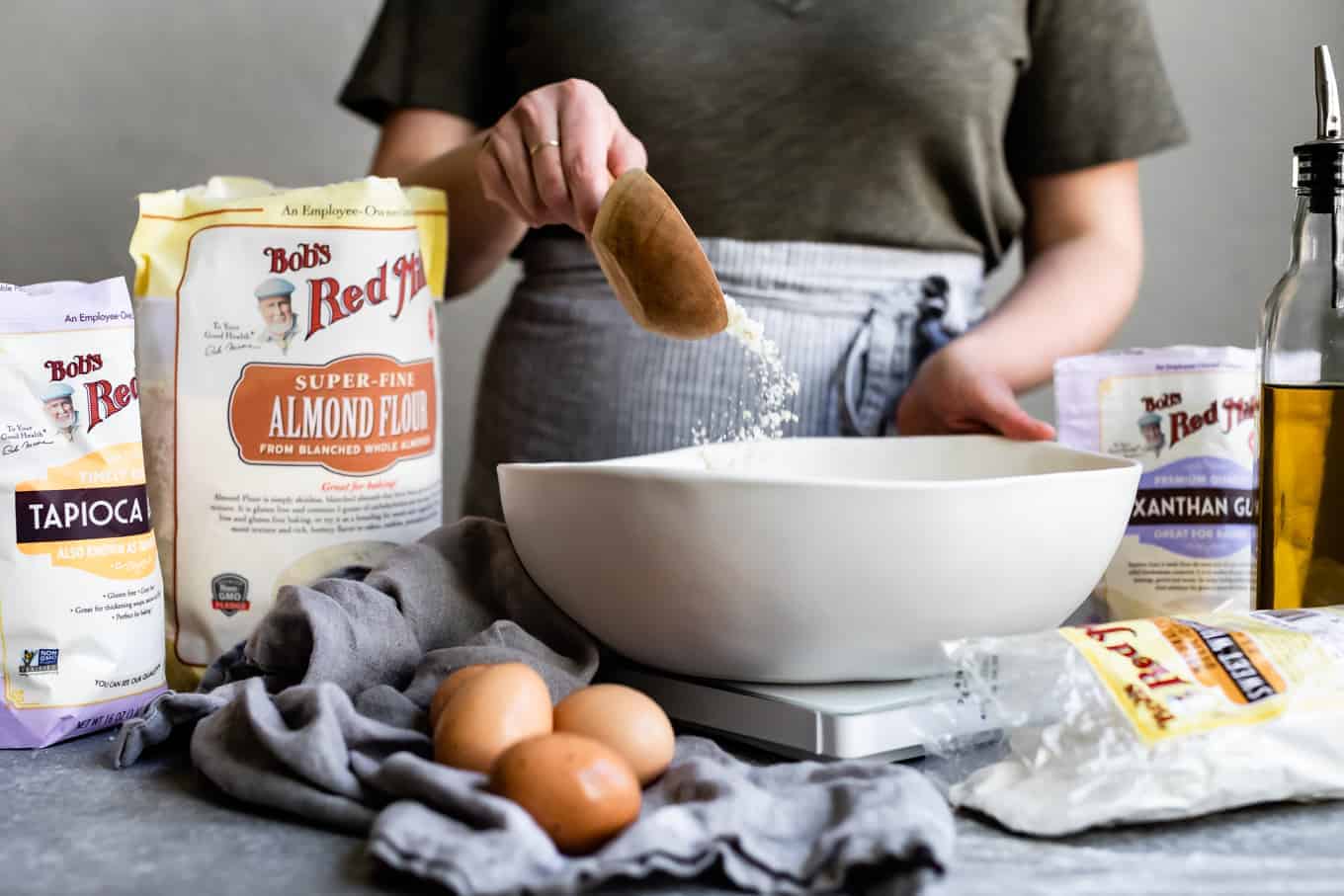
Diving into gluten-free baking is like stepping into a whole new kitchen universe. Forget about traditional wheat flour—we're talking gluten-free flour blends, particularly those 1-to-1 options with xanthan gum. This little ingredient holds your baked goodies together like a tight-knit group of besties.
The texture in gluten-free baking is different. You'll find gluten-free goodies to be a tad lighter, airier, and a bit chewier. The taste can surprise you too, often a little nutty or sweet, thanks to the unique blends of alternative grains.
If you're sensitive to gluten, these recipes aren't just a trend—they're a way of life. And even if you aren't, trying out gluten-free baking can expand your palate and make room for those with dietary restrictions at your table. It's about embracing diversity—even dough diversity!
Jumping into gluten-free baking is all about switching gears, loving the flour mix, and coasting on the added bonus of variety and inclusivity in your food choices. And if along the way, you manage to whip up muffins that are divine, well, that's just a cherry—or blueberry—on top.
Personal Anecdotes and Tips
My first gluten-free muffin attempt was a disaster. My kitchen looked like a flour bomb had exploded, and my muffins resembled hockey pucks. But I wasn't about to let a muffin batter beat me.
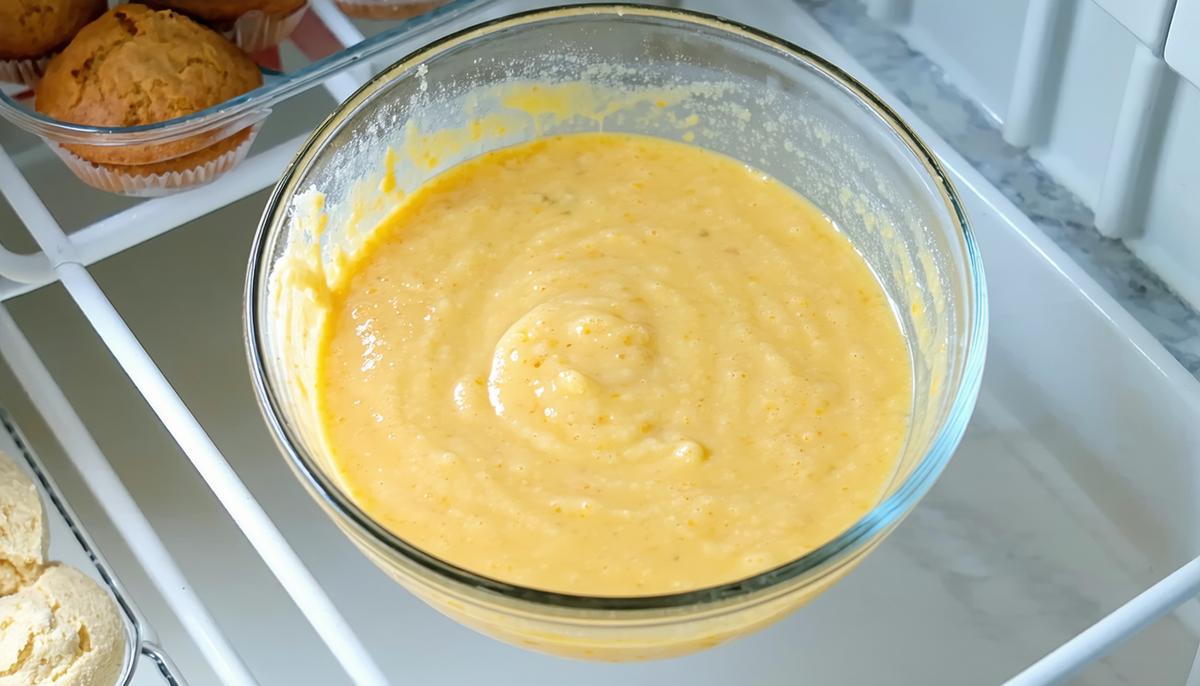
After some trial and error, I discovered the magic of chilling. Letting your muffin batter take a nap in the fridge allows the flours to fully absorb the moisture, giving you a firmer batter to work with and beautifully domed tops once baked. We're going for mountain peaks, not pancake plains.
Start with a hot oven. This simple step was a revelation. Begin your bake at a high temperature, then dial it down. It gives that initial burst of heat, encouraging the muffins to shoot up proud and tall.
Don't underestimate the power of a good flour blend! I once switched brands and ended up with disappointing results. The right blend, with xanthan gum, is paramount. It provides the structure and texture we all crave. Once you've settled on your trusty flour, stick with it.
So next time you're in your baking groove, remember: chill that batter, crank that initial temp, and cherish your chosen flour blend like it's your new best friend. Your gluten-free muffins will be the talk of the town—or at least your kitchen counter.
Essential Ingredients
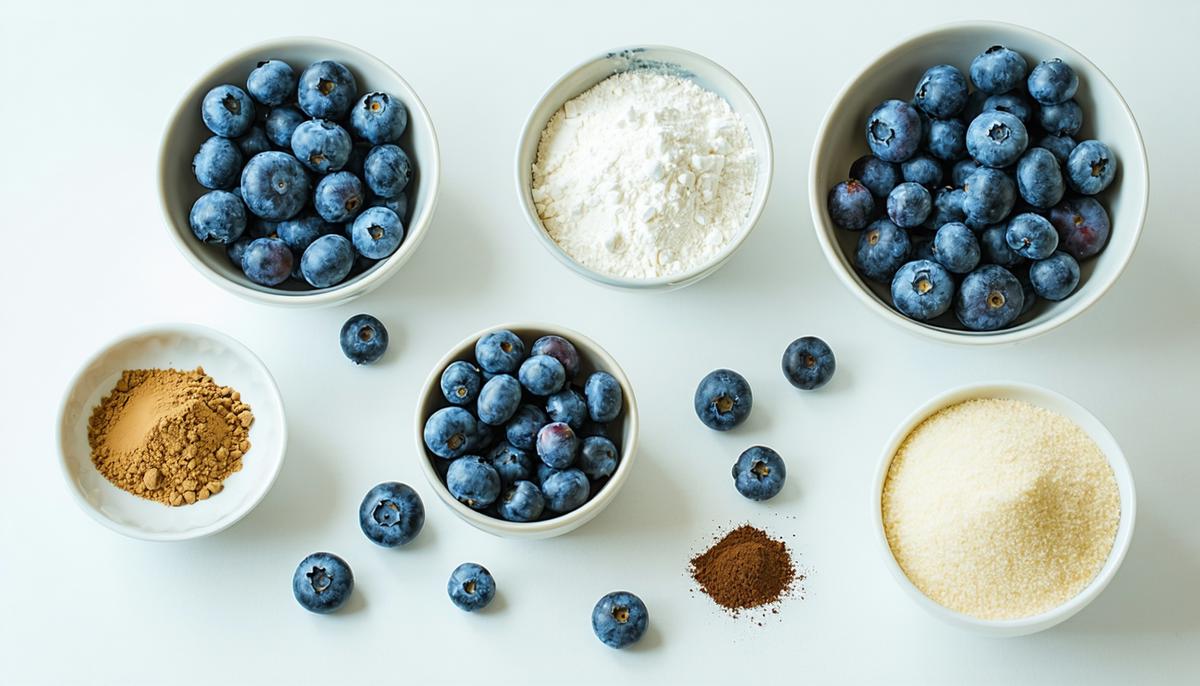
When you're tackling gluten-free blueberry muffins, it's crucial to understand the ingredients that make them delicious.
- Gluten-Free Flour Blend: A solid blend is your foundation. Look for one that includes xanthan gum for that perfect muffin structure.
- Almond Flour: This adds a subtle, nutty flavor and moisture. You can skip it if you want to go nut-free by swapping in more of your gluten-free blend.
- Yogurt: Regular or Greek, yogurt adds moisture and softness. For a dairy-free option, use unsweetened dairy-free yogurt.
- Oil: A neutral oil produces a lighter, fluffier texture compared to butter.
- Eggs: Vital for structure, they bring everything together.
- Lemon Juice: A tablespoon brightens flavors and helps to tenderize.
- Blueberries: Fresh give a pop of sweetness, while frozen turn jammy and juicy. Both work beautifully, but don't thaw those frozen ones.
- Milk: Any milk will do, including dairy-free alternatives. It's there for moisture and to bring the ingredients smoothly together.
These building blocks are what you need for baking some of the best gluten-free blueberry muffins around. Each element plays a part in scrumptiousness, whether you're tweaking for dietary needs or sticking to the main ingredients.
Step-by-Step Baking Instructions
- Preheat your oven to 425°F, and line a muffin tin with paper baking cups.
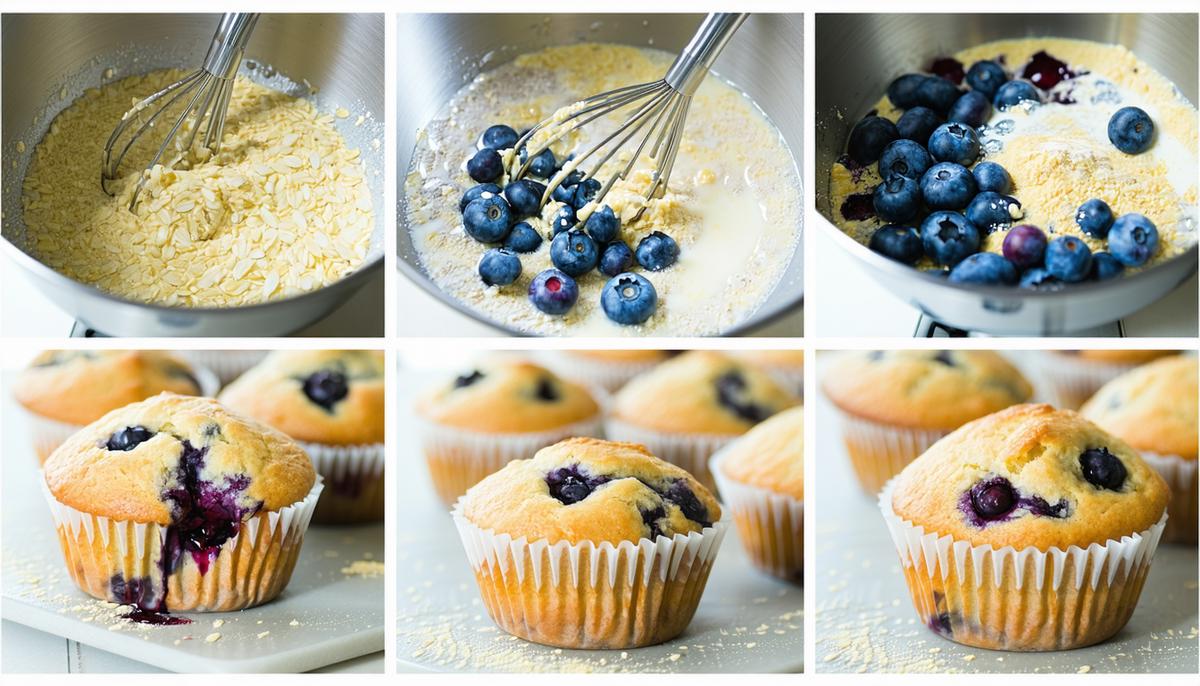
- Whisk together the dry components in a medium-sized bowl: gluten-free flour blend, almond flour, baking powder, baking soda, salt, and a pinch of nutmeg. Set aside.
- In your stand mixer (or using a hand mixer), beat eggs and sugar till light and fluffy, about 2-3 minutes. While mixing on low, slowly drizzle in the oil. Add the lemon juice and vanilla extract.
- Add about one-third of the dry mixture to the batter, followed by half the yogurt. Mix until combined, taking care not to overdo it. Repeat with another third of the dry mix, the rest of the yogurt, and finally, the remaining flour blend.
- Gently fold in the blueberries with a spatula.
- Scoop the batter into the lined muffin tins, filling them slightly above the edge. Chill in the fridge for about 20 minutes.
- Bake in the preheated oven for 10 minutes. Without opening the oven door, drop the temperature to 375°F and let them continue baking for another 10-15 minutes. Watch for that gorgeous golden hue, and test with a toothpick to ensure they're done.
- Let the muffins cool in the pan for about 5 minutes, then transfer them to a wire rack to cool completely.
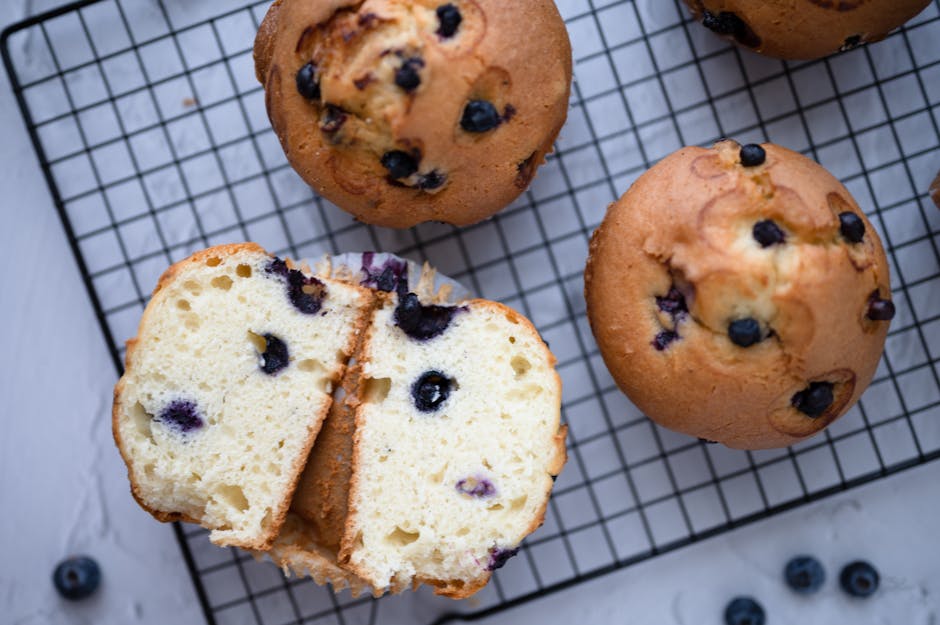
Once they're ready, savor your wonderful creation. Enjoy with a fresh cup of coffee or gently warmed with a pat of butter, and revel in your gluten-free baking success!
Storage and Freezing Tips
Once your muffins are fully cooled, place them in an airtight container or a resealable bag with a paper towel inside to absorb extra moisture. This keeps them fresh at room temperature for up to two days.
For longer storage, freeze them individually. Arrange them on a baking sheet, not touching, and flash freeze for about an hour. Once solid, transfer them to a freezer-safe bag or container. Squeeze out as much air as possible to prevent freezer burn.
To enjoy a frozen muffin, let it defrost in the fridge overnight or reheat directly from the freezer. Microwave for 30 to 45 seconds, or wrap in foil and bake at 350°F for about 10 minutes. This revives the perfect balance of soft center and crisp top.
To plan ahead, prepare your muffin batter and store it in an airtight container in the fridge, keeping the blueberries separate until bake time. When ready, fold them in, scoop the batter into muffin cups, and bake as directed.
Your muffins will keep for up to two months in the freezer, just waiting to make your mornings better. With these tips, you're all set for muffin glory anytime your cravings hit.
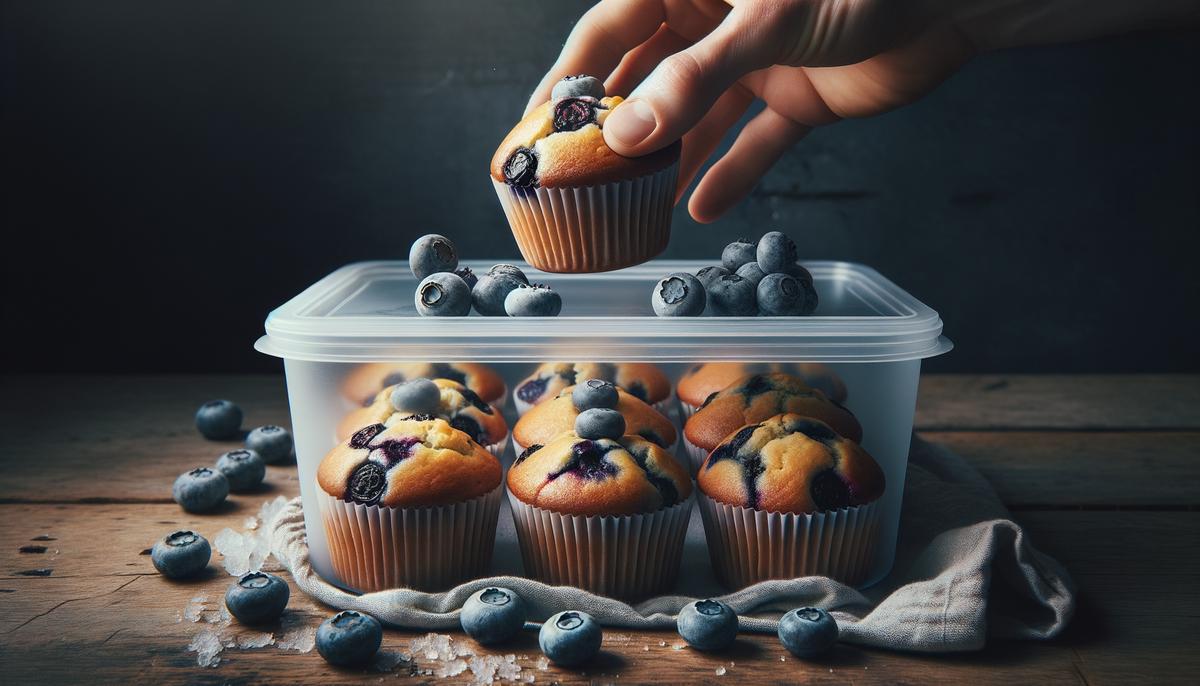
Gluten-Free Blueberry Muffins Recipe
Ingredients:
- 2 cups gluten-free flour blend with xanthan gum
- 50 grams almond flour
- 2 teaspoons baking powder
- 1/4 teaspoon baking soda
- 1/2 teaspoon salt
- 1/2 teaspoon ground nutmeg
- 3/4 cup sugar
- 2 large eggs
- 1/2 cup neutral oil
- 1 tablespoon lemon juice
- 1 teaspoon vanilla extract
- 1 cup whole-milk yogurt
- 1 cup blueberries (fresh or frozen)
- Optional: 2 tablespoons raw sugar for topping
Steps:
- Preheat oven to 425°F. Line a muffin tin with paper baking cups.
- Whisk together gluten-free flour, almond flour, baking powder, baking soda, salt, and nutmeg.
- In a separate bowl, beat together eggs and sugar until light and fluffy (2-3 minutes).
- Gradually drizzle in the oil while mixing on low speed.
- Add lemon juice and vanilla extract, stirring to combine.
- Gently mix in one-third of the dry ingredients, followed by half the yogurt. Repeat, mixing in another third of the dry mix and the remaining yogurt.
- Add the last portion of the dry mix and combine until smooth.
- Fold in blueberries carefully.
- Scoop batter into muffin tins, slightly above the edge. Chill for 20 minutes in the fridge.
- Bake at 425°F for 10 minutes. Lower the temperature to 375°F and bake for an additional 10-15 minutes.
- Cool muffins in the pan for 5 minutes, then transfer to a wire rack to cool completely.
Nutritional information (per muffin):
- Calories: 225 kcal
- Carbohydrates: 28g
- Protein: 4g
- Fat: 12g
- Fiber: 2g
- Sugar: 13g
- Boureghda S, Abdelghani A, Boumechhour A, et al. Gluten-free diet: what do we know about the effects on body composition and physical performance? A narrative review. Nutrients. 2021;13(10):3590.
- Pellegrini N, Agostoni C. Nutritional aspects of gluten-free products. J Sci Food Agric. 2015;95(12):2380-2385.
- Schober TJ, Bean SR, Boyle DL. Gluten-free sorghum bread improved by sourdough fermentation: biochemical, rheological, and microstructural background. J Agric Food Chem. 2007;55(13):5137-5146.