Nostalgia and Banana Bread The scent of banana bread wafting through the kitchen is pure magic. It takes me right back to lazy Sundays at grandma's, where…
Delishing
Gluten-Free Banana Bread Recipe

Maya Brooks
Maya Brooks is a dedicated home cook and the lead recipe developer at Delishing, where she shares practical, foolproof meals for everyday life. With over a decade of hands-on kitchen experience, she specializes in creating approachable dishes that fit a variety of dietary needs and modern cooking methods. Maya is passionate about helping busy people get delicious, stress-free food on the table without needing formal culinary training.
The Journey Behind the Bread
My adventure into gluten-free banana bread started because of a family member's dietary needs. Those early experiments weren't all delightful. There's been no shortage of banana bread catastrophes in my kitchen – dense bricks of dough that could double as doorstops and crumbly loaves that seemed to mock me from their pans.
Embracing gluten-free baking means facing texture challenges head-on. Like when the butter-heavy version decided it simply won't cooperate, so I swapped in coconut oil and achieved moistness without that greasy aftertaste – score!
Splurging on quality gluten-free all-purpose flour is worth every penny. I'm partial to the bags that include xanthan gum. Having tested various brands, I've parked my loyalty with King Arthur's. It promises a loaf that holds structure, yet forgives the impatient mixer in me.
You get to this point where you stop glancing over your shoulder at gluten-laden recipes thinking, "Well, if only...". Instead, you own it. The toughest critics at home couldn't tell the gluten had left the building. And isn't that what we're all after here, that blend of secret success and family-approved delight?
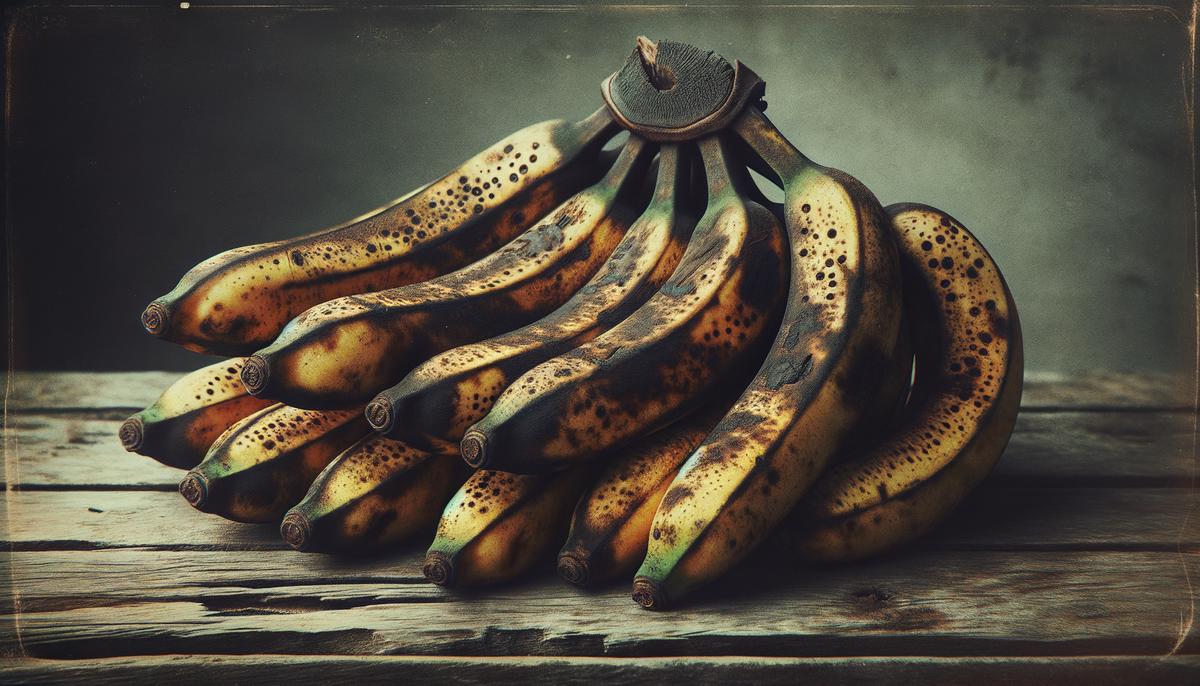
Ripe bananas are the rockstars in this saga, and I insist on using those that almost reach a dark, honeyed hue. Playing with mix-ins – chocolate chips or walnuts, maybe a splash of vanilla – feels like unleashing creative flair onto a reliable canvas.
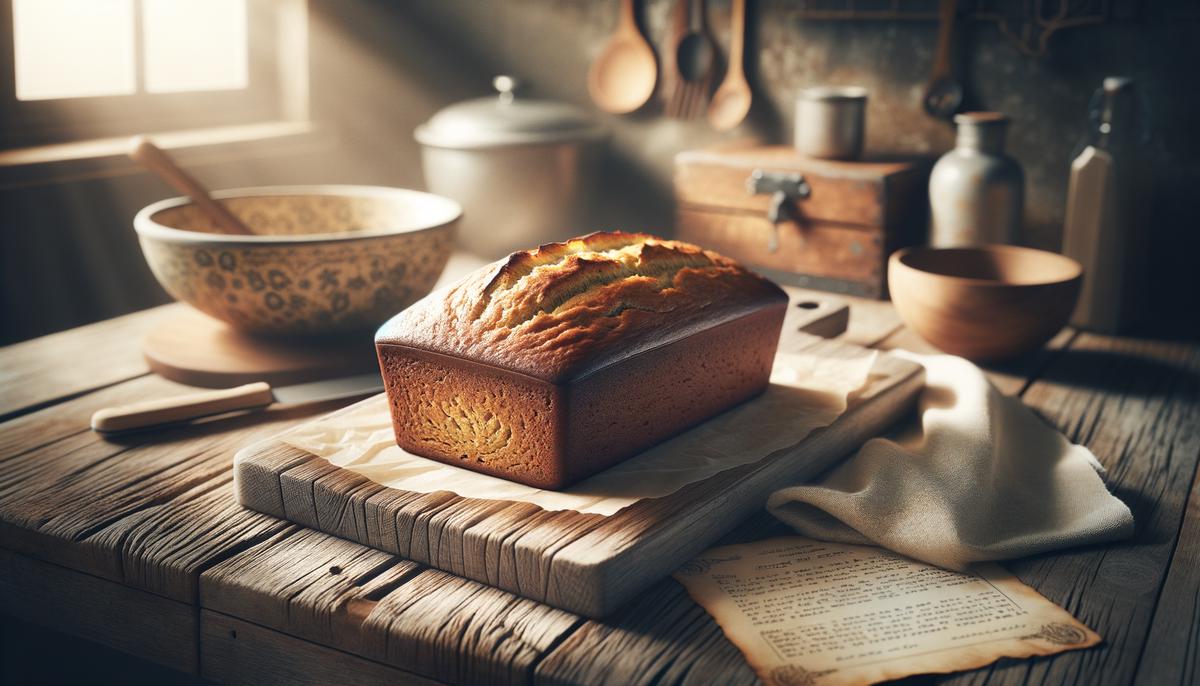
The smell of banana bread in the oven is captivating. Every single time. It's a comforting reminder that even after countless tries, there's magic in the simplicity of baking. So here it is, for all of you trying to figure out this gluten-free maze – embrace the trial and the promise of a kitchen filled with the aroma of success.
Understanding Gluten-Free Baking
Getting into gluten-free baking isn't exactly a walk in the park. One of the biggest hurdles? The texture. No gluten means no natural bounce or structure, making it tougher to achieve that soft, lovely loaf we all crave. The key to overcoming these challenges is knowing your ingredients, starting with a high-quality gluten-free flour blend.
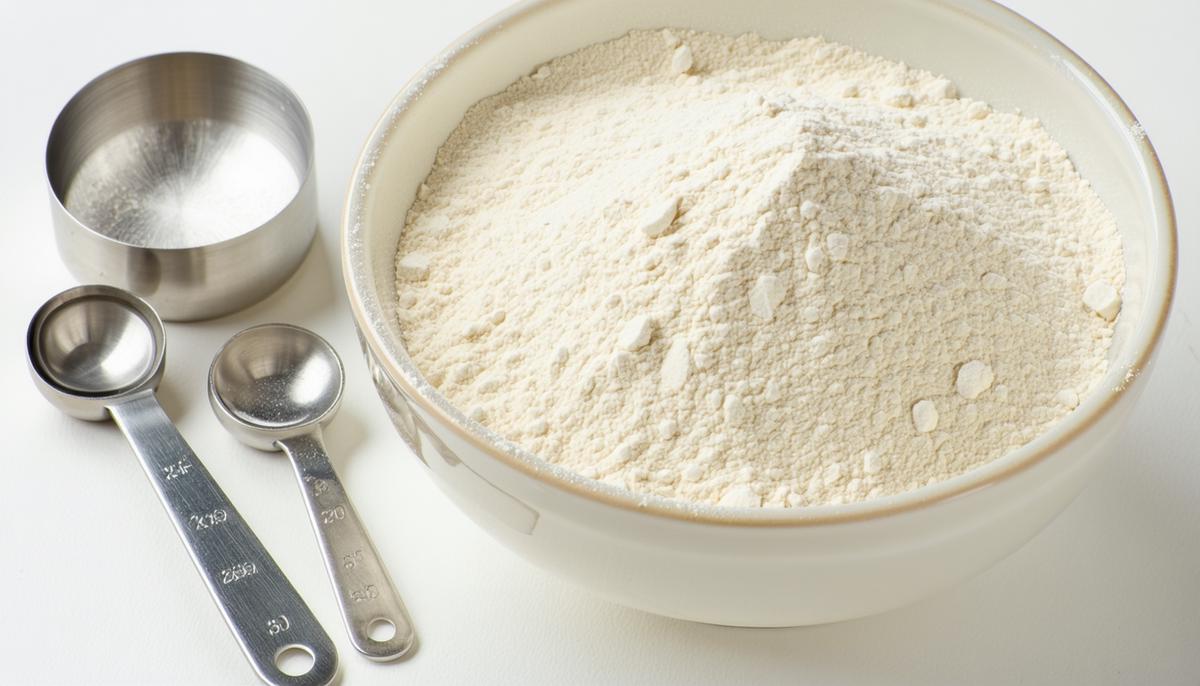
Your flour isn't just dust anymore. It's the backbone of your banana bread, and not all gluten-free blends are created equal. They often come with xanthan gum, which is a lifesaver for us bakers. This thickener is the secret to mimicking that satisfying gluten-like texture.
Precision is crucial. To get it right, you've got to be exact, especially when measuring out your ingredients. Go with the "spoon and level" method for your flour. Eyeballing doesn't quite cut it here unless you're prepared to roll your dice with a flat loaf or a crumbly disaster.
And about those bananas—if they're not almost black and daringly soft, you haven't waited long enough. Overripe bananas are the unsung heroes when it comes to capturing the right sweetness and flavor.
Embracing gluten-free baking means accepting a bit of trial and error. It's in those reflective moments in the kitchen, head in the oven with your fingers crossed, where the magic begins to happen.
Ingredient Insight
Gluten-free banana bread might sound simple, but understanding the role of each ingredient will make your loaf shine. Start with bananas as the stars of the show. For optimal sweetness and moisture, they should be well past their prime—practically blackened and mushy.
Eggs keep the bread together, giving it shape. If eggs are off the menu in your household, flaxseed or chia seed eggs can step in beautifully. Sugar sweetens the deal, while giving just the right amount of caramelization to the crust.
Butter or coconut oil will enrich the bread's texture, keeping it moist without weighing it down. For a dairy-free twist, go for coconut oil or a dairy-free buttery spread.
Flour is the backbone of your bake. Gluten-free blends are crucial, and you can't go wrong with those that include xanthan gum, like King Arthur or Bob's Red Mill, to mimic the structure gluten typically provides.
Baking soda gives the bread its rise, ensuring it doesn't come out as a dense block, while a pinch of salt elevates all the flavors.
There's room for personalization. Throw in some chocolate chips for a sweet surprise, or chopped walnuts or pecans for a nutty crunch. You've also got the option to add a splash of vanilla for extra warmth or a sprinkle of cinnamon if you're feeling adventurous.
Your Perfect Banana Bread
Now, let's bake this masterpiece! Preheat your oven to 350°F (175°C) and grease a loaf pan.
Mash your bananas in a large bowl until they're smooth with just a few lumps. Measure out 1 to 1.5 cups once mashed.
In a separate bowl, combine 1.5 cups of gluten-free all-purpose flour, 3/4 teaspoon baking soda, 3/4 teaspoon baking powder, and 1/2 teaspoon salt. Give them a quick whisk.
In your banana bowl, stir in 1/3 cup of melted butter, 3/4 cup granulated sugar, 1 beaten egg, and 1 teaspoon vanilla extract. Mix until well combined.
Pour your banana mixture into the dry ingredients and stir gently until just incorporated. Don't over-mix; stir just until the flour disappears.
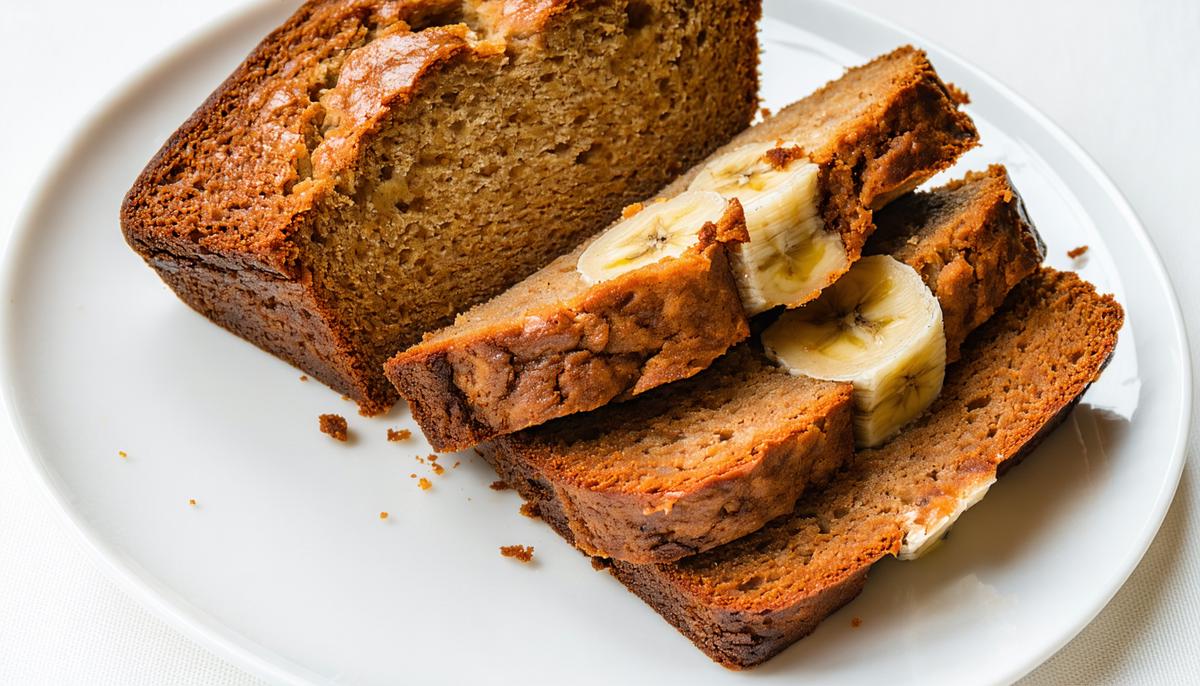
Pour your batter into the greased loaf pan, smoothing out the top. Bake for about 50-60 minutes. You'll know it's done when the top is golden and a toothpick inserted in the center comes out mostly clean.
Once out of the oven, let it cool in the pan for about 10-15 minutes before transferring to a wire rack to finish cooling.
Enjoy your banana bread warm, maybe with a pat of butter or your favorite spread. It's a recipe that promises satisfaction every time.
Preserving Your Masterpiece
To keep your banana bread fresh, wrap it in plastic wrap or store it in an airtight container at room temperature for up to three days. Avoid the refrigerator; it tends to dry out baked goods.
For longer storage, use your freezer! Wrap the loaf tightly in plastic wrap, then again with aluminum foil, or slip it into a freezer-safe bag. This should keep your banana bread in top shape for about three months.
When it's time to enjoy that frozen loaf, thaw it overnight in the refrigerator or on the counter until it's room temperature. For a quick fix, try microwaving individual slices for a few seconds until warm and fragrant. Now you're ready to savor your baking marathon, whenever the craving strikes.
Fun Flavor Variations
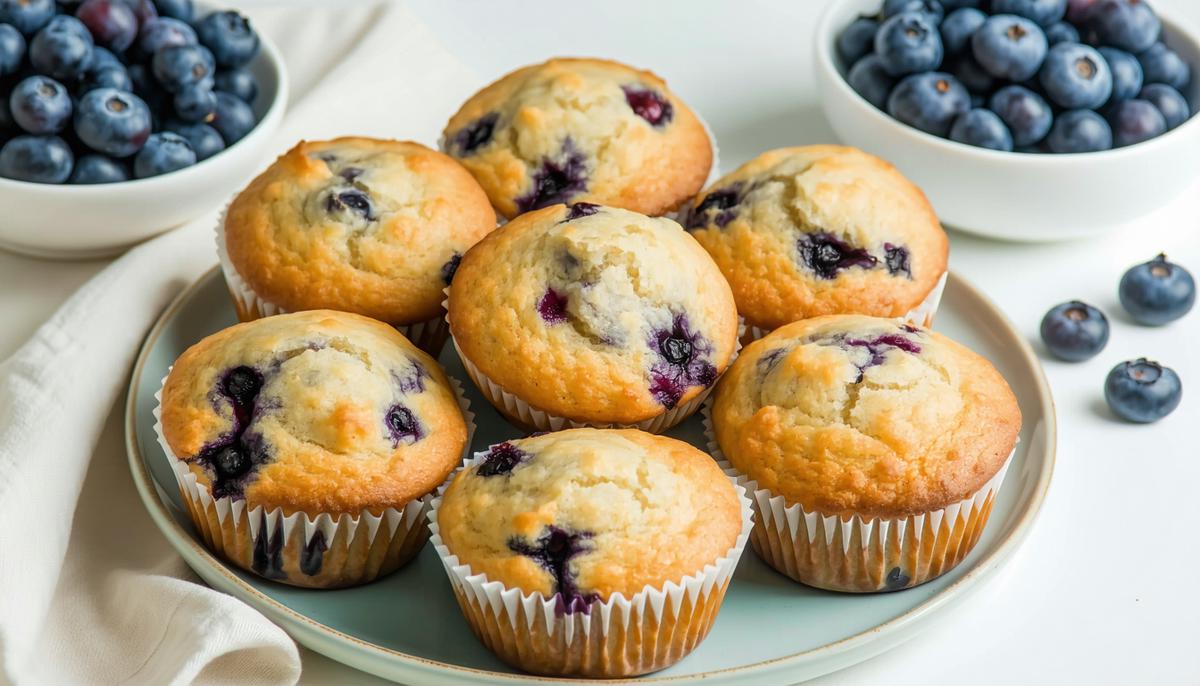
Banana bread is a canvas just waiting for your personal touch. Try folding some coconut flakes into your batter for a subtle tropical twist. Toss in a handful of blueberries and watch their juicy burst transform every bite. Pecans bring a bit of crunch and a rich, nutty flavor that complements the bread's natural sweetness.
Looking to tweak the sweetness? Swap out white sugar for light brown to bring a deep, molasses-like depth, or try coconut sugar for a slightly nutty, earthy profile. Honey and maple syrup are also great alternatives for a sweeter, more wholesome flavor, just keep an eye on the consistency as they bring added moisture to the mix.
These small tweaks and extras can give each loaf a different personality, satisfying any whims your tastebuds may have for something a little different from the usual fare.
The Ultimate Gluten-Free Banana Bread
Ingredients:
- 3 to 4 overripe bananas (1.5 cups mashed)
- 1/3 cup unsalted butter, melted
- 3/4 cup granulated sugar
- 1 large egg, beaten
- 1 teaspoon vanilla extract
- 1.5 cups gluten-free all-purpose flour (with xanthan gum)
- 3/4 teaspoon baking soda
- 3/4 teaspoon baking powder
- 1/2 teaspoon salt
- Optional mix-ins: 1/2 cup chocolate chips or nuts (walnuts, pecans)
Instructions:
- Preheat oven to 350°F (175°C). Grease a standard 8x4-inch loaf pan.
- In a large bowl, mash the bananas until smooth but slightly chunky.
- Stir in the melted butter, sugar, beaten egg, and vanilla extract until well blended.
- In a separate bowl, whisk together the gluten-free flour, baking soda, baking powder, and salt.
- Gradually add the dry ingredients to the banana mixture, stirring gently until combined. Avoid over-mixing.
- Fold in any optional mix-ins like chocolate chips or nuts.
- Pour the batter into the prepared loaf pan and smooth the top.
- Bake for 50 to 60 minutes. Check doneness by inserting a toothpick into the center; it should come out mostly clean with a few crumbs.
- Allow the bread to cool in the pan for 10-15 minutes before transferring to a wire rack to cool completely.
- Slice, serve, and enjoy your homemade gluten-free banana bread.
Nutritional information (per serving, assuming 10 servings):
kcal: 225
Carbohydrates: 38g
Protein: 3g
Fat: 8g
Saturated Fat: 5g
Cholesterol: 35mg
Sodium: 245mg
Fiber: 2g
Sugar: 20g
- Thompson T. Folate, iron, and dietary fiber contents of the gluten-free diet. J Am Diet Assoc. 2000;100:1389-1396.
- Alvarez-Jubete L, Arendt EK, Gallagher E. Nutritive value of pseudocereals and their increasing use as functional gluten-free ingredients. Trends Food Sci Technol. 2010;21:106-113.
- Hager AS, Wolter A, Jacob F, Zannini E, Arendt EK. Nutritional properties and ultra-structure of commercial gluten free flours from different botanical sources compared to wheat flours. J Cereal Sci. 2012;56:239-247.