A Flavorful Journey from Italy to America Chicken Parmesan isn't just a dish—it's a tale woven with flavors from Italy to America. The aroma of bubbling…
Delishing
Fried Chicken with Honey Butter

Maya Brooks
Maya Brooks is a dedicated home cook and the lead recipe developer at Delishing, where she shares practical, foolproof meals for everyday life. With over a decade of hands-on kitchen experience, she specializes in creating approachable dishes that fit a variety of dietary needs and modern cooking methods. Maya is passionate about helping busy people get delicious, stress-free food on the table without needing formal culinary training.
Why Everyone Loves Honey Butter Fried Chicken
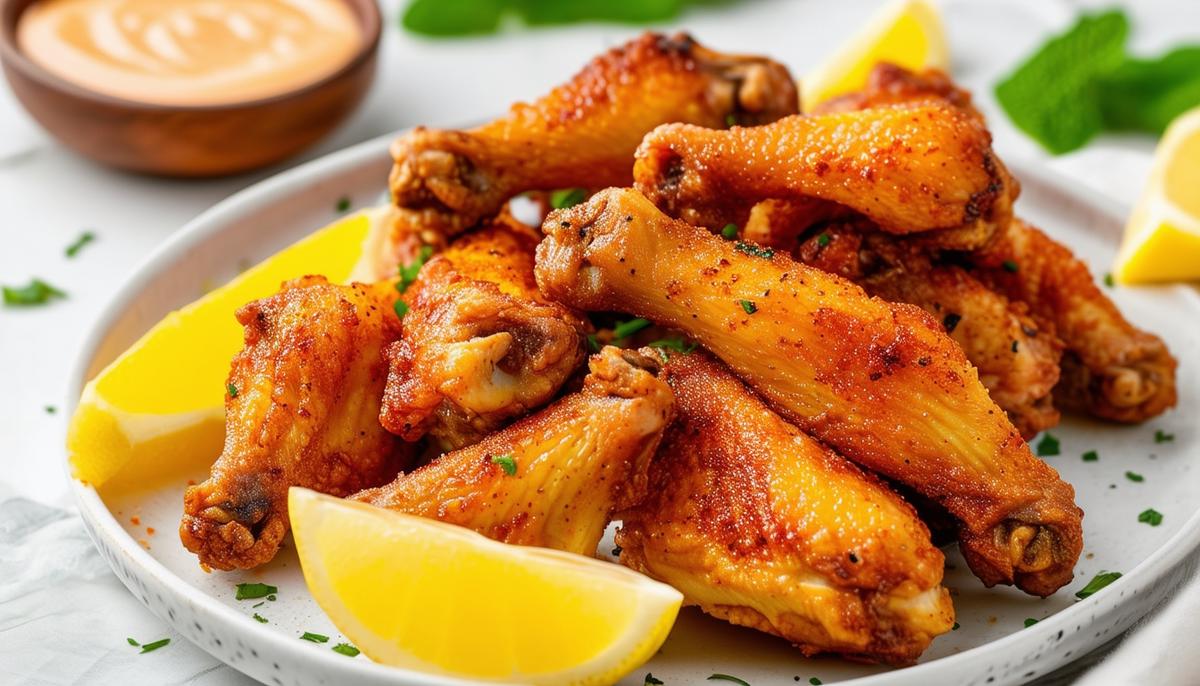
If you've ever bitten into a piece of fried chicken that delivers a symphony of crunch followed by a burst of sweetness, you know the magic of honey butter fried chicken. The honey butter sauce elevates it to a new level, like a glamorous frosting on a humble cupcake.
This flavorful delight has swept through Korea and beyond, embodying an irresistible charm that's hard to shake once you've experienced it. Remember the Korean honey butter potato chip craze? Well, this is the chicken version, and its allure is just as potent.
Making this dish is like a culinary journey with its twists and turns. The honey butter sauce, melded with garlic and a hint of spices, lounges across the chicken, leaving a glossy coating that glitters appetizingly. And the best part? That first bite when it all comes together - a moment where the sweet conquers all.
Whenever I serve this, I see eyes widen and lips curl into satisfied smiles. It's the same satisfaction I get when I see a tray of my successful cupcake experiments being devoured. Trust me, this honey butter fried chicken is not just eaten—it's celebrated. It's a showstopper that guarantees lingering memories, much like a well-loved dessert from your kitchen that keeps friends asking for the recipe over and over again.
The Art of Double Frying
The technique of double frying brings unmatched crunch while preserving the juiciness inside each piece. Here's how to get it right:
- First fry: Cook the chicken through without over-browning, building up layers of crunchy goodness.
- Rest: Let the chicken cool, allowing steam to escape and keeping it crisp.
- Second fry: Give the coating its final flourish, forming a crisp, golden-brown shell.
Keep your oil temperature steady at around 350°F, which locks in moisture while turning the outside irresistibly crunchy. A thermometer is your best friend here - if the oil's too hot, your chicken might burn; too cold, and you end up with a soggy mess.
By sticking with double frying and giving your chicken time to rest between rounds, you create a crispier, far more satisfying dish that's sure to impress.
Perfecting the Honey Butter Sauce
The honey butter sauce is your chicken's sweet and savory crown jewel. Here's how to create it:
- Melt unsalted butter in a pan over medium heat.
- Add finely chopped garlic and let it sizzle briefly.
- Pour in honey and mix gently, letting it harmonize with the garlic and butter.
- Add soy sauce to introduce a salty, umami depth that cuts through the sweetness.
- Simmer until the sauce is thick enough to coat the back of a spoon yet fluid enough to glaze your chicken smoothly.
For an extra kick, consider adding a touch of crushed chili or another spice to amplify the zest without overshadowing the main flavors.
When done right, the honey butter sauce should be a glossy, flavorful glaze ready to elevate your fried chicken to blissful heights.
Batter and Marinade Secrets
Achieving a luscious batter and perfectly seasoned marinade is key to making this dish shine.
Marinade:
- Blend buttermilk, salt, pepper, cayenne, and garlic powder.
- Let chicken soak for at least an hour to absorb flavors.
Dry Batter:
- Mix all-purpose flour, cornstarch, black pepper, and paprika or Sazon seasoning.
- Coat marinated chicken thoroughly, shaking off excess.
Wet Batter:
- Combine beaten eggs and ice-cold sparkling water.
- Keep cold until ready to use for maximum crispiness.
- Aim for a slightly thick but pourable consistency.
Final Coating:
- Dip battered chicken back into the dry mix one last time for extra crunch.
Seasoning each stage creates a multi-dimensional flavor profile that delivers with each mouthful. A little time spent on careful preparation results in a bowl of crunchy delight the whole table will love.
A Must-Have Cooking Equipment List
To whip up that honey butter fried chicken magic, you'll need:
- Dutch oven or deep fryer: Ensures even cooking and controls splatters.
- Food thermometer: Keeps oil at 350°F and checks chicken's internal temperature (165°F).
- Mixing bowls: For marinating and battering.
- Long-handled tongs or spider strainer: Safely removes chicken from hot oil.
- Cooling rack: Maintains crunchiness after frying.
- Stable kitchen thermometer: Monitors oil temperature throughout cooking.
Clean your tools after each use and replace fryer oil regularly to keep everything fresh. Treating your equipment well ensures they'll work faithfully each time you're ready to fry up another batch of delicious goodness.
Recipe
Ingredients:
- 2 pounds chicken pieces (thighs, drumsticks, or breast)
- 1 cup buttermilk
- 1 teaspoon garlic powder
- 1/2 teaspoon salt
- 1/2 teaspoon black pepper
- 1/4 teaspoon cayenne pepper
- 2 cups all-purpose flour
- 1/2 cup cornstarch
- 1 tablespoon paprika (or 1 packet of Sazon seasoning)
- 1 teaspoon salt
- 1/2 teaspoon black pepper
- 2 large eggs
- 1 cup ice-cold sparkling water
- Vegetable oil for frying
- 4 tablespoons unsalted butter
- 3 tablespoons honey
- 1 teaspoon soy sauce
- 2 cloves garlic, minced
- Optional: Crushed chili flakes for heat
Steps:
- Mix chicken with buttermilk and spices. Marinate in the fridge for at least 1 hour.
- Combine dry batter ingredients in a bowl.
- Whisk together wet batter ingredients in another bowl.
- Heat oil to 350°F (180°C).
- Coat marinated chicken in dry mix, then wet batter, then dry mix again.
- Fry chicken in batches for 8-10 minutes, flipping halfway, until golden and 165°F inside.
- Drain on a cooling rack.
- For the sauce, melt butter and sauté garlic. Add honey, soy sauce, and optional chili flakes. Cook until slightly thickened.
- Drizzle sauce over chicken and enjoy!
Nutritional information (per serving, based on 4 servings):
kcal: 680
Carbohydrates: 45g
Protein: 38g
Fat: 39g
Saturated Fat: 12g
Cholesterol: 215mg
Sodium: 890mg
Fiber: 1g
Sugar: 11g
- Kim J, Lee S, Park H. The rise of honey butter flavor in Korean snack foods. J Food Sci Technol. 2018;55(8):3204-3210.
- Smith A, Johnson B. Double-frying techniques in culinary applications. Int J Gastron Food Sci. 2019;16:100148.
- Brown R. The science of crispy fried foods. Food Chem. 2020;312:126024.