Authenticity vs. Variations Spaghetti carbonara—simple yet contentious. Traditionalists swear by guanciale, Pecorino Romano, eggs, and black pepper. But…
Delishing
Foods High in Cholesterol

Maya Brooks
Maya Brooks is a dedicated home cook and the lead recipe developer at Delishing, where she shares practical, foolproof meals for everyday life. With over a decade of hands-on kitchen experience, she specializes in creating approachable dishes that fit a variety of dietary needs and modern cooking methods. Maya is passionate about helping busy people get delicious, stress-free food on the table without needing formal culinary training.
Your body needs cholesterol to build cells, make hormones, and help digest fat. But too much circulating in the wrong way can contribute to heart disease. So the real question isn’t “Is cholesterol bad?” — it’s “How does the cholesterol in specific foods matter for you?”
This guide breaks down which foods are high in cholesterol, what that means for your health, and how to enjoy them in a balanced way without stress or confusion.
First: What Cholesterol Actually Is
Cholesterol is a waxy substance found in your blood. Your liver makes it, and you also get some from food — mainly animal products.
There are two key players when we talk about cholesterol in your body:
- LDL (low-density lipoprotein) — often called “bad” cholesterol when elevated
- HDL (high-density lipoprotein) — often called “good” cholesterol
What matters most for health is how these numbers interact with your overall lifestyle, genetics, blood sugar, inflammation, and exercise — not just the amount of cholesterol in one food.

Foods That Are Naturally High in Cholesterol
These foods contain significant amounts of dietary cholesterol. That doesn’t mean you must avoid them — it means you should know when and how to enjoy them.
1. Egg Yolks
Egg whites are mostly protein — but the yolk is where cholesterol hangs out. A single large egg can contain around 185 mg of cholesterol. Still, eggs also provide nutrients like choline and B vitamins.

2. Organ Meats (Liver, Kidney, Brain)
Organ meats are nutritional powerhouses — rich in iron, B12, and other micronutrients — but they also tend to be concentrated in cholesterol.

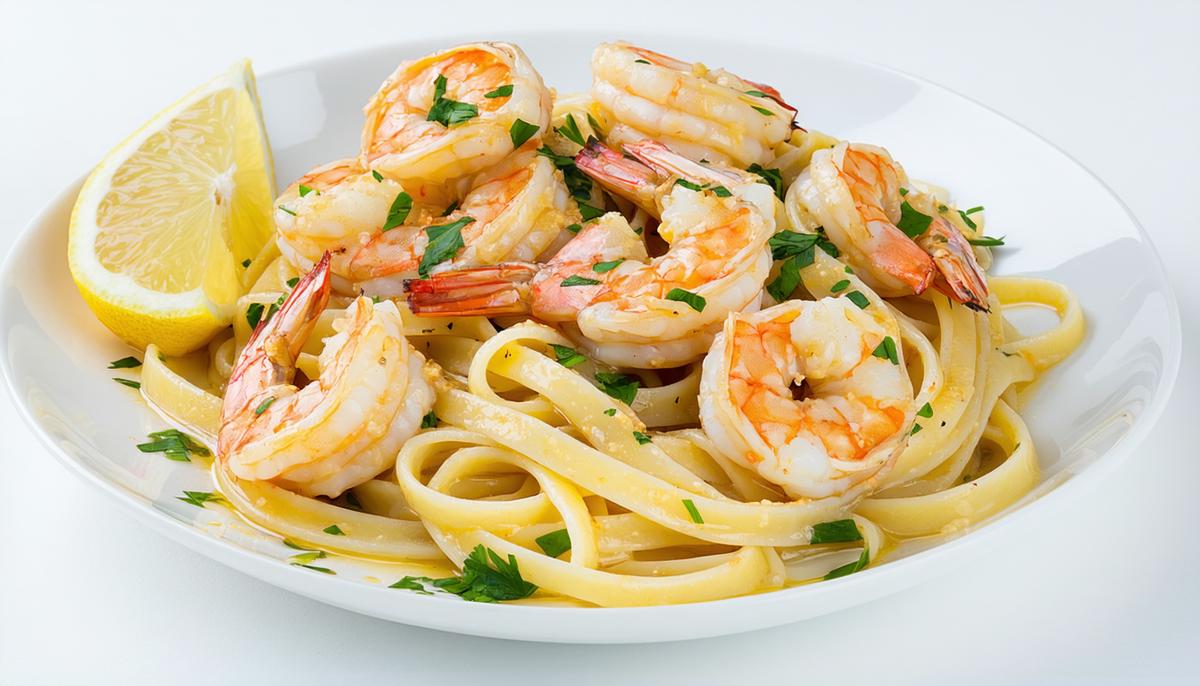
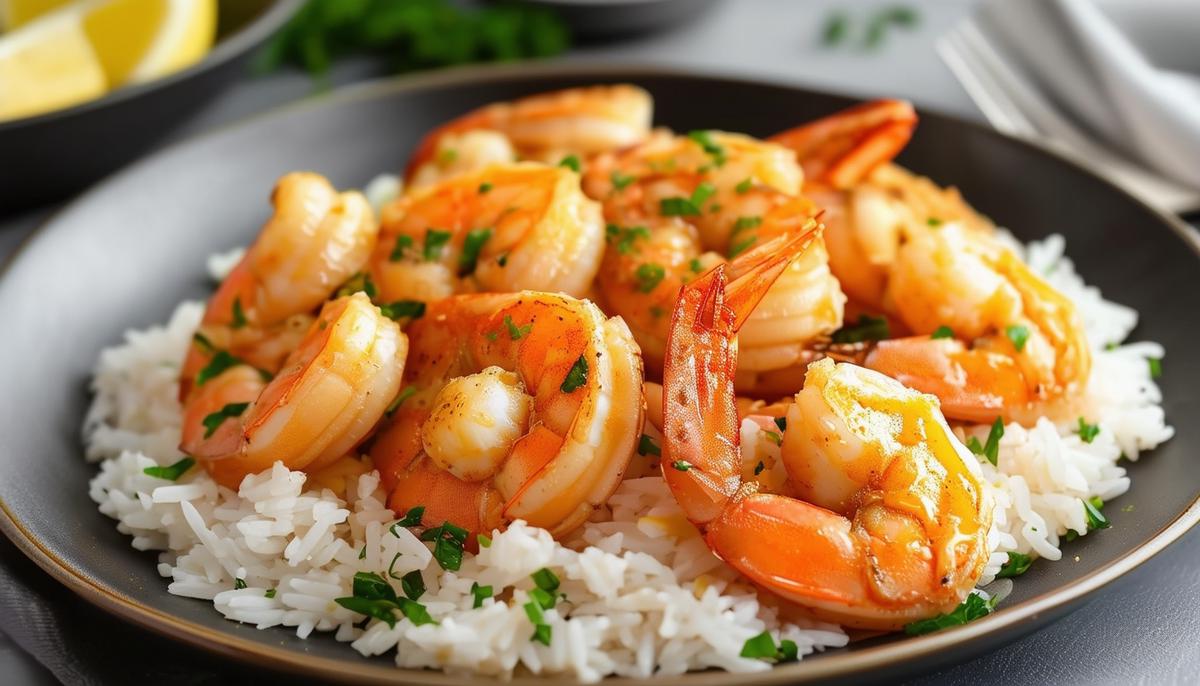
3. Shellfish (Shrimp, Squid, Lobster)
Shellfish are lean and nutrient-rich, yet some (like shrimp) are higher in cholesterol than you might expect. The overall fat content remains low, though.

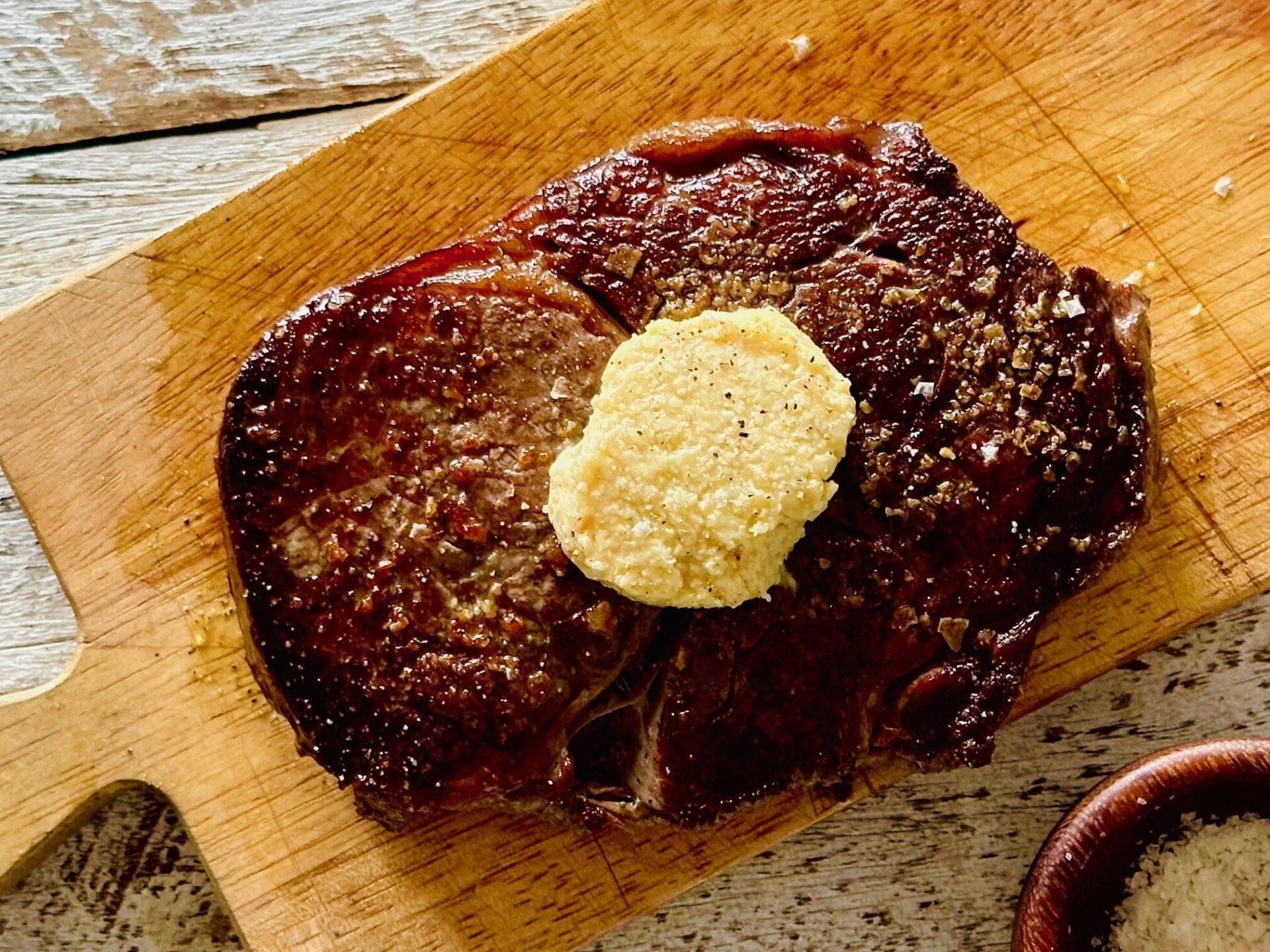
4. Red Meat
Beef, pork, and lamb — especially fattier cuts — contain both cholesterol and saturated fat. Leaner cuts reduce both but still contribute more cholesterol than most plant foods.

5. Dairy Fat (Butter, Cream, Full-Fat Cheese)
These aren’t huge sources of cholesterol per ounce, but they do contribute, especially when eaten in large portions.

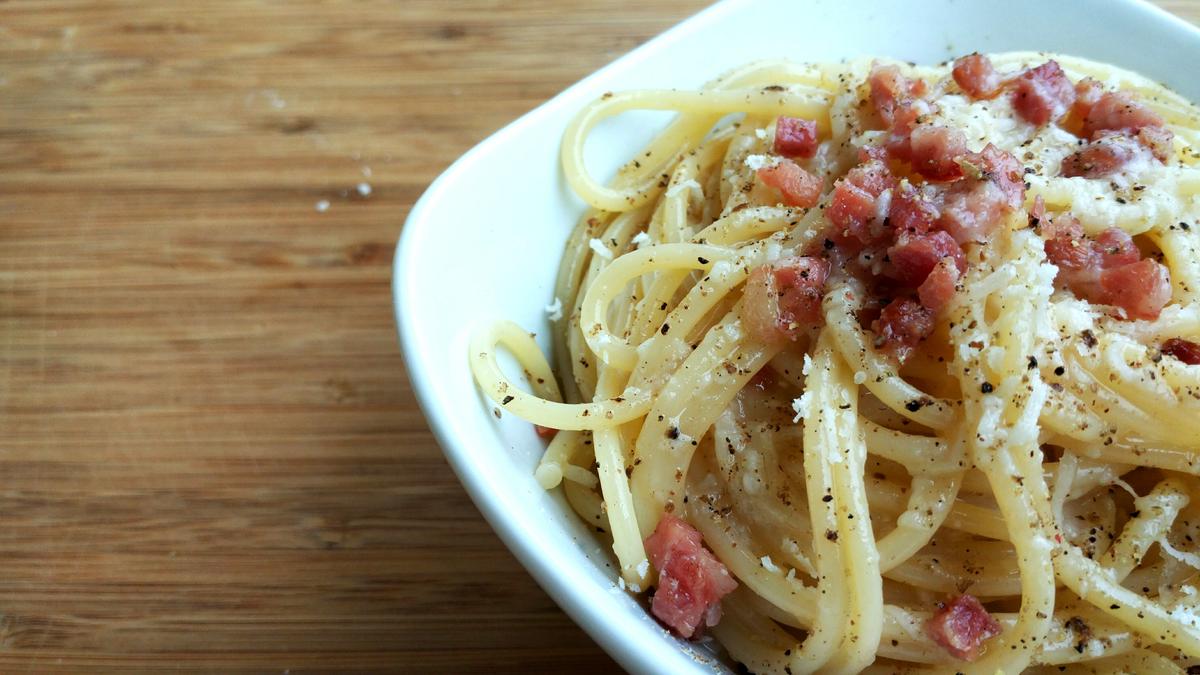
6. Processed Meats (Sausage, Bacon, Deli Meats)
These combine cholesterol with sodium and saturated fats. Moderation is key, not fear.

Cholesterol vs. Saturated Fats: What’s the Real Deal?
For years, doctors focused on dietary cholesterol as the main culprit for high blood cholesterol. Newer science shows that saturated and trans fats — more than cholesterol alone — can raise LDL in many people.
That’s why two meals with similar cholesterol levels can have very different effects depending on:
- the fat type
- the fiber in the meal
- how your body metabolizes fat
Example:
- A grilled shrimp skewer (high cholesterol, low saturated fat)
may impact blood markers differently than - A bacon cheeseburger (high cholesterol and high saturated fat)
This doesn’t mean cholesterol-rich foods are automatically bad — it means context matters.

So… Should You Avoid These Foods?
Not necessarily.
For many people, moderate intake of cholesterol-rich foods — especially when paired with fiber, plants, and lean proteins — doesn’t automatically raise heart disease risk. Some people are “hyper-responders,” meaning dietary cholesterol affects their blood lipid levels more; others barely budge.
Tracking your bloodwork with a clinician is the only way to know where you truly stand.
How to Include High-Cholesterol Foods Without Overdoing It
Instead of elimination, try practical strategies:
Pair with Fiber
Fiber from vegetables, legumes, whole grains, and fruits can help your body handle fats more efficiently.

Balance Your Plate
If you’re having a cholesterol-rich food, add more non-starchy veggies or a salad to fill the plate.
Portion Smartly
You don’t need to skip eggs — but maybe keep to 1–2 per day if you’re watching numbers.
Choose Leaner Versions
Lean cuts of meat and low-fat dairy can lower the combined cholesterol + saturated fat load.
Cook with Healthier Methods
Grill, roast, or poach instead of frying when possible.
A Quick Look: Examples of Cholesterol-Rich Foods
| Food | Why It’s High in Cholesterol | Tip |
|---|---|---|
| Egg Yolks | Natural source | Swap half yolks for whites in baking |
| Beef Liver | Concentrated nutrients + cholesterol | Enjoy occasionally, not daily |
| Shrimp | Low fat but higher cholesterol | Pair with veggies and whole grains |
| Butter | Dairy fat + cholesterol | Use to finish rather than fry |
| Bacon | Cholesterol + saturated fat | Treat as accent, not main |
Who Should Be Extra Careful
Certain individuals may need closer monitoring:
- People with existing heart disease
- Familial hypercholesterolemia
- Diabetes or metabolic syndrome
- Those already experiencing high LDL or triglycerides
Talk with your healthcare provider about personalized targets.
Final Thoughts
Cholesterol in food isn’t inherently “bad,” but it does matter — especially when you look at the whole meal, your genetics, your activity, and your overall pattern of eating.
This isn’t about fear. It’s about awareness, balance, and choices that support your health long-term.
Food should nourish you — not stress you out.