
If you’ve ever stood up too fast and had the room spin a little… or felt weirdly tired for no clear reason… or wondered why your energy seems to vanish…
Delishing
Foods for Healthy Weight Gain

Maya Brooks
Maya Brooks is a dedicated home cook and the lead recipe developer at Delishing, where she shares practical, foolproof meals for everyday life. With over a decade of hands-on kitchen experience, she specializes in creating approachable dishes that fit a variety of dietary needs and modern cooking methods. Maya is passionate about helping busy people get delicious, stress-free food on the table without needing formal culinary training.
If you’re trying to gain weight, you’ve probably heard some version of: “Just eat more.”
Which sounds simple — until you’re staring at a plate you can’t finish, a schedule that doesn’t allow big meals, or a body that just doesn’t respond the way people think it should.
Healthy weight gain isn’t about force-feeding yourself or living on junk food. It’s about adding nourishment in ways your body can actually handle, absorb, and use — without turning every meal into a battle.
This guide is here to help you build weight gently, sustainably, and without judgment.
Why Gaining Weight Can Be Harder Than It Sounds
Weight gain isn’t just about calories. It’s influenced by:
- Genetics and metabolism
- Appetite and digestion
- Stress and sleep
- Medical conditions or medications
- Past food experiences
If eating feels like work — or if you get full quickly — the strategy needs to change. The goal becomes nutrient density, not sheer volume.

What “Healthy” Weight Gain Actually Means
Healthy weight gain focuses on:
- Consistent fuel (not occasional overeating)
- Balanced macros (protein, carbs, fats)
- Energy-dense foods that don’t require huge portions
- Supporting digestion and appetite
This approach helps promote lean mass, hormonal balance, and energy — not just a number on the scale.
The Best Foods to Support Healthy Weight Gain
These foods are calorie-dense and nutrient-rich, which means they work with your body — not against it.
1. Nut Butters
Peanut, almond, cashew — all packed with healthy fats and calories. Add to toast, oatmeal, smoothies, or eat straight off the spoon when appetite is low.

2. Whole Milk & Full-Fat Dairy
Milk, yogurt, kefir, cheese — easy calories plus protein and calcium. Great for snacks and drinks when solid food feels like too much.
3. Avocados
Soft, versatile, and full of healthy fats. Add to sandwiches, bowls, eggs, or blend into smoothies.

4. Olive Oil & Healthy Oils
Drizzle on vegetables, grains, and proteins. One tablespoon adds calories without adding bulk.

5. Eggs
Affordable, protein-rich, and easy to digest for many people. Scramble, boil, fry, or bake into meals.
6. Rice & Pasta
Gentle on digestion and easy to eat in larger portions. Pair with fats and proteins for balance.
7. Fatty Fish
Salmon, sardines, and mackerel provide calories, protein, and omega-3 fats that support overall health.

8. Dried Fruit
Raisins, dates, figs, and apricots are calorie-dense and easy to snack on — especially when fresh fruit feels filling.

9. Smoothies & Shakes
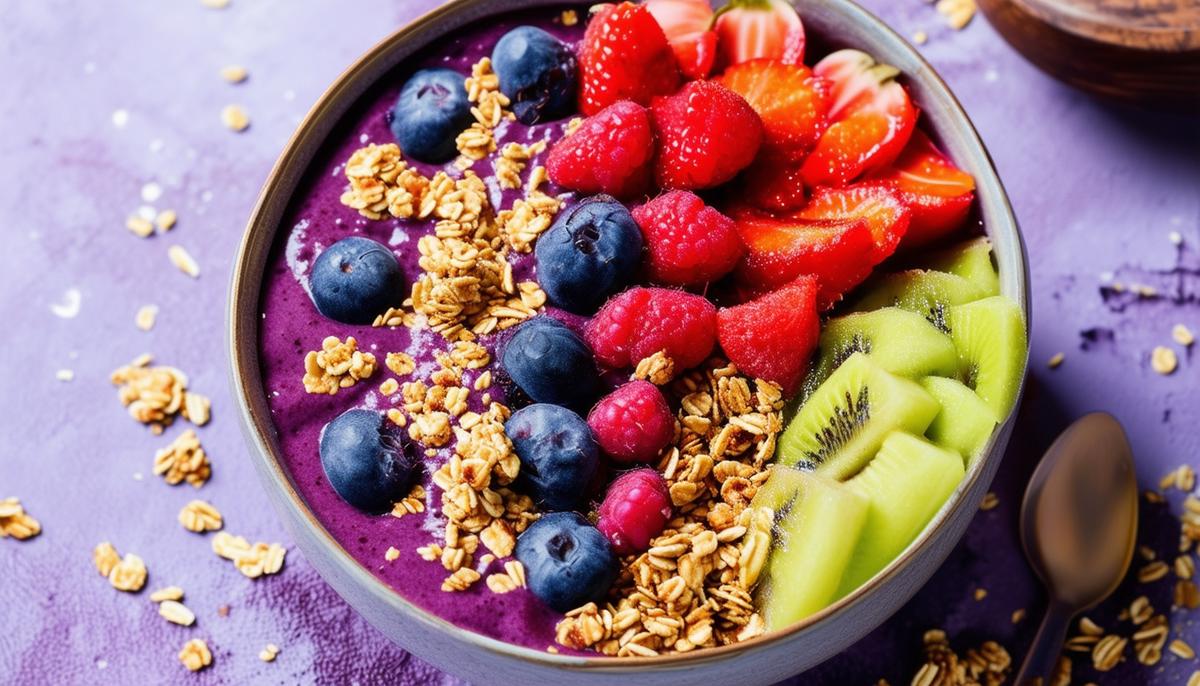
One of the easiest ways to increase calories without overwhelming your stomach. Blend milk, nut butter, fruit, yogurt, and oats.

10. Starchy Vegetables
Potatoes, sweet potatoes, squash, and corn add carbohydrates and comfort — especially when roasted or mashed with fat.
11. Whole-Grain Bread & Crackers
Great vehicles for spreads, cheese, and protein. Easy to nibble throughout the day.

12. Beans & Lentils
Provide carbs, protein, and fiber. Pair with oil or rice for higher-calorie meals.

13. Dark Chocolate
Energy-dense and satisfying. A small square after meals adds calories without stress.
14. Granola
More calorie-dense than cereal and easy to pair with yogurt or milk.
15. Protein-Rich Snacks
Trail mix, cheese sticks, yogurt cups, or hummus with crackers help add fuel between meals.

How to Eat for Weight Gain Without Forcing It
Sometimes strategy matters more than food choice.
Try this instead of pushing bigger meals:
- Eat every 3–4 hours
- Add calories to foods you already eat
- Drink calories when chewing feels hard
- Pair carbs with fat and protein
- Keep snacks visible and accessible
- Focus on consistency, not perfection
Even an extra 200–300 calories per day can lead to gradual, sustainable weight gain over time.
A Gentle Reminder About Body Signals
If weight loss or difficulty gaining weight is sudden, unintentional, or paired with symptoms like fatigue, nausea, or digestive pain — it’s important to rule out medical causes.
Working with a healthcare provider or registered dietitian can help you gain weight safely and intentionally, based on your body’s needs.
Final Thoughts
Gaining weight doesn’t mean you’re doing something wrong. It means your body needs more support.
Small additions matter. Kindness matters. Patience matters.
And if today all you can manage is a smoothie, a handful of trail mix, or an extra drizzle of olive oil — that counts.
You’re not behind. You’re building.