 delishing
How to Roast a Whole Chicken in the Oven: A Culinary Guide

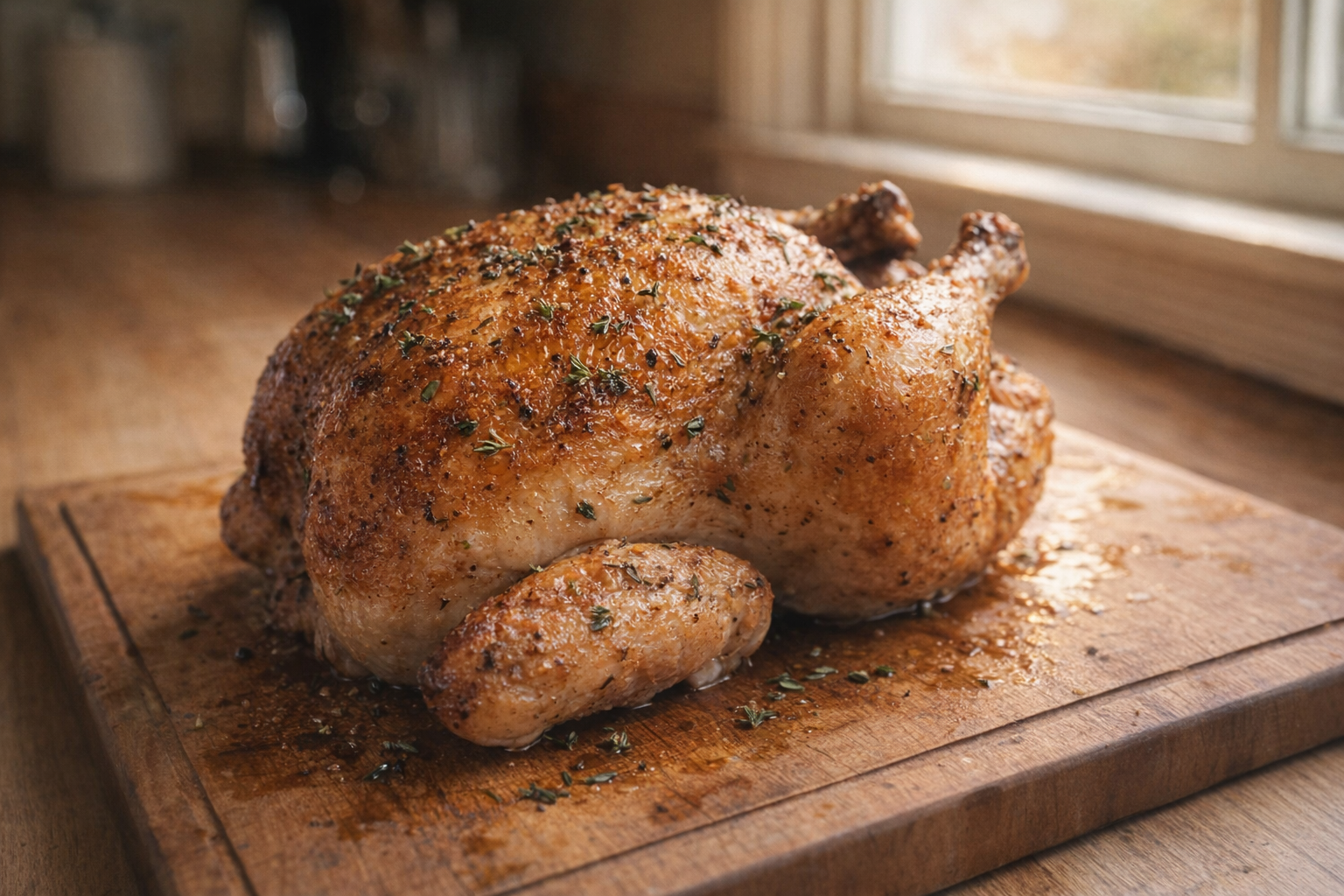
Roasting a whole chicken might seem daunting, but it’s a fundamental skill that unlocks a world of flavorful possibilities. This method, when mastered, delivers a succulent, juicy bird with beautifully crisp skin. The aromatic herbs and citrus infused within the cavity perfume the meat from the inside out, creating a deeply savory and comforting experience.
Roasting a whole chicken is a fantastic way to feed a crowd, prep for multiple meals, or simply enjoy a classic Sunday dinner. The oven's consistent heat cooks the bird evenly, rendering the fat and creating that coveted golden-brown skin. Plus, the rendered fat can be saved for future culinary adventures, adding richness to roasted vegetables or pan sauces.
Understanding Whole Chicken
When selecting a whole chicken, consider the size based on how many people you're feeding. A 3-4 pound chicken typically serves 4-6 people. Look for chickens that are plump, with smooth, unbroken skin. Air-chilled chickens are often preferred, as they tend to have crispier skin due to less water retention. Organic or free-range chickens offer a richer flavor, but conventional chickens are also perfectly acceptable. Check the "sell-by" or "use-by" date to ensure freshness.
Why Cook Whole Chicken This Way?
- Versatility: The roasted chicken can be used in countless dishes, from sandwiches and salads to soups and casseroles.
- Flavor: Roasting coaxes out the natural flavors of the chicken, enhanced by herbs, aromatics, and proper seasoning.
- Convenience: While it requires some time in the oven, the hands-on prep is minimal, making it a relatively easy meal to prepare.
Preparation (Mise en Place)
Before you begin, ensure your chicken is fully thawed. If frozen, thaw it in the refrigerator for 24-48 hours. Remove the chicken from its packaging and pat it dry inside and out with paper towels. This is crucial for achieving crispy skin.
Essential Tools
- Roasting Pan: A heavy-duty roasting pan with a rack allows air to circulate around the chicken for even cooking.
- Cast Iron Skillet: As the recipe references it, using a cast iron skillet is an alternative method to using the Roasting Pan. Using a cast iron skillet will provide even heat distribution.
- Meat Thermometer: An instant-read meat thermometer is essential for ensuring the chicken is cooked to a safe internal temperature.
- Kitchen Twine: For trussing the chicken (optional, but recommended for even cooking).
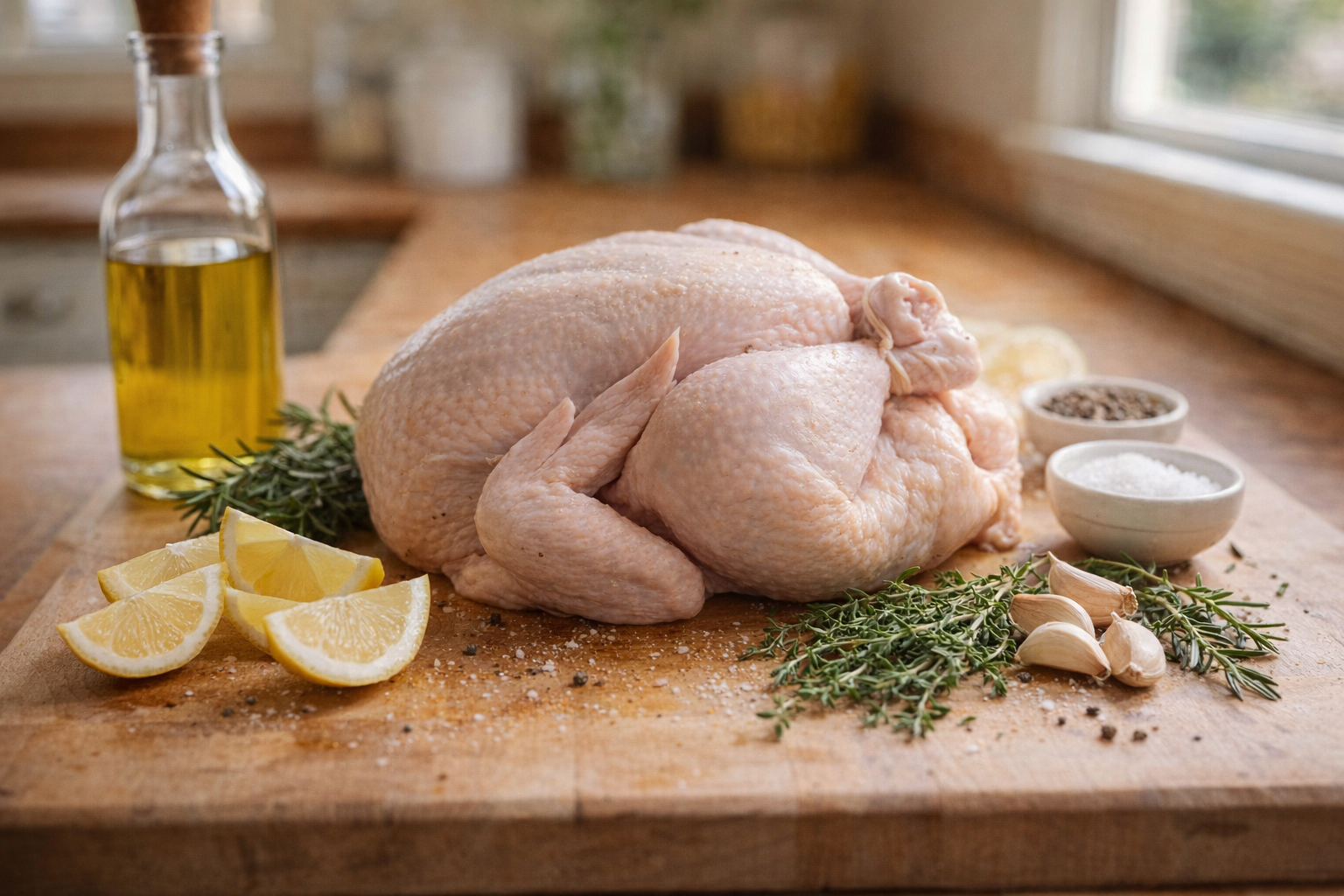
The Cooking Method(s)
Method 1: Oven Roasted Whole Chicken
This method focuses on achieving a perfectly roasted chicken with golden-brown skin and juicy, flavorful meat.
Ingredients:
- 1 whole chicken (3-4 lbs / 1.3-1.8 kg)
- 1 lemon, quartered
- 1 yellow onion, quartered
- 2 cloves garlic, minced
- 1 tbsp olive oil
- 1 tbsp Italian seasoning
- 1 tsp smoked paprika
- 1/2 tsp cumin powder
- 1 tsp dried rosemary
- Salt and pepper to taste
Instructions:
- Preheat the oven: Preheat your oven to 425°F (220°C). Make sure the rack is in the middle position.
- Season the chicken: In a small bowl, combine Italian seasoning, smoked paprika, cumin, rosemary, minced garlic, salt, and pepper. Add olive oil to form a paste.
- Prepare the chicken: Pat the chicken dry with paper towels. Loosen the skin around the breast and legs by gently sliding your fingers between the skin and the meat.
- Season inside and out: Rub 1/3 of the seasoning mixture under the skin of the breast and legs, 1/3 inside the chicken cavity, and the remaining 1/3 all over the outside of the chicken.
- Stuff the cavity: Place the quartered lemon and onion inside the chicken cavity.
- Truss the chicken (optional): Tuck the wings under the body of the chicken. Tie the legs together with kitchen twine to promote even cooking.
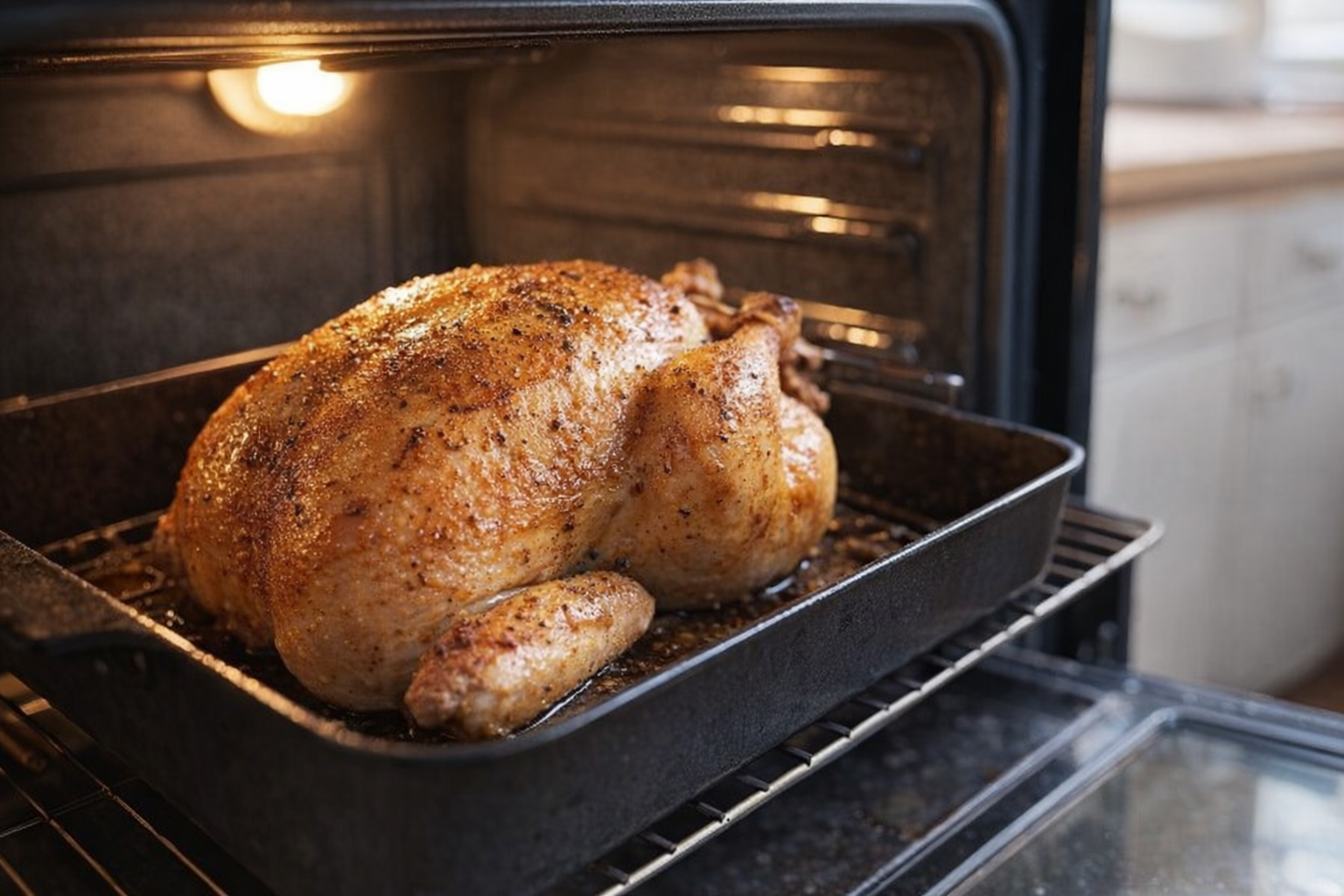
- Roast the chicken: Place the chicken in a roasting pan fitted with a rack. Roast for 1 hour and 20 minutes, or until a meat thermometer inserted into the thickest part of the thigh registers 165°F (74°C). The skin should be golden brown and crispy. Listen for the sizzling sounds and smell the fragrant aroma filling your kitchen.
- Rest the chicken: Remove the chicken from the oven and let it rest for 15 minutes before carving. This allows the juices to redistribute, resulting in a more tender and flavorful bird.
Cooking Time & Doneness Guide
- Cooking Time: Approximately 1 hour and 20 minutes for a 3-4 pound chicken at 425°F (220°C).
- Internal Temperature: The thickest part of the thigh should register 165°F (74°C) on a meat thermometer.
Visual Cues
The juices should run clear when you pierce the thigh with a fork. The skin should be golden brown and crispy.
Tips for Perfection
- Dry the chicken thoroughly: This is the key to crispy skin. Use paper towels to remove all excess moisture from the skin before seasoning.
- Don't overcrowd the pan: Make sure there's enough space around the chicken for air to circulate.
- Let it rest: Resting the chicken after roasting is crucial for juicy, tender meat.
Storage & Reheating
Store leftover roasted chicken in an airtight container in the refrigerator for up to 3-4 days. To reheat, preheat the oven to 350°F (175°C). Place the chicken in a baking dish with a little chicken broth to keep it moist, and cover with foil. Reheat until warmed through, about 20-30 minutes.
Serving Suggestions
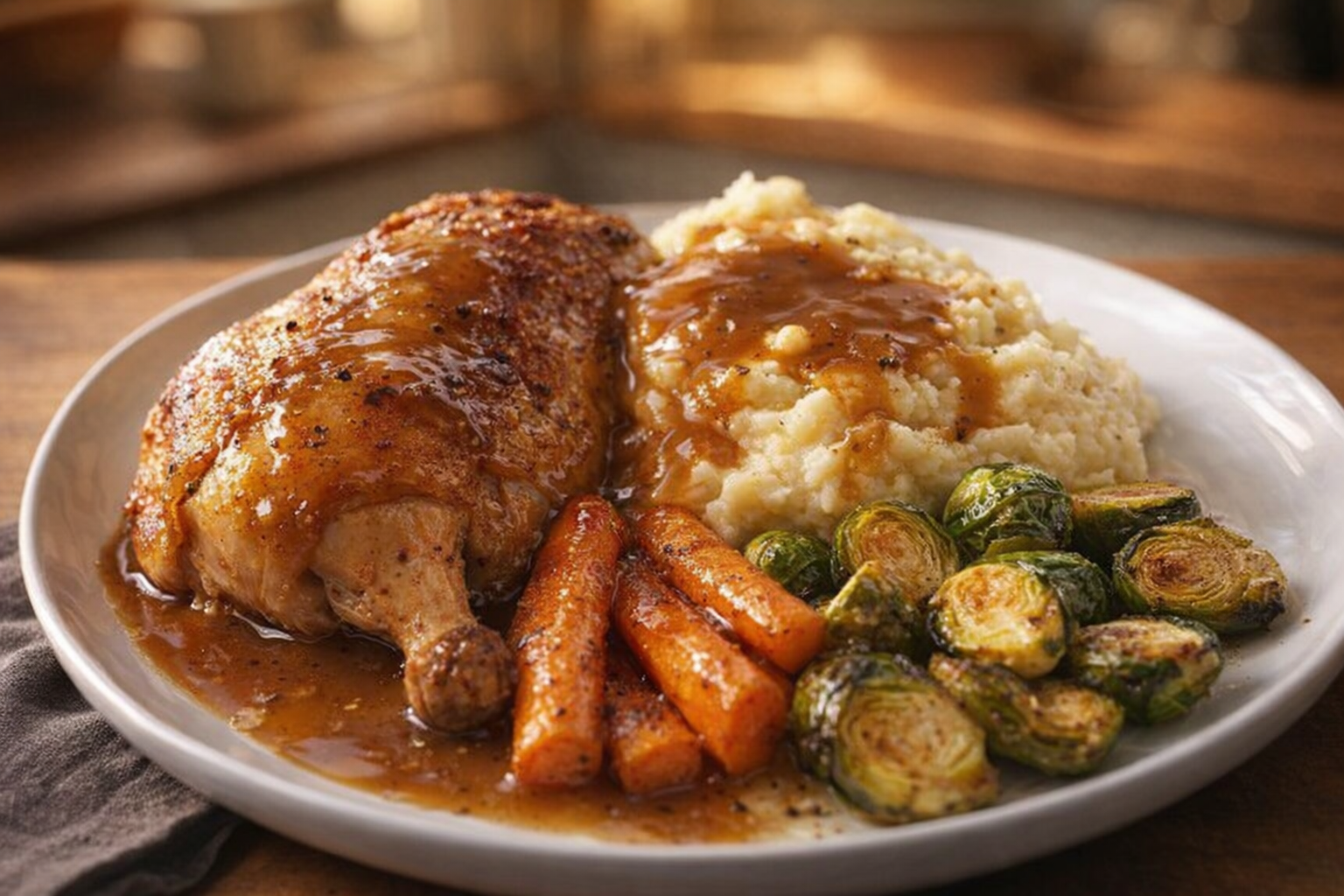
- Classic Sunday Dinner: Serve with mashed potatoes, roasted vegetables (such as carrots, potatoes, and Brussels sprouts), and gravy made from the pan drippings.
- Chicken Salad Sandwiches: Shred the leftover chicken and mix it with mayonnaise, celery, onion, and seasonings for delicious chicken salad sandwiches.
- Chicken Noodle Soup: Use the leftover chicken carcass to make a flavorful chicken broth and then add shredded chicken, noodles, and vegetables for a comforting soup.
- Tacos or Burritos: Shred the chicken and use it as a filling for tacos or burritos, topped with your favorite salsa, guacamole, and other toppings.
💡 Pro Tips
- Pat the chicken skin completely dry with paper towels before seasoning to ensure it becomes extra crispy during the roasting process.
- Stuff the cavity with halved lemons and fresh herbs like rosemary or thyme to infuse the meat with moisture and aromatic flavors from the inside out.
- Use an instant-read meat thermometer to ensure the thickest part of the thigh reaches 165°F (74°C) without touching the bone for perfect doneness.
- Allow the chicken to rest for at least 15 minutes after removing it from the oven to let the juices redistribute for a more succulent result.
- Place a layer of chopped root vegetables in the pan beneath the chicken to roast them in the flavorful rendered fat.
Frequently Asked Questions
Yes, you can! You can use a cast iron skillet as an alternative, or create a makeshift rack by arranging chopped vegetables like carrots, celery, and onions on the bottom of a regular baking pan. This will lift the chicken and allow for better air circulation.
While trussing is optional, it's highly recommended for more even cooking. Trussing helps the chicken cook more uniformly by creating a compact shape, preventing the legs and wings from overcooking before the breast is done. This results in a juicier and more evenly cooked bird overall.
The best way to ensure the chicken is cooked through is to use a meat thermometer. Insert the thermometer into the thickest part of the thigh, avoiding the bone; the internal temperature should reach 165°F (74°C).
Yes, you can substitute dried herbs for fresh herbs, but use about one-third the amount. Dried herbs are more concentrated in flavor than fresh herbs, so using too much can overpower the chicken. For example, if the recipe calls for 1 tablespoon of fresh rosemary, use 1 teaspoon of dried rosemary.