 delishing
How to Make Classic Tomato Salsa: A Culinary Guide

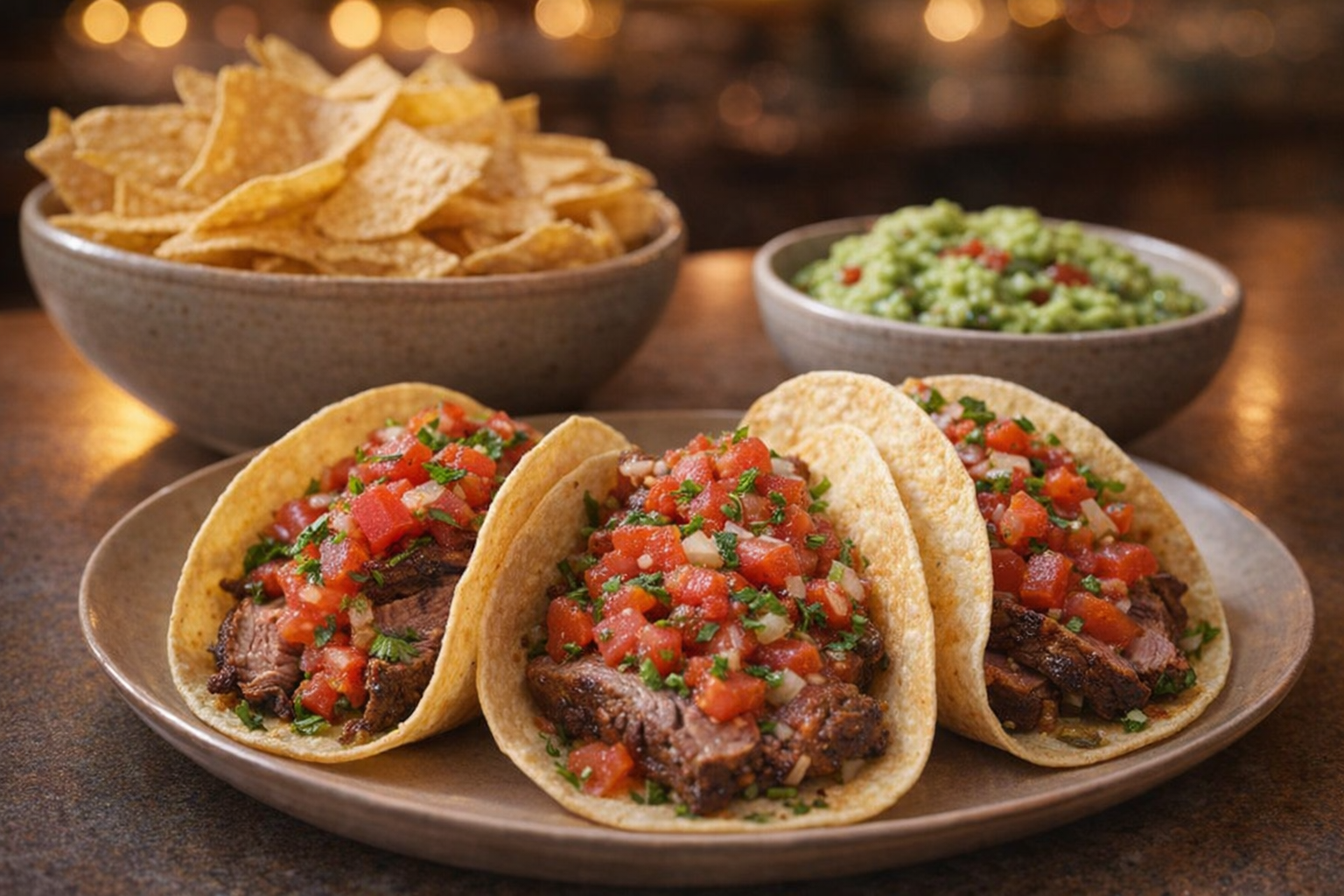
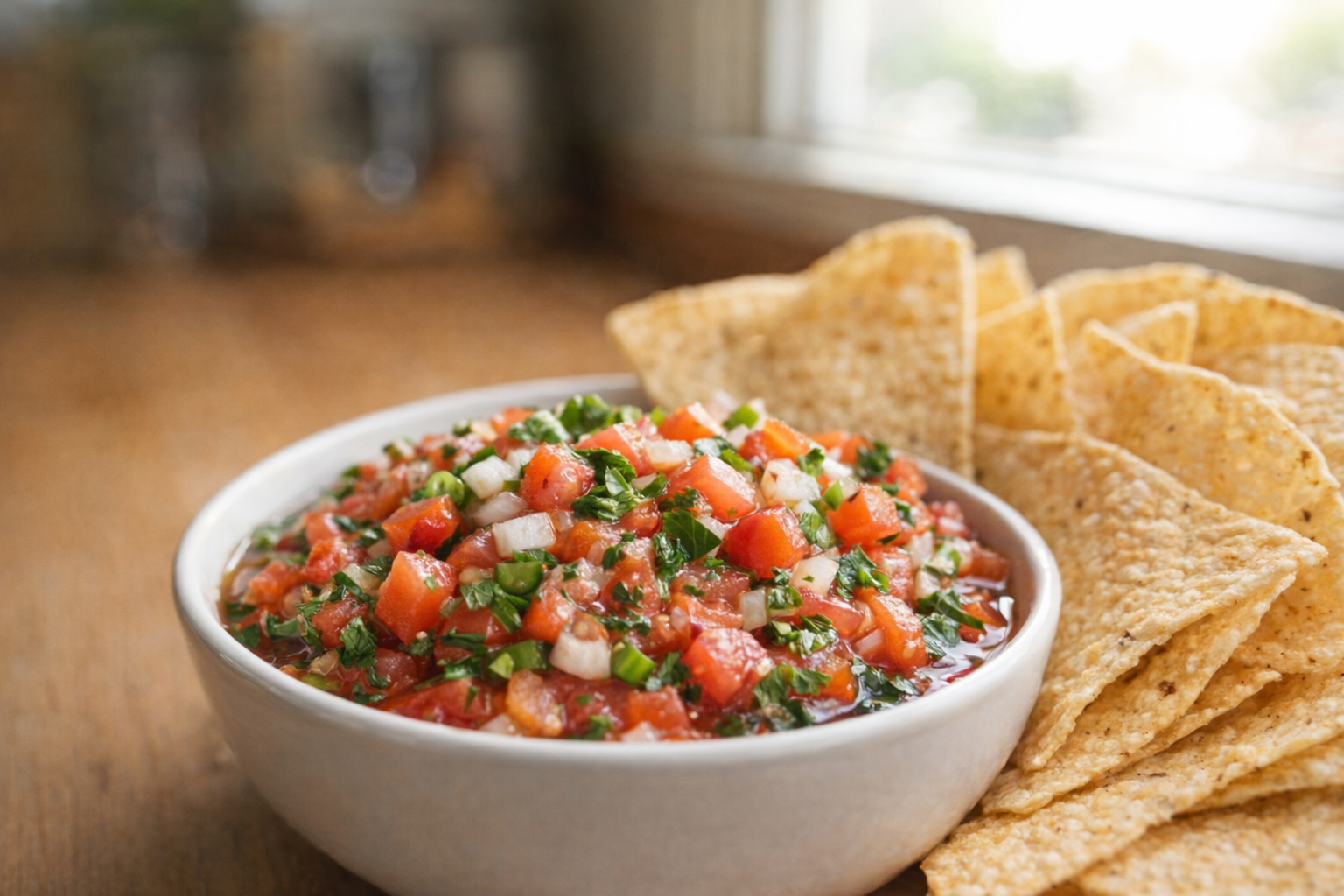
Salsa, in its essence, is a celebration of fresh ingredients, balanced acidity, and nuanced heat. Classic tomato salsa is the bedrock upon which countless variations are built, offering a bright and zesty counterpoint to rich dishes or standing alone as a vibrant appetizer with tortilla chips. The key to a truly exceptional salsa lies in the quality of the tomatoes and the precision of the knife work.
This method works because it leverages the natural sweetness of ripe tomatoes, amplified by the sharpness of onion, the herbaceousness of cilantro, and the fiery kick of jalapeños. A touch of lime juice brings everything into harmony, creating a symphony of flavors that dance on the palate.
Understanding Tomatoes
The foundation of any great tomato salsa is, of course, the tomato. Roma tomatoes are ideal due to their firm flesh and relatively low water content, which prevents the salsa from becoming too watery. However, other varieties like vine-ripened or even beefsteak tomatoes can be used, provided you adjust the recipe to account for their moisture levels. Look for tomatoes that are firm to the touch, have a deep red color, and a fragrant aroma. Avoid tomatoes that are bruised, soft, or have blemishes. Organic tomatoes will generally have a superior flavor.
Why Cook Salsa This Way?
- Versatility: Pairs seamlessly with everything from grilled meats and fish to tacos, nachos, and even eggs.
- Flavor: A vibrant, fresh taste that brightens any dish.
- Convenience: Quick to prepare with readily available ingredients.
Preparation (Mise en Place)
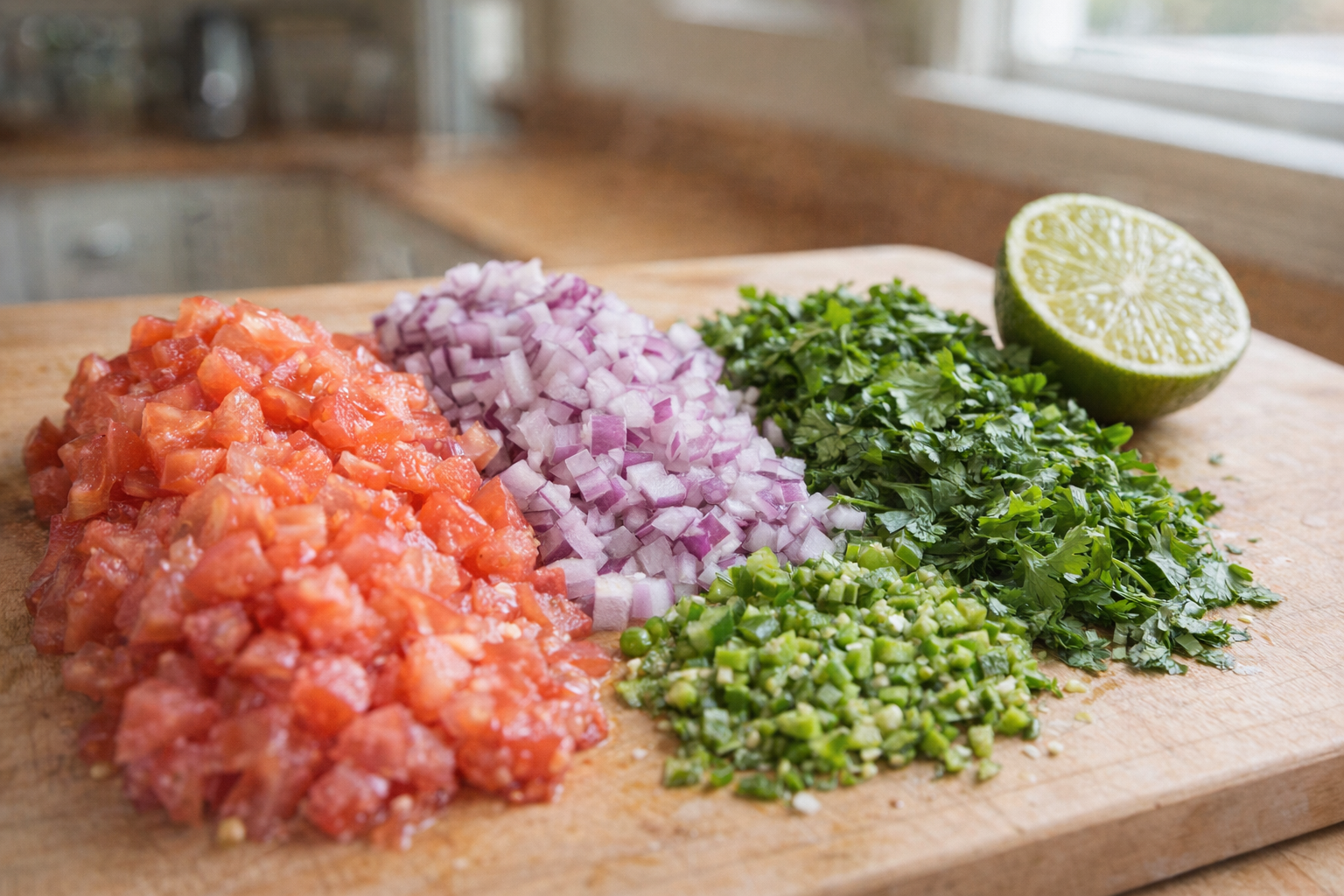
- Tomato Preparation: Wash the tomatoes thoroughly. Remove the cores with a paring knife. Dice the tomatoes into small, uniform pieces (approximately 1/4-inch dice).
- Onion Preparation: Peel and finely dice the onion. A sharp knife is crucial to avoid bruising the onion, which can release bitter compounds.
- Jalapeño Preparation: Handle jalapeños with care! Wear gloves if you're sensitive to chili oils. Remove the stem and seeds (for a milder salsa) or leave them in (for extra heat). Finely mince the jalapeño.
- Cilantro Preparation: Wash the cilantro thoroughly and pat it dry. Chop the cilantro leaves, discarding the tough stems.
- Lime Preparation: Have fresh limes on hand, ready to juice.
Essential Tools
- Chef's Knife: A sharp, high-quality chef's knife is essential for efficient and consistent dicing.
- Cutting Board: A stable cutting board provides a safe and sanitary surface for food preparation.
- Mixing Bowl: A medium-sized mixing bowl is needed to combine all the ingredients.
- Lime Juicer: A lime juicer extracts the maximum amount of juice from the limes.
The Cooking Method
Classic Tomato Salsa: A Fresh Approach
This method emphasizes the raw, vibrant flavors of the ingredients, creating a salsa that is both refreshing and satisfying.
Ingredients:
- 6 medium Roma tomatoes (about 2 pounds / 900g), diced
- 1/2 medium white onion, finely diced
- 1-2 jalapeños, seeded and minced (adjust to taste)
- 1/2 cup fresh cilantro, chopped
- 2-3 tablespoons fresh lime juice (from 1-2 limes)
- 1 teaspoon salt (or to taste)
Instructions:
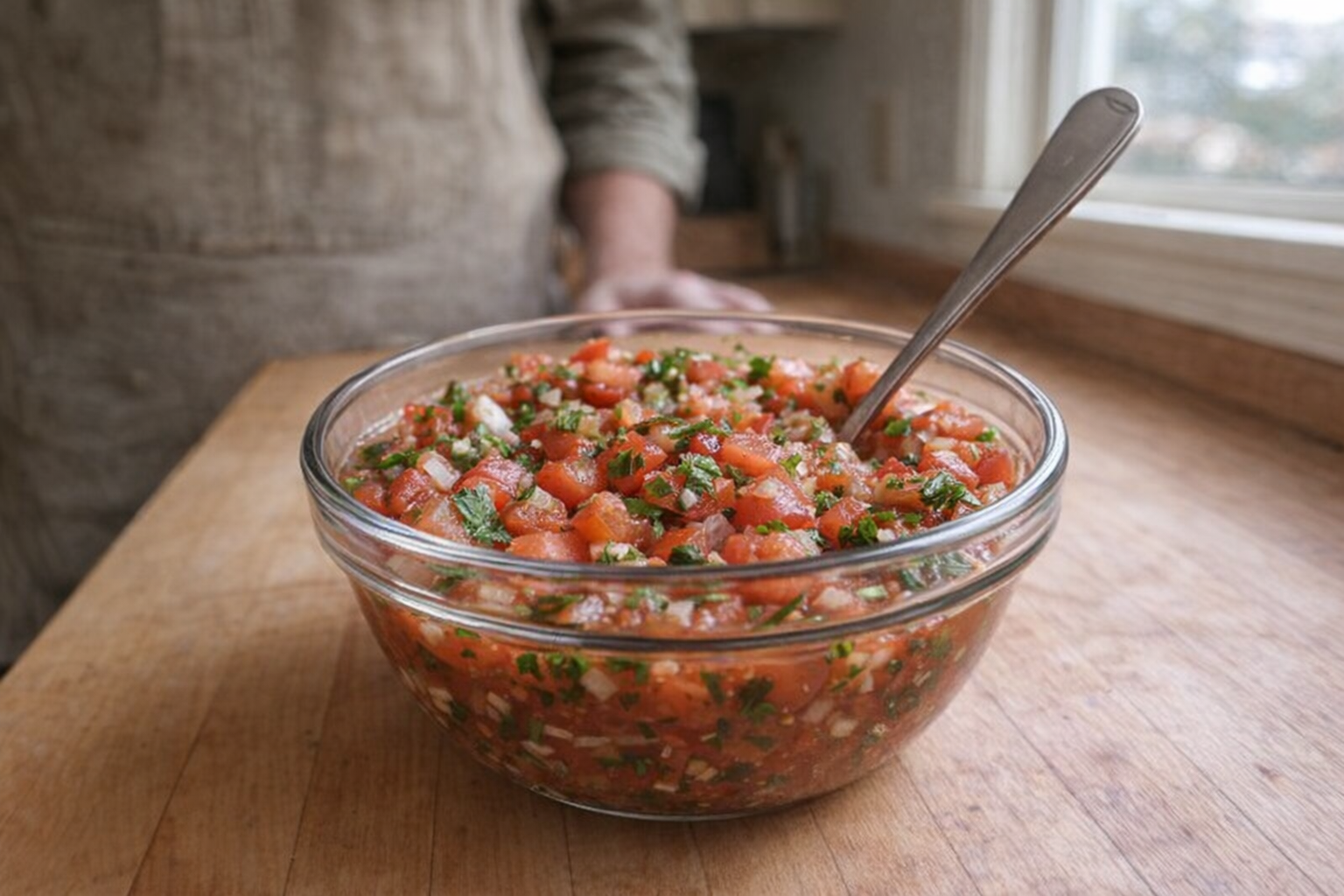
- Combine Ingredients: In a medium mixing bowl, gently combine the diced tomatoes, onion, jalapeño, and cilantro. The aroma of fresh tomatoes and spicy jalapeño will immediately fill the air.
- Add Lime Juice and Salt: Squeeze the lime juice over the mixture. Sprinkle with salt. The lime juice will react with the tomatoes, releasing their juices and creating a natural sauce.
- Mix and Taste: Stir gently to combine. Taste the salsa and adjust the seasoning as needed. Add more lime juice for tanginess, more jalapeño for heat, or more salt to enhance the flavors.
- Chill (Optional): For best results, cover the salsa and refrigerate for at least 30 minutes to allow the flavors to meld. The longer it sits, the more the flavors will deepen.
Cooking Time & Doneness Guide
- Preparation Time: Approximately 15 minutes.
- Chilling Time (Optional): 30 minutes or longer.
Visual Cues
The salsa is ready when the ingredients are evenly distributed and coated in the lime juice and tomato juices. The colors should be vibrant and the aroma should be fresh and inviting.
Tips for Perfection
- Use Ripe Tomatoes: The flavor of the salsa hinges on the quality of the tomatoes. Use ripe, flavorful tomatoes for the best results.
- Don't Over-Mix: Over-mixing can cause the tomatoes to break down and the salsa to become mushy. Gently combine the ingredients.
- Adjust Heat to Taste: Jalapeños can vary in heat. Start with a small amount and add more to taste. Remember to remove the seeds for a milder salsa.
- Salt is Key: Salt enhances the flavors of the other ingredients. Don't be afraid to add enough salt to bring out the sweetness of the tomatoes and the heat of the jalapeños.
Storage & Reheating
Store leftover salsa in an airtight container in the refrigerator for up to 3-4 days. The salsa may become slightly watery as it sits, but this is normal. Drain off any excess liquid before serving. Reheating is not recommended as it will alter the texture and flavor of the salsa. It's best served cold or at room temperature.
Serving Suggestions
- With Tortilla Chips: The classic pairing! Choose your favorite tortilla chips and enjoy the salsa as a dip.
- As a Taco Topping: Spoon the salsa over your favorite tacos for a burst of fresh flavor.
- With Grilled Meats: Serve the salsa alongside grilled chicken, fish, or steak as a vibrant condiment.
- On Eggs: Add a spoonful of salsa to scrambled eggs or omelets for a spicy and flavorful breakfast.
💡 Pro Tips
- For a less acidic salsa, remove the seeds from the tomatoes before dicing.
- If you don't have fresh limes, bottled lime juice can be used, but fresh is always better.
- Pulse ingredients a few times in a food processor for a chunkier, less rustic salsa if preferred.
- To prevent crying while dicing the onion, chill it in the freezer for 10-15 minutes before cutting.
- Salt is crucial for flavor. Taste and adjust after letting salsa sit for at least 30 minutes.
Frequently Asked Questions
While fresh tomatoes are ideal for classic salsa, you can use canned diced tomatoes in a pinch. Be sure to drain them well to prevent a watery salsa. Consider roasting the canned tomatoes briefly in the oven to concentrate their flavor before dicing and adding them to the recipe.
To increase the heat, use more jalapeños or add a pinch of cayenne pepper. You can also use a hotter variety of pepper, such as serrano or habanero, but be very careful with the amount, as these peppers are significantly hotter than jalapeños. Always taste as you go!
If the salsa is too acidic, you can balance the flavors by adding a pinch of sugar or a small amount of finely diced red bell pepper. The sweetness will counteract the acidity. You can also add more of the other ingredients, such as tomatoes, onions, or cilantro, to dilute the lime juice.
Properly stored in an airtight container, this salsa will last for 3-4 days in the refrigerator. The flavor will actually develop more over time, but be aware that the salsa may become slightly watery as it sits. Drain off any excess liquid before serving.