 delishing
How to Cook Juicy Hamburgers on the Stove: A Culinary Guide

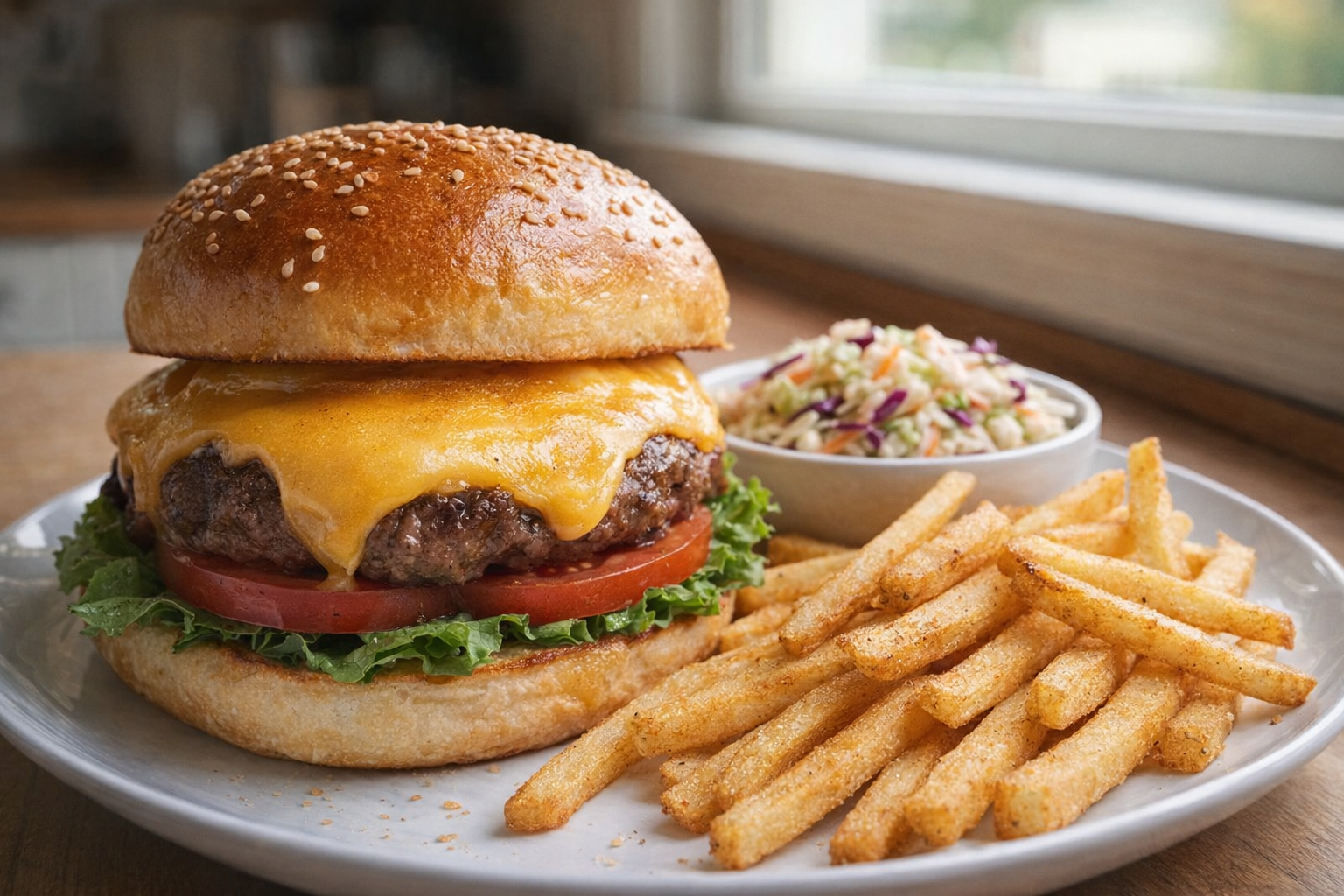
Cooking hamburgers on the stove is a straightforward and reliable method for achieving delicious, juicy patties any time of year. This guide provides you with the techniques and knowledge to transform simple ground beef into a restaurant-quality burger, all from the comfort of your kitchen. We'll focus on maximizing flavor and texture through proper searing, seasoning, and cooking techniques, ensuring a perfectly cooked burger every time.
The key to a great stovetop burger lies in creating a flavorful crust while maintaining a moist interior. The high heat of the skillet sears the outside of the patty, locking in juices and developing a rich, savory flavor. Mastering the stovetop method gives you complete control over the cooking process, allowing for consistent results and delicious burgers no matter the weather.
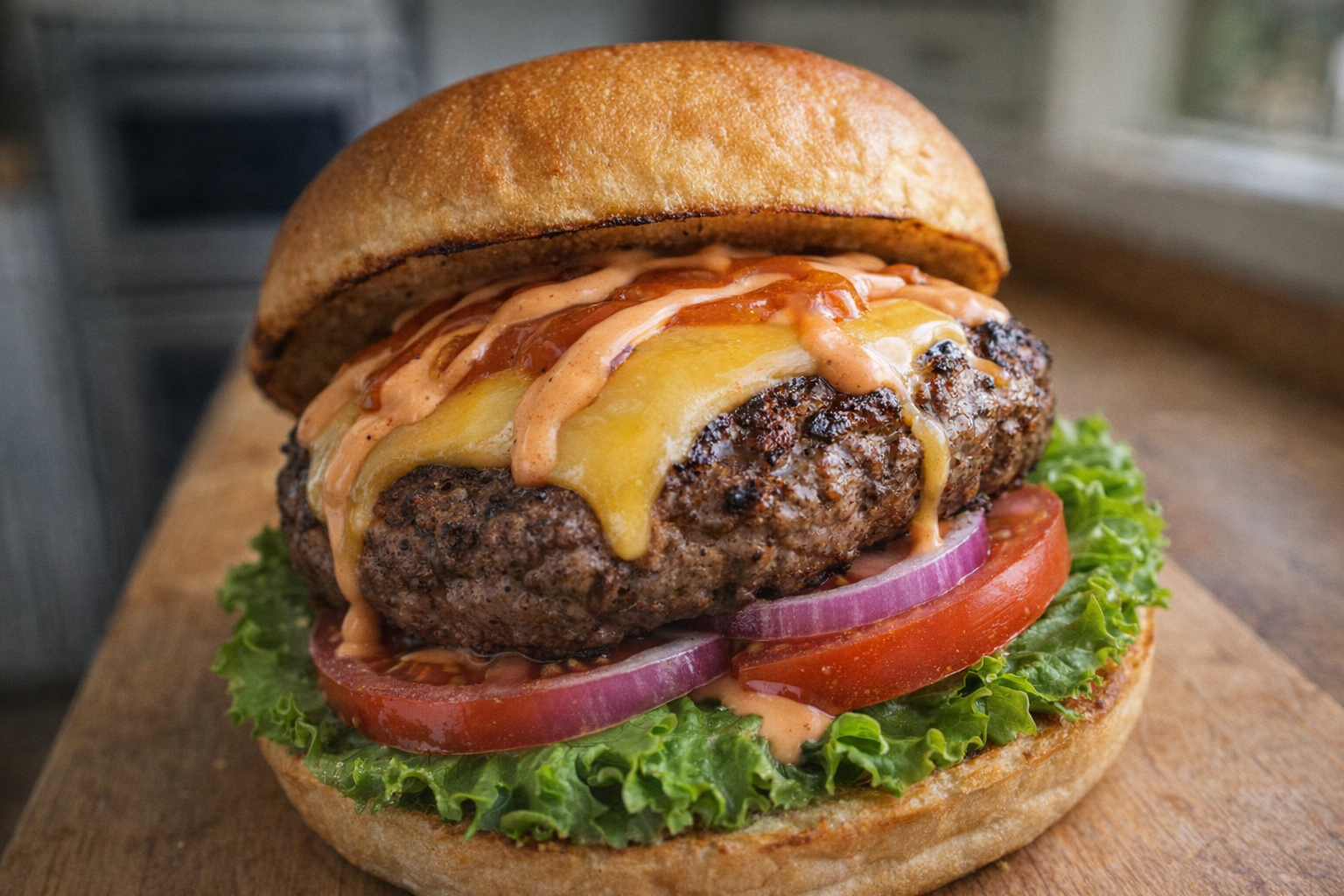
Understanding Ground Beef
The type of ground beef you choose significantly impacts the final burger. Ground chuck, typically 80-85% lean, is ideal for stovetop burgers. The higher fat content renders during cooking, adding moisture and flavor to the patty. Avoid extremely lean ground beef (90% or higher) as it can result in dry, less flavorful burgers. Look for ground beef that is bright red and has a fresh, slightly meaty smell. Freshly ground beef is always preferable for superior flavor and texture. When buying pre-packaged ground beef, check the "use by" date and select the package with the latest date.
Why Cook Hamburgers This Way?
- Versatility: Stovetop burgers can be customized with various cheeses, toppings, and condiments to suit individual preferences.
- Flavor: The searing action of the hot skillet creates a deep, savory crust that enhances the overall flavor profile.
- Convenience: This method is quick, easy, and requires minimal equipment, making it perfect for weeknight meals.
Preparation (Mise en Place)
Before you begin cooking, ensure all your ingredients are prepped and ready to go. This ensures a smooth and efficient cooking process.
- Thawing the Beef: If using frozen ground beef, thaw it completely in the refrigerator for at least 24 hours. Never thaw ground beef at room temperature, as this can promote bacterial growth.
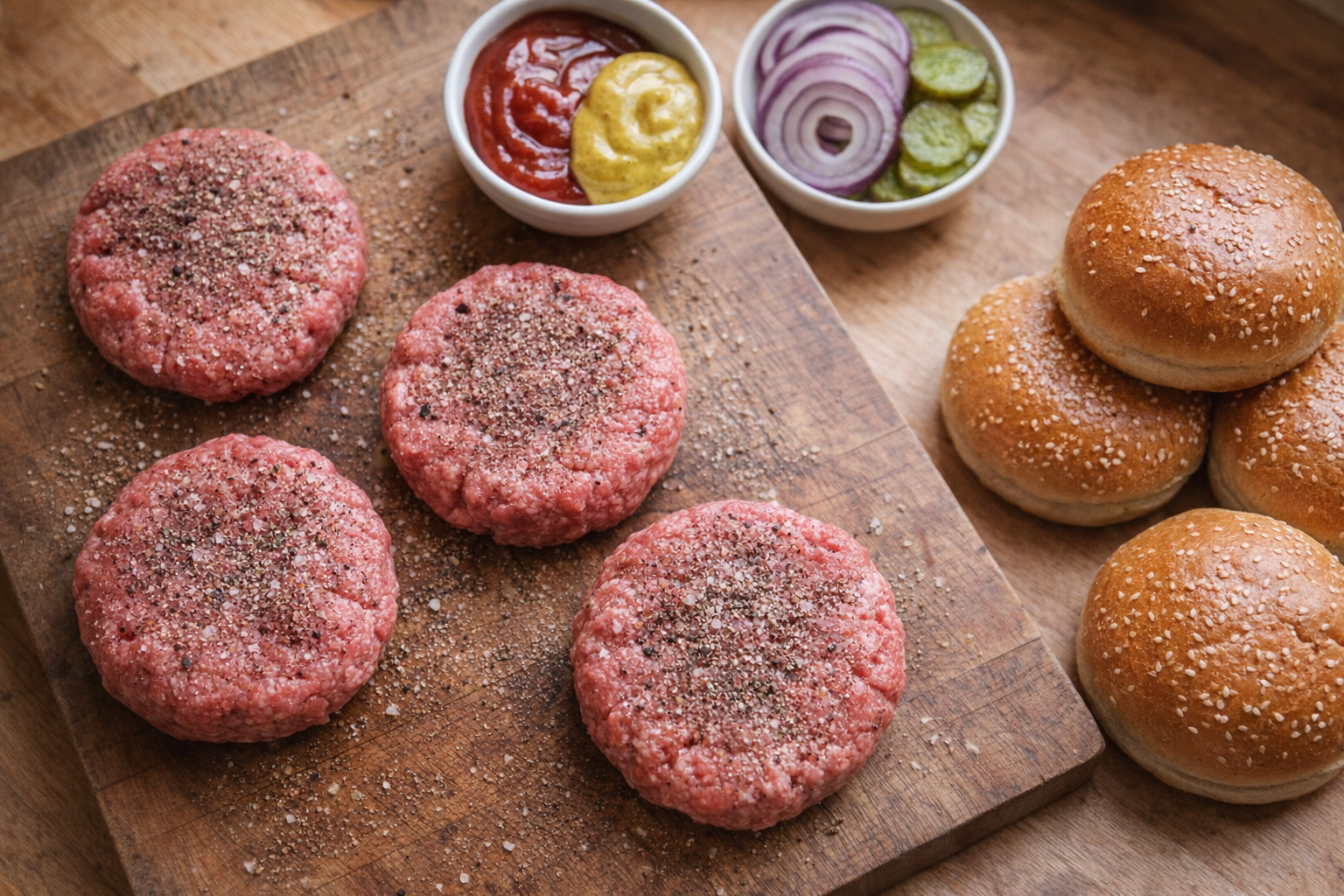
- Forming the Patties: Gently combine the ground beef with your chosen seasonings. Avoid overmixing, which can result in tough burgers. Divide the mixture into equal portions (about 4 ounces each) and form into patties about 1 inch thick. Create a slight indentation in the center of each patty to prevent them from bulging during cooking.
Essential Tools
A heavy-bottomed skillet (cast iron is ideal for even heat distribution), a wide spatula for flipping, and a meat thermometer are essential for stovetop burger success.
The Cooking Method
Method 1: Classic Stovetop Hamburger
This method focuses on achieving a perfectly seared and juicy burger using a simple stovetop technique.
Ingredients:
- 1 pound (454g) ground chuck (80-85% lean)
- 1 teaspoon kosher salt
- 1/2 teaspoon freshly ground black pepper
- 4 slices cheese (American, cheddar, or your choice)
- 4 hamburger buns
- Optional toppings: lettuce, tomato, onion, pickles
- Optional condiments: ketchup, mustard, mayonnaise
Instructions:
- Season the Patties: In a bowl, gently combine the ground beef with salt and pepper. Divide the mixture into four equal portions and form into patties, about 1 inch thick. Press a slight indentation into the center of each patty to prevent them from bulging.
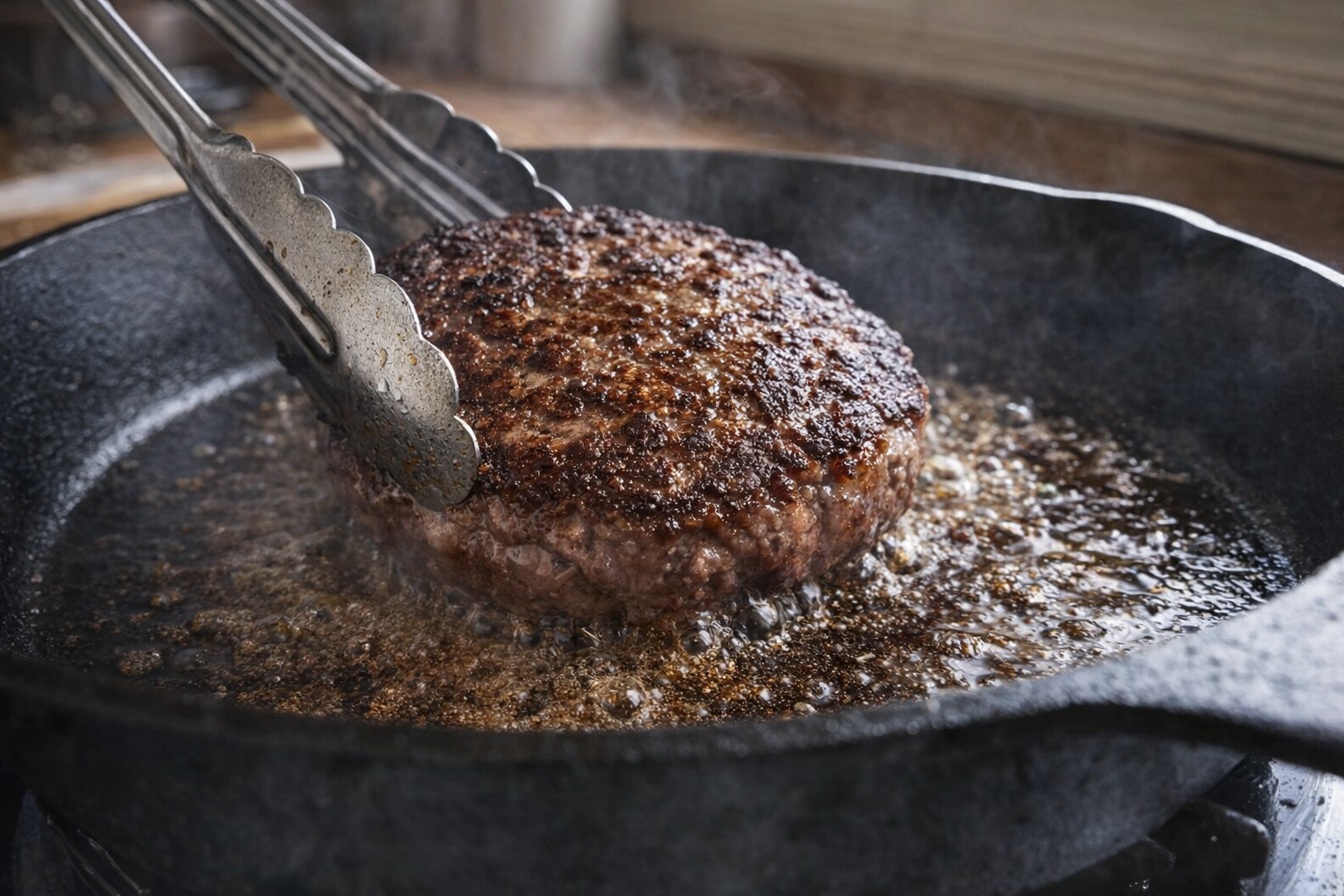
- Preheat the Skillet: Place a heavy-bottomed skillet (cast iron preferred) over medium-high heat. Allow the skillet to heat up for several minutes until it is very hot. A properly heated skillet is crucial for achieving a good sear. You should see a slight shimmer from the oil on the pan, and a drop of water should sizzle and evaporate almost instantly.
- Sear the Burgers: Carefully place the patties into the hot skillet, ensuring there is enough space between them for even cooking. Avoid overcrowding the pan, as this will lower the temperature and prevent proper searing. Listen for a satisfying sizzle as the patties hit the hot surface.
- Cook First Side: Cook the burgers for 3-4 minutes, or until a deep brown crust forms on the bottom. Avoid moving the patties during this time to allow for maximum searing. You'll see the edges start to turn opaque, and the meat will release easily from the pan when it's ready to flip.
- Flip and Cook Second Side: Using a wide spatula, carefully flip the patties. Cook for another 3-4 minutes, or until the internal temperature reaches your desired doneness (see Cooking Time & Doneness Guide below).
- Add Cheese: In the last minute of cooking, place a slice of cheese on top of each patty. Cover the skillet with a lid to help the cheese melt evenly. The steam trapped inside the pan will quickly melt the cheese, creating a gooey and delicious topping.
- Toast the Buns: While the cheese is melting, lightly toast the hamburger buns in a separate skillet or toaster. Toasting the buns adds texture and prevents them from becoming soggy.
- Assemble and Serve: Place the cooked patties on the toasted buns and add your favorite toppings and condiments. Serve immediately and enjoy!
Cooking Time & Doneness Guide:
- Medium-Rare (130-135°F / 54-57°C): 6 minutes total cooking time (3 minutes per side). The burger will have a warm red center.
- Medium (135-145°F / 57-63°C): 7-8 minutes total cooking time (3.5-4 minutes per side). The burger will have a pink center.
- Medium-Well (145-155°F / 63-68°C): 9 minutes total cooking time (4.5 minutes per side). The burger will have a slightly pink center.
- Well-Done (155°F+ / 68°C+): 10 minutes total cooking time (5 minutes per side). The burger will be cooked through with no pink.
Visual Cues
A medium-rare burger will feel soft to the touch, while a well-done burger will feel firm. Use a meat thermometer for the most accurate reading.
Tips for Perfection:
- Don't Overcrowd the Pan: Cook the burgers in batches to maintain a high skillet temperature and ensure proper searing.
- Resist the Urge to Press: Avoid pressing down on the patties with a spatula, as this will squeeze out the juices and result in a dry burger.
- Use a Meat Thermometer: For perfectly cooked burgers, use a meat thermometer to ensure the internal temperature reaches your desired doneness.
Storage & Reheating:
Store leftover cooked hamburgers in an airtight container in the refrigerator for up to 3-4 days. To reheat, place the patties in a skillet over medium heat with a splash of water or broth to prevent drying out. Cover and cook until heated through, or microwave in 30-second intervals until warm.
Serving Suggestions:
- Classic Cheeseburger: Serve on a toasted bun with lettuce, tomato, onion, pickles, and your favorite condiments.
- Bacon Cheeseburger: Add crispy bacon strips and your choice of cheese for a decadent twist.
- Mushroom and Swiss Burger: Top with sautéed mushrooms and melted Swiss cheese for a savory and flavorful option.
- Spicy Jalapeño Burger: Add sliced jalapeños, pepper jack cheese, and a spicy mayo for a fiery kick.
💡 Pro Tips
- Use ground beef with at least 20% fat content to ensure the patties remain moist and flavorful during the high-heat searing process.
- Press a small thumbprint into the center of each raw patty to prevent it from puffing up and ensure even cooking on the skillet.
- Preheat your cast-iron skillet over high heat until it is smoking slightly before adding the meat to create a deep, savory crust.
- Flip the burgers only once during the cooking process to allow a proper crust to form and to keep the juices from escaping.
- Let the burgers rest for at least five minutes after removing them from the stove to allow the juices to redistribute throughout the meat.
Frequently Asked Questions
While cast iron is ideal for its heat retention, any heavy-bottomed skillet will work for cooking burgers on the stove. Stainless steel is a good alternative; just make sure it's preheated properly before adding the patties to ensure good searing.
Make sure your skillet is properly preheated before adding the patties. A thin layer of oil with a high smoke point, like canola or avocado oil, can also help prevent sticking. Don't try to move the burgers until a crust has formed, which usually takes about 3-4 minutes.
Yes, you can use other types of ground meat, but the fat content will affect the juiciness. If using leaner ground beef, consider adding a small amount of oil or butter to the pan during cooking to help keep the burgers moist. You can also use ground turkey or lamb, but adjust cooking times accordingly.
The best way to ensure your burgers are safely cooked is to use a meat thermometer. The USDA recommends cooking ground beef to an internal temperature of 160°F (71°C). Insert the thermometer into the thickest part of the patty to get an accurate reading.