 delishing
How to Make Matcha: A Comprehensive Guide to Preparing Matcha Tea

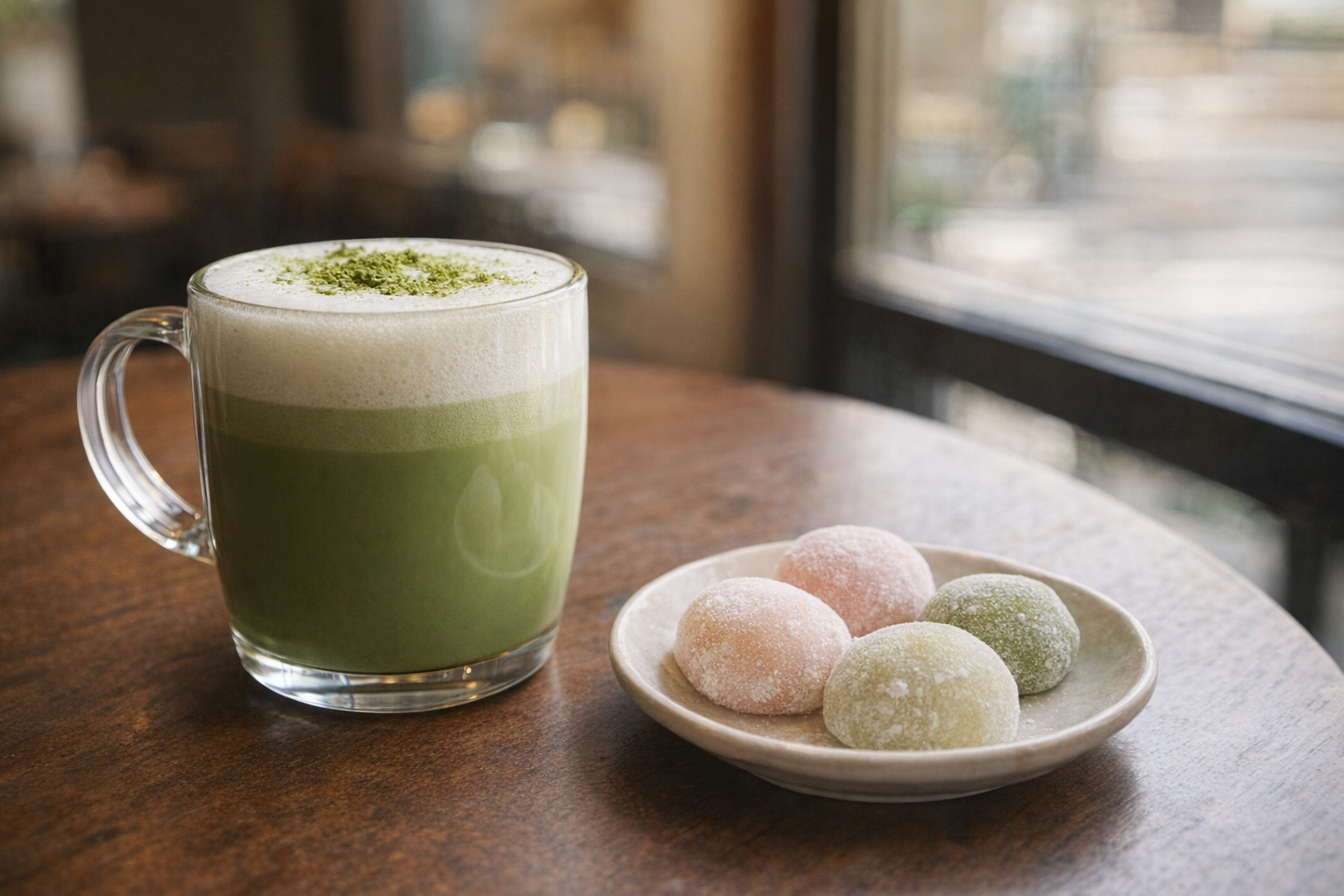
Matcha, a vibrant green tea powder, transcends a simple beverage; it's an embodiment of Japanese tradition and a gateway to a unique flavor profile. Earthy, slightly grassy, and possessing a characteristic umami richness, properly prepared matcha offers a balanced and invigorating experience. Mastering the art of matcha preparation unlocks a world of culinary possibilities, from traditional tea ceremonies to innovative latte creations and even smoothie infusions.
This guide will walk you through the essentials of selecting quality matcha, understanding the necessary tools, and mastering several preparation methods to create the perfect cup every time. We'll explore the nuances of temperature, whisking techniques, and serving suggestions to elevate your matcha experience from a simple drink to a mindful ritual.
Understanding Matcha Powder
Matcha isn't just any green tea; it's a finely ground powder made from specially grown and processed green tea leaves. Unlike traditional tea, where the leaves are steeped and discarded, with matcha, you consume the entire leaf, maximizing its nutritional benefits and flavor compounds. There are two primary grades of matcha powder:
- Ceremonial Grade: Considered the highest quality, ceremonial grade matcha is made from the youngest, most tender tea leaves. It boasts a vibrant green color, a delicate sweetness, and a smooth, refined flavor. It's best suited for traditional matcha tea preparation.
- Culinary Grade: Slightly coarser and more robust in flavor, culinary grade matcha is ideal for lattes, smoothies, baking, and other culinary applications. It has a more assertive flavor that can stand up to other ingredients.
Why Cook with Matcha This Way?
- Versatility: Matcha transcends the traditional tea ceremony. Use it in lattes, smoothies, desserts, and even savory dishes.
- Flavor: The unique umami flavor of matcha adds depth and complexity to a wide range of recipes.
- Convenience: Preparing matcha is quick and easy, making it a perfect choice for a morning ritual or an afternoon pick-me-up.
Preparation (Mise en Place)
Before you begin, gather your tools and ingredients. Sifting the matcha powder is crucial for preventing clumps and ensuring a smooth, even consistency.
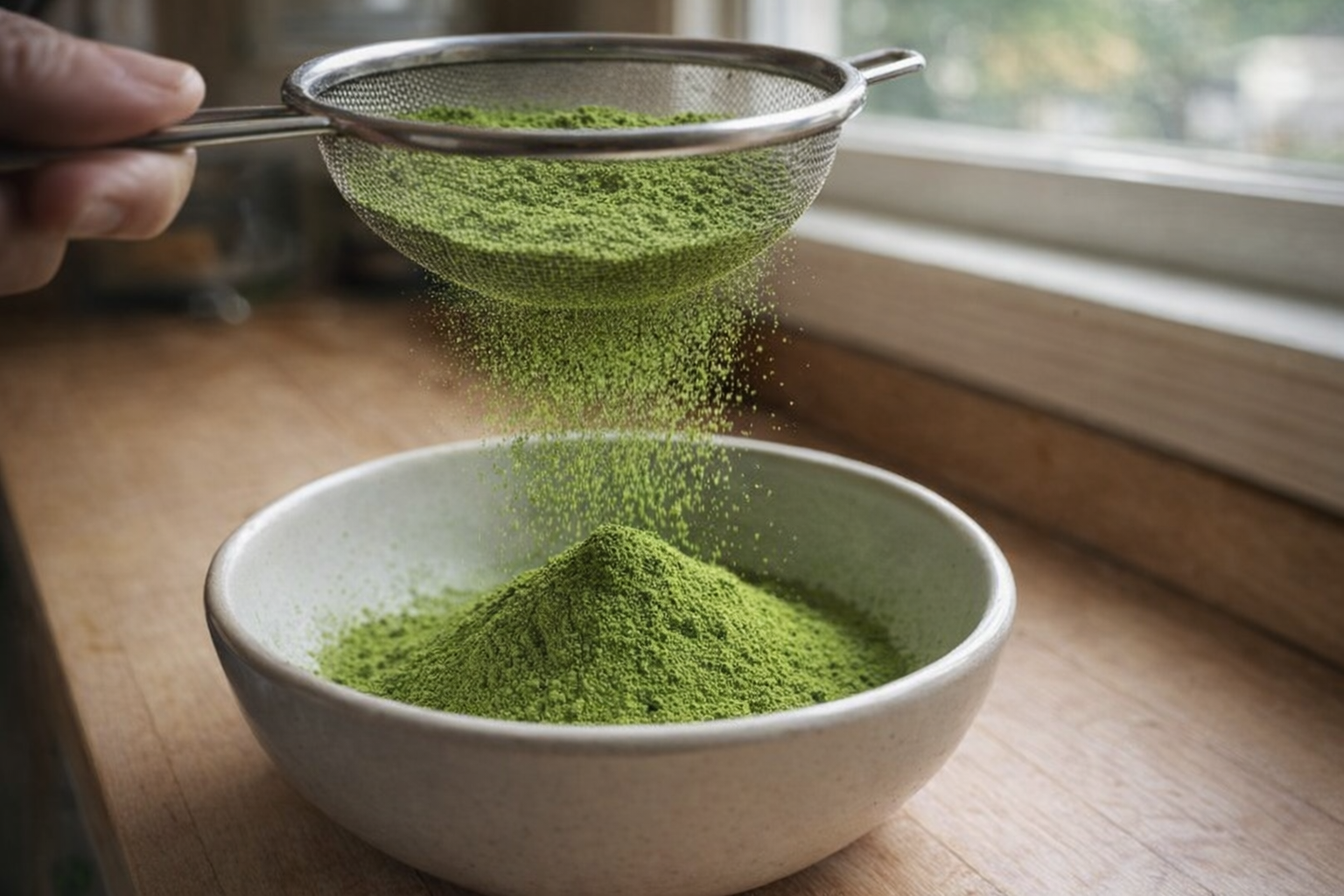
- Sifting the Matcha: Use a small, fine-mesh sieve to sift the matcha powder into your bowl. This breaks up any clumps and ensures a smooth, even texture.
- Heating the Water: Heat water to just below boiling (around 175°F or 80°C). Overly hot water can scorch the matcha and result in a bitter taste.
- Warming the Bowl (Optional): For a more traditional preparation, warm your matcha bowl by filling it with hot water and then discarding it before adding the matcha powder.
Essential Tools
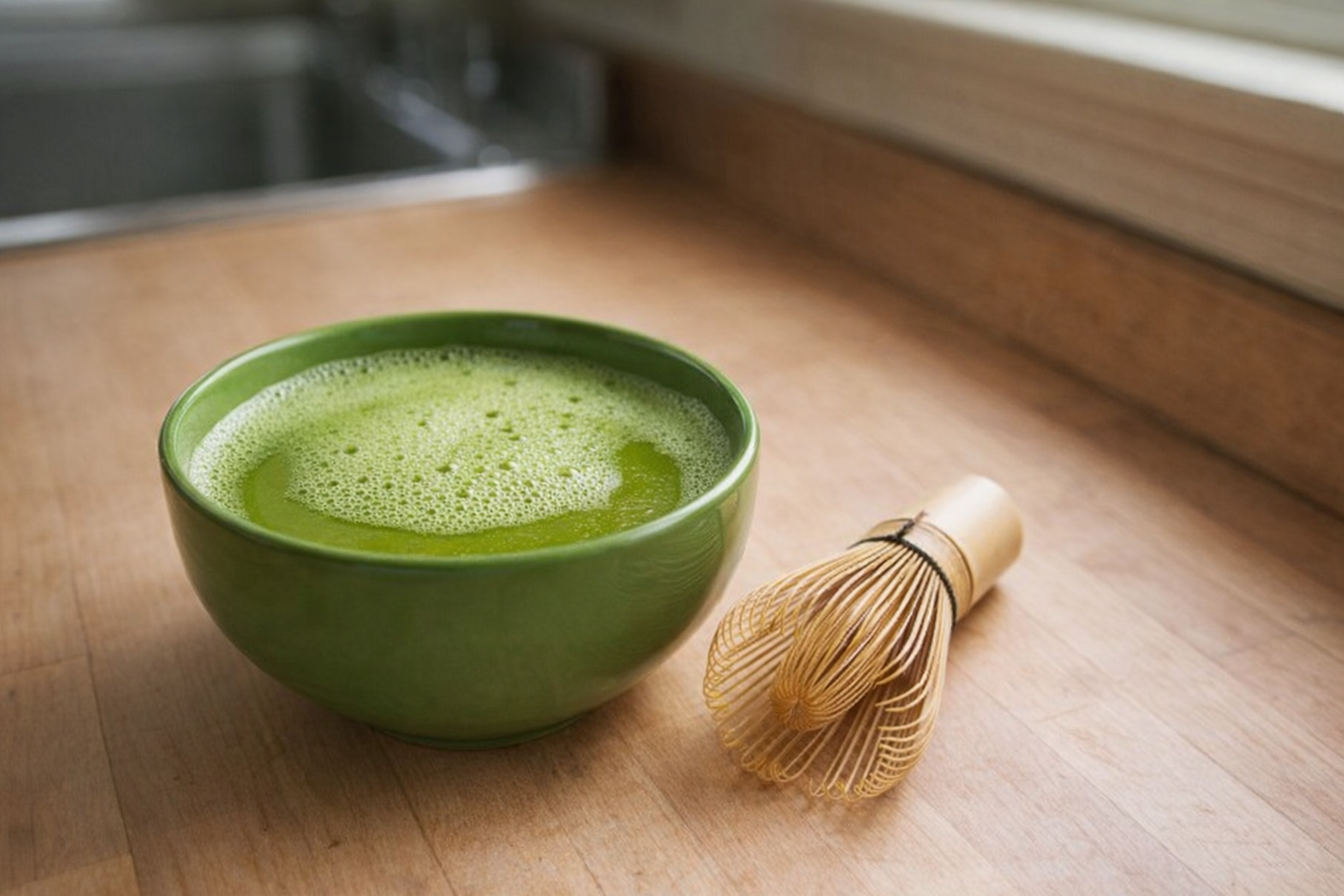
- Matcha Bowl (Chawan): A wide, shallow bowl specifically designed for whisking matcha. Its shape allows for easy whisking and helps to create a smooth, frothy texture.
- Bamboo Whisk (Chasen): A delicate whisk made from bamboo, used to blend the matcha powder and water into a smooth, frothy tea. The tines of the whisk help to create a consistent emulsion.
- Sifter: A fine-mesh sieve for breaking up clumps in the matcha powder.
- Thermometer (Optional): To ensure the water is at the correct temperature.
The Cooking Method(s)
We'll explore a few methods for preparing matcha, from the traditional Usucha to modern variations like lattes and smoothies.
Method 1: Usucha (Thin Tea) - The Traditional Method
This is the traditional method for preparing matcha tea. It results in a light, frothy tea with a slightly bitter flavor.
Ingredients:
- 1-2 grams (½-1 teaspoon) ceremonial grade matcha powder
- 60-90 ml (2-3 ounces) hot water (175°F or 80°C)
- Sift the Matcha: Sift the matcha powder into your matcha bowl to remove any clumps.
- Add Hot Water: Pour the hot water over the matcha powder.
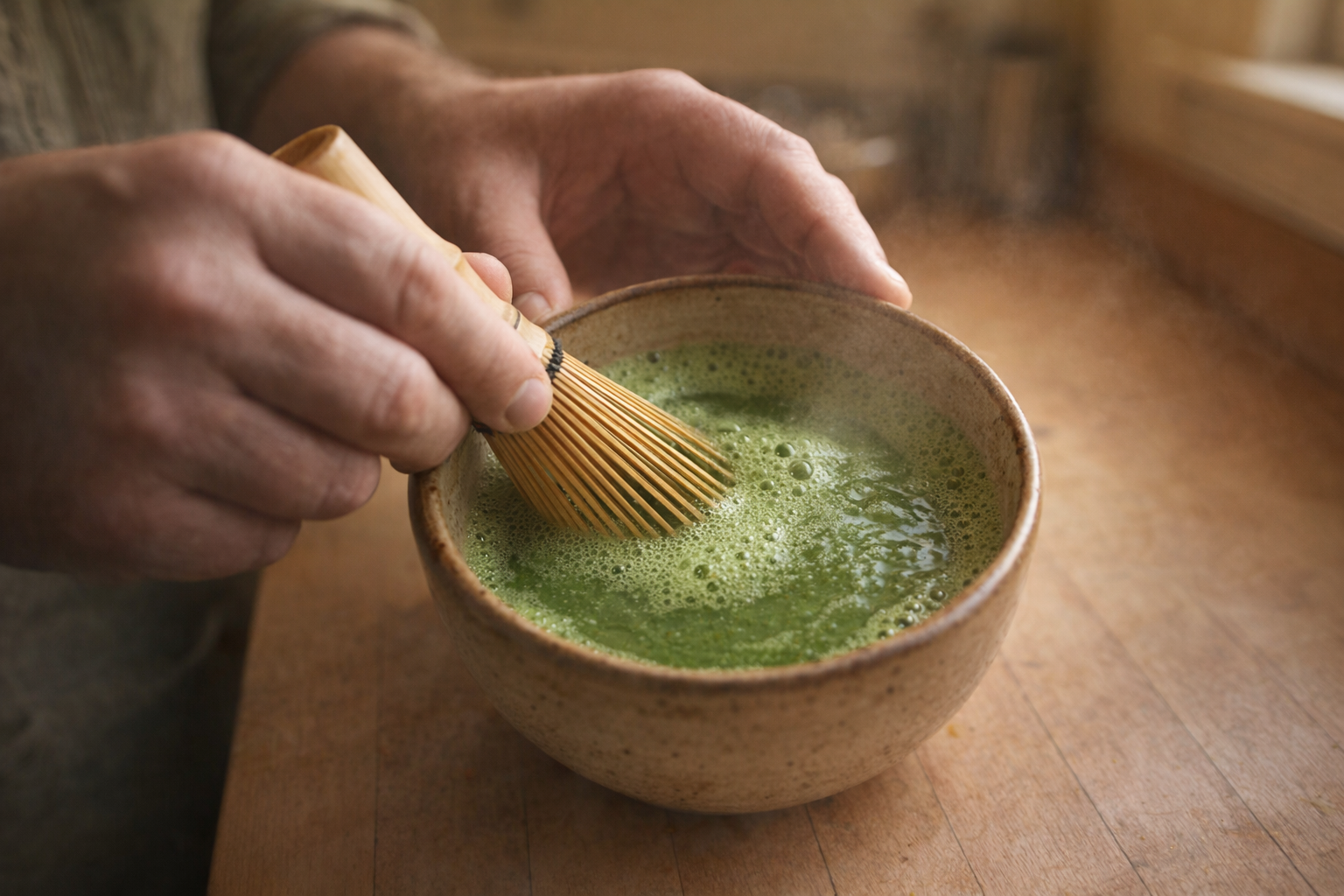
- Whisking Technique: Using your bamboo whisk, whisk the matcha vigorously in a "W" or "M" shape until a frothy layer forms on the surface. Be sure to whisk the bottom of the bowl to incorporate all the powder. The sound should be a gentle whooshing.
- Serve Immediately: Enjoy the tea immediately while the froth is still present. Savor the aroma as you take your first sip.
Cooking Time & Doneness Guide
- Preparation Time: 2-3 minutes.
Visual Cues
The matcha is ready when a thick, frothy layer forms on the surface and the tea has a vibrant green color. There should be no visible clumps of powder.
Tips for Perfection
- Water Temperature is Key: Overly hot water will scald the matcha and result in a bitter taste.
- Use Quality Matcha: The quality of your matcha powder will significantly impact the flavor of your tea.
- Whisk Vigorously: A well-whisked matcha should have a thick, frothy layer on top.
Storage & Reheating
Matcha tea is best enjoyed immediately. However, if you have leftover tea, you can store it in the refrigerator for up to 24 hours. The froth will dissipate, but the flavor will remain relatively intact. Do not attempt to reheat matcha tea.
Matcha powder should be stored in an airtight container in a cool, dark place. Protect it from moisture and strong odors. Properly stored matcha can last for several months.
Serving Suggestions
- Traditional Tea Ceremony: Serve Usucha with traditional Japanese sweets (Wagashi).
- Matcha Latte: Combine matcha tea with steamed milk and a touch of sweetener for a creamy, comforting latte.
- Matcha Smoothie: Blend matcha powder with fruits, vegetables, and yogurt for a nutritious and energizing smoothie.
- Iced Matcha: Pour prepared matcha tea over ice for a refreshing cold beverage.
💡 Pro Tips
- Sift the matcha powder through a fine-mesh strainer before adding water to ensure a smooth, clump-free consistency.
- Use water heated to approximately 175°F instead of boiling water to avoid scorching the delicate powder and creating a bitter taste.
- Whisk the mixture vigorously in a rapid W or M motion rather than a circular one to create a thick, frothy layer of micro-foam.
- Soak the prongs of your bamboo whisk in warm water for a few minutes before use to make them flexible and prevent breakage.
- Pre-warm your matcha bowl with hot water and wipe it completely dry before adding the powder to help maintain the tea's ideal temperature.
Frequently Asked Questions
While you *can* use culinary grade matcha for tea, it's not ideal. Ceremonial grade matcha offers a smoother, sweeter flavor profile better suited for the traditional tea ceremony, whereas culinary grade has a stronger, sometimes more bitter, flavor that's designed to be mixed with other ingredients.
Matcha is sensitive to light, heat, and air, so proper storage is key. Keep your matcha powder in an airtight container in a cool, dark place, like the refrigerator or a pantry, to prevent oxidation and maintain its vibrant green color and flavor for longer.
A bamboo whisk is ideal for creating a frothy matcha, but you can substitute it. Use a small wire whisk or even a milk frother, focusing on breaking up clumps and creating a smooth consistency instead of a thick foam.
Sifting matcha powder is crucial to prevent clumps from forming in your tea. These clumps can result in a gritty texture and uneven flavor distribution, so sifting ensures a smooth and enjoyable drinking experience.