 delishing
How to Make Authentic Tzatziki: The Greek Cucumber-Yogurt Sauce


Tzatziki, a cornerstone of Greek cuisine, is more than just a sauce; it's a symphony of cool, refreshing flavors. The creamy tang of Greek yogurt harmonizes with the crisp bite of cucumber, the pungent warmth of garlic, and the bright zest of lemon. This recipe aims to guide you through crafting a tzatziki that captures the authentic essence of the Mediterranean.
This method, emphasizing strained cucumber and quality yogurt, ensures a thick, creamy texture that won't separate. Salting the cucumber draws out excess moisture, preventing a watery consistency and intensifying the cucumber's fresh flavor. By following these techniques, you'll create a tzatziki that elevates everything from grilled meats to vegetable platters.
Understanding Cucumbers
When making tzatziki, selecting the right cucumber is paramount. English cucumbers, with their thin skin and minimal seeds, are ideal and don’t require peeling or seeding, saving time and effort. Persian cucumbers, smaller and equally mild, are another excellent choice. Avoid standard garden cucumbers, as they often have thick skins, large seeds, and a slightly bitter taste that can detract from the sauce. Ensure the cucumber is firm and free of blemishes for the best flavor and texture.
Why Cook Tzatziki This Way?
- Versatility: Tzatziki complements a wide array of dishes, from grilled meats and vegetables to salads and sandwiches.
- Flavor: The combination of creamy yogurt, crisp cucumber, and aromatic herbs creates a refreshing and complex flavor profile.
- Convenience: This recipe requires minimal cooking and can be prepared in under 30 minutes, making it a perfect option for quick meals or gatherings.
Preparation (Mise en Place)
- Cucumber Preparation: Wash and thoroughly dry your chosen cucumber(s). No need to peel if using English or Persian varieties.
- Garlic Preparation: Peel and mince or press four cloves of garlic. A garlic press ensures even distribution of flavor.
- Herb Preparation: Finely chop 3 tablespoons of fresh dill and/or mint. Fresh herbs are crucial for an authentic taste.
- Lemon Preparation: Have a fresh lemon on hand for juicing. You'll need approximately 1 1/2 tablespoons of juice.
Essential Tools
- Box Grater or Food Processor: For grating the cucumber. A box grater offers more control over the texture.
- Fine Mesh Strainer: To drain the grated cucumber and remove excess moisture.
- Mixing Bowl: For combining the ingredients.
- Garlic Press (Optional): To finely mince the garlic.
The Cooking Method(s)
This recipe focuses on a single, refined method for achieving the best tzatziki.
Simple Tzatziki
Ingredients:
- 1 English Cucumber (or 3-4 Persian cucumbers)
- 1/2 teaspoon salt (2.5ml)
- 1 cup (240ml) Greek yogurt
- 4 garlic cloves, finely minced
- 3 tablespoons fresh dill or mint (or both), finely chopped
- 1 1/2 tablespoons fresh lemon juice (from about 1/2 lemon)
- 1 tablespoon olive oil, plus extra for drizzling
- Salt and pepper to taste
- Grate the Cucumber: Using a box grater, grate the cucumber into a mixing bowl. You should have approximately 2 cups of grated cucumber.
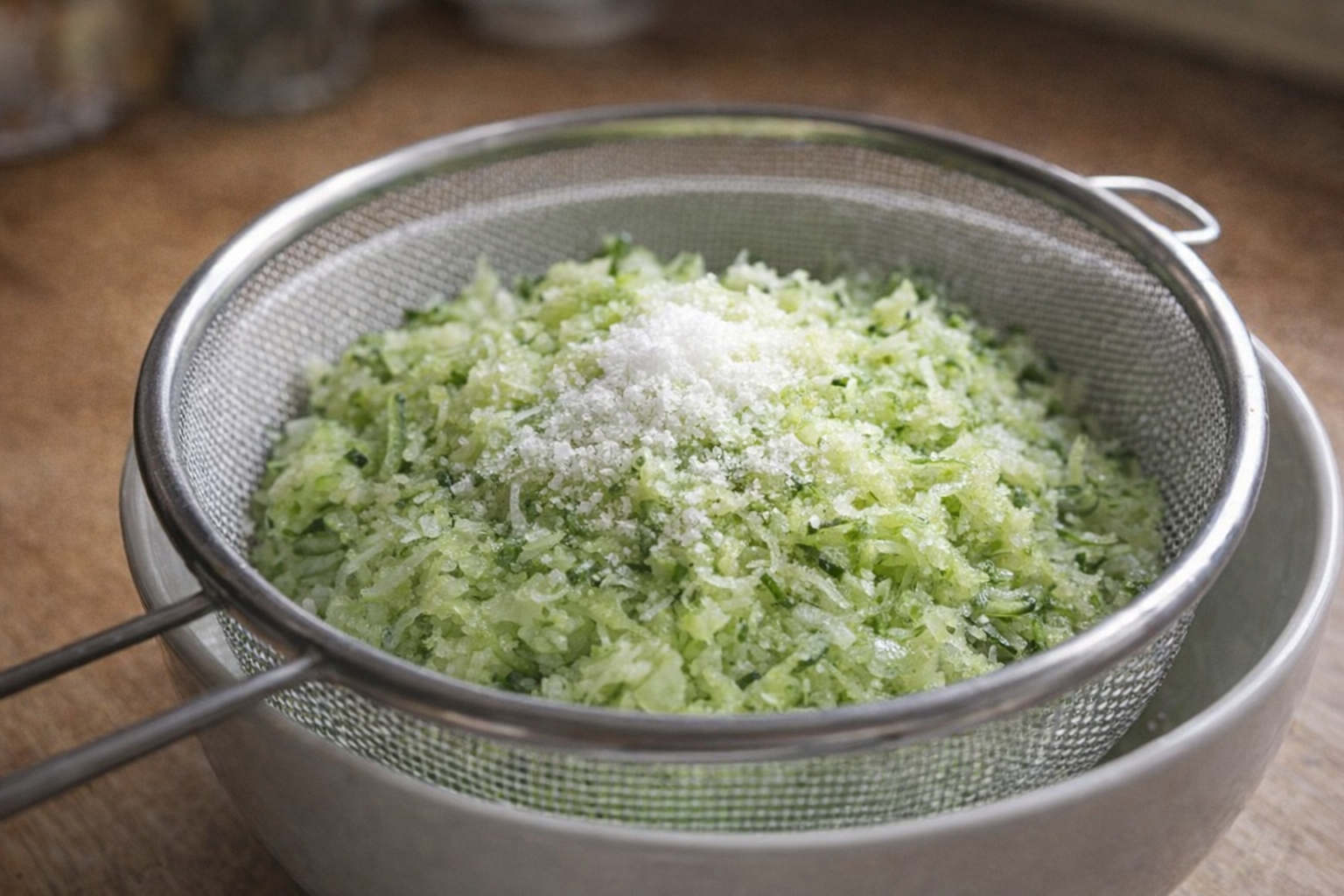
- Salt and Drain: Sprinkle the grated cucumber with 1/2 teaspoon of salt. Stir to combine. Place the salted cucumber in a fine-mesh strainer set over a bowl. Let it sit for 15-20 minutes. As it sits, you'll notice liquid accumulating in the bowl below.
- Prepare the Yogurt Base: While the cucumber drains, add 1 cup of Greek yogurt to a separate mixing bowl. Ensure the yogurt is cold.
- Add Garlic and Herbs: To the yogurt, add the minced garlic and chopped dill/mint. The pungent aroma of garlic and the fresh scent of herbs will begin to fill the air.
- Remove Moisture from Cucumber: After 15-20 minutes, press the grated cucumber against the strainer with the back of a spoon to extract as much liquid as possible. Discard the liquid. This step is critical for preventing a watery tzatziki.
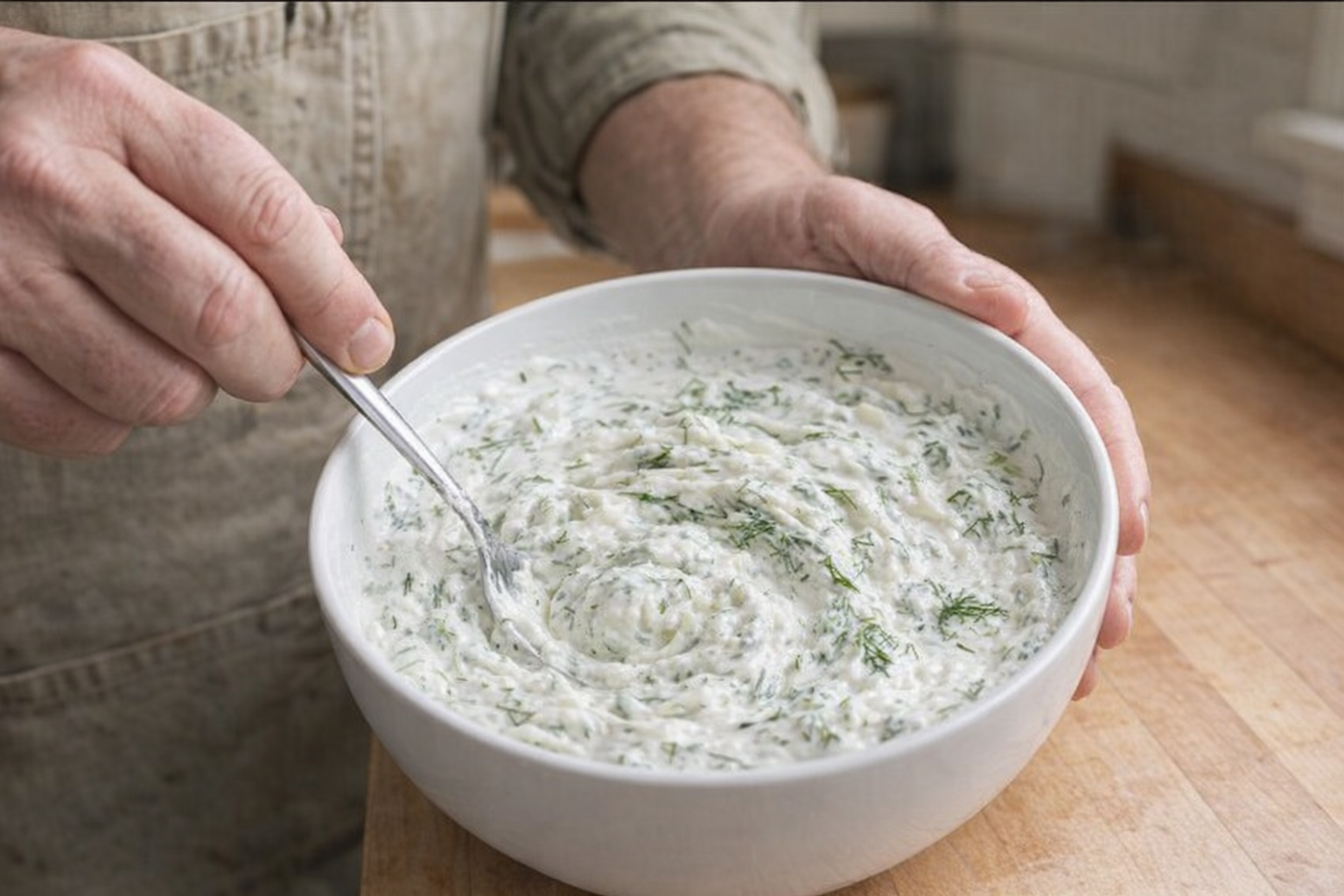
- Combine Ingredients: Add the drained cucumber to the yogurt mixture. Stir until well combined.
- Season and Finish: Add 1 1/2 tablespoons of fresh lemon juice and 1 tablespoon of olive oil to the mixture. Stir well. Taste and season with salt and pepper to your liking.
- Chill and Serve: Cover the bowl with plastic wrap and refrigerate for at least 1 hour, or preferably overnight. This allows the flavors to meld together, creating a more complex and delicious sauce. Before serving, give it a final stir and drizzle with a bit more olive oil.
Cooking Time & Doneness Guide
- Preparation Time: 20 minutes
- Draining Time: 15-20 minutes
- Chilling Time: Minimum 1 hour, ideally overnight
Visual Cues
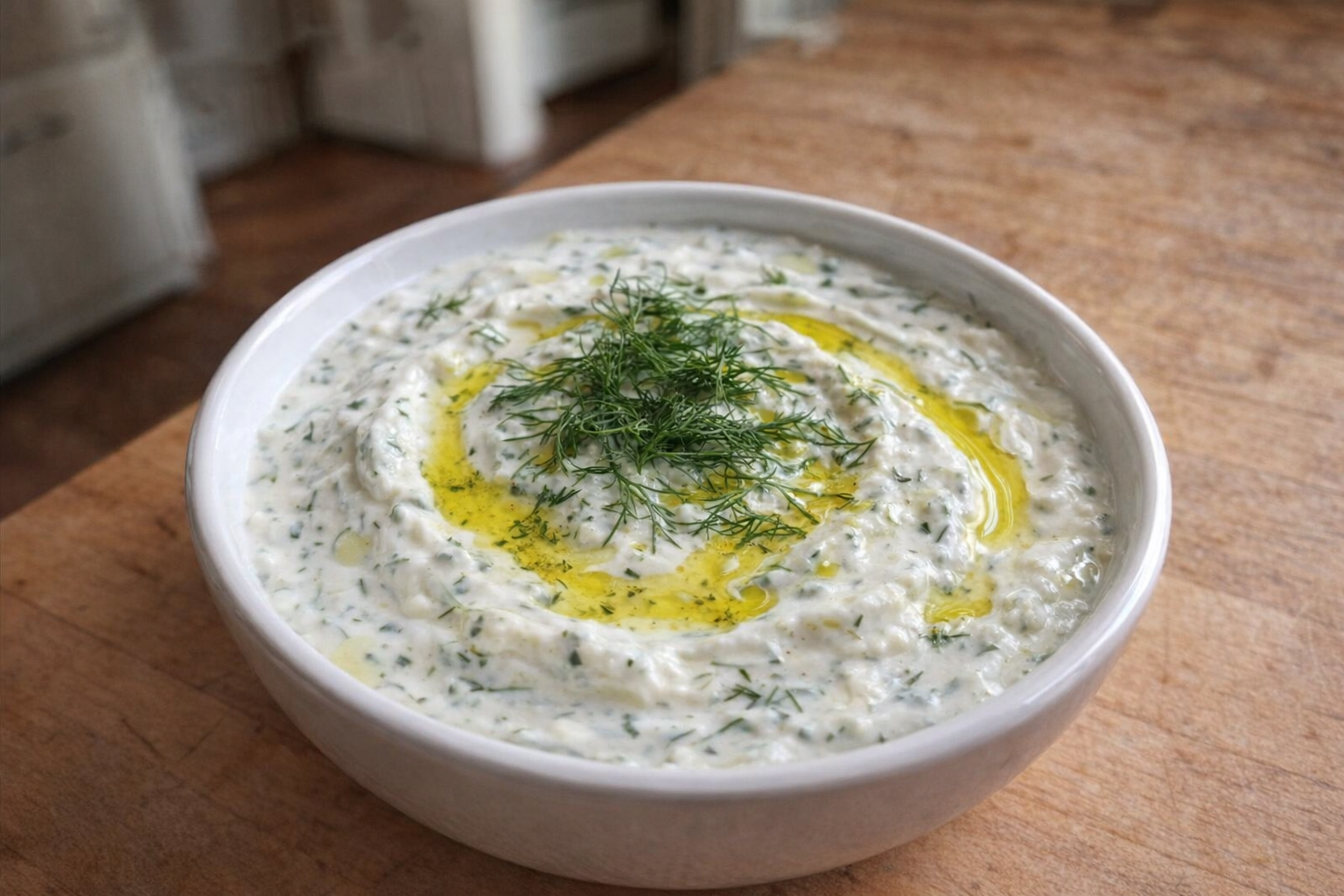
The tzatziki should be thick and creamy, not watery. The cucumber and herbs should be evenly distributed throughout the yogurt. The color should be a pale green from the cucumber and herbs.
Tips for Perfection
- Don't Skip the Draining: This is the most crucial step for preventing a watery sauce. Be thorough in pressing out the excess moisture from the cucumber.
- Use Full-Fat Greek Yogurt: It provides a richer, creamier texture and better flavor than low-fat or non-fat varieties.
- Fresh is Best: Use fresh garlic, herbs, and lemon juice for the most vibrant and authentic flavor.
- Taste as You Go: Adjust the seasoning to your liking. Some may prefer more garlic, lemon juice, or herbs.
Storage & Reheating
Store leftover tzatziki in an airtight container in the refrigerator for up to 3-4 days. The flavors will continue to meld and deepen over time. Stir well before serving, as some separation may occur. Reheating is not necessary or recommended, as tzatziki is best served cold.
Serving Suggestions
- As a Dip: Serve with pita bread, vegetables, or pita chips for a refreshing appetizer or snack.
- With Grilled Meats: Spoon over grilled chicken, lamb, or fish for a flavorful and cooling accompaniment.
- In Sandwiches and Wraps: Use as a spread in gyros, falafel wraps, or vegetable sandwiches.
- As a Salad Dressing: Drizzle over Greek salad, cucumber salad, or other Mediterranean-inspired salads.
💡 Pro Tips
- Squeeze the grated cucumber thoroughly using a clean kitchen towel or cheesecloth after salting to ensure the sauce remains thick and creamy.
- Use full-fat Greek yogurt or strain regular yogurt overnight to achieve the signature rich consistency of authentic tzatziki.
- Mince the garlic into a fine paste or use a microplane to distribute the flavor evenly and avoid biting into large raw chunks.
- Let the prepared tzatziki chill in the refrigerator for at least one hour before serving to allow the garlic and herb flavors to fully meld.
- Peel the cucumber and remove the watery seeds before grating to further prevent the sauce from becoming runny over time.
Frequently Asked Questions
The yogurt you're using might be the culprit. Try using a thicker Greek yogurt, or strain the yogurt itself through cheesecloth for a few hours before using it in the recipe to remove excess whey. You can also add a tablespoon of olive oil to emulsify the ingredients and create a smoother, less watery sauce.
While fresh herbs are definitely preferred for the best flavor, you can substitute dried herbs in a pinch. Use about 1 teaspoon of dried dill or mint for every tablespoon of fresh herbs called for in the recipe. Remember that dried herbs have a more concentrated flavor, so start with less and add more to taste.
Homemade tzatziki will typically last for 3-4 days in the refrigerator, stored in an airtight container. Be sure to check for any signs of spoilage, such as a sour smell or change in texture, before consuming. The flavor may also intensify over time, especially the garlic.
Yes, you can still use a regular garden cucumber, but it requires a bit more preparation. Peel the cucumber to remove the thick skin and scoop out the seeds with a spoon, as these can be bitter. Also, salting and straining the grated cucumber is even more crucial to remove excess water and bitterness.