 delishing
How to Cook Classic Beef Stew on the Stove

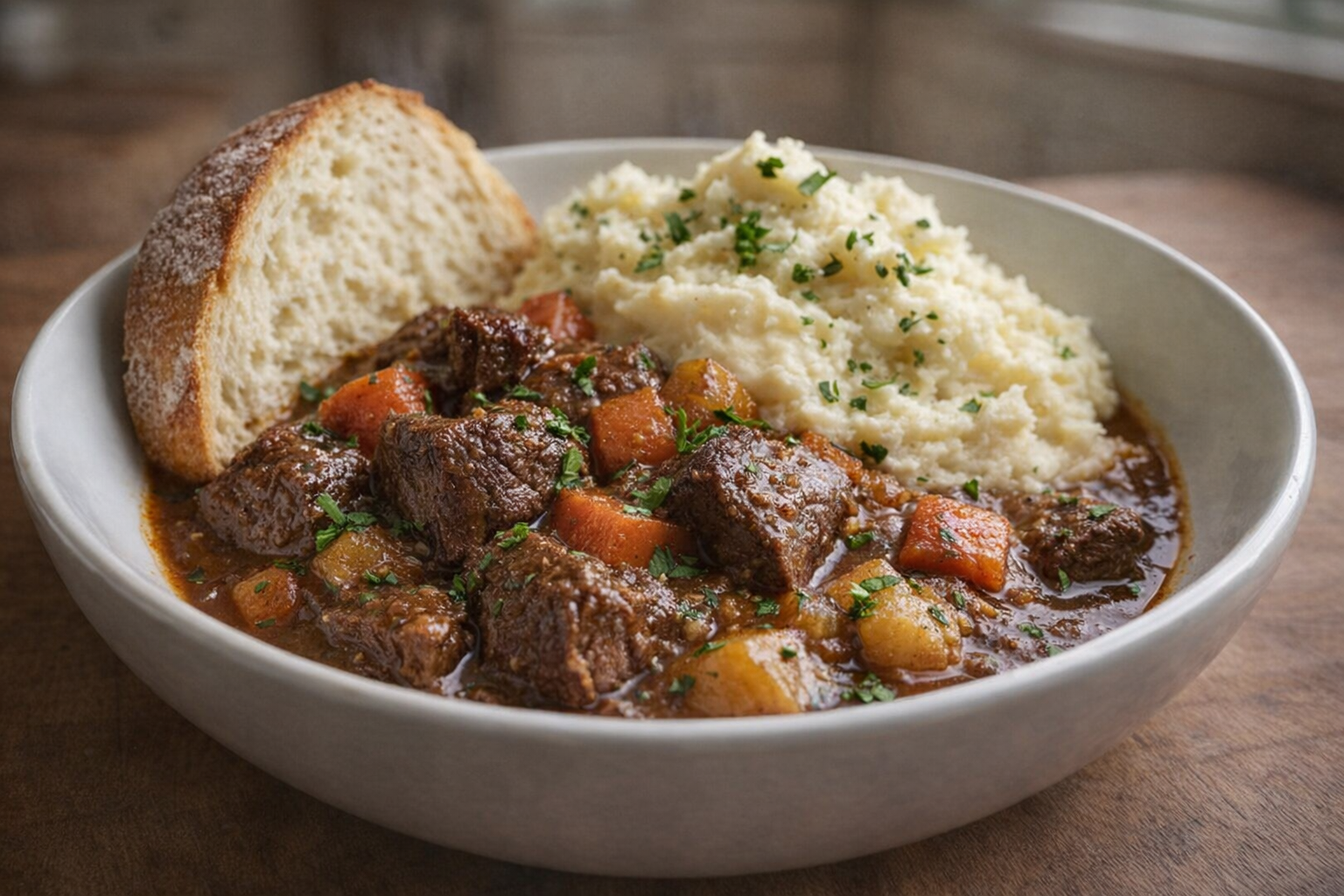
Beef stew, a cornerstone of comfort food, offers a depth of savory flavor that warms from the inside out. The long simmering process transforms humble cuts of beef into melt-in-your-mouth tenderness, while root vegetables release their sweetness into a rich, complex broth. This method, utilizing the stovetop, allows for precise control over heat and ensures even cooking.
This guide is your roadmap to mastering beef stew, from selecting the right ingredients to achieving that perfect, hearty consistency. We'll explore techniques for browning the beef, building a flavorful base, and simmering the stew to perfection. This method is not only time-tested, but creates a depth of flavor a slow cooker simply can’t achieve.
Understanding Beef Chuck
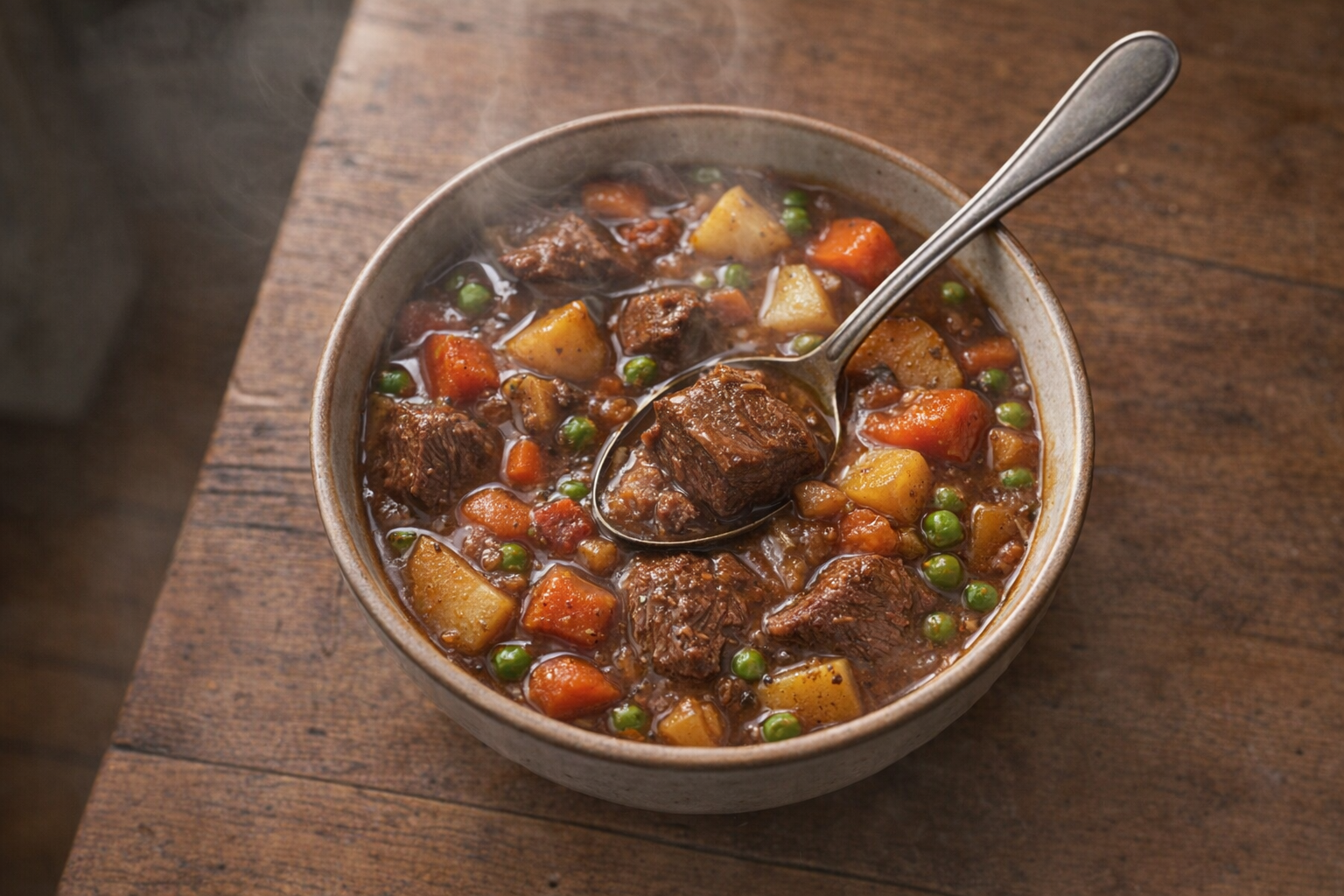
Beef chuck is the quintessential cut for stewing due to its rich marbling and connective tissue. As it simmers, the connective tissue breaks down, resulting in incredibly tender and flavorful meat. When selecting beef chuck, look for pieces with a vibrant red color and ample marbling of white fat. Avoid pieces that appear grey or have a sour smell.
For optimal results, opt for a "chuck roast" or "shoulder roast" and cut it into 1-inch cubes yourself. Pre-cut stew meat is often a mix of less desirable cuts. You can also ask your butcher to cut it for you.
Why Cook Beef Stew This Way?
- Flavor: Searing the beef and building the flavor base on the stovetop creates a depth of flavor that a slow cooker cannot replicate.
- Versatility: This method allows you to easily adjust the cooking time and consistency to your preference.
- Convenience: While it requires some simmering time, the hands-on preparation is relatively straightforward.
Preparation (Mise en Place)
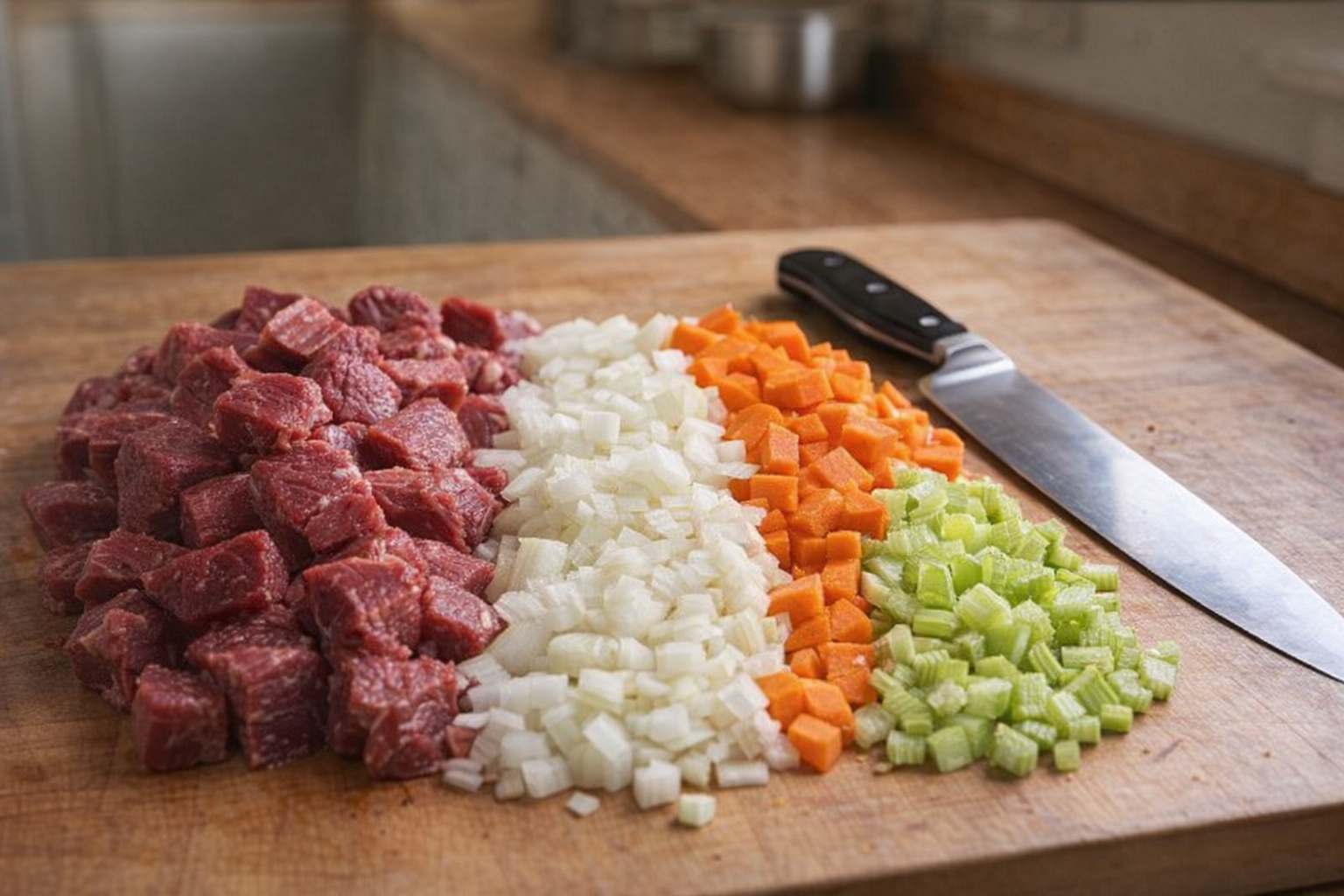
- Beef: Trim any large pieces of excess fat from the beef chuck. Cut into roughly 1-inch cubes. Pat the cubes dry with paper towels; this crucial step ensures a good sear.
- Vegetables: Dice the onion, peel and chunk the carrots, and chop the celery. Mince the garlic. Halve the baby potatoes (or quarter if large).
- Broth: Have beef broth ready and measured.
- Wine (Optional): Have red wine measured and ready. A dry red wine like Cabernet Sauvignon or Merlot works well.
Essential Tools
- Dutch Oven (6-8 quart): A heavy-bottomed Dutch oven is ideal for even heat distribution and browning the beef.
- Cutting Board: A large, stable cutting board is essential for safe and efficient vegetable prep.
- Chef's Knife: A sharp chef's knife makes quick work of chopping vegetables and cubing the beef.
- Wooden Spoon or Spatula: For stirring the stew and scraping up any browned bits from the bottom of the pot.
- Measuring Cups and Spoons: For accurate measurement of ingredients.
The Cooking Method(s):
Method 1: Classic Stovetop Stew
This method focuses on building flavor through careful browning and slow simmering on the stovetop.
Ingredients:
- 2 lbs (900g) beef chuck, cut into 1-inch cubes
- 2 tbsp olive oil
- 1 large onion, diced
- 3 cloves garlic, minced
- 4-6 cups (950ml-1.4L) beef broth
- 1 cup (240ml) dry red wine (optional, or use additional beef broth)
- 2 large carrots, peeled and cut into 1-inch chunks
- 2 stalks celery, chopped
- 1 lb (450g) baby potatoes, halved or quartered
- 1/4 cup (60g) tomato paste
- 1 tbsp Worcestershire sauce
- 1-2 bay leaves
- 1 tsp dried thyme
- 1 tsp dried rosemary
- Salt and black pepper to taste
- 2 tbsp all-purpose flour (optional, for thickening)
- 1 cup (150g) frozen peas (optional, for adding towards the end)
- Sear the Beef: Heat the olive oil in the Dutch oven over medium-high heat. Add the beef cubes in batches, ensuring not to overcrowd the pot. Sear on all sides until deeply browned, about 3-4 minutes per side. Remove the beef and set aside. The aroma should be rich and meaty.
- Sauté Aromatics: Add the diced onion, carrots, and celery to the pot. Season with salt and pepper. Cook, stirring occasionally, until the vegetables are softened, about 7 minutes. The onions should become translucent and fragrant.
- Add Garlic and Tomato Paste: Stir in the minced garlic and cook for another minute, until fragrant. Add the tomato paste and cook, stirring constantly, for 2 minutes. This step deepens the flavor of the tomato paste.
- Deglaze: Pour in the red wine (if using) or a bit of beef broth to deglaze the pot. Use a wooden spoon to scrape up any browned bits from the bottom of the pot. These bits, called fond, are packed with flavor.
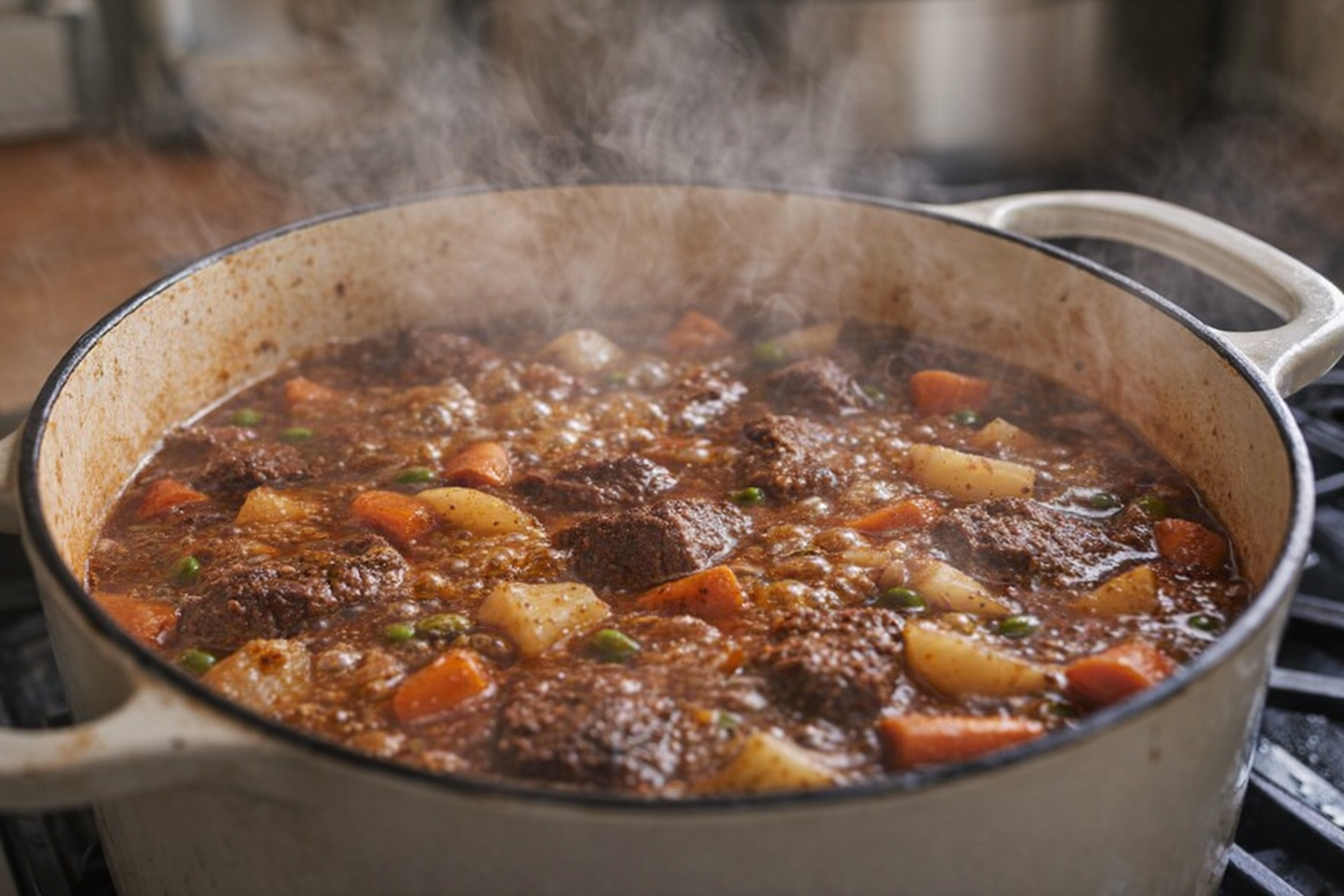
- Combine and Simmer: Return the seared beef to the pot. Add the beef broth, Worcestershire sauce, bay leaves, thyme, and rosemary. Season with salt and pepper. Bring to a boil, then reduce the heat to low, cover, and simmer for 1.5 to 2 hours, or until the beef is very tender. The stew should be bubbling gently.
- Add Potatoes: Add the halved or quartered potatoes to the pot. Cover and cook for an additional 30 minutes, or until the potatoes are tender.
- Thicken (Optional): If desired, whisk together the flour with a small amount of cold water to create a slurry. Stir the slurry into the stew during the last 10-15 minutes of cooking to thicken the broth.
- Add Peas (Optional): Stir in the frozen peas during the last 5 minutes of cooking.
- Adjust Seasoning and Serve: Taste the stew and adjust the seasoning with salt and pepper as needed. Remove the bay leaves before serving.
Cooking Time & Doneness Guide
- Beef: The beef is done when it is fork-tender and easily pulls apart. Aim for an internal temperature of 203°F (95°C).
- Vegetables: The vegetables should be tender but not mushy.
Visual Cues
The stew should have a rich, deep color and a slightly thickened consistency. The aroma should be intensely savory.
Tips for Perfection
- Don't Overcrowd the Pan: Searing the beef in batches prevents steaming and ensures a good sear.
- Patience is Key: Simmering the stew low and slow is essential for tenderizing the beef and developing flavor.
- Season Generously: Taste the stew frequently and adjust the seasoning as needed. Salt and pepper are crucial for enhancing the flavors.
- Don't Skip the Deglaze: Scraping up the browned bits from the bottom of the pot adds a significant layer of flavor to the stew.
Storage & Reheating
- Storage: Allow the stew to cool completely before storing it in an airtight container in the refrigerator for up to 3-4 days.
- Reheating: Reheat the stew on the stovetop over medium heat, stirring occasionally, until heated through. You can also reheat it in the microwave.
- Freezing: Beef stew freezes well. Allow it to cool completely, then transfer it to freezer-safe containers or bags. Freeze for up to 3 months. Thaw overnight in the refrigerator before reheating.
Serving Suggestions
- With Crusty Bread: Serve with a side of crusty bread for soaking up the flavorful broth.
- Over Mashed Potatoes: Spoon the stew over a bed of creamy mashed potatoes for a comforting and satisfying meal.
- With a Green Salad: A fresh green salad provides a refreshing contrast to the richness of the stew.
- As a Shepherd's Pie Topping: Top mashed potatoes with the beef stew, and bake for a comforting Shepherd's Pie.
Frequently Asked Questions
If you don't want to use red wine, you can substitute it with an equal amount of beef broth mixed with a tablespoon of red wine vinegar or balsamic vinegar. This will add a similar depth of flavor and acidity to the stew.
To thicken a watery beef stew, you can either simmer it uncovered for a longer period to allow some of the liquid to evaporate, or create a slurry by mixing a tablespoon of cornstarch or flour with an equal amount of cold water and stirring it into the stew during the last 15 minutes of cooking. Be sure to stir well to prevent lumps.
Leftover beef stew can be safely stored in an airtight container in the refrigerator for up to 3-4 days. Make sure to cool the stew completely before refrigerating it to prevent bacterial growth.
Yes, you can use frozen vegetables in beef stew, especially if you're short on time. Add them during the last 30 minutes of cooking, as they require less time to cook than fresh vegetables. Keep in mind that frozen vegetables may release more water, so you might need to adjust the liquid accordingly.
/thumbs/prime-rib-plated-g83mn.png)