 delishing
How to Craft the Perfect Gin Cocktails at Home: A Bartender's Guide

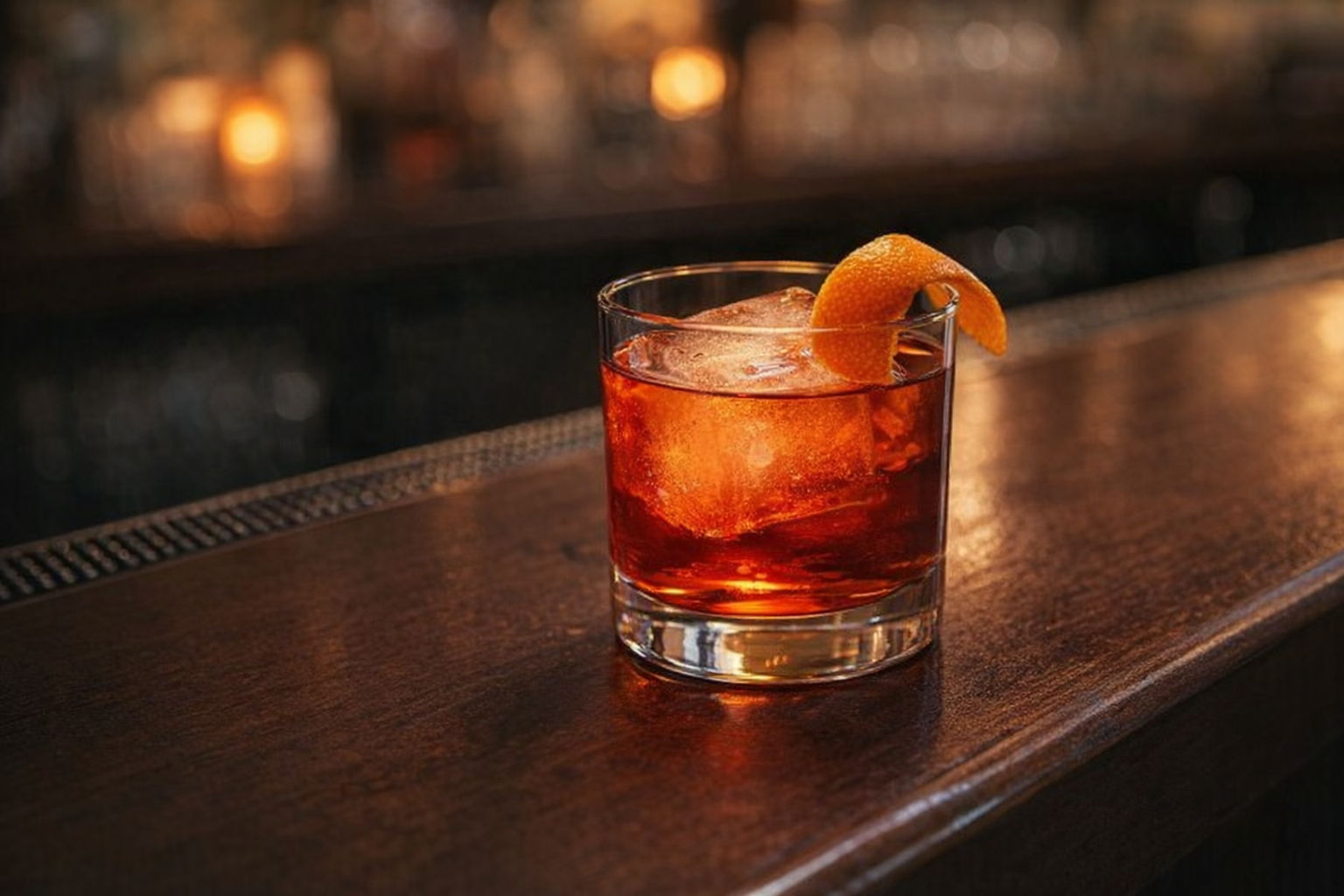
Gin cocktails have enjoyed enduring popularity, their appeal stemming from the spirit's unique botanical character. Understanding how to effectively harness these complex flavors opens up a world of cocktail possibilities, from the refreshing simplicity of a Gin and Tonic to the sophisticated layers of a Negroni. This guide provides the insights you need to confidently mix a range of gin cocktails in your own kitchen.
The methods outlined below focus on balancing flavor profiles and using quality ingredients. Gin is a versatile spirit; mastering a few classic techniques allows you to adapt and create your own signature drinks. The goal is not just to follow a recipe, but to understand the why behind each element, allowing you to adjust for personal taste and available ingredients.
Understanding Gin: A Botanical Base
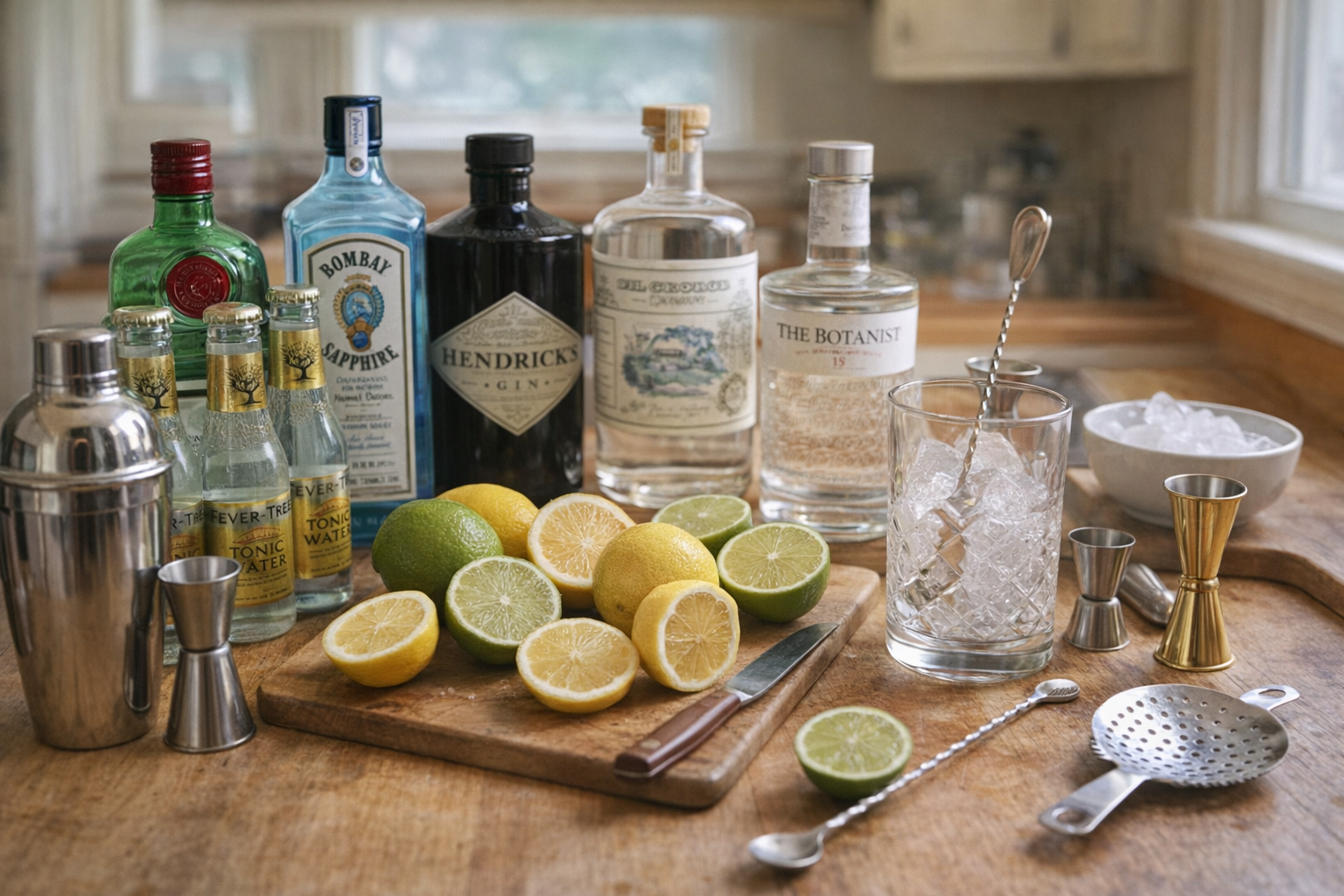
Gin's defining characteristic is its juniper-forward profile. However, the specific botanicals used vary widely, impacting the overall flavor.
- London Dry Gin: The most common style. Juniper is dominant, complemented by citrus and other botanicals like coriander, angelica root, and orris root. Tanqueray, Beefeater, and Bombay Sapphire are popular examples.
- Plymouth Gin: A geographically protected style from Plymouth, England. It is slightly smoother and earthier than London Dry.
- Old Tom Gin: A slightly sweeter style of gin, popular in the 18th century. It is often used in classic cocktails where a touch of sweetness is desired.
- New Western or Contemporary Gin: Emphasizes botanicals other than juniper, such as floral or citrus notes. Hendrick's, with its cucumber and rose infusions, is a prime example.
Why Craft Gin Cocktails at Home?
- Versatility: Gin pairs well with various flavors, from citrus and herbs to spices and fruit. This makes it a versatile base for countless cocktails.
- Flavor Exploration: Creating gin cocktails allows you to explore different botanical combinations and refine your palate.
- Convenience & Cost: Stocking a few key ingredients and mastering basic techniques allows you to enjoy high-quality cocktails without the expense of a bar.
Preparation (Mise en Place)
Before you start mixing, proper preparation is key. This ensures a smooth and efficient cocktail-making process.
- Chilling: Chill your glassware in the freezer for at least 15 minutes for a more enjoyable drinking experience.
- Fresh Juices: Always use freshly squeezed citrus juices. Bottled juices lack the bright acidity and aromatics that are essential for balanced cocktails.
- Simple Syrup: Prepare simple syrup (equal parts sugar and water, heated until sugar dissolves) in advance. Store in the refrigerator.
- Herbs: Wash and dry fresh herbs like mint or basil before muddling or garnishing.
Essential Tools
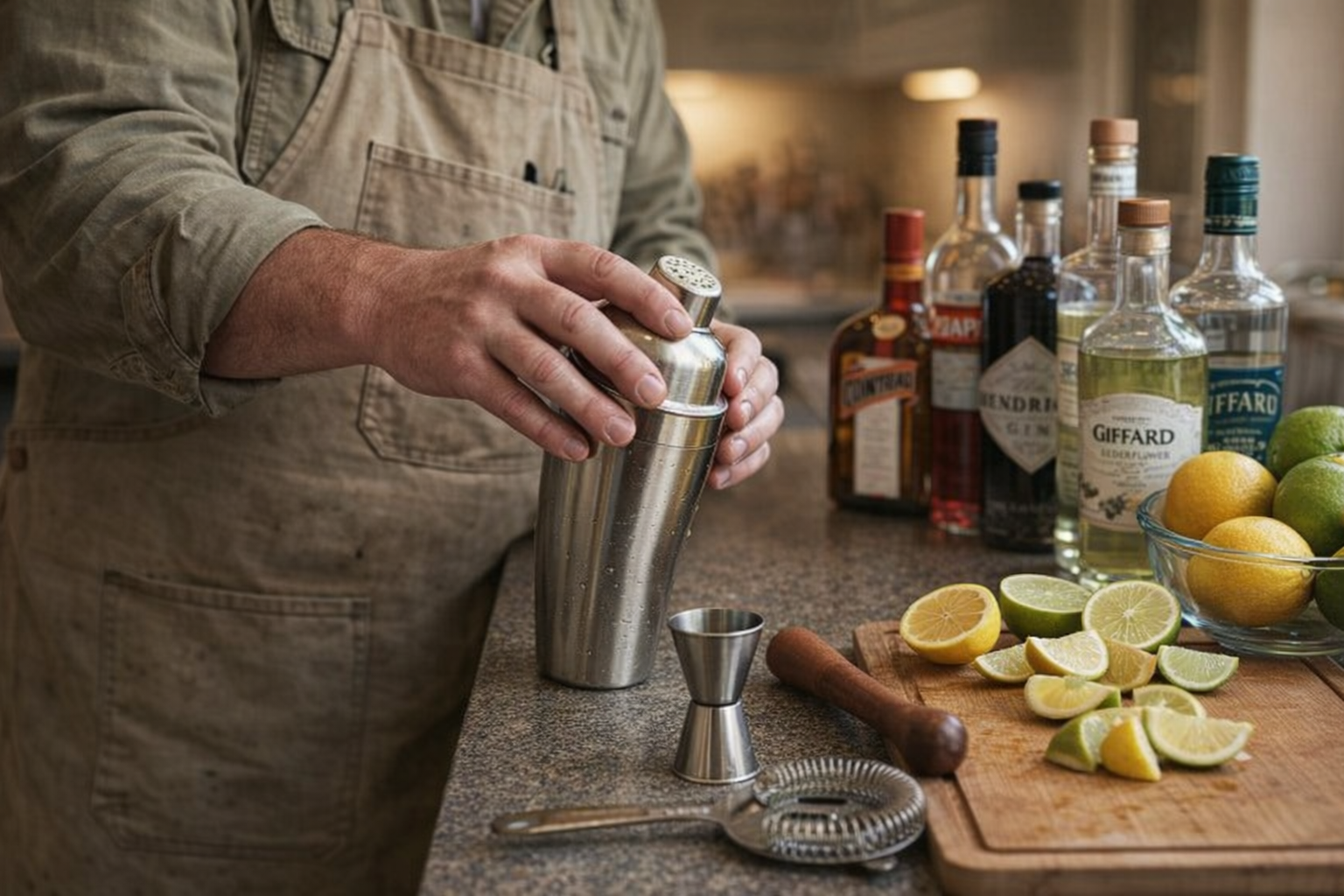
- Jigger: For precise measurements. Accuracy is crucial in cocktail making.
- Shaker: A Boston shaker (two-piece) or a Cobbler shaker (three-piece) are both suitable.
- Strainer: A Hawthorne strainer (with a spring) or a Julep strainer are used to remove ice and solids.
- Muddler: For gently pressing herbs and fruits to release their flavors.
- Citrus Juicer: For efficient and mess-free juice extraction.
The Gin Cocktail Methods: Classic and Contemporary
Below are some popular Gin Cocktails, with detailed instructions.
Method 1: Gin and Tonic
The Gin and Tonic is a refreshing classic that highlights the interplay between gin's botanicals and tonic water's quinine bitterness.
Ingredients:
- 2 oz (60ml) London Dry Gin
- 4 oz (120ml) Tonic Water (high-quality)
- Lime wedge, for garnish
- Fill a highball glass with ice. The ice should fill the glass completely to minimize dilution.
- Pour the gin over the ice. Notice the gin's aroma as it hits the ice.
- Top with tonic water. Gently stir to combine. Avoid excessive stirring, which can flatten the tonic.
- Squeeze the lime wedge over the drink and drop it into the glass. The lime's acidity balances the gin and tonic.
- Serve immediately.
Method 2: Negroni
The Negroni is an Italian aperitivo known for its balanced bitterness and complex flavors.
Ingredients:
- 1 oz (30ml) London Dry Gin
- 1 oz (30ml) Sweet Vermouth (e.g., Carpano Antica Formula)
- 1 oz (30ml) Campari
- Orange peel, for garnish
- Combine gin, sweet vermouth, and Campari in a mixing glass filled with ice. The ice chills and dilutes the drink slightly.
- Stir until well-chilled, about 20-30 seconds. Stirring, rather than shaking, preserves the drink's smooth texture.
- Strain into a rocks glass filled with ice. The ice should be large and solid to minimize dilution.
- Express the orange peel over the drink to release its oils and then use as garnish. The orange oils add a burst of citrus aroma.
- Serve immediately.
Method 3: French 75
The French 75 is an elegant and effervescent cocktail perfect for celebrations.
Ingredients:
- 1.5 oz (45ml) London Dry Gin
- 0.75 oz (22ml) Fresh Lemon Juice
- 0.5 oz (15ml) Simple Syrup
- 3 oz (90ml) Champagne (dry)
- Lemon twist, for garnish
- Combine gin, lemon juice, and simple syrup in a shaker filled with ice.
- Shake vigorously until well-chilled, about 15-20 seconds. Shaking chills and dilutes the drink, creating a smooth texture.
- Strain into a champagne flute. The flute concentrates the bubbles and aromas.
- Top with champagne. Gently stir to combine.
- Garnish with a lemon twist.
- Serve immediately.
Cooking Time & Doneness Guide
Gin cocktails don't require "cooking" in the traditional sense, but understanding the proper chilling and dilution is essential.
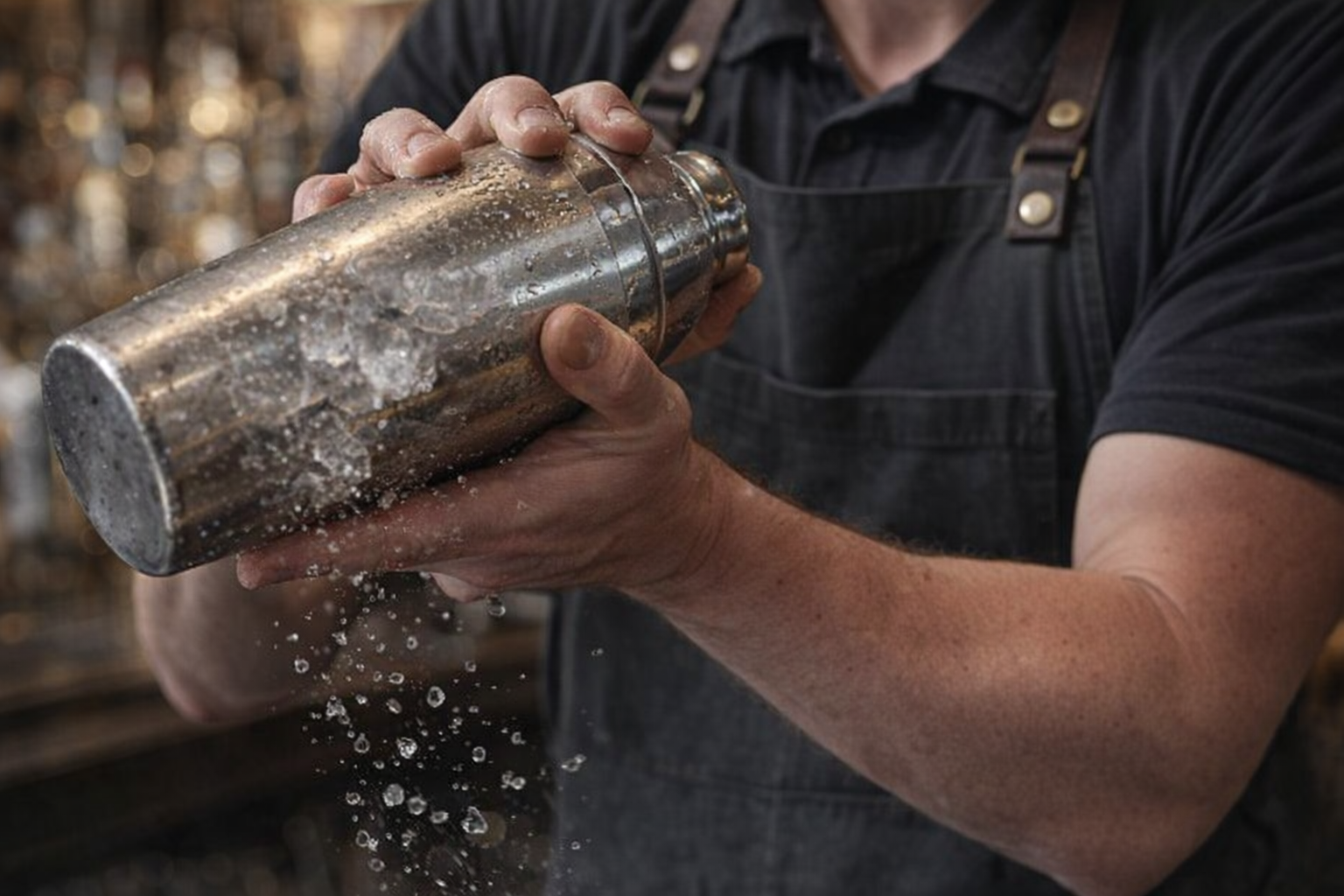
- Chilling Time: Aim for 20-30 seconds of stirring or 15-20 seconds of shaking to properly chill and dilute the cocktail.
Visual Cues
Look for condensation forming on the outside of the shaker or mixing glass as a sign that the drink is adequately chilled.
Tips for Perfection
- Use quality ingredients: The better the gin, mixers, and garnishes, the better the final cocktail will taste.
- Measure accurately: Use a jigger to ensure precise measurements and balanced flavors.
- Don't over-dilute: Use plenty of ice and avoid excessive stirring or shaking.
- Taste as you go: Adjust the sweetness or acidity to your preference by adding more simple syrup or citrus juice.
Storage & Reheating
Gin cocktails are best consumed immediately. Leftovers can be stored in the refrigerator for a short period, but the flavors will degrade over time. Reheating is not recommended.
Serving Suggestions
- Gin and Tonic: Serve with grilled seafood or light appetizers.
- Negroni: Enjoy as an aperitivo before dinner, with olives or cheese.
- French 75: Serve at brunch or as a celebratory drink, paired with pastries or canapés.
- Martini: Serve as an aperitivo before a steak dinner.
- Gimlet: Enjoy on a warm day as a refreshing drink.
💡 Pro Tips
- Chill your glassware in the freezer beforehand and use large, solid ice cubes to minimize dilution while maintaining a crisp temperature.
- When making spirit-forward cocktails like a Negroni, stir the ingredients gently with plenty of ice for thirty seconds to achieve a smooth, chilled consistency.
- Use only freshly squeezed lemon or lime juice to ensure the bright acidity perfectly complements the complex botanical profile of your chosen gin.
- Express the oils from a citrus twist over the glass and rub it along the rim to provide an immediate aromatic experience with every sip.
- Always measure your ingredients with a jigger rather than free-pouring to maintain the precise balance of flavors required for a professional-grade cocktail.
Frequently Asked Questions
While replicating a specific gin recipe exactly might be difficult, you can experiment! Focus on the juniper base and then use other complementary botanicals like citrus peels, coriander, or cardamom to create a unique flavor profile. Adjust the quantities based on your taste preferences.
You don't need a fully stocked bar to begin crafting cocktails. A jigger or measuring spoons for accurate pours, a shaker (or even a jar with a tight lid), a strainer, and a muddler (or the back of a spoon) are the essentials to get you started.
While fresh juice is always preferable for the best flavor, bottled juice can work in a pinch. However, be aware that bottled juice often contains preservatives and lacks the bright, vibrant flavor of fresh citrus. If using bottled juice, opt for a high-quality brand and adjust the sweetness of the cocktail accordingly.
If you lack freezer space, fill the glasses with ice and water while you prepare the cocktail. Discard the ice water just before pouring in the drink. This will chill the glass quickly and effectively.