 delishing
How to Bake Salmon for a Tender and Flaky Finish

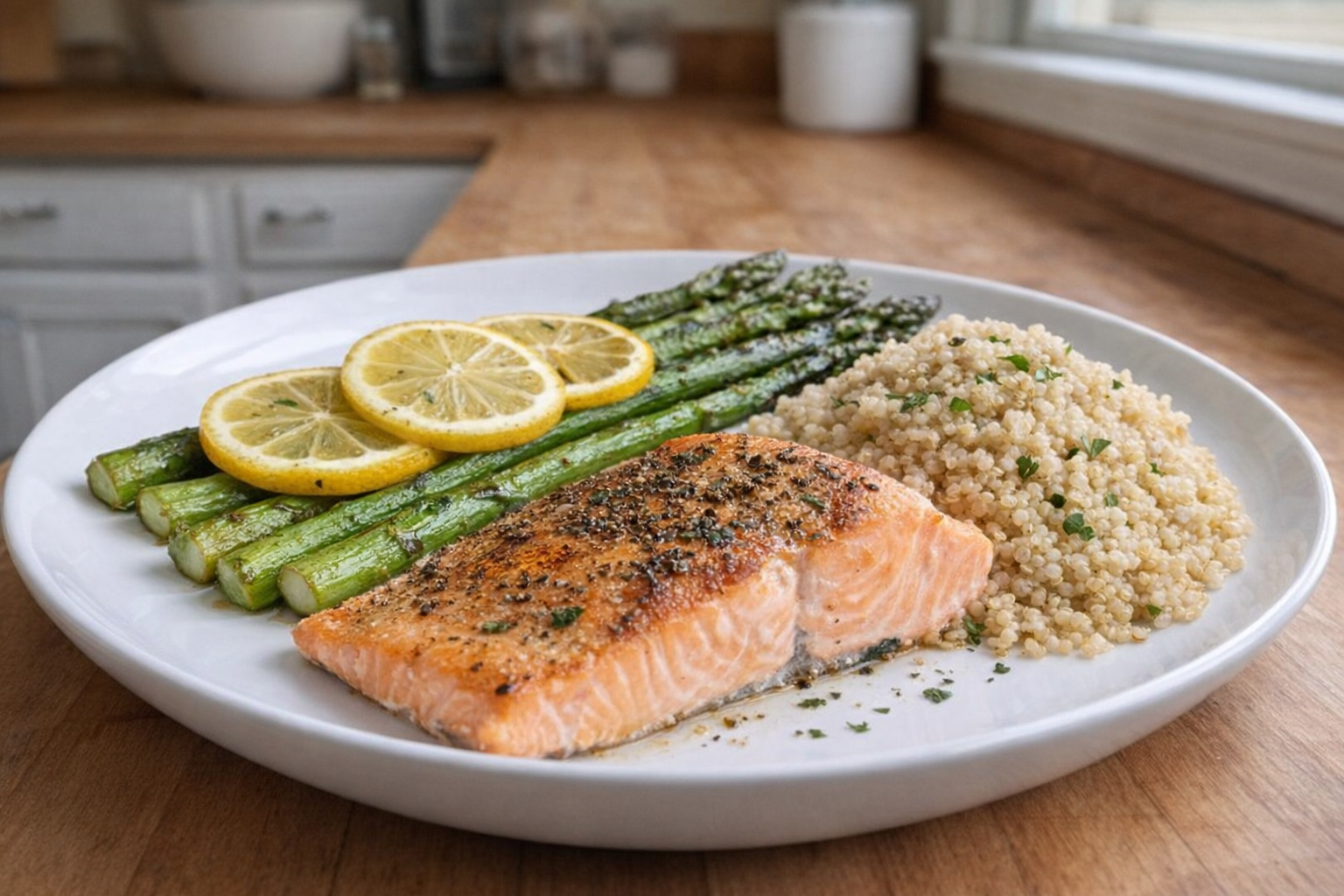
Introduction: Baking salmon is a foolproof method for achieving a moist, tender, and flavorful result. The gentle heat of the oven cooks the salmon evenly, preserving its delicate texture and rich omega-3 fatty acids. This method works exceptionally well because it allows the fish to cook in its own juices, preventing it from drying out. The end result is a succulent fillet that flakes easily with a fork, offering a satisfyingly delicate bite.
Baking offers flexibility in flavor profiles, from simple lemon and herbs to bold glazes and spice rubs. Whether you're aiming for a classic, subtle flavor or something more adventurous, baked salmon provides a blank canvas for culinary creativity.
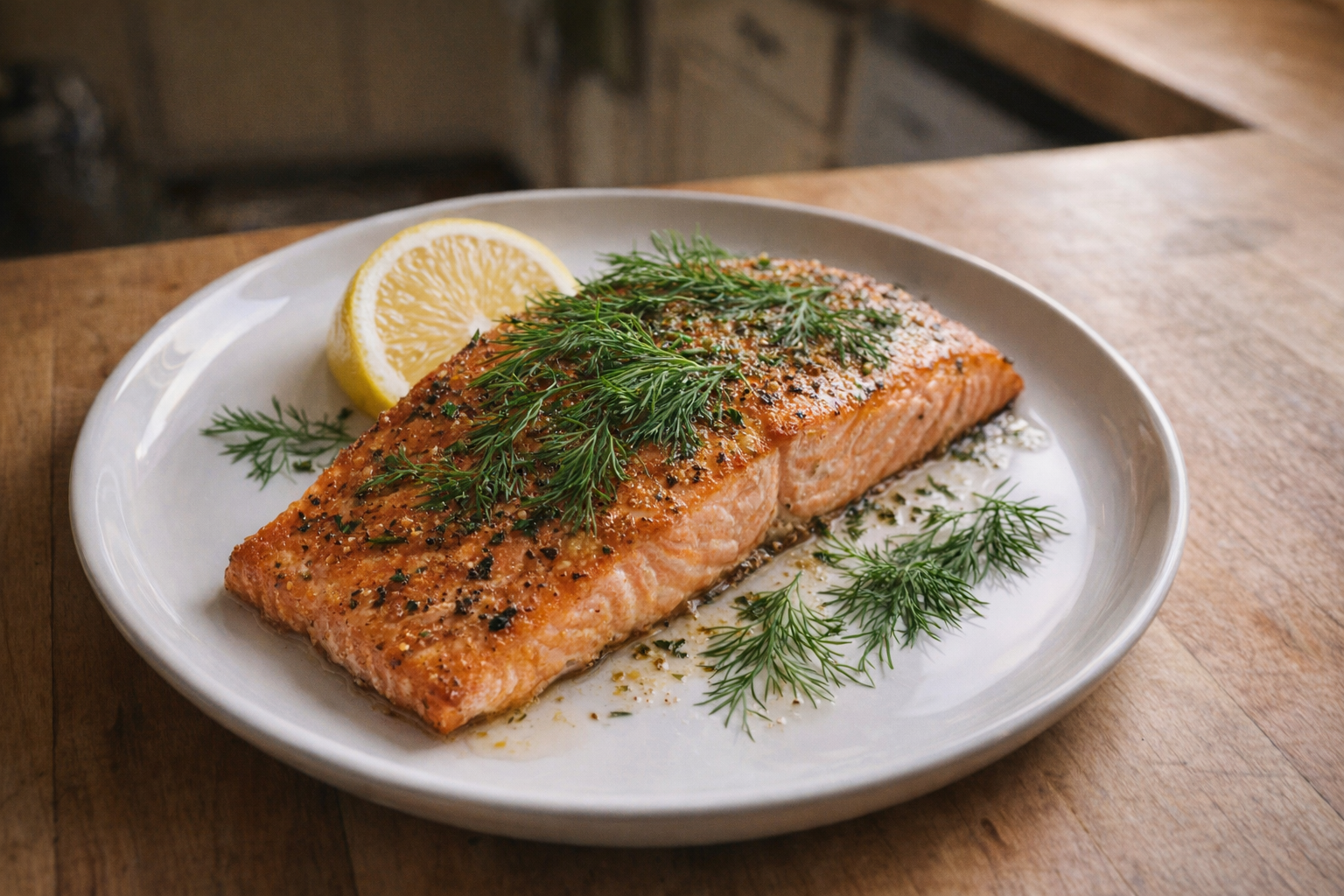
Understanding Salmon: When it comes to salmon, understanding the different varieties is key to achieving the best results. Wild-caught salmon, like Sockeye or King, boasts a richer flavor and vibrant color due to their natural diet. Farmed salmon, on the other hand, tends to be more readily available and often more affordable. Within farmed salmon, look for options like Atlantic salmon, known for its milder flavor and higher fat content. The fat content keeps the salmon moist during baking.
For baking, consider thicker cuts of salmon, like center-cut fillets, as they are less likely to dry out. When selecting your salmon, look for fillets that are firm to the touch, with a vibrant color and no fishy odor. Pre-portioned fillets are convenient, but buying a larger piece and cutting it yourself allows for better control over thickness and uniformity.
Why Cook Salmon This Way?
- Versatility: Baked salmon can be easily adapted to various cuisines and flavor profiles, from Mediterranean herbs to Asian-inspired glazes.
- Flavor: Baking allows the natural flavors of salmon to shine, enhanced by simple seasonings or complex marinades.
- Convenience: Baking requires minimal hands-on time, making it an ideal option for weeknight dinners.
- Thawing: If using frozen salmon, thaw it completely in the refrigerator overnight. Avoid thawing at room temperature, as this can promote bacterial growth.
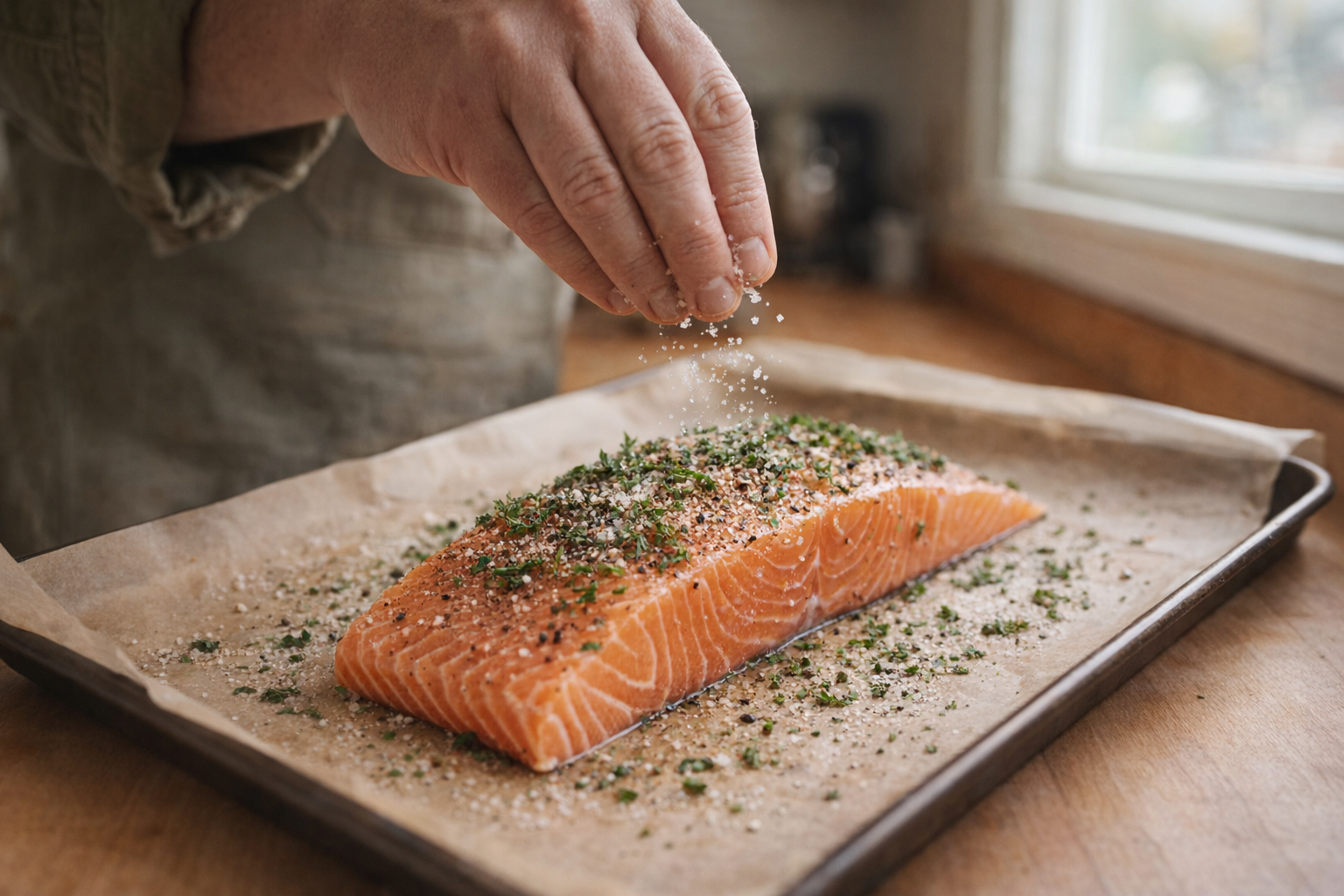
- Patting Dry: Gently pat the salmon fillets dry with paper towels. This helps to remove excess moisture, allowing for better browning and glaze adhesion.
- Removing Pin Bones: Run your fingers along the surface of the fillet to check for any pin bones. Use tweezers or pliers to remove them by gently pulling them out at an angle.
Essential Tools
- Baking Sheet: A rimmed baking sheet is essential for catching any juices that may be released during baking.
- Parchment Paper or Foil: Lining the baking sheet with parchment paper or foil prevents the salmon from sticking and makes cleanup a breeze. Parchment paper is preferable as it avoids any potential reaction between acidic ingredients (like lemon) and aluminum foil.
- Instant-Read Thermometer: An instant-read thermometer is invaluable for ensuring the salmon is cooked to the correct internal temperature.
The Cooking Method(s):
Method 1: Classic Baked Salmon with Lemon and Herbs
Ingredients:
- 4 (6-ounce) salmon fillets, skin on or off
- 2 tablespoons olive oil
- 1 lemon, thinly sliced
- 2 cloves garlic, minced
- 2 tablespoons fresh herbs (such as dill, parsley, or thyme), chopped
- Salt and freshly ground black pepper to taste
- Preheat oven to 400°F (200°C). Line a baking sheet with parchment paper. As the oven heats, the air fills with a comforting warmth.
- Place the salmon fillets on the prepared baking sheet. Drizzle with olive oil, then season generously with salt and pepper. The subtle aroma of olive oil begins to mingle with the clean scent of the salmon.
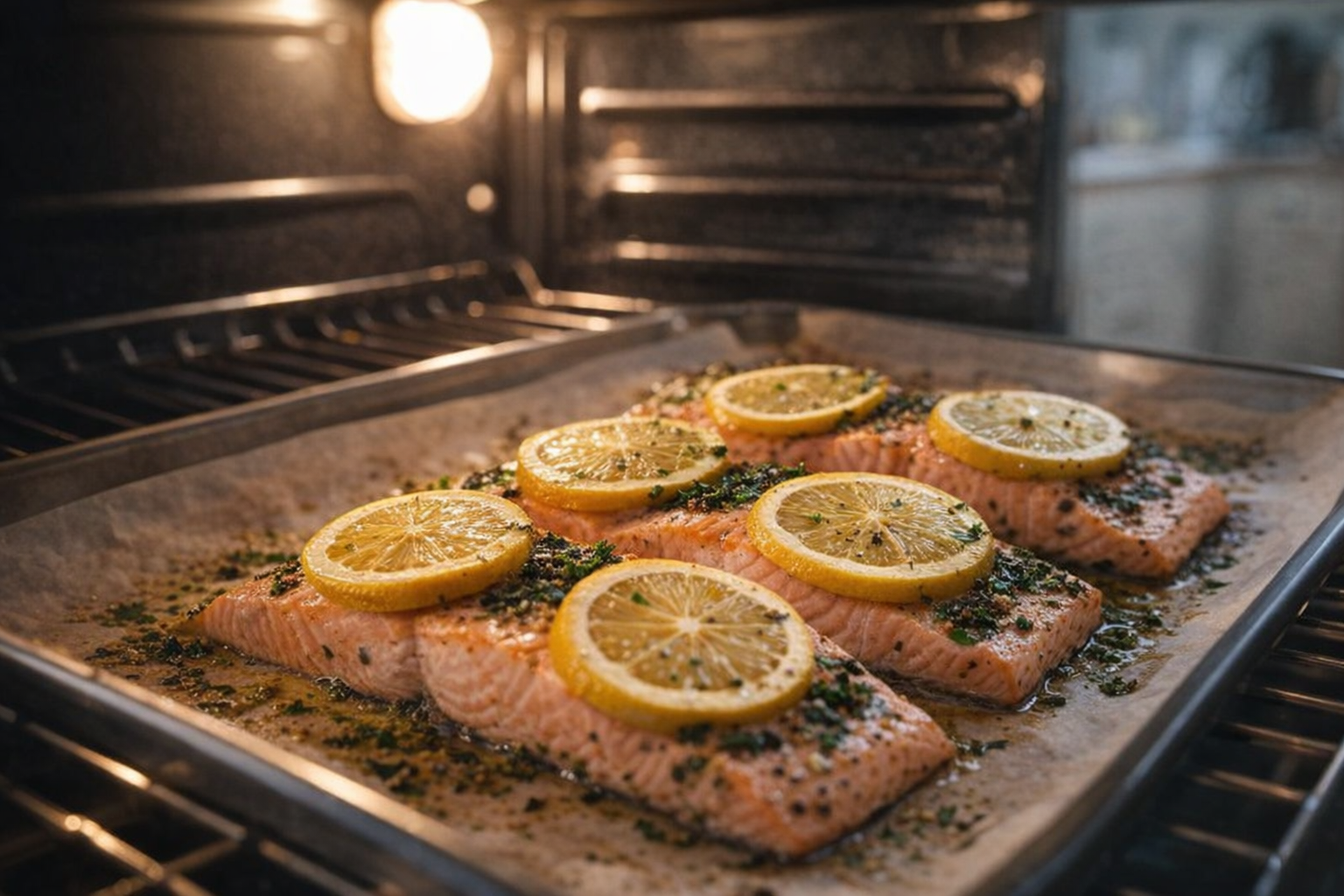
- Scatter minced garlic and fresh herbs over the salmon. Arrange lemon slices on top of each fillet. The vibrant colors of the herbs and lemon add visual appeal.
- Bake for 12-15 minutes, or until the salmon is cooked through and flakes easily with a fork. The kitchen will fill with the savory aroma of baked salmon and herbs. The sound of the salmon gently sizzling in the oven is a welcome sign.
Cooking Time & Doneness Guide
- Baking Time: 12-15 minutes at 400°F (200°C)
- Internal Temperature: The FDA recommends cooking salmon to an internal temperature of 145°F (63°C).
- Visual Cues: The salmon is done when it flakes easily with a fork and the flesh is opaque throughout. If using skin-on salmon, the skin should be crispy.
Tips for Perfection
- Don't Overcook: Overcooked salmon is dry and rubbery. Use a thermometer to ensure it's cooked to the correct internal temperature.
- Use Fresh Herbs: Fresh herbs add a vibrant flavor and aroma that dried herbs simply can't match.
- Rest the Salmon: After baking, let the salmon rest for a few minutes before serving. This allows the juices to redistribute, resulting in a more moist and flavorful fillet.
- Use a hot oven: Baking at 400F ensures the salmon will cook quickly and evenly.
Storage & Reheating
- Storage: Store leftover baked salmon in an airtight container in the refrigerator for up to 3 days.
- Reheating: The best way to reheat baked salmon is in a low oven (275°F or 135°C) or in a steamer to prevent it from drying out. You can also gently reheat it in a skillet over low heat. Microwaving is not recommended, as it can make the salmon tough and rubbery.
Serving Suggestions
- With Roasted Vegetables: Serve baked salmon with roasted asparagus, broccoli, or Brussels sprouts for a complete and healthy meal.
- Over Quinoa or Rice: Flake the salmon over a bed of quinoa or rice and drizzle with a lemon-herb vinaigrette.
- In Salads: Add chilled baked salmon to a green salad with mixed greens, avocado, and a light dressing.
- As Tacos: Flake baked salmon and serve it in warm tortillas with your favorite taco toppings, such as shredded cabbage, salsa, and sour cream.
💡 Pro Tips
- Pat the salmon fillets dry before seasoning to help them brown better in the oven.
- Don't be afraid to experiment with different herbs and spices to customize the flavor profile.
- Arrange the lemon slices on top of the salmon just before baking to prevent them from burning.
- If you're using skin-on salmon, score the skin lightly with a knife to prevent it from curling up during baking.
- Let the salmon rest for a few minutes after baking to allow the juices to redistribute for a more moist fillet.
Frequently Asked Questions
You can bake salmon with the skin on or off, depending on your preference. Baking skin-on salmon will result in a crispier skin, while baking skin-off salmon will allow the seasonings to penetrate the flesh more directly. If baking skin-on, be sure to place the salmon skin-side down on the baking sheet.
While fresh herbs are ideal, you can substitute dried herbs in a pinch. Use about 1 teaspoon of dried herbs for every tablespoon of fresh herbs called for in the recipe. Keep in mind that the flavor of dried herbs is more concentrated, so adjust accordingly.
The key to preventing dry salmon is to avoid overcooking it. Use an instant-read thermometer to ensure it reaches an internal temperature of 145°F (63°C). Also, consider using thicker cuts of salmon and adding a little olive oil or butter to keep it moist. Resting the salmon for a few minutes after baking also helps redistribute juices.
Yes, you can use foil instead of parchment paper. However, parchment paper is preferable, especially if you are using acidic ingredients like lemon. Acid can react with aluminum foil, potentially affecting the flavor and safety of the dish. If using foil, consider lightly greasing it with oil to prevent sticking.