 delishing
How to Cook Pork Shoulder: 4 Delicious Ways

Pork shoulder, often overlooked, is a remarkably versatile cut that rewards slow, patient cooking. When prepared correctly, it transforms into succulent, fall-apart meat with a rich, savory flavor profile. Whether you're craving smoky barbecue, comforting braised goodness, or perfectly crisp crackling, mastering pork shoulder opens a world of culinary possibilities.
This guide explores four distinct cooking methods – smoking, slow cooking, stovetop braising, and oven roasting – each imparting a unique character to the final dish. We'll delve into the nuances of each technique, providing detailed instructions and expert tips to ensure consistently delicious results, no matter your chosen approach.
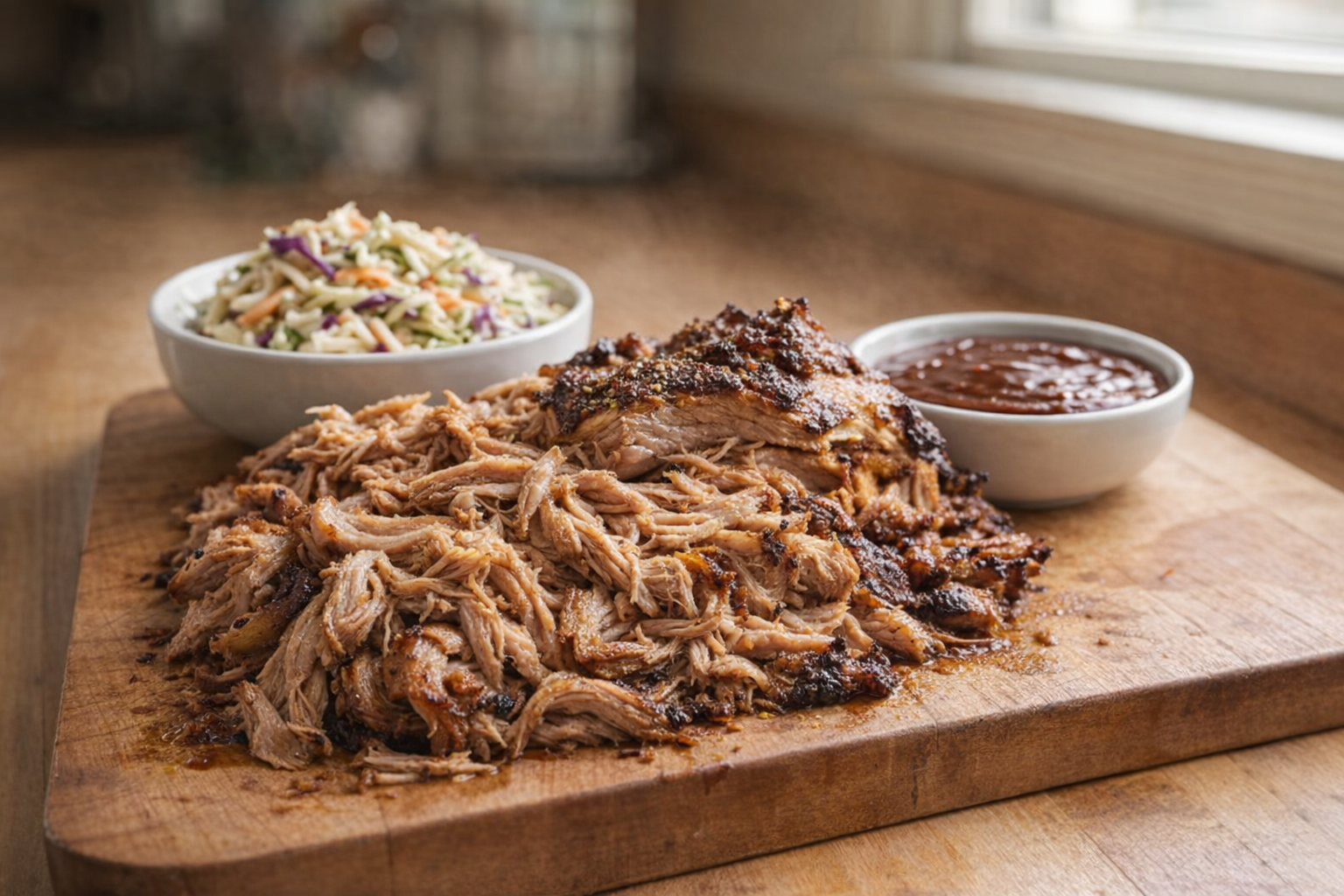
Understanding Pork Shoulder
Pork shoulder, also known as Boston butt (despite coming from the shoulder), is a relatively inexpensive cut of meat that benefits from low-and-slow cooking. Its high fat content renders during the cooking process, resulting in incredibly tender and flavorful meat. When purchasing pork shoulder, consider the following:
- Bone-in vs. Boneless: Bone-in shoulders generally retain more moisture and can impart a richer flavor to the meat. Boneless shoulders are easier to carve and shred.
- Size: A 4-5 pound shoulder is a good size for most families, but adjust accordingly based on your needs.
- Marbling: Look for a shoulder with good marbling (streaks of fat within the muscle). This fat will render and keep the meat moist and flavorful.
- Freshness: The pork should have a fresh, pink color and no unpleasant odor.
Why Cook Pork Shoulder This Way?
- Versatility: Pork shoulder can be used in a variety of dishes, from pulled pork sandwiches and tacos to stews and chili.
- Flavor: Slow cooking allows the flavors of the pork and any added seasonings to meld and deepen, resulting in a complex and satisfying taste.
- Convenience: Many of these methods (slow cooking, oven roasting) require minimal active cooking time, making them ideal for busy weeknights or weekend gatherings.
Preparation (Mise en Place)
- Thawing: If frozen, thaw the pork shoulder completely in the refrigerator for 24-48 hours, depending on its size. Never thaw at room temperature.
- Trimming (Optional): You can trim away excess fat from the outside of the shoulder, but leaving a thin layer will help keep the meat moist during cooking.
- Scoring (Oven Method): For oven roasting, scoring the fat cap in a diamond pattern allows the fat to render evenly and create crispy crackling.
Essential Tools:
- Smoker (for smoking method): A smoker is necessary for achieving that authentic smoky flavor. Use wood chips like hickory or applewood.
- Slow Cooker (for slow cooking method): A slow cooker provides a consistent low heat for hands-off cooking.
- Dutch Oven or Heavy Pot (for stovetop method): A heavy-bottomed pot is essential for even heat distribution and preventing scorching.
- Roasting Pan (for oven method): A roasting pan with a rack allows the pork shoulder to roast evenly and prevents it from sitting in its own juices.
- Meat Thermometer: A reliable meat thermometer is crucial for ensuring the pork shoulder reaches the proper internal temperature for tenderness and safety.
- Butcher's Twine (Optional): To hold the shoulder together during cooking if it's falling apart.
The Cooking Methods
Method 1: Smoked Pork Shoulder
Smoking imparts a rich, smoky flavor that is characteristic of classic barbecue. This method requires a smoker and some patience, but the results are well worth the effort.
Ingredients:
- 4-5 lb bone-in pork shoulder
- 2 tbsp olive oil
- Dry Rub:
- 1/4 cup packed light brown sugar
- 2 tbsp coarsely ground black pepper
- 2 tbsp kosher salt
- 1 tbsp paprika
- 1 tbsp garlic powder
- 1 tbsp dried minced onions
- 1 tsp cayenne pepper
- Spritzing Liquid:
- 1 cup apple juice
- 1 cup apple cider vinegar
Instructions:
- Prepare the Smoker: Preheat your smoker to 250°F (121°C), following the manufacturer's instructions. Add a water pan to maintain humidity.
- Prepare the Pork: Pat the pork shoulder dry with paper towels. Rub with olive oil.
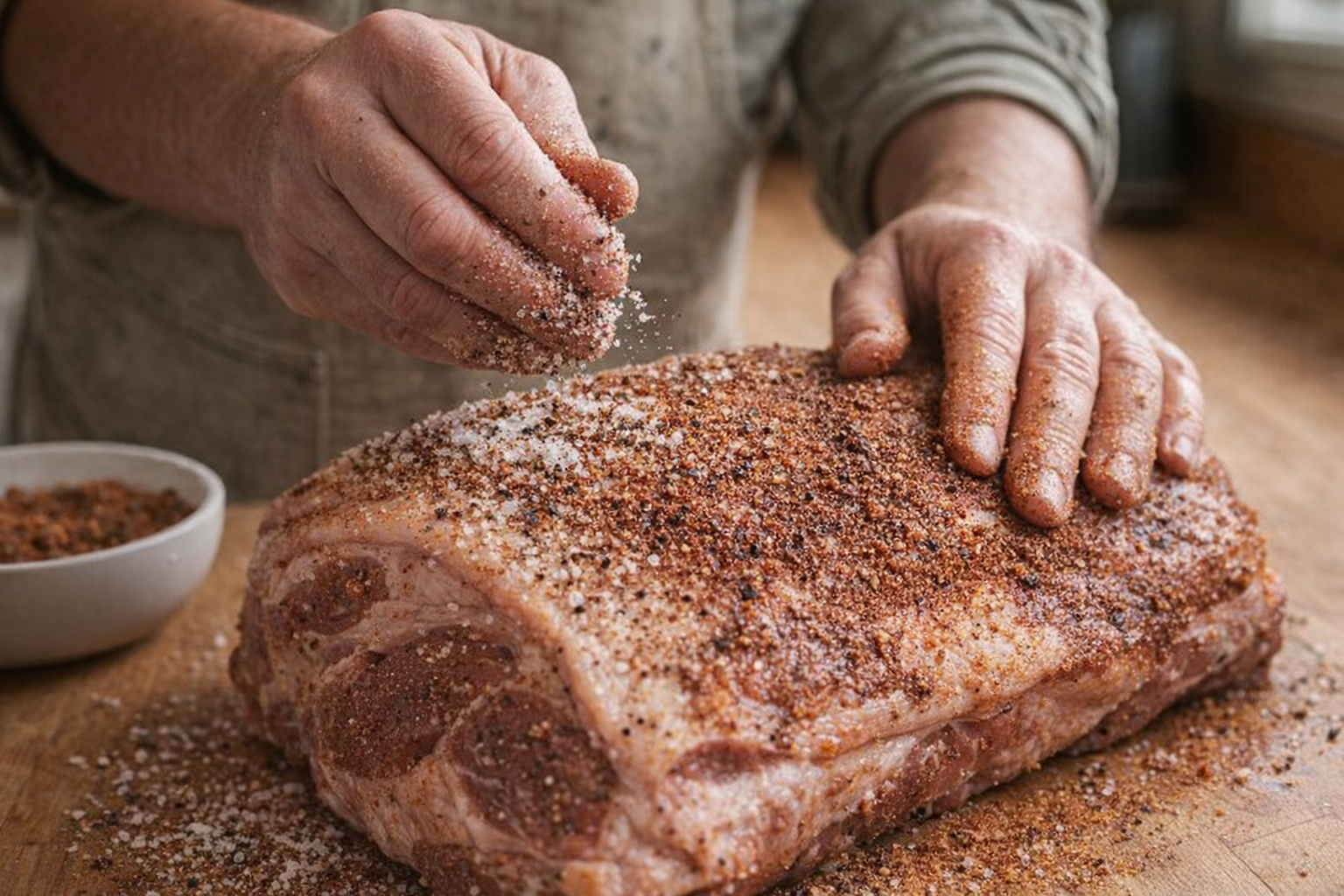
- Make the Dry Rub: In a bowl, combine the brown sugar, black pepper, salt, paprika, garlic powder, minced onions, and cayenne pepper.
- Season the Pork: Generously rub the dry rub all over the pork shoulder, ensuring it's evenly coated.
- Smoke the Pork: Place the pork shoulder directly on the smoker grate. Smoke for 4 hours, spritzing with the apple juice/vinegar mixture every hour to keep the meat moist. The aroma of smoke and spices will fill the air, signaling the beginning of a flavorful transformation.
- Wrap the Pork: After 4 hours, remove the pork shoulder from the smoker and wrap it tightly in aluminum foil or butcher paper (peach paper).
- Continue Smoking: Return the wrapped pork shoulder to the smoker and lower the temperature to 225°F (107°C). Continue smoking for another 4 hours, or until the internal temperature reaches 195-205°F (90-96°C). The pork should be probe-tender, meaning a thermometer inserted into the thickest part of the shoulder should slide in with little resistance.
- Rest the Pork: Remove the pork shoulder from the smoker and let it rest, still wrapped, for at least 30 minutes, or up to 2 hours. This allows the juices to redistribute, resulting in more tender and flavorful meat.
- Shred the Pork: Unwrap the pork shoulder and shred it using two forks. Discard any large pieces of fat.
Method 2: Slow Cooker Pork Shoulder
The slow cooker is a convenient option for hands-off cooking. It's ideal for busy weeknights or when you want to set it and forget it.
Ingredients:
- 3-4 lb boneless pork shoulder
- 2 tbsp olive oil
- 1 cup dry white wine
- 1 cup chicken stock
- 4 bay leaves
- 2 sprigs fresh rosemary
- 1 tsp whole black peppercorns
- 1 head of garlic, halved horizontally
- Salt and pepper to taste
Instructions:
- Sear the Pork: Season the pork shoulder with salt and pepper. Heat olive oil in a large skillet over medium-high heat. Sear the pork shoulder on all sides until browned. This step adds depth of flavor. The sizzle of the meat hitting the hot pan will awaken your senses.
- Place in Slow Cooker: Transfer the seared pork shoulder to a slow cooker.
- Add Aromatics and Liquid: Pour in the white wine and chicken stock. Add the bay leaves, rosemary, peppercorns, and garlic.
- Cook on Low: Cover and cook on low heat for 8-10 hours, or until the pork shoulder is very tender and easily shreds with a fork. The aroma will build over time, a promise of the deliciousness to come.
- Shred and Serve: Remove the pork shoulder from the slow cooker and shred it using two forks. Return the shredded pork to the slow cooker to soak up the juices.
Method 3: Stovetop Braised Pork Shoulder
Braising on the stovetop provides a more controlled cooking environment and allows you to monitor the process more closely.
Ingredients:
- 3-4 lb bone-in pork shoulder
- Salt and pepper to taste
- 2 tbsp cooking oil
- 2 cups water
- 4 carrots, cut into large chunks
- 3 celery stalks, cut into large chunks
- 3 onions, peeled and quartered
- 2 tbsp white vinegar
- 1 tsp sugar
- 1 bay leaf
Instructions:
- Sear the Pork: Season the pork shoulder with salt and pepper. Heat cooking oil in a large Dutch oven or heavy pot over medium-high heat. Sear the pork shoulder on all sides until browned.
- Add Vegetables and Liquids: Add the carrots, celery, and onions to the pot. Pour in the water and vinegar. Add the sugar and bay leaf.
- Bring to a Simmer: Bring the liquid to a simmer, then reduce the heat to low, cover, and cook for 3-4 hours, or until the pork shoulder is very tender. The gentle bubbling and savory aroma will fill your kitchen.
- Shred and Serve: Remove the pork shoulder from the pot and shred it using two forks. Serve with the braised vegetables and pan juices.
Method 4: Oven Roasted Pork Shoulder
Oven roasting is a reliable method for achieving crispy crackling and tender meat. This method is relatively simple and requires minimal active cooking time.
Ingredients:
- 4-5 lb bone-in pork shoulder
- 1 tbsp vegetable oil
- 1 1/2 tbsp sea salt
- 1 large onion, sliced into rings
Instructions:
- Preheat Oven: Preheat your oven to 450°F (232°C).
- Prepare the Pork: Pat the pork shoulder dry with paper towels. Score the fat cap in a diamond pattern. Rub the vegetable oil all over the skin, getting it into the cuts. Sprinkle the sea salt generously over the skin and rub it in well.
- Roast the Pork: Place the sliced onions in a roasting pan. Place the pork shoulder on top of the onions.
- Initial High Heat Roast: Roast in the preheated oven for 20-30 minutes, or until the skin starts to bubble up. The high heat will encourage the fat to render and the skin to crisp.
- Reduce Heat and Continue Roasting: Reduce the oven temperature to 325°F (163°C). Add about 1 cup of water to the bottom of the pan, being careful not to get the skin wet. Continue roasting for 2 1/2 - 3 hours, or until the internal temperature reaches 190°F (88°C).
- Crisp the Skin (Optional): Increase the oven temperature back to 450°F (232°C) for the last 15-20 minutes of cooking to further crisp the skin. Watch carefully to prevent burning. The sound of crackling skin will be music to your ears.
- Rest the Pork: Remove the pork shoulder from the oven and let it rest for at least 20 minutes before carving or shredding.
Cooking Time & Doneness Guide
- Smoker: 6-8 hours, internal temperature of 195-205°F (90-96°C).
- Slow Cooker: 8-10 hours on low, meat should easily shred with a fork.
- Stovetop: 3-4 hours, meat should be very tender.
- Oven: 3-4 hours, internal temperature of 190°F (88°C).
Visual Cues:
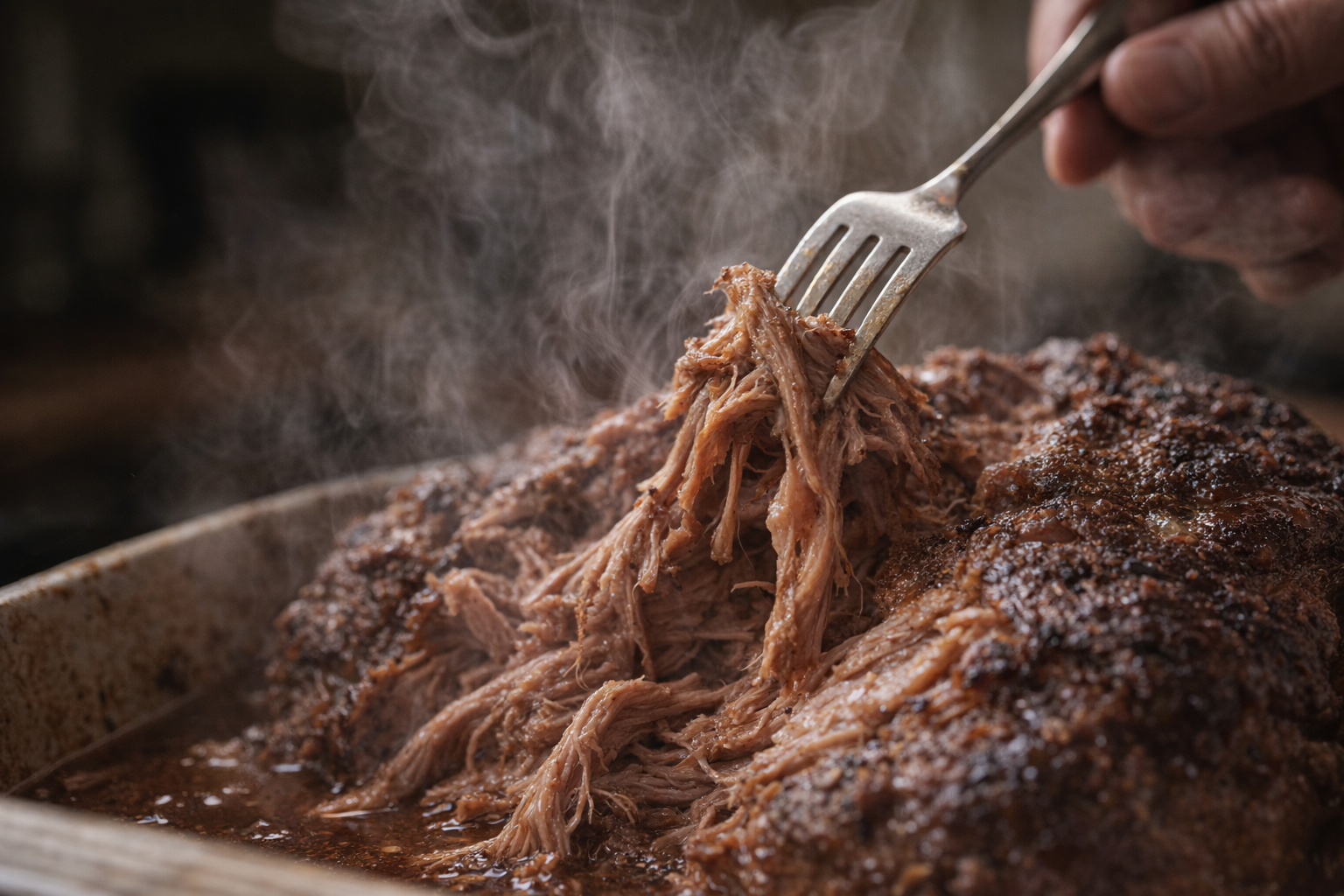
- Color: The pork should be a deep mahogany brown color.
- Texture: The meat should be very tender and easily shred with a fork. If using a thermometer, it should slide in with little resistance.
- Bone (if bone-in): The meat should be pulling away from the bone.
Tips for Perfection
- Don't Overcrowd the Pot/Pan: Overcrowding will lower the temperature and prevent proper browning and braising.
- Don't Skip the Searing Step: Searing the pork shoulder before cooking adds depth of flavor and creates a beautiful crust.
- Use a Meat Thermometer: A meat thermometer is the most accurate way to ensure the pork shoulder is cooked to the proper temperature.
- Rest the Meat: Resting the pork shoulder after cooking allows the juices to redistribute, resulting in more tender and flavorful meat.
Storage & Reheating
- Storage: Store leftover pork shoulder in an airtight container in the refrigerator for up to 3-4 days.
- Reheating: Reheat leftover pork shoulder in the oven, slow cooker, or microwave. Add a little broth or water to keep the meat moist.
Serving Suggestions
- Pulled Pork Sandwiches: Serve shredded pork shoulder on toasted buns with your favorite barbecue sauce and coleslaw.
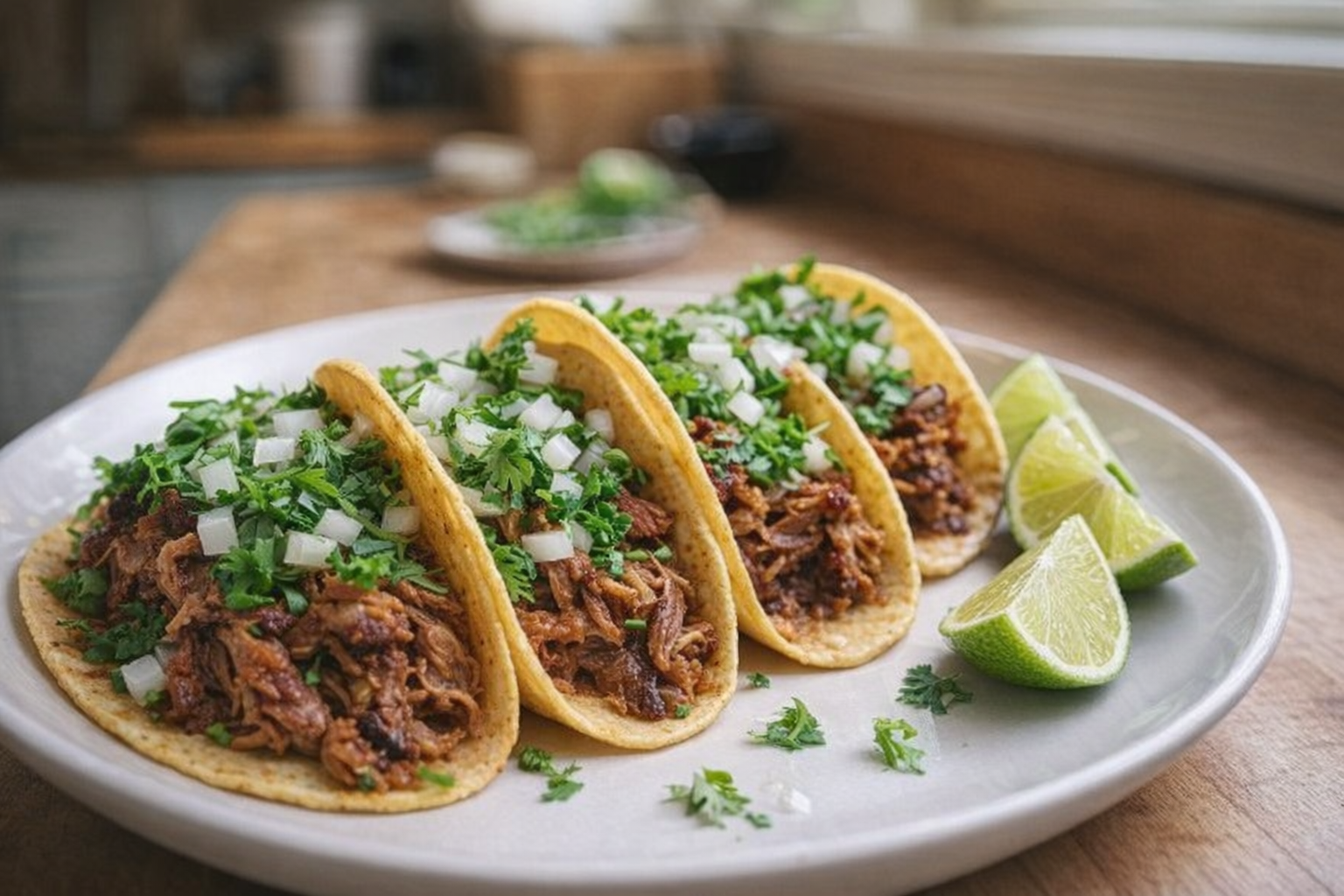
- Tacos: Use shredded pork shoulder as a filling for tacos, topped with your favorite salsa, guacamole, and cilantro.
- Stews and Chili: Add cubed or shredded pork shoulder to stews and chili for a hearty and flavorful meal.
- Nachos: Top tortilla chips with shredded pork shoulder, cheese, and your favorite nacho toppings.
💡 Pro Tips
- Ensure the pork shoulder reaches an internal temperature between 195°F and 205°F to allow the tough connective tissues to fully break down into tender collagen.
- Sear the meat on all sides in a high-heat skillet before starting the slow cooking or braising process to develop a rich, caramelized crust.
- Let the cooked pork rest for at least 20 minutes before shredding or slicing to ensure the juices redistribute and stay within the meat.
- Score the fat cap in a crosshatch pattern before roasting to help the fat render more efficiently and create a crispier exterior.
- Use a combination of a dry spice rub and a small amount of acidic liquid like apple cider vinegar to help tenderize the muscle fibers during the long cooking time.
Frequently Asked Questions
While both are pork cuts, pork loin is much leaner than pork shoulder. Pork loin will likely dry out with the slow cooking methods recommended for pork shoulder, so it's not a good substitute.
The pork shoulder is ready when it's easily shredded with a fork. The internal temperature should reach around 200-205°F (93-96°C).
Allow the pork shoulder to cool slightly, then store it in an airtight container in the refrigerator for up to 3-4 days. You can also freeze it for longer storage, up to 2-3 months.
Yes, you can add a teaspoon or two of liquid smoke to your braising liquid or rub for a smoky flavor when using the slow cooker, stovetop braising, or oven roasting methods. Alternatively, consider using smoked paprika in your spice rub.