 delishing
How to Cook Perfect Quinoa on the Stove, in a Rice Cooker, and in the Microwave

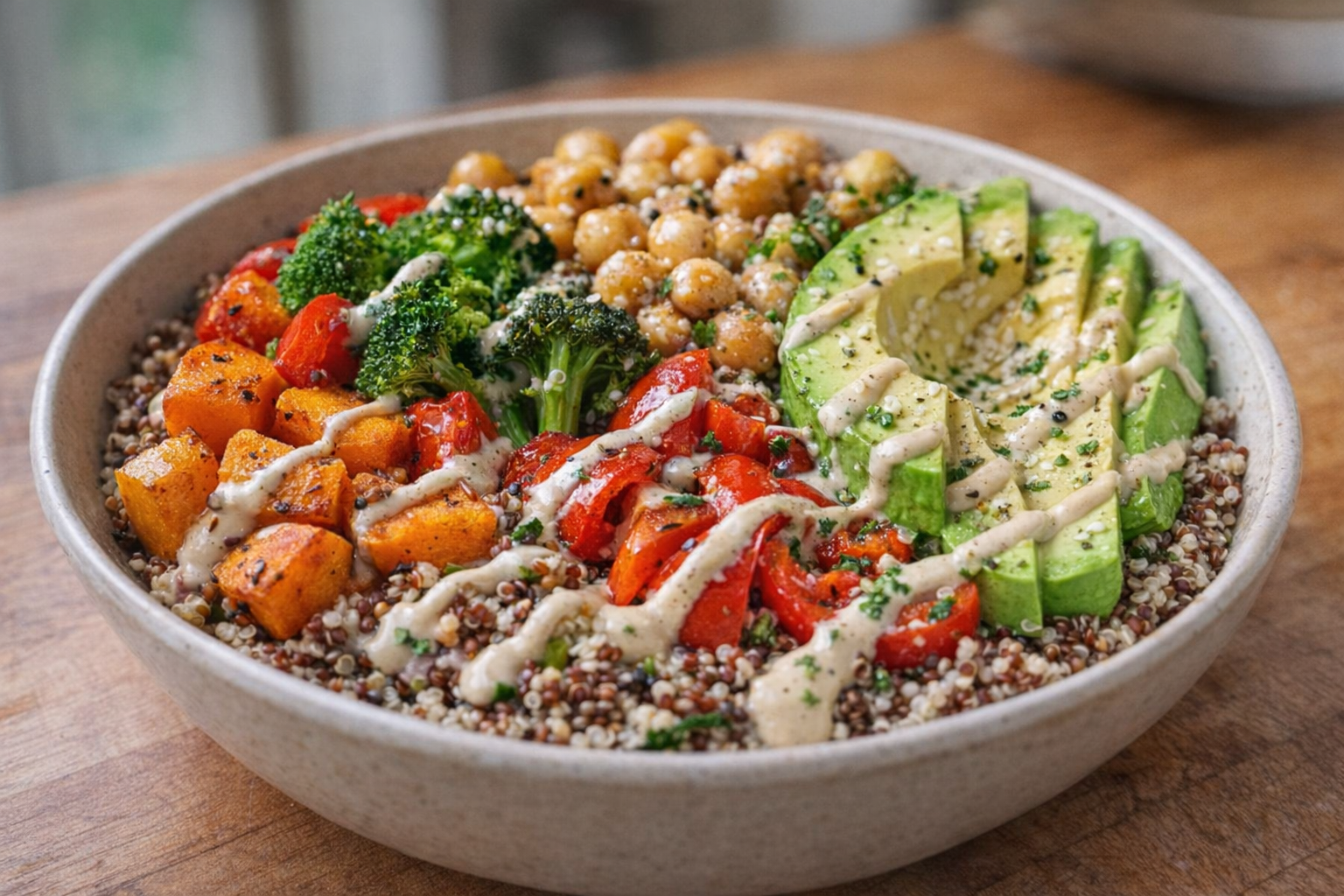
Quinoa, often mistaken for a grain, is a nutritional powerhouse packed with protein, fiber, and essential amino acids. Learning to cook it properly unlocks its versatility, making it a staple in countless dishes. When cooked well, quinoa boasts a delightful fluffy texture and a subtly nutty flavor that complements both sweet and savory ingredients.
Cooking quinoa correctly involves more than just boiling it in water. Understanding the nuances of the grain, the right ratios, and proper techniques are crucial for achieving consistent, delicious results. This guide offers three fool-proof methods for cooking quinoa, ensuring it's never mushy or bland again.
Understanding Quinoa Varieties
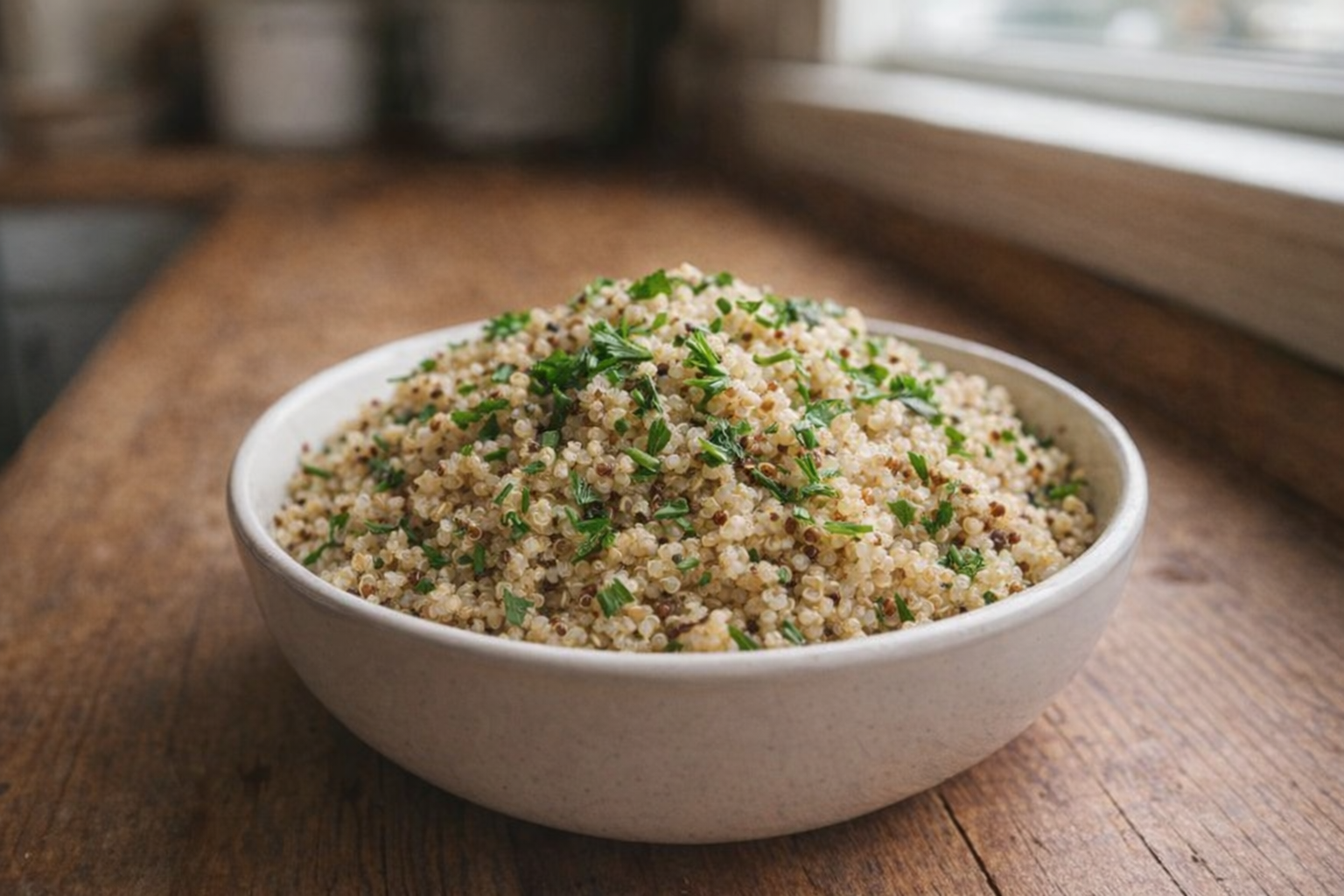
Quinoa comes in several varieties, each with slight differences in flavor and texture. White quinoa is the most common and has a mild, slightly nutty taste. Red quinoa has a nuttier and earthier flavor, and it holds its shape better when cooked, making it ideal for salads. Black quinoa is similar to red quinoa in flavor but has an even earthier profile. Tricolor quinoa is a mix of all three. When buying quinoa, look for packages that are clean, dry, and free from debris. Many brands offer pre-rinsed quinoa, which saves a step, but it's always a good idea to rinse it again just to be sure.
Why Cook Quinoa This Way?
- Versatility: Cooked quinoa can be used in a wide range of dishes, from salads and soups to grain bowls and even desserts.
- Flavor: When cooked properly, quinoa has a pleasant, slightly nutty flavor that complements a variety of ingredients.
- Convenience: With these methods, you can cook quinoa easily using tools you likely already have in your kitchen.
Preparation (Mise en Place)
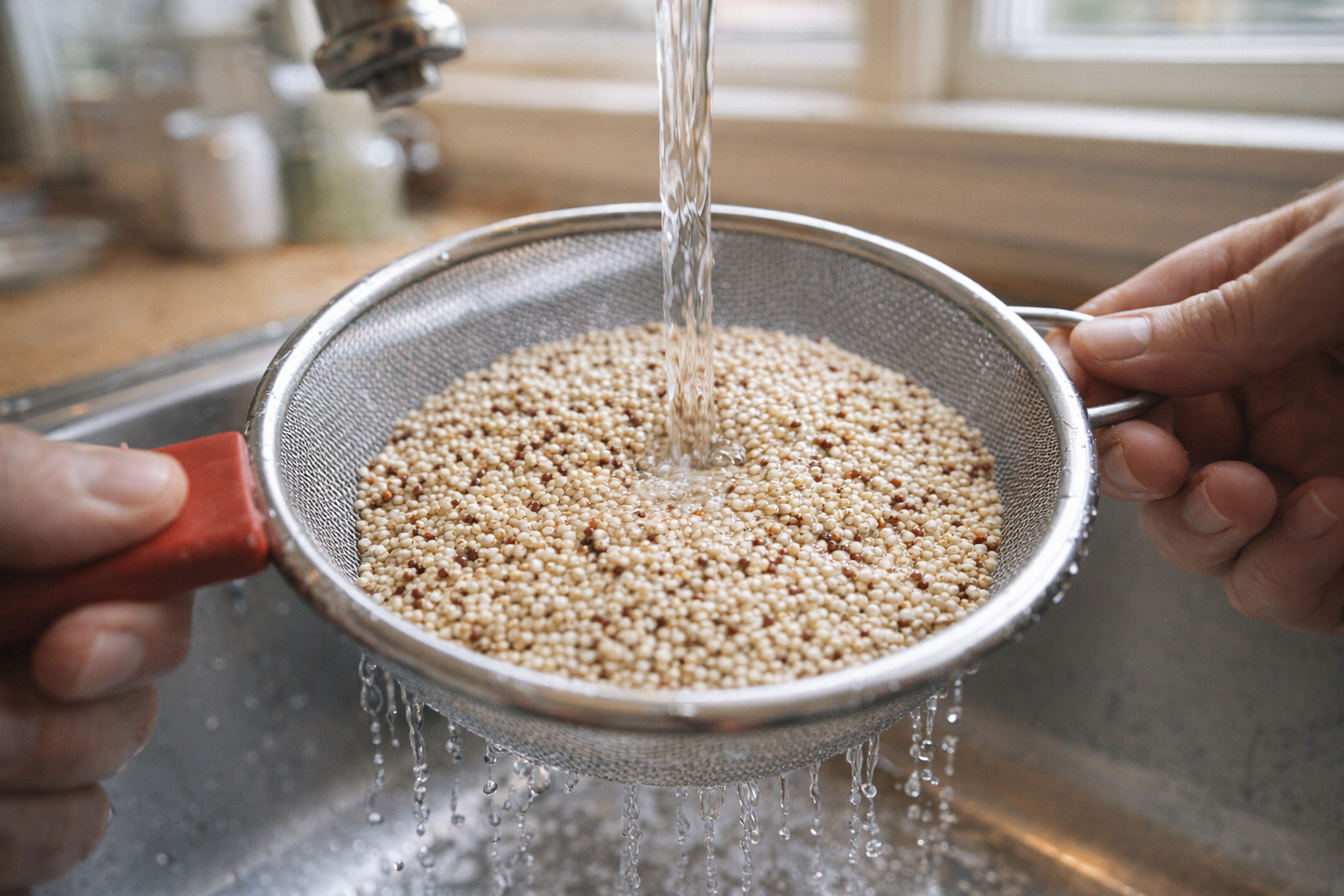
Before cooking, rinsing quinoa is essential. Quinoa naturally has a coating called saponin, which can give it a bitter or soapy taste. To rinse, place the quinoa in a fine-mesh sieve and run it under cold water for about 30 seconds, agitating it with your fingers to ensure all the grains are rinsed.
Essential Tools
- Fine-Mesh Sieve: For rinsing the quinoa to remove the saponin.
- Saucepan with Lid (for Stovetop Method): A medium-sized saucepan is ideal for cooking quinoa on the stovetop. The lid helps to trap steam and ensure even cooking.
- Rice Cooker or Instant Pot (for Rice Cooker Method): Provides a hands-off approach to cooking quinoa.
- Microwave-Safe Bowl with Lid (for Microwave Method): A bowl large enough to accommodate the quinoa and water, with a lid or microwave-safe plate to cover it.
The Cooking Methods
We will explore three primary methods for cooking quinoa: on the stovetop, in a rice cooker (or Instant Pot), and in the microwave. Each method offers a unique approach, catering to different preferences and kitchen setups.
Method 1: Cooking Quinoa on the Stovetop
This is the classic method for cooking quinoa, offering control over the cooking process.
Ingredients:
- 1 cup (200g) quinoa, rinsed
- 2 cups (475ml) water or broth
- 1/4 teaspoon salt (optional)
- Combine Ingredients: In a medium saucepan, combine the rinsed quinoa, water (or broth), and salt (if using). The liquid should appear clear, indicating the saponins have been washed away.
- Bring to a Boil: Place the saucepan over high heat and bring the mixture to a rolling boil. Watch closely; the water will begin to bubble vigorously.
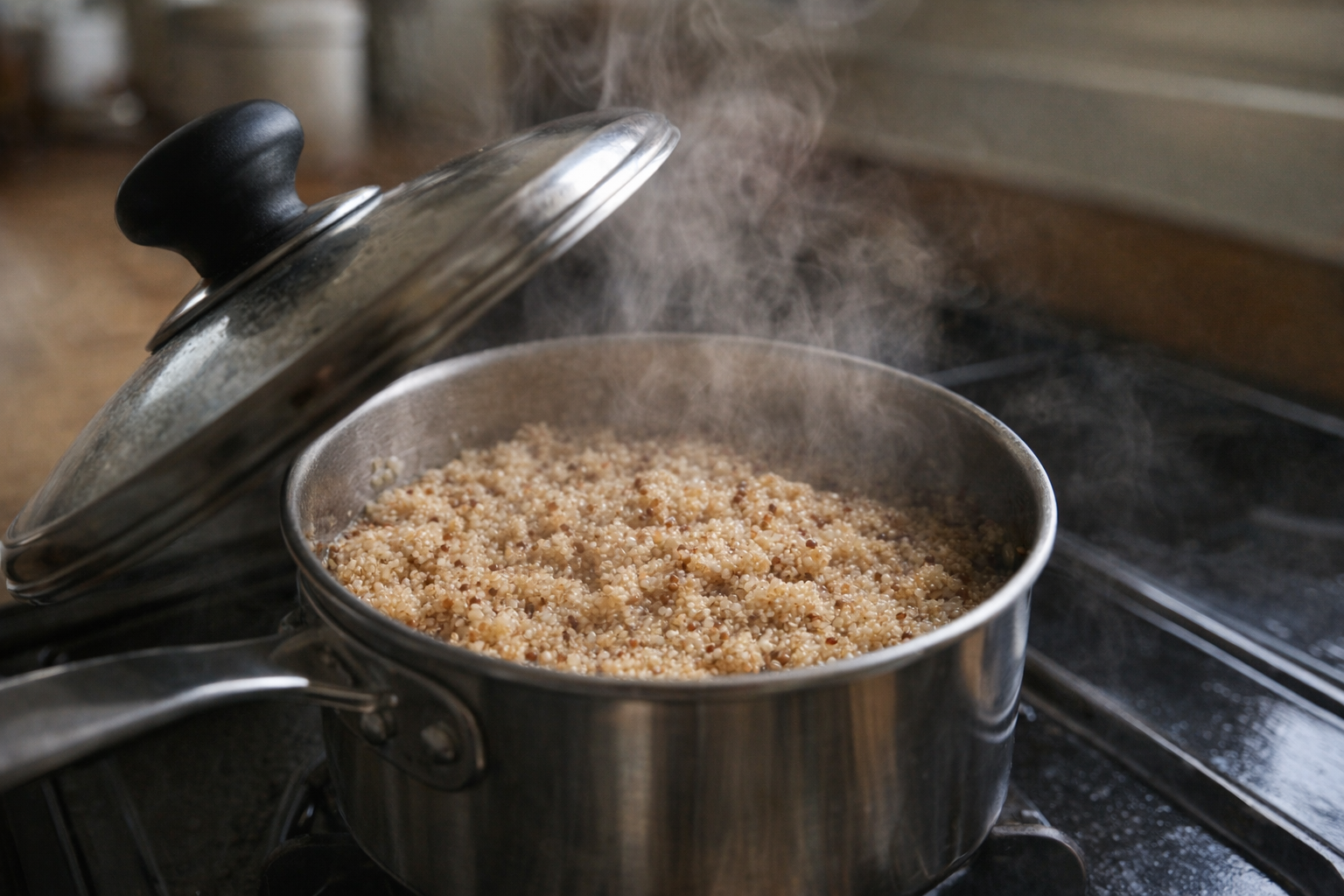
- Simmer: Once boiling, reduce the heat to low, cover the saucepan with a lid, and let it simmer. The sound should be a gentle gurgle, not a rapid boil.
- Cook: Allow the quinoa to simmer for 15-20 minutes, or until all the water has been absorbed and the quinoa grains appear translucent and the little "tails" have separated from the grain.
- Rest: Remove the saucepan from the heat and let it sit, covered, for 5-10 minutes. This allows the quinoa to steam and finish cooking, resulting in a fluffier texture.
- Fluff and Serve: Remove the lid and fluff the quinoa with a fork. This separates the grains and prevents them from clumping together.
Method 2: Cooking Quinoa in a Rice Cooker or Instant Pot
Using a rice cooker or Instant Pot is a hands-off way to cook quinoa, ensuring consistent results with minimal effort.
Ingredients:
- 1 cup (200g) quinoa, rinsed
- 2 cups (475ml) water or broth
- 1/4 teaspoon salt (optional)
- Combine Ingredients: Add the rinsed quinoa, water (or broth), and salt (if using) to the rice cooker or Instant Pot.
- Cook: Close the lid and set the rice cooker to the "white rice" setting. If using an Instant Pot, select the "rice" setting or cook on high pressure for 1 minute, followed by a natural pressure release for 10 minutes. The machine will beep when the cooking cycle is complete.
- Rest: Allow the quinoa to sit in the rice cooker or Instant Pot for 5-10 minutes after cooking. This allows the quinoa to steam and finish cooking, resulting in a fluffier texture.
- Fluff and Serve: Open the lid and fluff the quinoa with a fork.
Method 3: Cooking Quinoa in the Microwave
For a quick and convenient method, cooking quinoa in the microwave is a great option.
Ingredients:
- 1 cup (200g) quinoa, rinsed
- 2 cups (475ml) water or broth
- 1/4 teaspoon salt (optional)
- Combine Ingredients: In a microwave-safe bowl, combine the rinsed quinoa, water (or broth), and salt (if using). Ensure the bowl is large enough to prevent boiling over.
- Cook: Cover the bowl with a microwave-safe lid or plate and microwave on high power for 6 minutes. You should see the water bubbling and hear it simmering.
- Stir: Carefully remove the bowl from the microwave and stir the quinoa. This helps to distribute the heat evenly.
- Cook Again: Cover the bowl again and microwave for another 5 minutes, or until all the liquid has been absorbed.
- Rest: Let the quinoa sit in the microwave, covered, for 5 minutes. This allows the quinoa to steam and finish cooking.
- Fluff and Serve: Remove the lid and fluff the quinoa with a fork.
Cooking Time & Doneness Guide
- Stovetop: 15-20 minutes simmering time, plus 5-10 minutes resting time.
- Rice Cooker/Instant Pot: Cooking time varies by machine, plus 5-10 minutes resting time.
- Microwave: 6 minutes on high, stir, then 5 minutes on high, plus 5 minutes resting time.
Visual Cues
- The quinoa grains should appear translucent and the little "tails" should have separated from the grain.
- All the water should be absorbed. If there's still liquid in the pan, continue cooking for a few more minutes.
Tips for Perfection
- Avoid Overcrowding the Pan: Use a saucepan that's large enough to allow the quinoa to cook evenly. Overcrowding can lead to uneven cooking and mushy quinoa.
- Don't Skip the Rinsing Step: Rinsing quinoa is essential for removing the saponin coating, which can give it a bitter taste.
- Use the Right Ratio: The correct water-to-quinoa ratio is crucial for achieving the right texture. Too much water will result in mushy quinoa, while too little water will leave it undercooked.
- Resist the Urge to Stir: Stirring quinoa during cooking can disrupt the cooking process and lead to a gummy texture.
Storage & Reheating
Cooked quinoa can be stored in an airtight container in the refrigerator for up to 5 days. To freeze, spread the cooked quinoa in a single layer on a baking sheet and freeze until solid. Then, transfer the frozen quinoa to a freezer-safe bag or container and store for up to 2 months.
To reheat, microwave the quinoa with a tablespoon of water or broth per cup of quinoa, or reheat it in a saucepan over low heat.
Serving Suggestions
- Quinoa Salad: Combine cooked quinoa with chopped vegetables, herbs, and a vinaigrette for a refreshing salad.
- Grain Bowl: Build a grain bowl with quinoa as the base, topped with roasted vegetables, protein, and a flavorful sauce.
- Soup Addition: Add cooked quinoa to soups for added texture and nutrition.
- Breakfast Porridge: Cook quinoa with milk or almond milk, sweeten with honey or maple syrup, and top with fruit and nuts for a hearty breakfast.
💡 Pro Tips
- Rinse raw quinoa in a fine-mesh strainer under cold water to remove the bitter saponin coating before cooking.
- Toast the quinoa in the pot for two minutes before adding liquid to enhance its natural nuttiness and improve the final texture.
- Maintain a precise ratio of two parts liquid to one part dry quinoa to prevent the grains from becoming soggy or undercooked.
- Allow the quinoa to rest covered for five to ten minutes after cooking to ensure all remaining moisture is absorbed.
- Fluff the finished quinoa gently with a fork rather than a spoon to keep the grains separate and airy.
Frequently Asked Questions
Yes, you can absolutely use broth (vegetable or chicken) to cook quinoa! This will infuse the quinoa with extra flavor. Just use the same ratio of liquid to quinoa as you would with water.
If your quinoa is still crunchy, add a tablespoon or two more water and continue to simmer, covered, for another 5-10 minutes. Check it again for doneness – it should be tender and slightly translucent.
Cooked quinoa should be stored in an airtight container in the refrigerator. It will keep for up to 5-7 days. Make sure it's cooled completely before refrigerating to prevent condensation and spoilage.
While a fine-mesh sieve is ideal, you can rinse quinoa in a regular colander lined with cheesecloth or a clean paper towel. Just be sure to rinse thoroughly under cold water to remove as much of the saponin as possible.