 delishing
How to Boil Corn on the Cob: A Definitive Guide

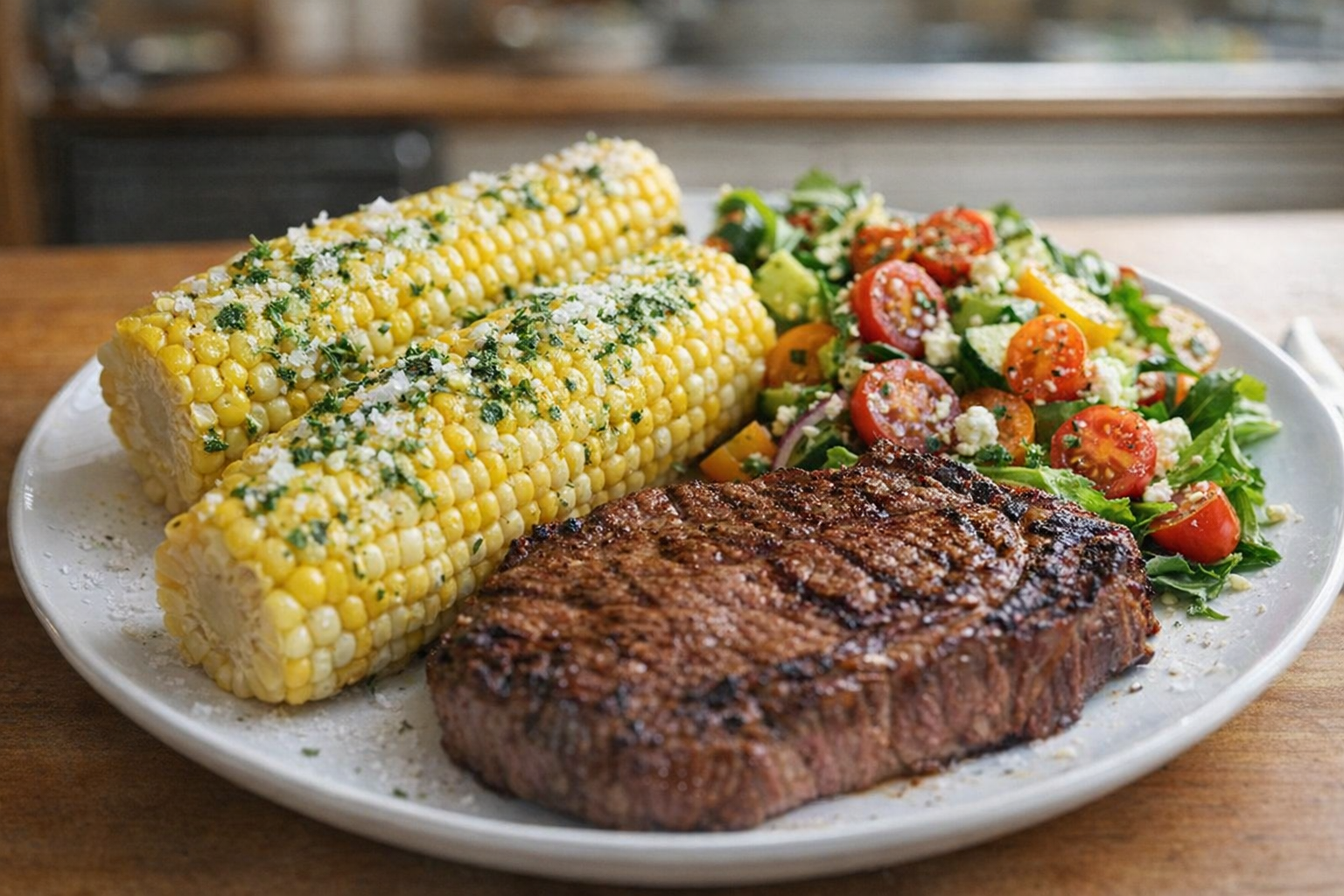
Boiled corn on the cob, when executed well, offers a delightful balance of sweetness and satisfying texture. The gentle cooking process preserves the corn's natural sugars, resulting in a tender, juicy bite that is perfect on its own or as a complement to grilled meats and summer salads.
Boiling is an ideal method because it is fast, simple, and requires minimal equipment. It also allows for easy customization with flavored salts, butters, and spices, enhancing the overall flavor profile. A perfectly boiled ear of corn is a testament to the fact that sometimes the simplest methods yield the most satisfying results.
Understanding Corn on the Cob
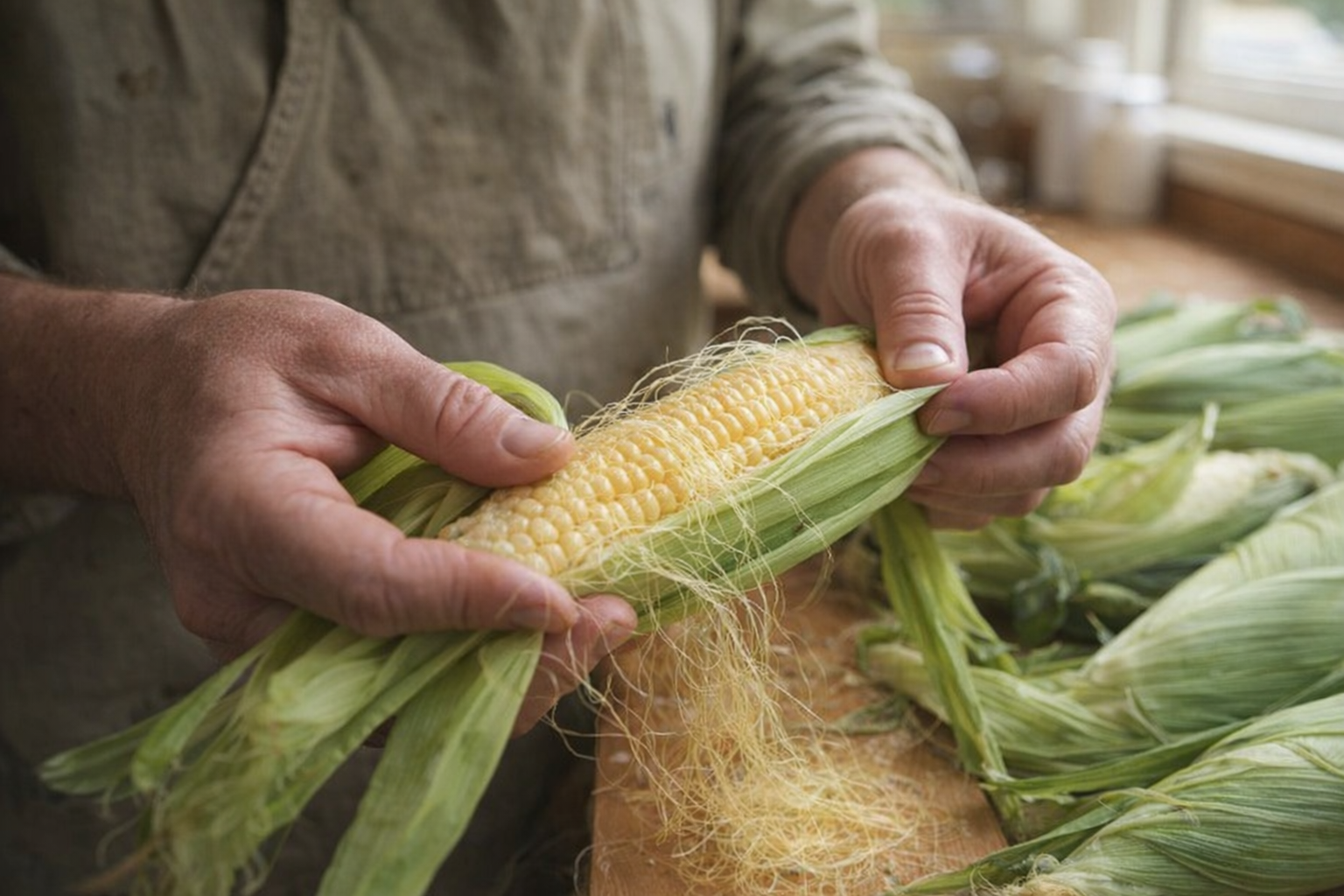
When selecting corn on the cob, freshness is paramount. Look for ears with bright green, tightly wrapped husks. The silk (the stringy strands protruding from the top) should be light brown and slightly sticky. Avoid ears with dry, blackened silk or husks that are yellowing, as these are indicators of older, less flavorful corn.
Different varieties of corn offer unique flavor profiles. Sweet corn, the most common type, is characterized by its high sugar content and tender kernels. Bi-color corn offers a mix of white and yellow kernels, providing a slightly sweeter taste than yellow corn. White corn tends to be the sweetest, with a milky flavor. Ultimately, the best corn to buy is the freshest you can find, preferably from a local farm stand or farmers market.
Why Cook Corn This Way?
- Versatility: Boiled corn can be served as a side dish, used in salads, or incorporated into soups and stews.
- Flavor: Boiling preserves the corn's natural sweetness, creating a juicy and flavorful result.
- Convenience: This method is quick, easy, and requires minimal equipment.
Preparation (Mise en Place)
- Shucking: Begin by removing the outer husks. Grasp the top of the corn where the tassel protrudes and pull the husk downwards towards the base. Once the husk is removed, pluck off any remaining silk strands. Rinsing the corn under cold water can help dislodge any stubborn silk.
- Trimming (Optional): If the corn is too long for your pot, you can carefully cut it in half using a sharp knife on a cutting board.
- Brining (Optional): While not essential, soaking the shucked corn in cold, salted water for 30 minutes before boiling can enhance its flavor and tenderness. Use about 1 tablespoon of salt per gallon of water.
Essential Tools
- Large Pot: A large stockpot with enough capacity to fully submerge the corn is essential for even cooking.
- Tongs: Use tongs to safely add and remove the corn from the boiling water.
- Sharp Knife (Optional): For cutting the corn in half if necessary.
The Cooking Method(s)
Method 1: Classic Boiling
This is the most straightforward method for cooking corn on the cob, yielding tender and juicy results in just a few minutes.
Ingredients:
- 4 ears of fresh corn on the cob, shucked
- 8 cups water (2 liters)
- 1 tablespoon salt (15 ml) (optional, for seasoning water)
Instructions:
- Bring Water to a Boil: Fill a large pot with water and bring to a rolling boil over high heat. If desired, add salt to the water to season the corn.
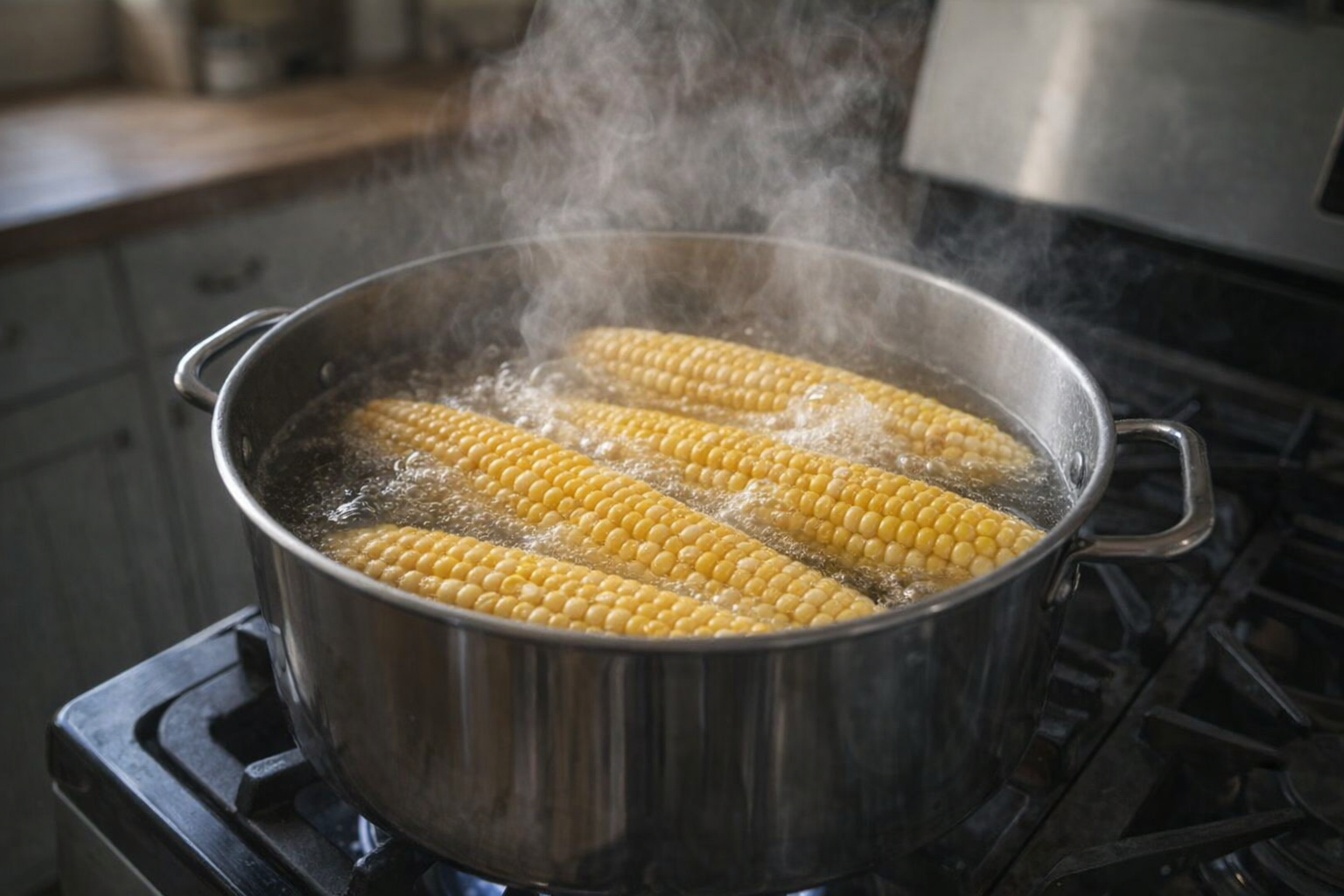
- Add the Corn: Carefully add the shucked corn to the boiling water, ensuring that the water covers the corn completely.
- Cook the Corn: Once the water returns to a boil, cook the corn for 5 minutes. The kernels should appear plump and vibrant yellow. Listen for the gentle bubbling of the water and smell the sweet aroma of cooking corn.
- Remove and Serve: Using tongs, carefully remove the corn from the pot and transfer to a serving platter. Serve immediately with your favorite toppings.
Cooking Time & Doneness Guide:
- Cooking Time: 5 minutes in boiling water.
- Internal Temperature: While not necessary to check with a thermometer, the corn is done when the kernels are tender and easily pierced with a fork.
Visual Cues
The kernels should appear plump, tender, and a bright yellow color. The silk will also loosen and come away easily.
Tips for Perfection
- Don't Overcrowd the Pot: Boiling too many ears of corn at once can lower the water temperature and result in unevenly cooked corn. Cook in batches if necessary.
- Avoid Overcooking: Overcooked corn can become mushy and lose its sweetness. Stick to the recommended cooking time for best results.
- Season the Water: Adding salt to the boiling water can enhance the corn's natural flavor. Some cooks also add a pat of butter or a splash of milk for extra richness.
- Use Fresh Corn: The fresher the corn, the sweeter and more flavorful it will be. Try to cook corn on the same day you purchase it for optimal results.
Storage & Reheating
- Storage: Leftover boiled corn can be stored in an airtight container in the refrigerator for up to 3 days.
- Reheating: The best way to reheat boiled corn is to steam it gently for a few minutes until heated through. You can also microwave it, but be careful not to overcook it. Adding a little butter and a splash of water to the container while microwaving helps retain moisture.
Serving Suggestions
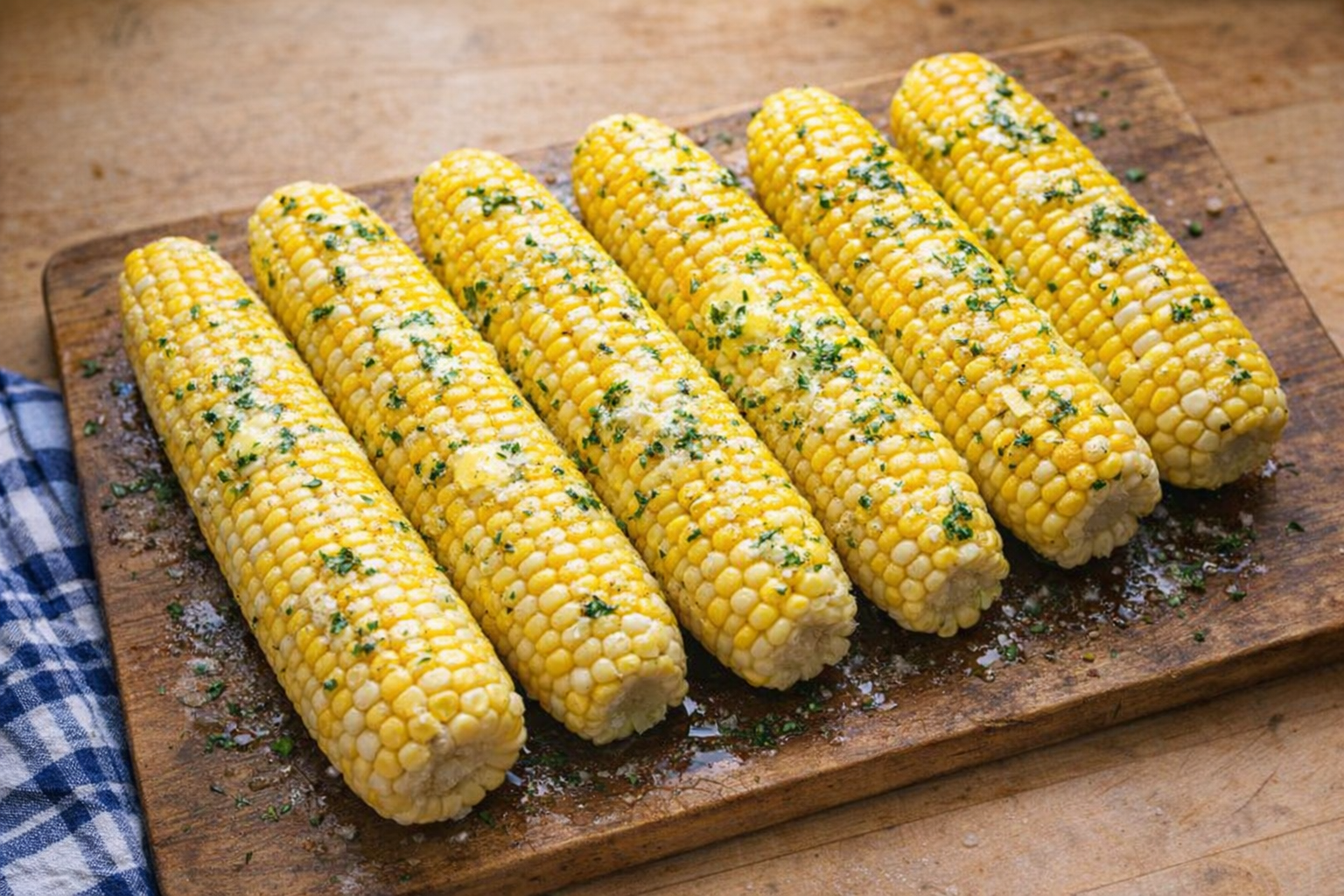
- Classic Butter and Salt: The simplest and most beloved way to enjoy boiled corn.
- Grilled Corn Salad: Cut the kernels off the cob and toss with grilled vegetables, herbs, and a light vinaigrette.
- Creamed Corn: Combine the kernels with cream, butter, and seasonings for a comforting side dish.
- Corn on the Cob with Flavored Butter: Experiment with different compound butters, such as garlic-herb, chili-lime, or honey-cinnamon, for a unique twist.
Frequently Asked Questions
Avoid overcooking the corn. Once the water returns to a boil after adding the corn, cook for only 5-7 minutes, or until the kernels are tender-crisp. This prevents the corn from absorbing too much water and becoming mushy.
While the recipe mentions a brining step, it's generally recommended to avoid adding salt directly to the boiling water. Salt can toughen the corn kernels, so it's better to season the corn after it's cooked with flavored salts or butter.
Allow the corn to cool completely before storing. Wrap each ear individually in plastic wrap or place them in an airtight container in the refrigerator. Boiled corn is best consumed within 3-5 days for optimal flavor and texture.
You can break the corn cobs in half before boiling to fit them in your pot. Alternatively, you can rotate the corn during cooking, ensuring that all sides are exposed to the boiling water for even cooking, although this may require a slightly longer cooking time.