 delishing
How to Bake a Perfect Breakfast Casserole

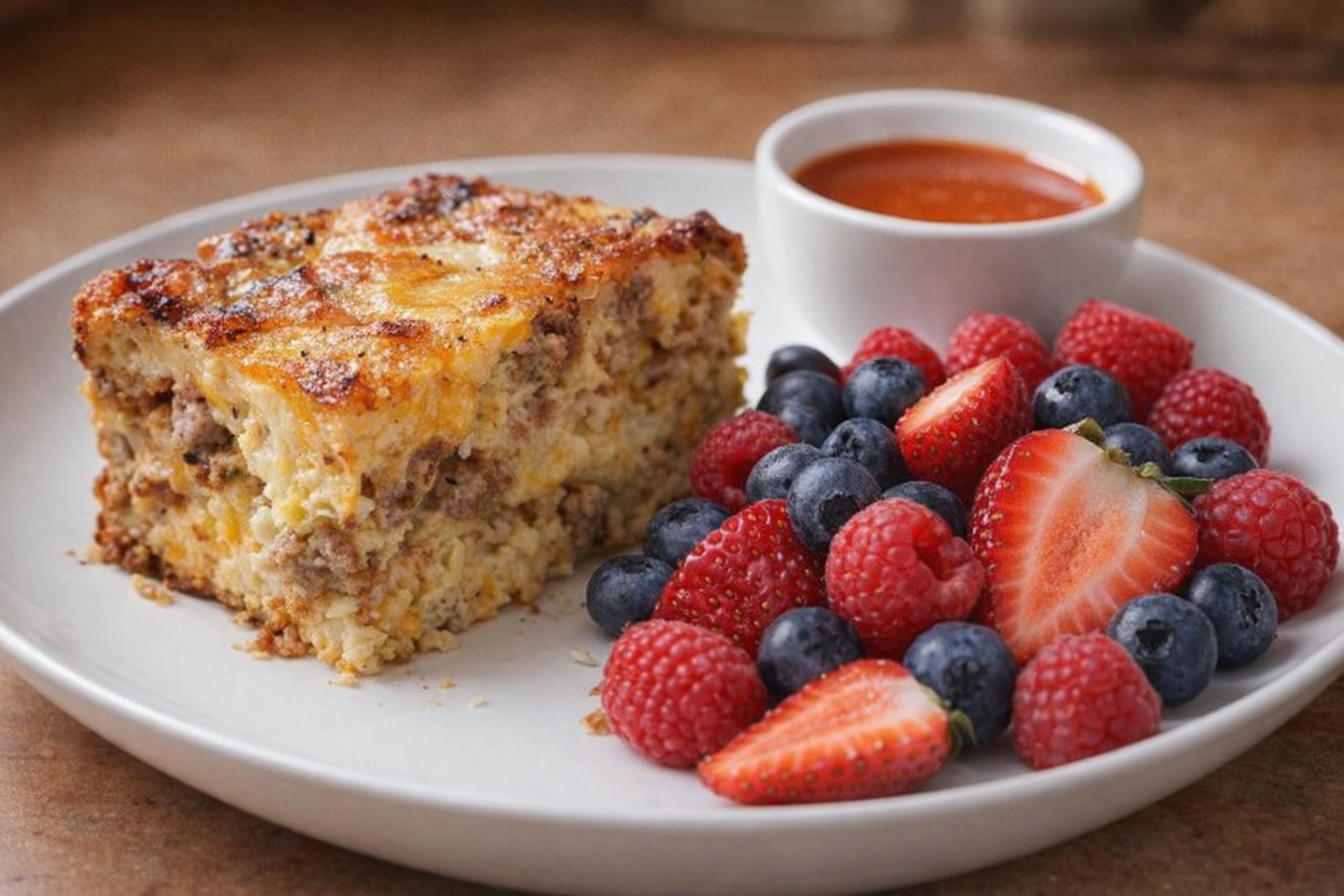
Breakfast casseroles are a cornerstone of weekend brunches and holiday gatherings, offering a delicious and convenient way to feed a crowd. This guide will walk you through the essential techniques for creating a balanced and flavorful breakfast casserole, with adaptable methods for variations. A good breakfast casserole balances savory richness with a custardy texture, offering a fulfilling start to the day.
Baking a breakfast casserole allows flavors to meld and ingredients to bind, resulting in a cohesive dish far greater than the sum of its parts. The oven's gentle heat coaxes out the sweetness of vegetables, intensifies the savory notes of meats, and transforms a simple egg mixture into a creamy, satisfying base. This method is particularly effective for preparing food in advance, freeing you to enjoy your morning without the stress of last-minute cooking.
Understanding Breakfast Casserole Ingredients
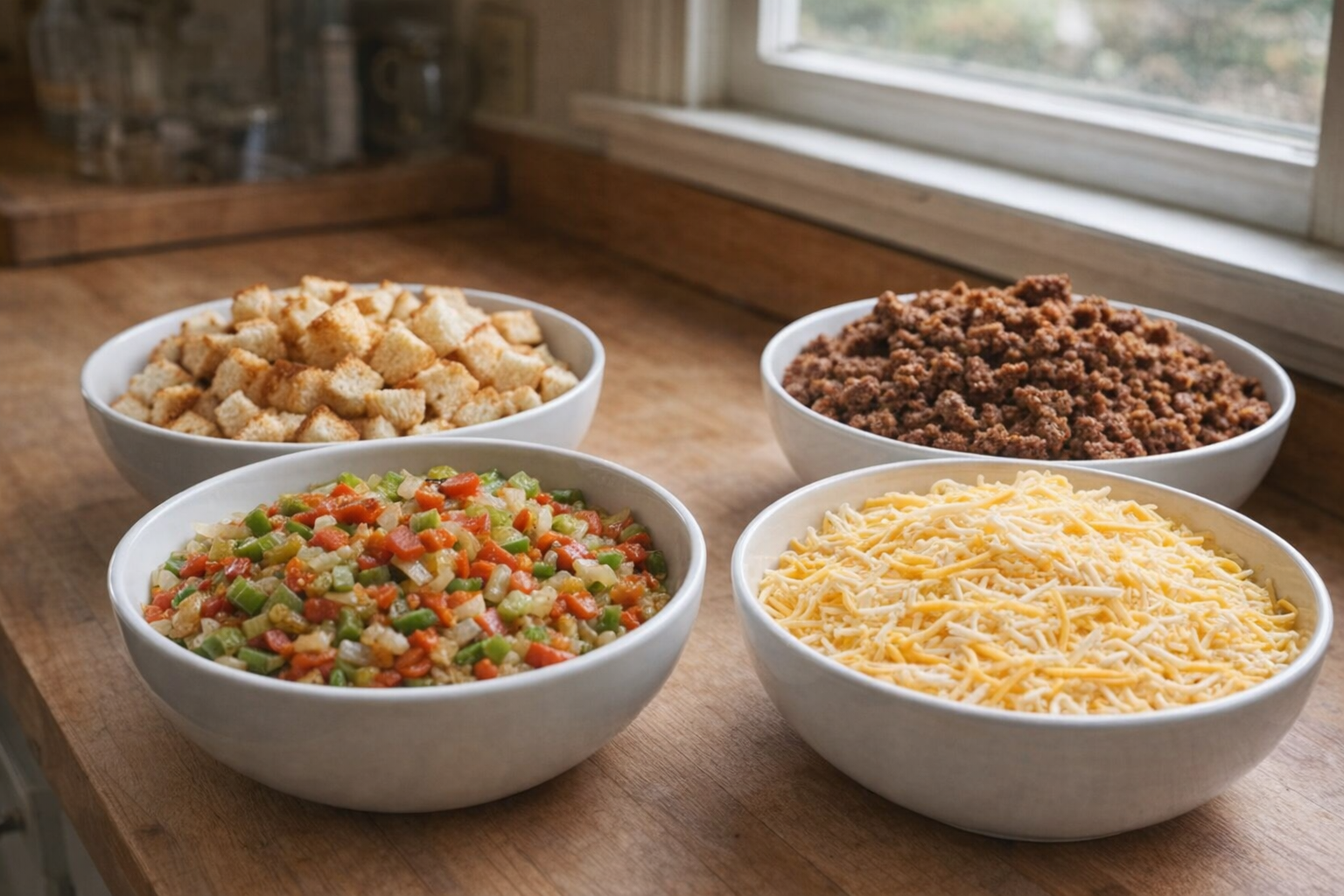
The beauty of a breakfast casserole lies in its flexibility. While the core components typically include a starch base (bread, potatoes, or even tater tots), protein (sausage, bacon, or ham), vegetables (onions, peppers, spinach), cheese, and an egg custard, the specific ingredients can be tailored to your preferences and what you have on hand.
- Eggs: Use large, fresh eggs for the best custard texture.
- Dairy: Milk or cream form the base of the custard. Experiment with different types of milk (whole, 2%, or even almond milk for a lighter option) to achieve your desired richness.
- Cheese: Sharp cheddar, Monterey Jack, Gruyere, and mozzarella all work well in breakfast casseroles.
- Bread: Use slightly stale bread for optimal absorption of the egg mixture.
- Proteins: Cooked sausage, bacon, or ham are classics.
- Vegetables: Onions and bell peppers should be sauteed first to soften. Spinach wilts easily and can be added raw.
Why Cook a Breakfast Casserole This Way?
- Versatility: Adapts to any dietary need or preference – vegetarian, gluten-free, dairy-free options are all easily achievable.
- Flavor Fusion: Baking allows flavors to meld and deepen, creating a more complex and satisfying taste than individual components.
- Convenience: Can be prepared ahead of time and baked the next morning, saving you valuable time and effort.
Preparation (Mise en Place)
Thorough preparation is key to a successful breakfast casserole. This includes:
- Pre-cooking Proteins: Brown sausage or bacon and drain off any excess grease. This step is crucial for preventing a greasy casserole.
- Sautéing Vegetables: Onions and peppers should be sautéed until softened and slightly caramelized. This enhances their flavor and prevents them from being crunchy in the final dish.
- Cubing Bread: Cut the bread into 1-inch cubes. Slightly stale bread works best as it absorbs the egg mixture more effectively.
- Whisking Eggs: Whisk the eggs with milk or cream, cheese, and seasonings until well combined.
Essential Tools
- 9x13 inch Baking Dish: Provides ample space for the casserole to bake evenly.
- Large Skillet: For browning sausage and sautéing vegetables.
- Whisk: Ensures a smooth and well-combined egg custard.
- Mixing Bowls: For combining ingredients.
The Cooking Method(s)
We'll focus on one primary method for baking a classic breakfast casserole, but will provide suggestions for variations on the core recipe.
Method 1: Classic Baked Breakfast Casserole
Ingredients:
- 1 pound (450g) breakfast sausage, cooked and crumbled
- 1 medium onion, chopped and sautéed
- 1 bell pepper, chopped and sautéed
- 6 large eggs
- 2 cups (475ml) milk or cream
- 1 teaspoon salt
- 1/2 teaspoon black pepper
- 6 cups (150g) cubed bread
- 2 cups (225g) shredded cheddar cheese, divided
- Preheat Oven: Preheat your oven to 350°F (175°C). Grease a 9x13 inch baking dish.
- Layer Ingredients: Arrange half of the cubed bread in the bottom of the prepared baking dish. Top with half of the cooked sausage, sautéed onion and pepper, and 1 cup of shredded cheese. Repeat layers with remaining bread, sausage, vegetables, and cheese. The aroma of the sausage mingling with the sauteed vegetables creates a tempting foundation for the casserole.
- Pour Egg Mixture: In a large bowl, whisk together eggs, milk, salt, and pepper. Pour the egg mixture evenly over the layered ingredients in the baking dish. Ensure the bread is evenly saturated; press down gently if needed. The gentle pour creates a soft "glug glug" sound.
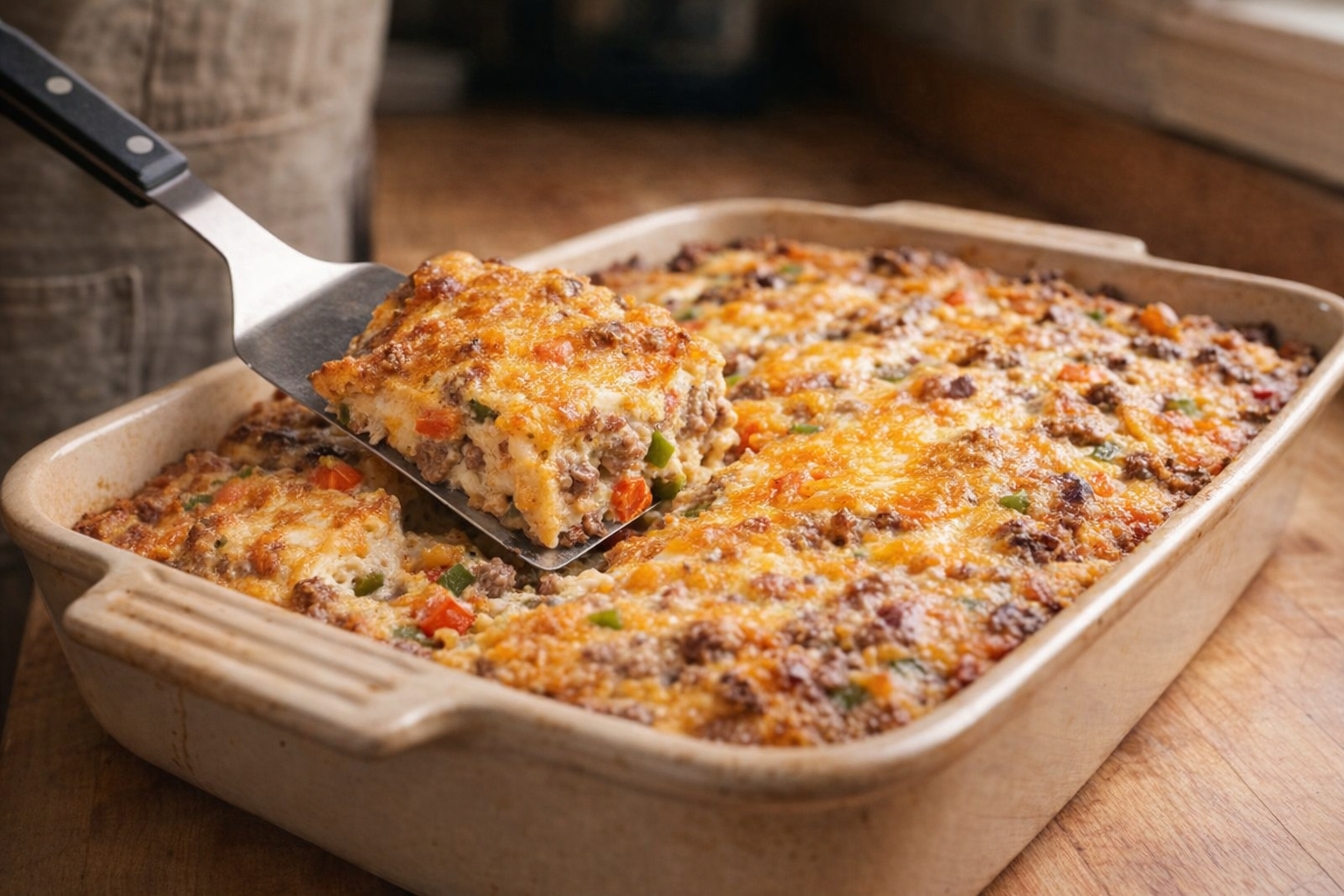
- Bake: Bake in the preheated oven for 45-50 minutes, or until the casserole is golden brown and set. The edges should be slightly puffed, and the center should no longer jiggle when the dish is gently shaken. The kitchen will fill with a savory, cheesy aroma as it bakes.
- Rest: Let the casserole stand for 10 minutes before slicing and serving. This allows the casserole to set further, making it easier to cut. The cooling period allows for the aromas to intensify, making for a more appealing dish to serve.

Cooking Time & Doneness Guide
- Baking Time: 45-50 minutes at 350°F (175°C).
- Internal Temperature: The center of the casserole should reach 160°F (71°C).
Visual Cues
The casserole should be golden brown on top, and the egg mixture should be set and no longer jiggly in the center. A knife inserted into the center should come out clean.
Tips for Perfection
- Don't Overcrowd: Avoid overfilling the baking dish, as this can prevent the casserole from cooking evenly.
- Use Stale Bread: Slightly stale bread absorbs the egg mixture better and prevents the casserole from becoming soggy.
- Customize Seasonings: Experiment with different herbs and spices, such as thyme, rosemary, or garlic powder, to enhance the flavor of the casserole.
- Rest Before Serving: Allowing the casserole to rest for 10 minutes after baking helps it set and makes it easier to slice.
Storage & Reheating
- Storage: Leftover breakfast casserole can be stored in the refrigerator for up to 3 days. Cover the casserole tightly with plastic wrap or transfer it to an airtight container.
- Reheating: Reheat individual portions in the microwave or oven. To reheat in the oven, preheat to 350°F (175°C) and bake for 15-20 minutes, or until heated through. Microwaving can be done in 1-2 minute intervals, checking on it to avoid overheating.
Serving Suggestions
- With Fresh Fruit: Serve alongside a bowl of fresh berries or a fruit salad for a balanced and refreshing breakfast.
- With a Side Salad: A simple green salad with a light vinaigrette can add a touch of freshness and acidity to complement the richness of the casserole.
- With Hot Sauce: Offer a variety of hot sauces for those who like to add a bit of heat to their breakfast.
- As a Brunch Buffet Staple: Include the casserole as part of a larger brunch spread, alongside other breakfast favorites like pancakes, waffles, and bacon.
💡 Pro Tips
- Always brown your breakfast meat and drain the excess fat before adding it to the dish to prevent a greasy texture.
- Whisk your eggs and milk thoroughly until no streaks remain to ensure the custard base is uniform and light.
- If using bread, choose a sturdy variety like sourdough or brioche and toast it lightly before assembly to help it hold its structure.
- Cover the casserole with foil for the first half of baking to keep the top from over-browning while the center sets.
- Insert a knife into the center to check for doneness; it should come out clean when the eggs are fully cooked.
Frequently Asked Questions
Yes, you can absolutely assemble the casserole the night before. Cover it tightly with plastic wrap and refrigerate it. Add about 10-15 minutes to the baking time when baking from cold.
If you don't have stale bread, you can lightly toast fresh bread in the oven or toaster oven. This will help to dry it out slightly, allowing it to absorb the egg mixture better and prevent a soggy casserole.
Yes, you can use frozen vegetables. Be sure to thaw them completely and drain off any excess water before adding them to the casserole to prevent it from becoming watery. You may also want to saute them briefly to remove excess moisture.
The breakfast casserole is done when the egg mixture is set and no longer jiggly. You can also insert a knife into the center; if it comes out clean, it's ready. The top should be golden brown and slightly puffed up.