 delishing
How to Bake Lobster Tails in the Oven: A Culinary Guide

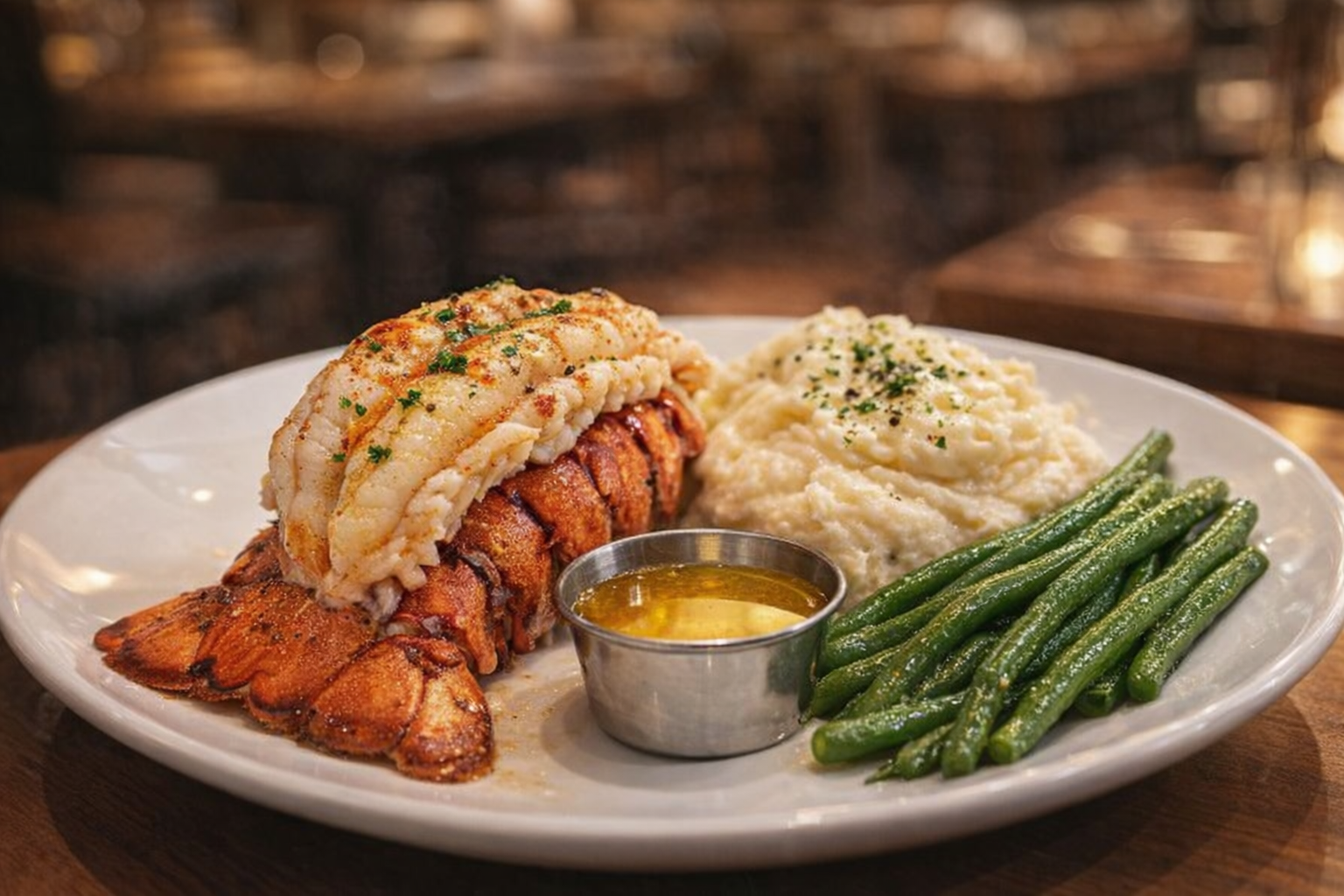
Baked lobster tails are a luxurious treat that’s surprisingly easy to prepare at home. The baking process, when done correctly, yields succulent, tender meat infused with rich, buttery flavors. The key is understanding how heat interacts with the delicate proteins in the lobster, ensuring it's cooked through without becoming tough. A simple garlic-herb butter brushed over the exposed meat elevates the dish, adding an aromatic depth that complements the natural sweetness of the lobster.
This guide will equip you with the knowledge to select the best lobster tails, prepare them properly, and bake them to perfection. We'll explore the nuances of temperature and timing, along with tips and tricks to avoid common pitfalls. Whether you're planning a special occasion dinner or simply craving a taste of the sea, mastering baked lobster tails is a culinary skill worth having.
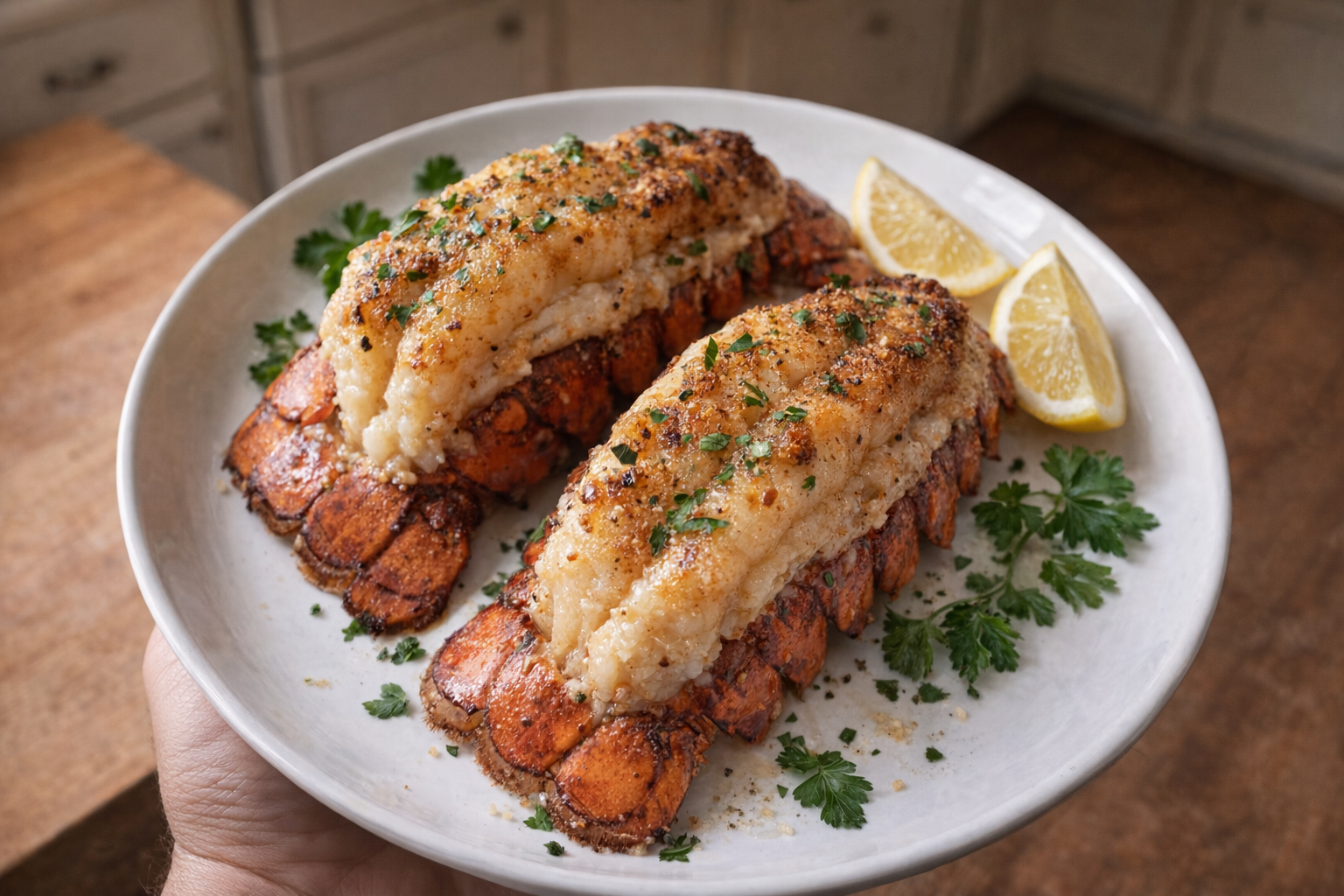
Understanding Lobster Tails
Lobster tails come from the tail section of the lobster and are prized for their sweet, firm meat. There are primarily two types of lobster to consider: cold-water and warm-water. Cold-water lobster tails, typically from Maine or Canada, are generally considered superior due to their firmer texture and sweeter flavor. Warm-water lobster tails, often from Florida or the Caribbean, tend to be less expensive and have a slightly softer texture.
When purchasing lobster tails, look for ones that are firm to the touch, with a bright, translucent color. Avoid tails that have a fishy smell or any signs of discoloration. Frozen lobster tails are a convenient option, but ensure they are properly thawed in the refrigerator overnight before cooking. Sizes typically range from 4 ounces to 12 ounces or more; adjust cooking times accordingly.
Why Cook Lobster Tails This Way?
- Versatility: Baked lobster tails can be served as an elegant appetizer, a main course, or even as part of a surf and turf combination.
- Flavor: Baking allows the natural sweetness of the lobster to shine, enhanced by the infusion of garlic, herbs, and butter.
- Convenience: Baking is a relatively hands-off method, allowing you to focus on preparing side dishes while the lobster cooks in the oven.
Preparation (Mise en Place)
- Thawing (if frozen): Place frozen lobster tails in the refrigerator 24 hours before cooking to allow them to thaw slowly and evenly. Do not thaw at room temperature, as this can encourage bacterial growth.
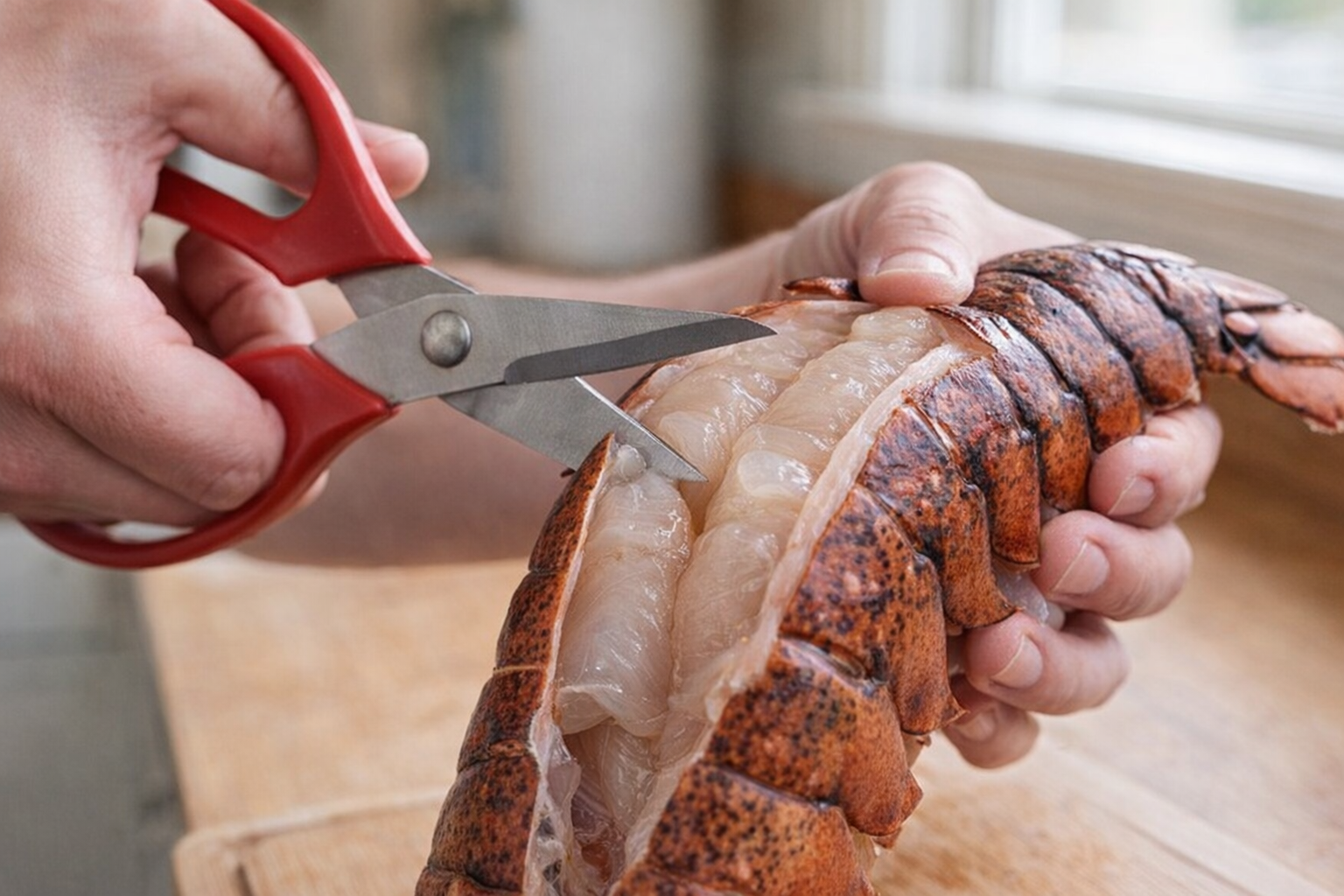
- Preparing the tails: Using kitchen shears, carefully cut the top shell of each lobster tail lengthwise, from the wide end to the tail fan. Be careful not to cut through the meat. Gently spread the shell open, exposing the lobster meat. You can also use a sharp knife to score the top of the meat lightly, creating a shallow channel for the butter mixture to seep into.
- Pat Dry: Use paper towels to pat the lobster meat dry. This helps the butter and seasonings adhere better and promotes browning.
Essential Tools
- Baking Sheet: Provides a stable surface for baking the lobster tails evenly.
- Kitchen Shears: Necessary for safely and cleanly splitting the lobster shells.
- Small Bowl: Used for mixing the butter mixture.
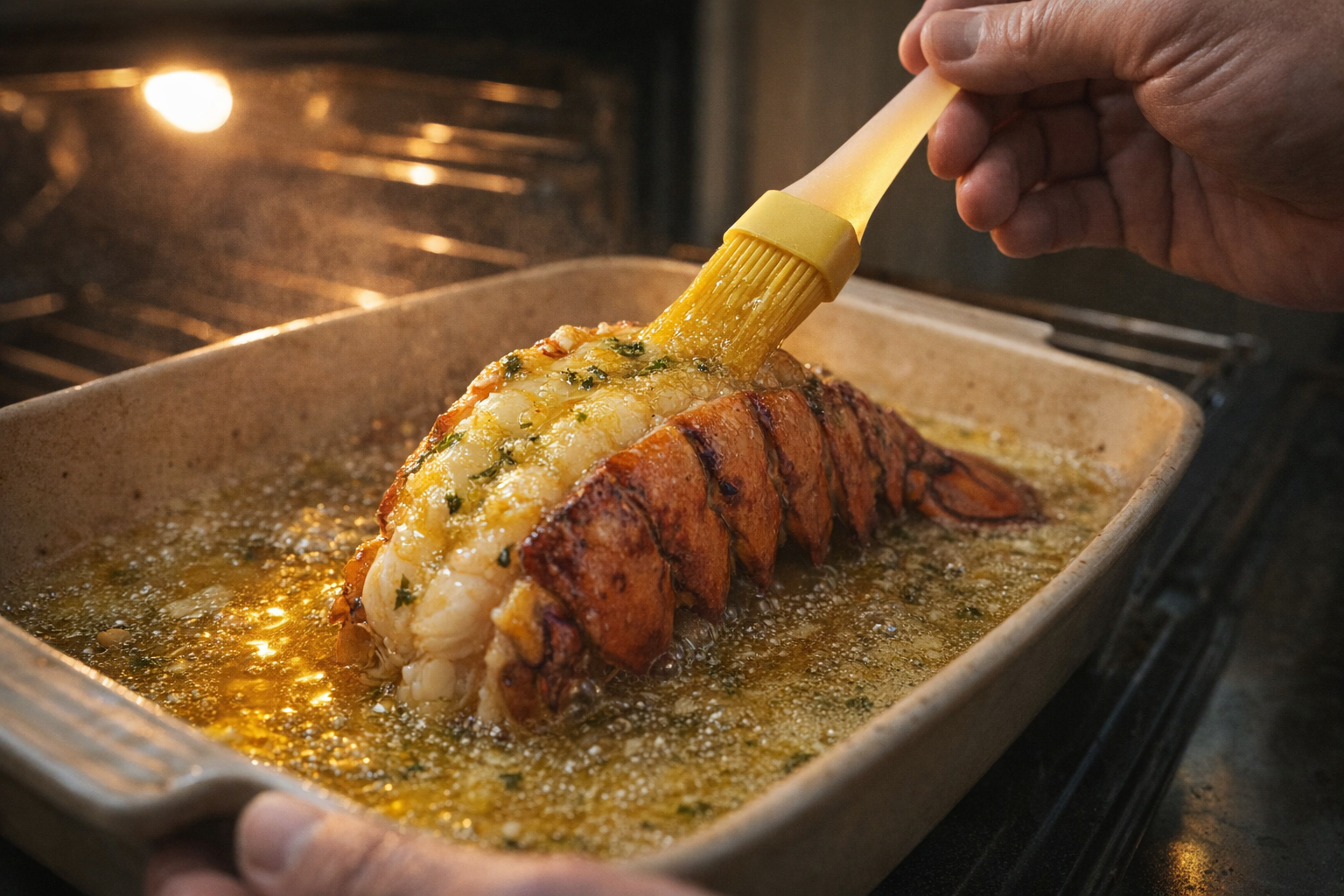
- Basting Brush: Essential for evenly coating the lobster meat with the butter mixture, ensuring maximum flavor.
The Cooking Method(s)
Method 1: Classic Baked Lobster Tails
Ingredients:
- 2 lobster tails (6-8 ounces each)
- 4 tablespoons (57g) unsalted butter, melted
- 2 cloves garlic, minced
- 1 tablespoon fresh lemon juice
- 1 tablespoon chopped fresh parsley
- 1/4 teaspoon paprika
- Salt and freshly ground black pepper to taste
- Preheat the Oven: Preheat your oven to 400°F (200°C). Ensure the rack is positioned in the center of the oven for even heat distribution.
- Prepare the Butter Mixture: In a small bowl, combine the melted butter, minced garlic, lemon juice, parsley, paprika, salt, and pepper. The aroma of garlic and melted butter will fill your kitchen.
- Brush the Lobster: Generously brush the lobster meat with the butter mixture, ensuring every nook and cranny is coated. The lobster meat should glisten under the light.
- Bake the Lobster: Place the lobster tails on a baking sheet, shell side down. Bake for 12-15 minutes, or until the lobster meat is opaque and firm to the touch. You might hear a gentle sizzle as the butter melts and the lobster cooks.
- Check for Doneness: Use a fork to gently prod the meat. It should be firm and springy, not mushy.
- Rest and Serve: Remove from the oven and let rest for a minute or two before serving. This allows the juices to redistribute, resulting in a more tender and flavorful lobster.
Cooking Time & Doneness Guide
- Cooking Time: 12-15 minutes at 400°F (200°C) for 6-8 ounce tails. Adjust cooking time based on tail size.
- Internal Temperature: The internal temperature of the lobster meat should reach 140°F (60°C). Use a meat thermometer inserted into the thickest part of the tail to check.
Visual Cues
The lobster meat should turn opaque and white, with a slight pink hue. The shell will turn a bright red. Avoid overcooking, as this will result in dry, rubbery meat.
Tips for Perfection
- Don't Overcrowd the Pan: Give the lobster tails enough space on the baking sheet for even cooking.
- Use Fresh Garlic: Freshly minced garlic provides a more intense flavor than garlic powder.
- Monitor the Temperature: A meat thermometer is your best friend when cooking lobster. It's the most reliable way to ensure doneness.
- Avoid Overbaking: Overbaking is the cardinal sin of lobster cookery. Keep a close eye on the tails, and remove them from the oven as soon as they're done.
Storage & Reheating
Store leftover baked lobster tails in an airtight container in the refrigerator for up to 2 days. To reheat, gently steam the lobster tails for a few minutes until warmed through. Avoid microwaving, as this can make the meat tough. You can also enjoy leftover lobster cold in salads or sandwiches.
Serving Suggestions
- Classic Surf and Turf: Serve with a grilled steak, roasted potatoes, and asparagus.
- Lobster Rolls: Flake the cooked lobster meat and toss with mayonnaise, celery, and lemon juice. Serve on toasted rolls.
- Lobster Salad: Combine the lobster meat with mixed greens, avocado, and a light vinaigrette.
- Lobster Mac and Cheese: Add chunks of lobster to your favorite mac and cheese recipe for an extra-indulgent treat.
💡 Pro Tips
- Use sharp kitchen shears to cut lengthwise through the top of the shell and gently lift the meat to rest on top for even heat exposure.
- Always thaw frozen lobster tails completely in the refrigerator overnight to ensure the meat cooks evenly and maintains its tender texture.
- Monitor the internal temperature with a digital thermometer and remove the tails from the oven as soon as they reach 140°F to avoid overcooking.
- Brush the exposed meat with a mixture of melted butter, minced garlic, and fresh herbs both before and halfway through baking for maximum flavor.
- Place a small amount of water or white wine in the bottom of your baking pan to create a moist environment that prevents the delicate meat from drying out.
Frequently Asked Questions
Yes, you can substitute dried herbs for fresh, but use about half the amount. Dried herbs have a more concentrated flavor than fresh, so adjusting the quantity will prevent the butter from becoming overpowering.
If you don't have kitchen shears, you can use a sharp knife to carefully cut through the lobster shell. Place the lobster tail on a cutting board and use a gentle sawing motion to avoid damaging the meat.
The lobster meat should be opaque and firm to the touch when it's done. An instant-read thermometer inserted into the thickest part of the tail should read 140°F (60°C).
Leftover baked lobster tails can be stored in an airtight container in the refrigerator for up to 3 days. To reheat, gently warm them in a low-temperature oven (around 275°F or 135°C) with a little butter or broth to prevent them from drying out.