 delishing
How to Craft the Perfect Homemade BBQ Sauce: A Comprehensive Guide

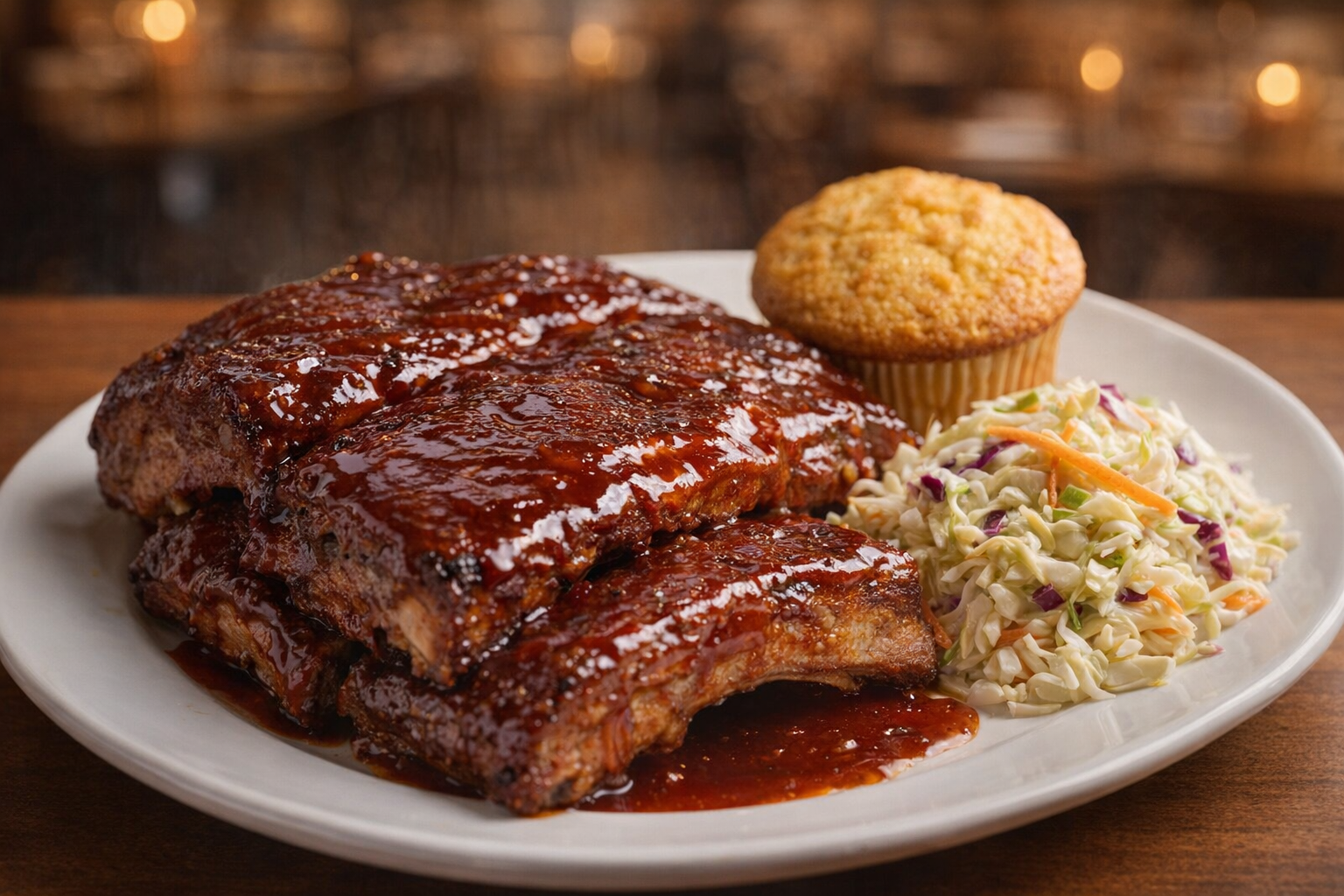
BBQ sauce is the soul of barbecue, a complex blend of sweet, savory, tangy, and spicy notes that transforms ordinary grilled meats into culinary masterpieces. Making your own BBQ sauce unlocks a world of flavor possibilities, allowing you to tailor the taste precisely to your preferences and elevate your outdoor cooking game. This guide explores the fundamentals of BBQ sauce creation, providing insights into key ingredients and techniques for crafting the perfect sauce every time.
Whether you crave the bold, smoky flavors of Texas-style BBQ, the sweet and tangy notes of Kansas City, or the mustardy punch of the Carolinas, this guide will empower you to create unforgettable BBQ experiences right in your own backyard. We'll delve into ingredient selection, cooking methods, and expert tips to ensure your homemade BBQ sauce is always a crowd-pleaser.
Understanding BBQ Sauce Styles
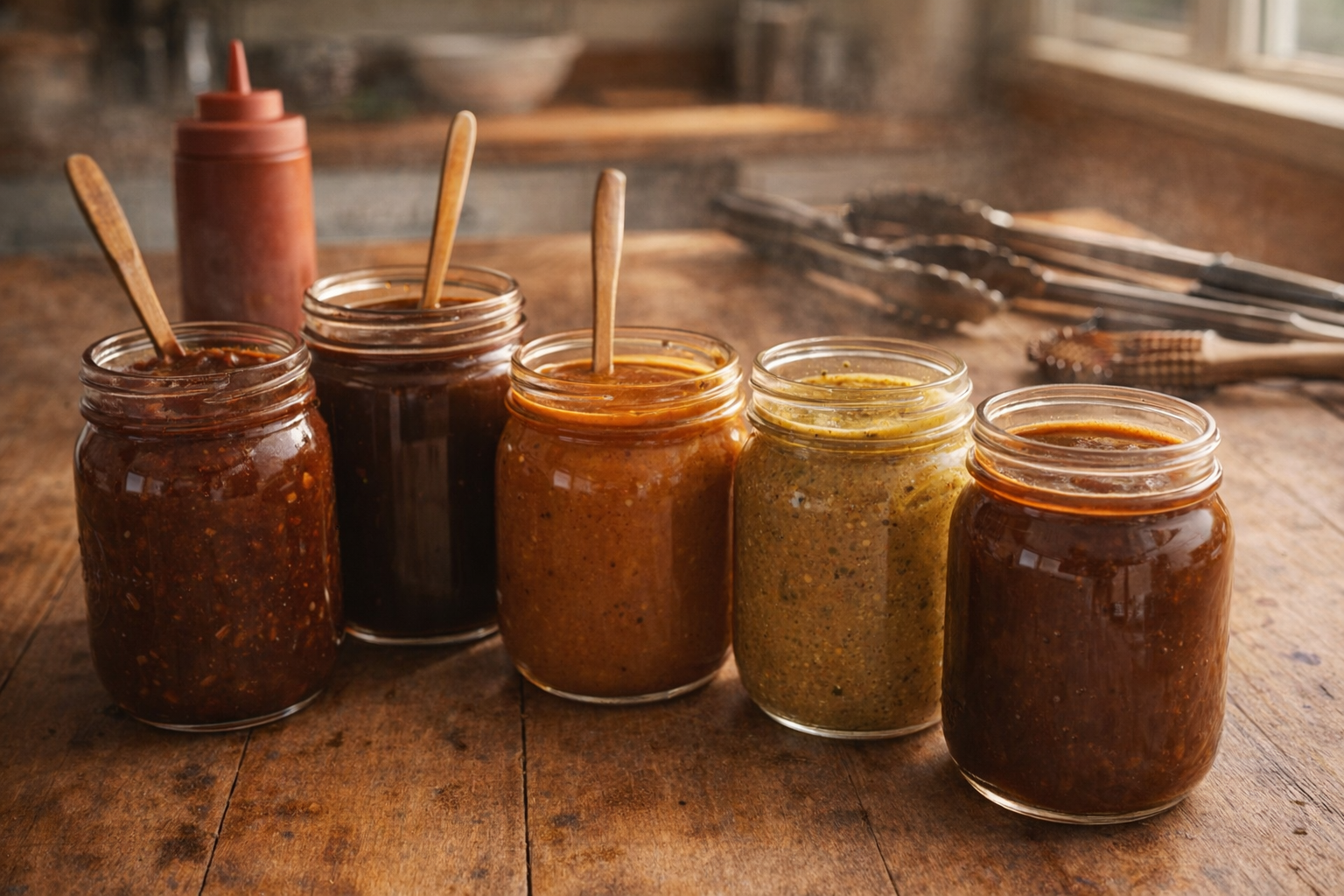
BBQ sauce isn't a one-size-fits-all condiment; it's a diverse landscape of regional variations, each with its own distinct characteristics. Understanding these styles is key to crafting a sauce that perfectly complements your chosen meats and personal preferences.
- Tomato-Based: The most common type, featuring a base of ketchup or tomato puree. Styles range from sweet Kansas City BBQ to the tangy sauces of Memphis.
- Vinegar-Based: Popular in North Carolina, these sauces are thin, tangy, and often include crushed red pepper for a spicy kick. They're ideal for pulled pork.
- Mustard-Based: A South Carolina specialty, these sauces use yellow mustard as the base, blended with vinegar, brown sugar, and spices for a unique tangy flavor.
- White Sauce: An Alabama original, this creamy sauce is made with mayonnaise, vinegar, and pepper. It's excellent on chicken.
Why Cook BBQ Sauce This Way?
- Versatility: Homemade BBQ sauce can be tailored to any meat, from ribs and chicken to pork and even vegetables.
- Flavor Control: You have complete control over the ingredients, ensuring a sauce that perfectly matches your taste preferences.
- No Additives: Avoid the preservatives and artificial flavors often found in store-bought sauces.
- Cost-Effective: Making your own BBQ sauce can be surprisingly economical compared to buying premium brands.
Preparation (Mise en Place)
The key to great BBQ sauce lies in careful preparation. Begin by gathering your ingredients and measuring them accurately. This ensures a consistent flavor profile every time you cook.
Essential Tools
- Medium Saucepan: A heavy-bottomed saucepan is essential for even heat distribution and preventing scorching.
- Whisk: Use a whisk to blend ingredients smoothly and prevent lumps.
- Measuring Cups and Spoons: Accurate measurements are crucial for consistent results.
- Immersion Blender (Optional): For a smooth, emulsified sauce, an immersion blender can be invaluable.
The Cooking Method: Classic Stovetop BBQ Sauce
This method provides a solid foundation for understanding BBQ sauce creation. Feel free to adjust the ingredients to your liking and explore different flavor combinations.
H2 Classic BBQ Sauce
Ingredients:
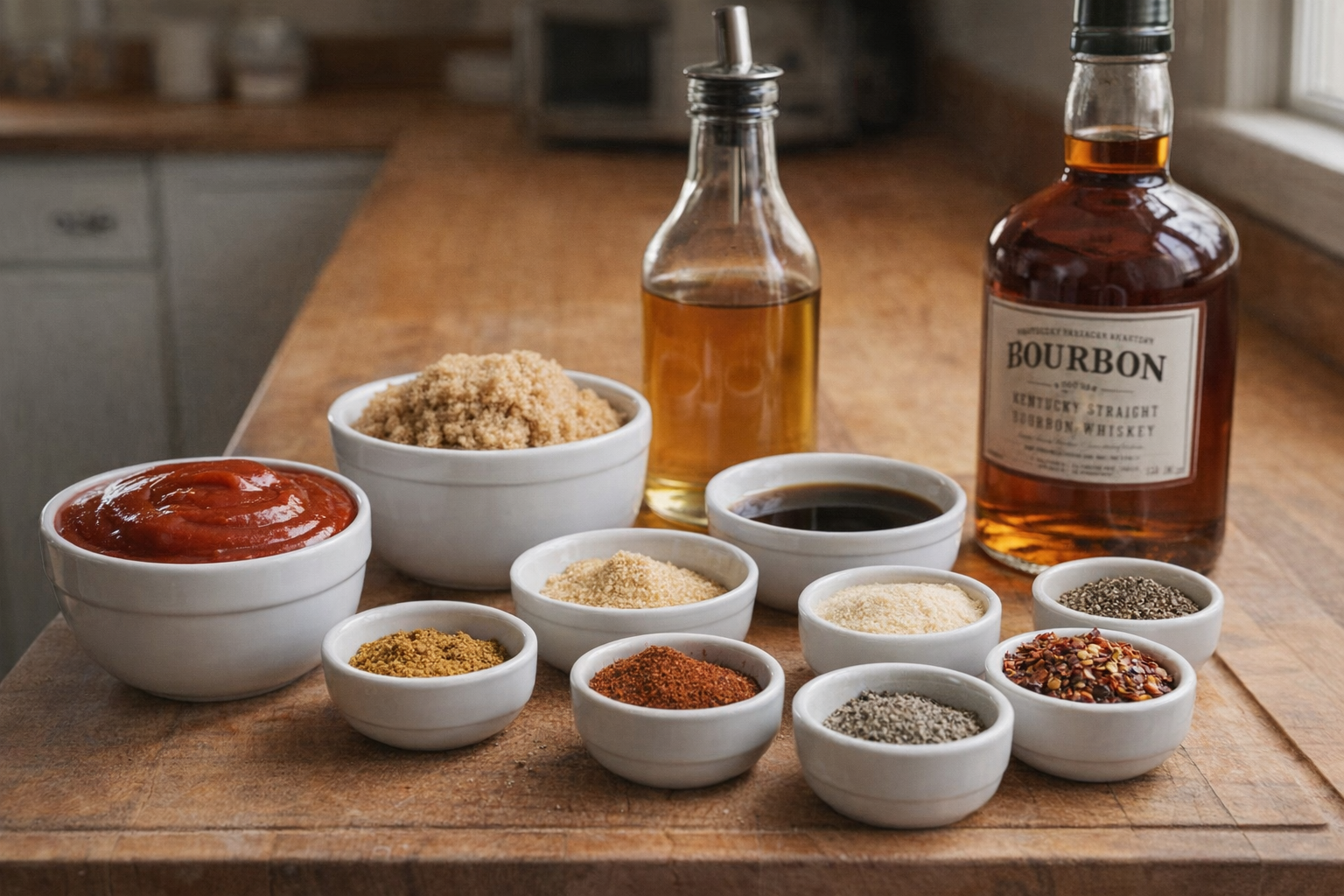
- 1 cup (240ml) Ketchup
- 1/2 cup (120ml) Apple Cider Vinegar
- 1/4 cup (60ml) Brown Sugar, packed
- 2 tablespoons Worcestershire Sauce
- 1 tablespoon Dijon Mustard
- 1 teaspoon Smoked Paprika
- 1/2 teaspoon Garlic Powder
- 1/4 teaspoon Black Pepper
- Pinch of Cayenne Pepper (optional, for heat)
- Combine Ingredients: In a medium saucepan, whisk together the ketchup, apple cider vinegar, brown sugar, Worcestershire sauce, Dijon mustard, smoked paprika, garlic powder, black pepper, and cayenne pepper (if using). Ensure the brown sugar is well incorporated to prevent clumping.
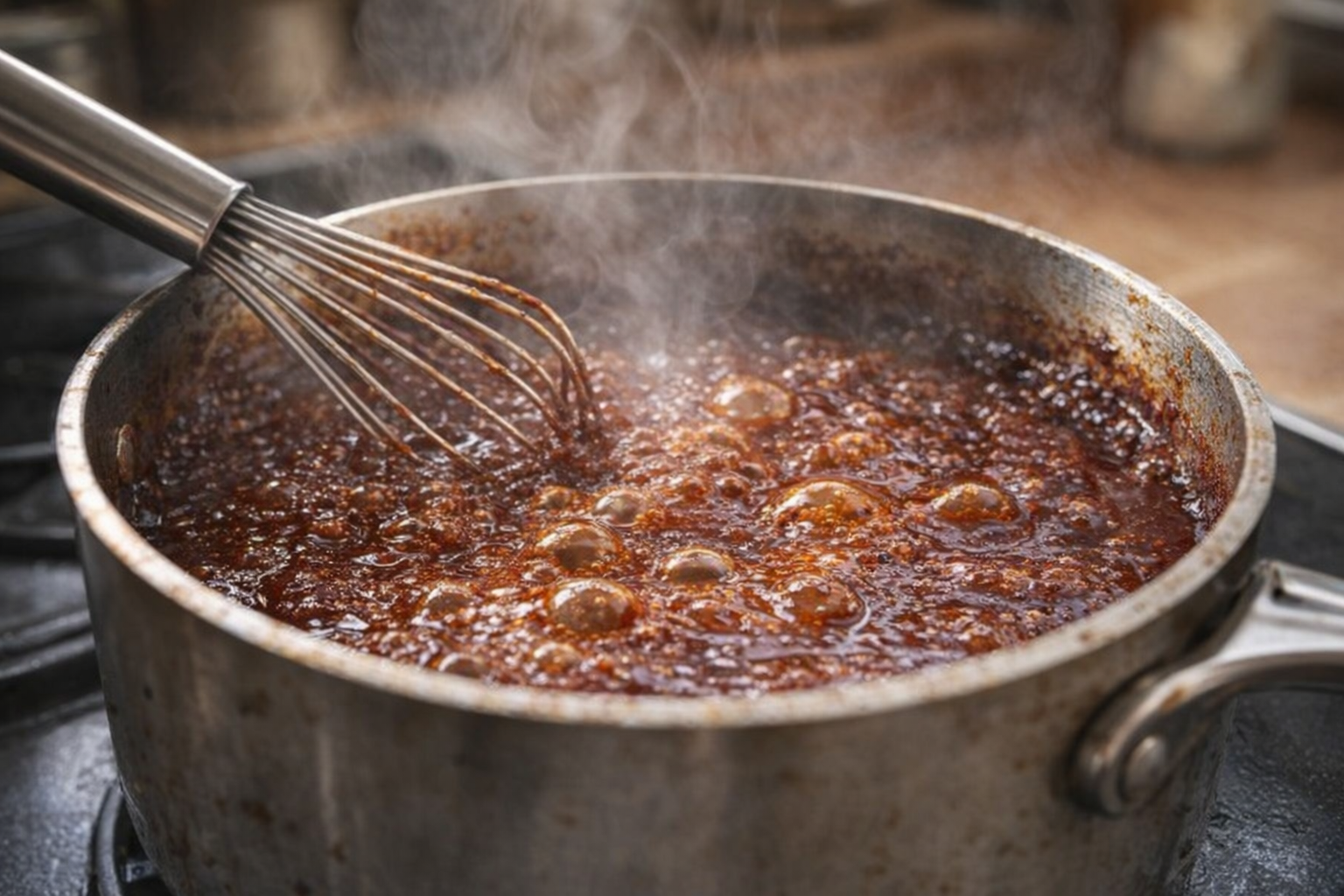
- Simmer: Place the saucepan over medium heat and bring the mixture to a gentle simmer. Reduce the heat to low and continue to simmer for 20-30 minutes, stirring occasionally to prevent sticking. As the sauce simmers, you'll notice it thickening and the flavors melding together, releasing a rich, savory aroma.
- Taste and Adjust: After simmering, taste the sauce and adjust the seasonings as needed. Add more brown sugar for sweetness, vinegar for tanginess, or cayenne pepper for heat. This is your chance to customize the sauce to your exact preferences.
- Cool and Store: Remove the saucepan from the heat and allow the sauce to cool completely before transferring it to an airtight container. The sauce will thicken further as it cools.
Cooking Time & Doneness Guide:
- Total Time: Approximately 30-40 minutes (including prep time).
- Simmer Time: 20-30 minutes. The sauce should thicken slightly and coat the back of a spoon.
Visual Cues
The sauce is done when it has a glossy sheen and a consistency similar to thick gravy. It should cling to a spoon without running off quickly.
Tips for Perfection:
- Don't Overcook: Simmering the sauce for too long can result in a thick, sticky mess. Keep a close eye on it and adjust the heat as needed.
- Use Fresh Spices: Freshly ground spices will provide a more vibrant and complex flavor than pre-ground options.
- Experiment with Flavors: Don't be afraid to experiment with different ingredients and flavor combinations. Try adding a splash of bourbon, a spoonful of honey, or a dash of hot sauce to create your own signature BBQ sauce.
- Let it Rest: Allowing the sauce to cool completely before using it will allow the flavors to fully meld and develop.
Storage & Reheating:
- Storage: Store homemade BBQ sauce in an airtight container in the refrigerator for up to 1 week.
- Reheating: Reheat the sauce gently in a saucepan over low heat, stirring occasionally. If the sauce has thickened too much, add a splash of water or vinegar to thin it out.
Serving Suggestions:
- Ribs: Brush the sauce on ribs during the last 30 minutes of grilling or smoking for a sticky, flavorful glaze.
- Chicken: Marinate chicken in the sauce for at least 30 minutes before grilling or baking.
- Pulled Pork: Toss pulled pork with the sauce for a classic BBQ sandwich filling.
- Burgers: Use the sauce as a condiment on burgers for a tangy, smoky flavor boost.
Frequently Asked Questions
Yes, you can! Molasses will add a deeper, more intense sweetness and a slightly bitter note. Start with an equal amount of molasses as the brown sugar called for, then adjust to taste, as molasses has a stronger flavor.
Homemade BBQ sauce, when stored properly in an airtight container in the refrigerator, will typically last for 1-2 weeks. For longer storage, you can freeze the sauce in freezer-safe containers for up to 2-3 months, but be aware that the texture may change slightly upon thawing.
If your BBQ sauce is too thick, you can thin it out by adding small amounts of liquid until you reach the desired consistency. Try adding water, apple cider vinegar for a tangy flavor, or even a bit of beer or broth for added depth.
Don't worry if you're missing a spice or two! You can often substitute with similar flavors. For example, smoked paprika can be used in place of chili powder for a smoky taste, or a pinch of cayenne pepper can add some heat if you're missing red pepper flakes.