 delishing
How to Bake Eggs in the Oven: A Culinary Guide

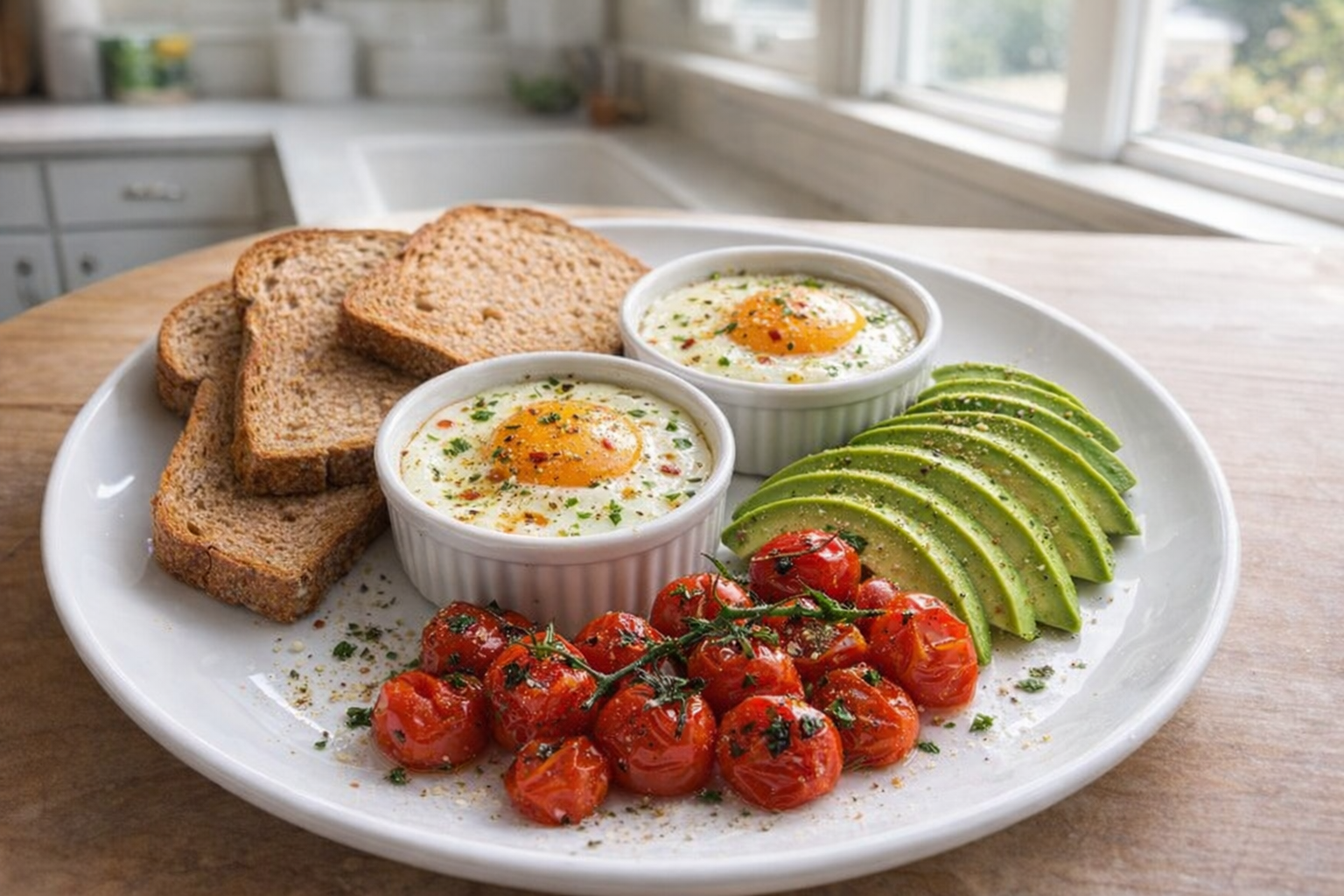
Baking eggs in the oven offers a gentle, even cooking method that results in tender, creamy eggs perfect for a simple breakfast or an elegant brunch. This technique allows for hands-free cooking and is ideal for preparing multiple servings at once. The oven's consistent heat ensures the eggs cook uniformly, preventing rubbery textures and preserving their delicate flavor.
This comprehensive guide will walk you through the steps to achieve perfectly baked eggs every time, whether you prefer them soft and runny or firm and fully set. We’ll explore various methods, from individual ramekins to baking dishes, along with tips and tricks to customize your baked eggs with your favorite flavors.

Understanding Eggs
Eggs are the foundation of this dish, and understanding their quality is crucial. Look for Grade A or AA eggs for the best flavor and texture. Brown or white eggs both work equally well, the color simply depends on the breed of the hen. Free-range or pasture-raised eggs often have richer yolks and a more pronounced flavor due to the hens' diet. Always check the expiration date to ensure freshness. For optimal baking results, avoid using eggs straight from the refrigerator; allowing them to come to room temperature slightly will promote more even cooking.
Why Cook Eggs This Way?
- Versatility: Baked eggs are a blank canvas, easily customized with cheeses, vegetables, meats, and herbs.
- Flavor: The gentle oven heat enhances the natural richness of the eggs, resulting in a creamy, satisfying taste.
- Convenience: This method is hands-free, allowing you to prepare other parts of your meal while the eggs bake.
Preparation (Mise en Place)
- Preheat Oven: Preheat your oven to 350°F (175°C). Ensure your oven rack is positioned in the center for even heat distribution.
- Prepare Baking Vessel: Choose your preferred baking vessel: ramekins, a muffin tin, or a baking dish. For ramekins and muffin tins, lightly grease each cup or dish with butter or cooking spray to prevent sticking. For a baking dish, evenly coat the bottom and sides with the same.
- Gather Ingredients: Have your eggs, salt, pepper, and desired toppings readily available. Chop any vegetables or meats you plan to add.
Essential Tools
- Ramekins or Muffin Tin: Ramekins are ideal for individual servings, while muffin tins provide perfectly portioned egg cups. Both ensure even cooking and easy serving.
- Baking Dish: A shallow baking dish is perfect for baking multiple eggs together, offering a communal serving option.
- Oven Mitts: Essential for safely handling hot dishes.
- Whisk (for scrambled eggs): To ensure an even consistency and texture.
The Cooking Method(s)
Method 1: Baking Eggs in Ramekins
Ingredients:
- Eggs: 1-2 per ramekin
- Salt: Pinch, to taste
- Pepper: Pinch, to taste
- Butter or Cooking Spray: For greasing
- Optional Toppings: Shredded cheese, chopped herbs, cooked bacon, vegetables (e.g., spinach, mushrooms, tomatoes)
- Preheat and Prepare: Preheat your oven to 350°F (175°C). Grease the ramekins thoroughly.
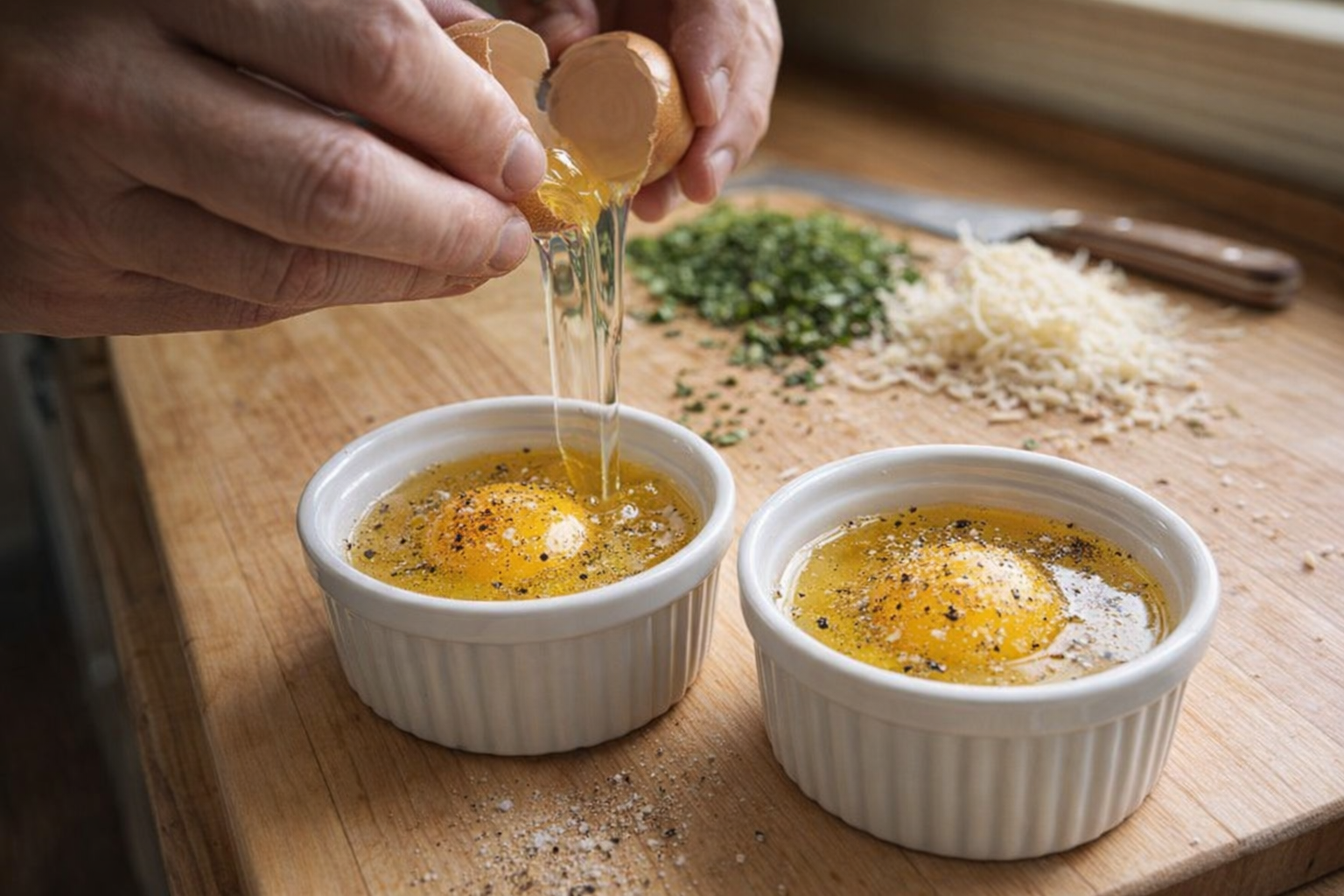
- Crack Eggs: Gently crack one or two eggs into each ramekin, being careful not to break the yolks.
- Season: Sprinkle salt and pepper over the eggs. Add any desired toppings such as cheese, herbs, or cooked vegetables.
- Bake: Place the ramekins on a baking sheet and bake for 12-15 minutes, or until the egg whites are set but the yolks are still runny (adjust the baking time based on your preference for yolk firmness). As they bake, listen for a gentle sizzle and watch for the whites to turn opaque.
- Cool and Serve: Remove the ramekins from the oven using oven mitts. Let them cool slightly before serving.
Method 2: Baking Eggs in a Baking Dish (Casserole Style)
Ingredients:
- Eggs: 6-12 (depending on the size of the dish)
- Salt: 1/2 teaspoon
- Pepper: 1/4 teaspoon
- Milk or Cream: 1/4 cup (optional, for a creamier texture)
- Butter or Cooking Spray: For greasing
- Optional Toppings: Shredded cheese, chopped herbs, cooked sausage or bacon, diced vegetables (e.g., onions, peppers, spinach)
- Preheat and Prepare: Preheat your oven to 350°F (175°C). Grease the baking dish.
- Whisk Eggs (Optional): For scrambled style, whisk the eggs, salt, pepper, and milk or cream (if using) together in a bowl. Pour the mixture into the greased baking dish. Otherwise, crack the eggs carefully into the dish.
- Add Toppings: Sprinkle your desired toppings evenly over the eggs.
- Bake: Bake for 15-25 minutes, depending on the size of the dish and the desired level of doneness. The eggs are done when the whites are set and the yolks are cooked to your liking. Listen for the mixture to bubble slightly around the edges, and observe the eggs firming up.
- Cool and Serve: Remove the dish from the oven using oven mitts. Let it cool slightly before serving.
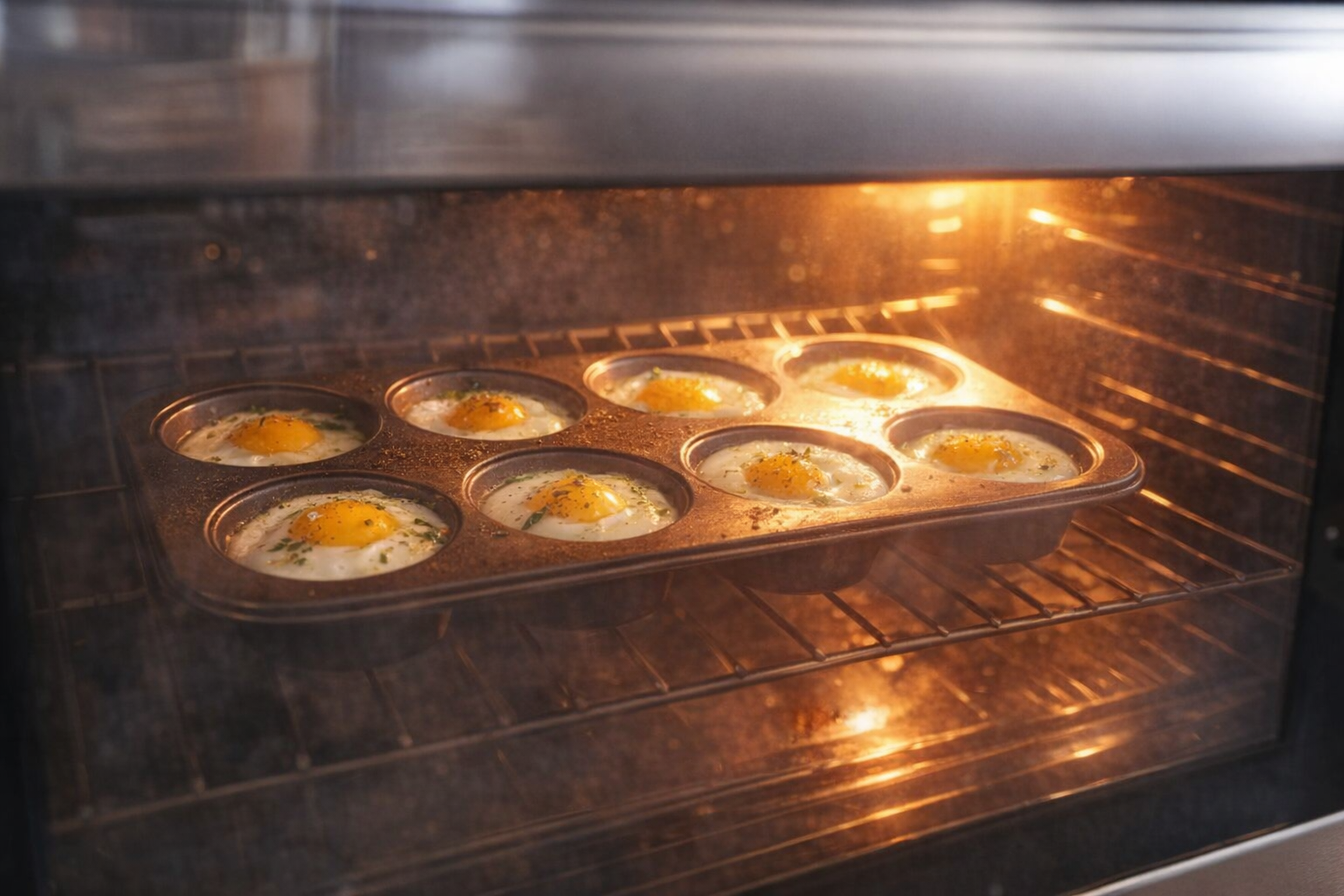
Cooking Time & Doneness Guide:
- Soft and Runny Yolks: 12-13 minutes at 350°F (175°C). The internal temperature of the egg white should reach 160°F (71°C).
- Medium-Set Yolks: 14-15 minutes at 350°F (175°C).
- Fully Cooked Yolks: 16-18 minutes at 350°F (175°C).
Visual Cues
- The egg whites should be fully opaque and set, with no visible liquid.
- The yolks should jiggle slightly when gently shaken for runny yolks.
Tips for Perfection:
- Avoid Overcrowding: If using ramekins or a muffin tin, ensure there is enough space between each egg to allow for even cooking.
- Use Fresh Eggs: Fresh eggs hold their shape better and yield better results.
- Don't Overcook: Overcooked eggs can become rubbery. Start checking a few minutes before the recommended baking time.
- Customize Your Eggs: Experiment with different ingredients such as spinach, tomatoes, onions, or herbs to suit your taste.
Storage & Reheating:
- Storage: Allow baked eggs to cool completely before storing. Place them in an airtight container in the refrigerator for up to 3-4 days.
- Reheating: Reheat baked eggs in the oven at 350°F (175°C) for 5-10 minutes, or in the microwave in 30-second intervals until heated through. Microwaving may affect the texture slightly.
Serving Suggestions:
- With Toast: Serve your baked eggs on top of buttered toast or avocado toast. The toast acts as a perfect vessel to scoop up the runny yolk.
- In a Salad: Add baked eggs to a fresh green salad for extra protein.
- With Roasted Vegetables: Serve baked eggs alongside roasted vegetables like bell peppers, zucchini, or sweet potatoes.
💡 Pro Tips
- Preheat your oven to 350°F (175°C) to ensure the heat is consistent enough to set the whites while keeping the yolks tender.
- Generously grease your ramekins with butter or oil to prevent the eggs from sticking and to add a subtle richness to the edges.
- For a silkier texture, place your baking dishes in a water bath to insulate the eggs from direct heat and prevent them from becoming rubbery.
- Monitor the eggs closely during the final minutes of baking, as they will continue to firm up slightly after being removed from the oven.
- Season the eggs with salt and pepper immediately after cracking them into the dish to ensure the flavor is evenly distributed throughout the bake.
Frequently Asked Questions
While 350°F (175°C) is recommended, you can adjust the temperature slightly. Lowering the temperature to 325°F (163°C) and increasing the cooking time will result in even creamier eggs, while a slightly higher temperature will cook them faster but may make them less tender.
Besides greasing, try lining the ramekins with a small piece of parchment paper. Cut the parchment into circles slightly larger than the base of the ramekin, press them into the bottom, and then grease the paper before adding the eggs to ensure easy removal.
It's best to bake the eggs immediately after preparing them for optimal texture. If you must prep ahead, you can chop your vegetables and have your ramekins ready, but avoid cracking the eggs until just before baking to prevent them from becoming watery.
The cooking time depends on your desired doneness. For runny yolks, start checking around 25 minutes; the whites should be set but the yolks still jiggly. For firmer eggs, bake for the full 30 minutes or longer, until the yolks are mostly set but still slightly soft.