A Journey Through Jambalaya's History Jambalaya's roots are steeped in Southern history, mirroring Louisiana's cultural blend. It emerged as a New World…
Delishing
Chicken Sausage Jambalaya

Maya Brooks
Maya Brooks is a dedicated home cook and the lead recipe developer at Delishing, where she shares practical, foolproof meals for everyday life. With over a decade of hands-on kitchen experience, she specializes in creating approachable dishes that fit a variety of dietary needs and modern cooking methods. Maya is passionate about helping busy people get delicious, stress-free food on the table without needing formal culinary training.
My Love for Jambalaya
As a proud New Orleans native, jambalaya isn't just a dish—it's part of my DNA. Growing up, family gatherings meant a huge pot of this soul-hugging goodness. My standards for this staple are sky-high, and it was quite a jolt when I realized not every plate served up that same explosion of flavors I cherished.
Flashback to my first solo jambalaya attempt—let's just say it didn't leave the pot in quite the edible condition I envisioned. But that experience taught me to embrace imperfection in cooking. Now, my jambalaya exceeds expectations, delivering spoonfuls of smoky, spicy bliss.
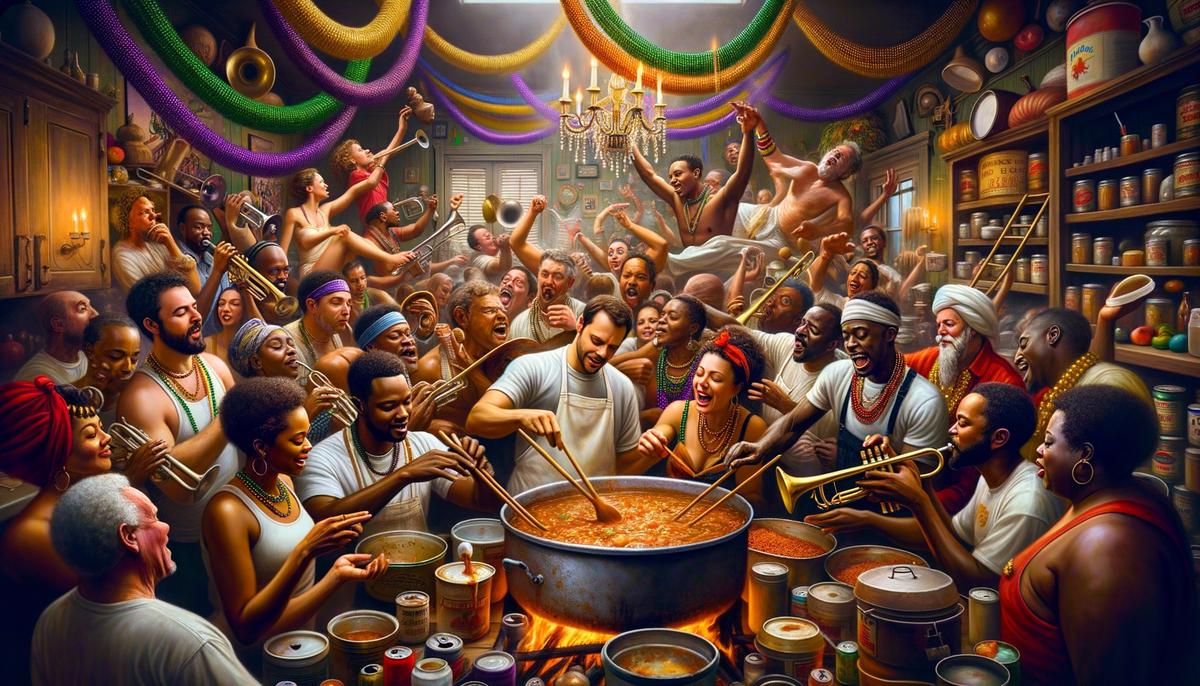
This dish triggers memories of spontaneous kitchen gatherings during Mardi Gras, where laughter, music, and stories filled the air. These moments spring to life each time I start chopping greens and garlic, anticipating that first waft of sautéing sausage.
If you're on this jambalaya quest alongside me, embrace your high standards. Feel that connection to the roots of its flavors as you stir—each spoonful a reminder of the warmth that fills a home when people gather to dig in. It's more than food. It's a legacy of flavors, passed down with love.
Cultural and Historical Background
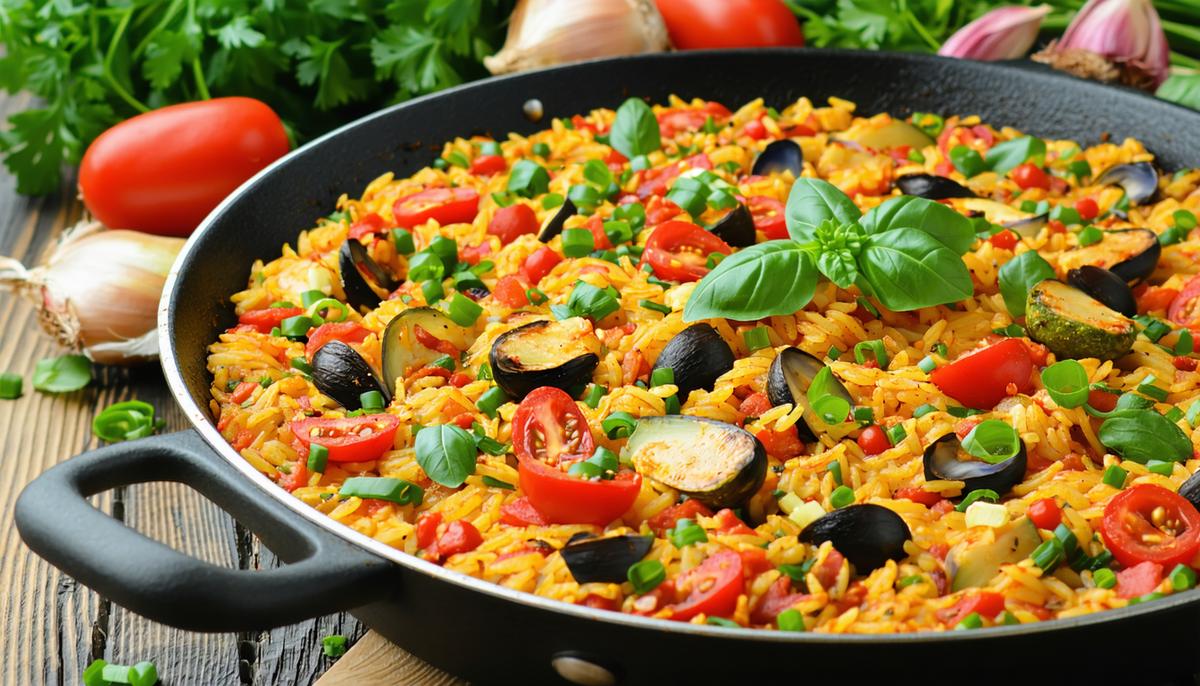
Jambalaya is steeped in history, much like the winding streets of New Orleans. This flavorful one-pot wonder showcases the rich mix of cultural influences that have shaped Louisiana cuisine. Its lineage traces back to West Africa's jollof rice, picking up Spanish paella techniques along the way.
In Louisiana, jambalaya found its identity, blending French, Spanish, African, and Native American cooking traditions. The dish's development in New Orleans showcases a culinary crossroads like no other.
Jambalaya comes in two celebrated versions: Cajun and Creole. Both honor the "holy trinity" of onions, bell peppers, and celery, but differ in one key way—tomatoes. Creole jambalaya, dubbed "red jambalaya," incorporates tomatoes for a stew-like consistency. Its Cajun counterpart skips the tomatoes for a brown, rice-rich dish focused on hearty flavors from stock and meats.
Each version brings a unique flavor profile to the table, embodying the diverse influences that have shaped Louisiana's culinary signature. Preparing jambalaya is a delicious way to pay homage to its rich history, whether you're a purist or an adventurous cook.

Essential Ingredients and Substitutions
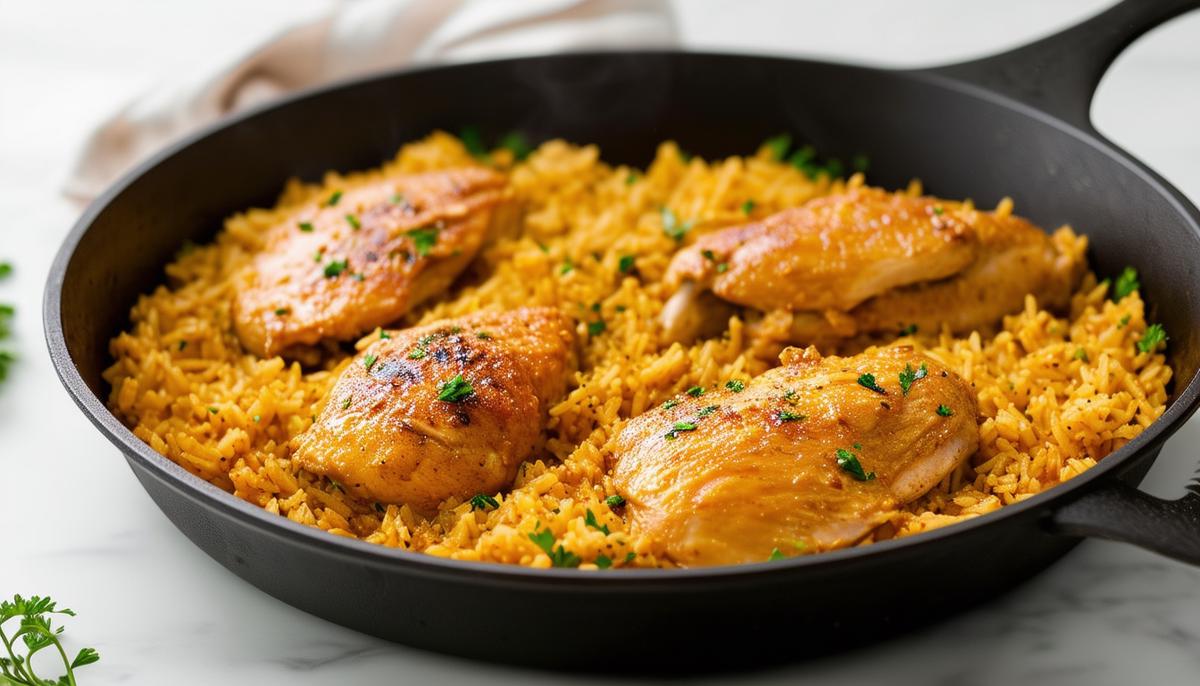
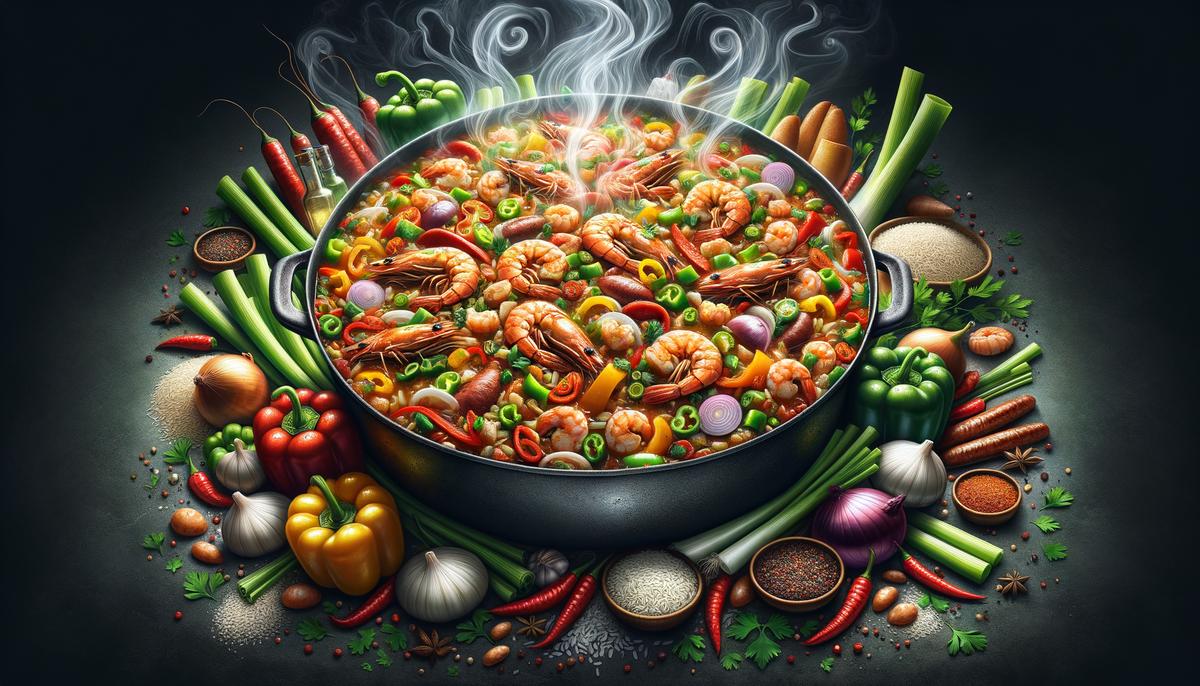
When crafting chicken and sausage jambalaya, each component plays a critical role in bringing the dish to life.
The Holy Trinity: Onions, Bell Peppers, and Celery
This trio provides a flavorful base that harmonizes with other ingredients.
Chicken Thighs
Boneless, skinless chicken thighs bring richness and stay juicy as they cook. Chicken breasts work too, but watch them closely to prevent drying out.
Smoked Sausage
Andouille is popular for its spicy, smoky bite, but feel free to explore other options like beef, turkey, or plant-based alternatives.
Cajun Seasoning
Store-bought varieties like Tony Chachere's or Slap Ya Mama add depth and authentic Louisiana flavor. For those watching sodium, try low-sodium versions or make your own mix.
Converted Rice
Also known as parboiled rice, it holds its texture better through cooking, giving the dish its characteristic hearty bite.
Tomato Paste
It infuses color and provides an umami kick that enhances overall depth.
Chicken Stock
This ties everything together, letting flavors mingle. Opt for low-sodium stock to control seasoning, or switch to vegetable stock for a lighter version.
Jambalaya is flexible enough to cater to your preferences while still delivering that unforgettable taste. Can't do chicken? Swap it for turkey or keep it meat-free with your favorite plant protein. For a smoked sausage alternative, try spicy Italian sausage or kielbasa.
Pro Tips and Tricks
Getting the best out of your jambalaya is like coaxing magic from a humble pot. Here are some tricks I've learned over the years:
Browning your meats is crucial. Start with a good, high-smoke point oil in a hot Dutch oven. Let the sausage and chicken sear without immediately stirring. That golden crust seals in flavor and gives the dish vivid color.
Choosing the right rice is vital. Converted rice is my go-to because it doesn't get mushy, no matter how long you cook it.
Spice levels need a personal touch. If you enjoy heat, consider a pinch of cayenne or a dash of hot sauce. Keep tasting as you go along.
Stock enriches the jambalaya. I lean toward low-sodium chicken stock so I control the saltiness. You can mix things up with shrimp or beef stock for added depth.
Now, let's talk hidden flavor enhancers: Worcestershire sauce and tomato paste. A splash of Worcestershire sauce injects umami richness. Even in Cajun-style jambalaya, a small spoonful of tomato paste helps marry all the spices and meat.
These touches might not always be in the spotlight, but their presence is felt in every bite, transforming a good jambalaya into an unforgettable rendition.

Storing and Re-heating Jambalaya
Preserving leftover jambalaya is easier than you'd think. Here's my approach to keeping and reheating this beloved dish without losing its magic.
For refrigerating, let the jambalaya cool to room temperature, then scoop it into an airtight container. This cuts down on air exposure, locking in flavor. It'll keep in the fridge for about three to four days.
Freezing is also an option. Divide the jambalaya into serving-size portions and place them in airtight freezer bags. I wrap each portion in foil before freezing flat on a baking sheet. Once frozen solid, stack them up to save space. Stored this way, jambalaya is good for up to three months.
When reheating, proper technique keeps both texture and taste on point. If frozen, thaw in the fridge overnight. Add a splash of broth to the pot and gently warm over medium heat, stirring occasionally. This trick infuses just enough moisture, reviving the dish without turning the rice mushy.
For a quick fix, use the microwave. Place the jambalaya in a microwave-safe dish, cover loosely with a wet paper towel, and heat in intervals, stirring between. Watch it closely so the rice doesn't dry out.
Enjoy how the flavors open up, filling your kitchen with that warm, welcoming aroma. It's like embracing a bit of New Orleans in every bite, anytime you're ready.
Jambalaya Serving Suggestions
While jambalaya shines on its own, pairing it with perfect accompaniments can elevate your dining experience.
Cornbread is a classic choice. Its slightly sweet and crumbly nature complements jambalaya beautifully, soaking up the savory juices just right.
A crisp green salad with a light vinaigrette brings refreshing balance to your plate. The freshness cuts through the richness of the jambalaya, adding a nice contrast.
Feeling indulgent? Serve your jambalaya with buttery garlic bread. It's perfect for scooping every bit of goodness from your bowl.
For toppings, sliced green onions are a classic choice, giving each bite an extra punch of freshness. A dash of hot sauce never hurts if you're one for a fiery kick.
To make it even more special, freshly chopped parsley or cilantro can add color, aroma, and an extra layer of taste to your dish.
Experiment with these sides and garnishes to enhance the pleasure of every spoonful. Sharing this meal with loved ones makes it taste even better.
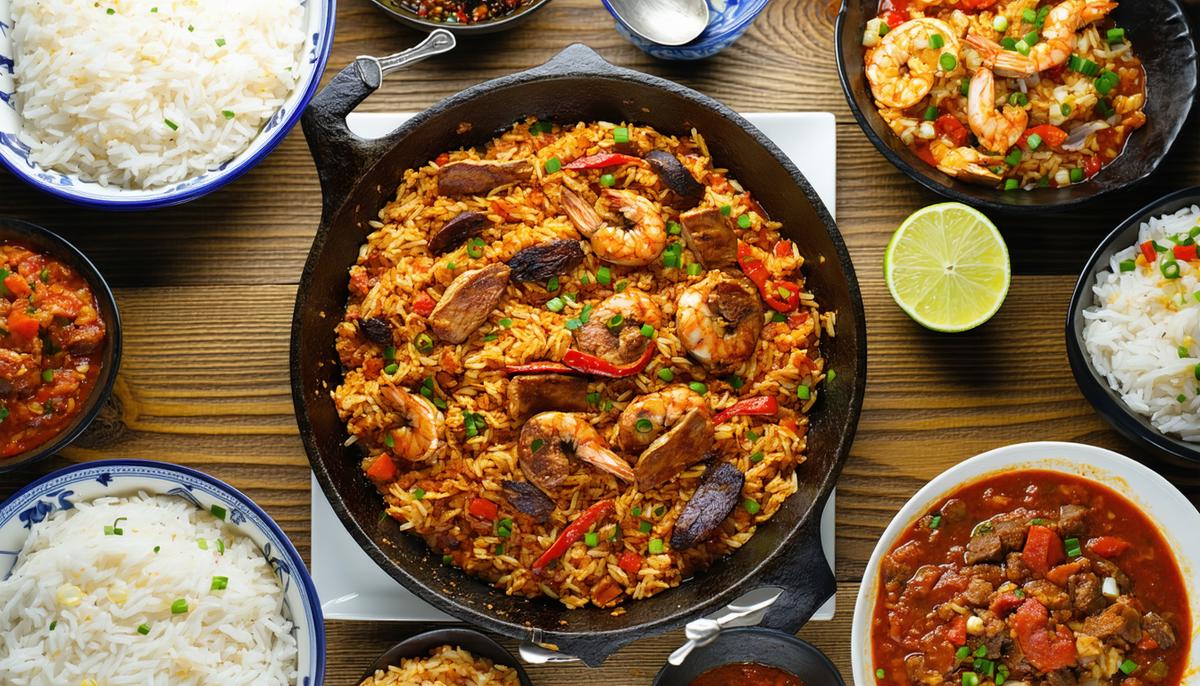
Recipe: Cajun Chicken and Sausage Jambalaya
Ingredients:
- 3 tablespoons avocado oil
- 12 oz. smoked beef sausage, sliced
- 1 medium onion, chopped
- 1 bell pepper, chopped
- 3 stalks celery, chopped
- 4 tablespoons Savory Cajun Seasoning
- 3 cloves garlic, chopped fine
- 1 teaspoon dry thyme
- 2 bay leaves
- 2 cups converted brown rice
- 2 tablespoons tomato paste
- 1 tablespoon Worcestershire sauce
- 4 boneless skinless chicken thighs, chopped medium
- 4 cups unsalted chicken stock
- 1 bunch chopped green onions
Instructions:
- Heat a 5 qt. Dutch oven over medium-high heat. Add avocado oil.
- Add sausage slices and cook for 3-5 minutes until slightly brown and crispy. Remove sausage with a slotted spoon and set aside.
- Add chopped onion, bell pepper, and celery to the pot. Add 1 teaspoon of Cajun seasoning. Cook for about 3 minutes until tender.
- Stir in chopped garlic, thyme, bay leaves, and 1 tablespoon of Cajun seasoning. Cook for 30 seconds.
- Add converted brown rice, Worcestershire sauce, tomato paste, and remaining Cajun seasoning. Ensure rice is well-coated with the tomato paste.
- Return cooked sausage to the pot. Add chicken thigh pieces and 4 cups of unsalted chicken stock. Stir to combine.
- Bring to a boil, then cover with a lid and reduce heat to low. Cook for 25-30 minutes until rice is tender.
- Stir in half of the chopped green onions. Remove bay leaves.
- Serve hot, garnished with remaining green onions.
Nutritional information (per serving):
kcal: 485
carbohydrates: 45g
protein: 28g
fat: 24g
saturated fat: 7g
cholesterol: 85mg
sodium: 890mg
fiber: 3g
sugar: 3g
- Folse J. The Encyclopedia of Cajun & Creole Cuisine. Chef John Folse & Company Publishing; 2004.
- Bienvenu M, Brasseaux CF, Brasseaux R. Stir the Pot: The History of Cajun Cuisine. Hippocrene Books; 2005.
- Tucker S. New Orleans Cuisine: Fourteen Signature Dishes and Their Histories. University Press of Mississippi; 2009.