The Art of Roasting Veggies Roasting vegetables is a game-changer in the kitchen. It's easy, versatile, and can turn even the veggie-haters into fans. Pop…
Delishing
Best Way to Cook Yellow Squash

Maya Brooks
Maya Brooks is a dedicated home cook and the lead recipe developer at Delishing, where she shares practical, foolproof meals for everyday life. With over a decade of hands-on kitchen experience, she specializes in creating approachable dishes that fit a variety of dietary needs and modern cooking methods. Maya is passionate about helping busy people get delicious, stress-free food on the table without needing formal culinary training.
Yellow squash is one of those vegetables that looks easy, then turns watery and a little sad the second it hits heat. I have done the “pile of pale, steamed coins” more times than I want to admit. The fix is simple: dry the surface, then give it a hot skillet so it actually browns.
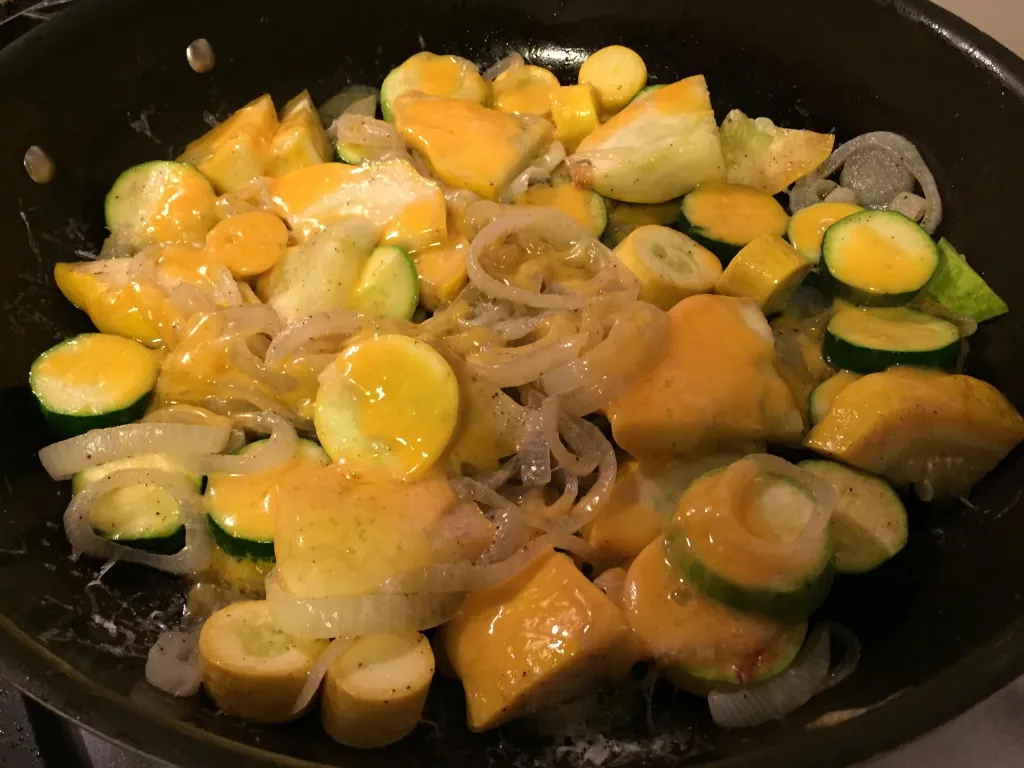
The best method: hot skillet sauté
This is my go-to because it is fast, uses one pan, and gives you the best flavor payoff. The key is treating yellow squash like it is high-moisture (because it is).
What you’ll need
- Yellow summer squash (2 medium is a great starting point)
- Kosher salt
- Olive oil
- Garlic (fresh minced or very thinly sliced)
- Optional: black pepper, lemon, parmesan, basil
Step-by-step (with the why)
- Slice: Cut squash into 1/4-inch to 1/3-inch rounds, or into half-moons if the squash is large. Thicker slices brown better and do not collapse as quickly.
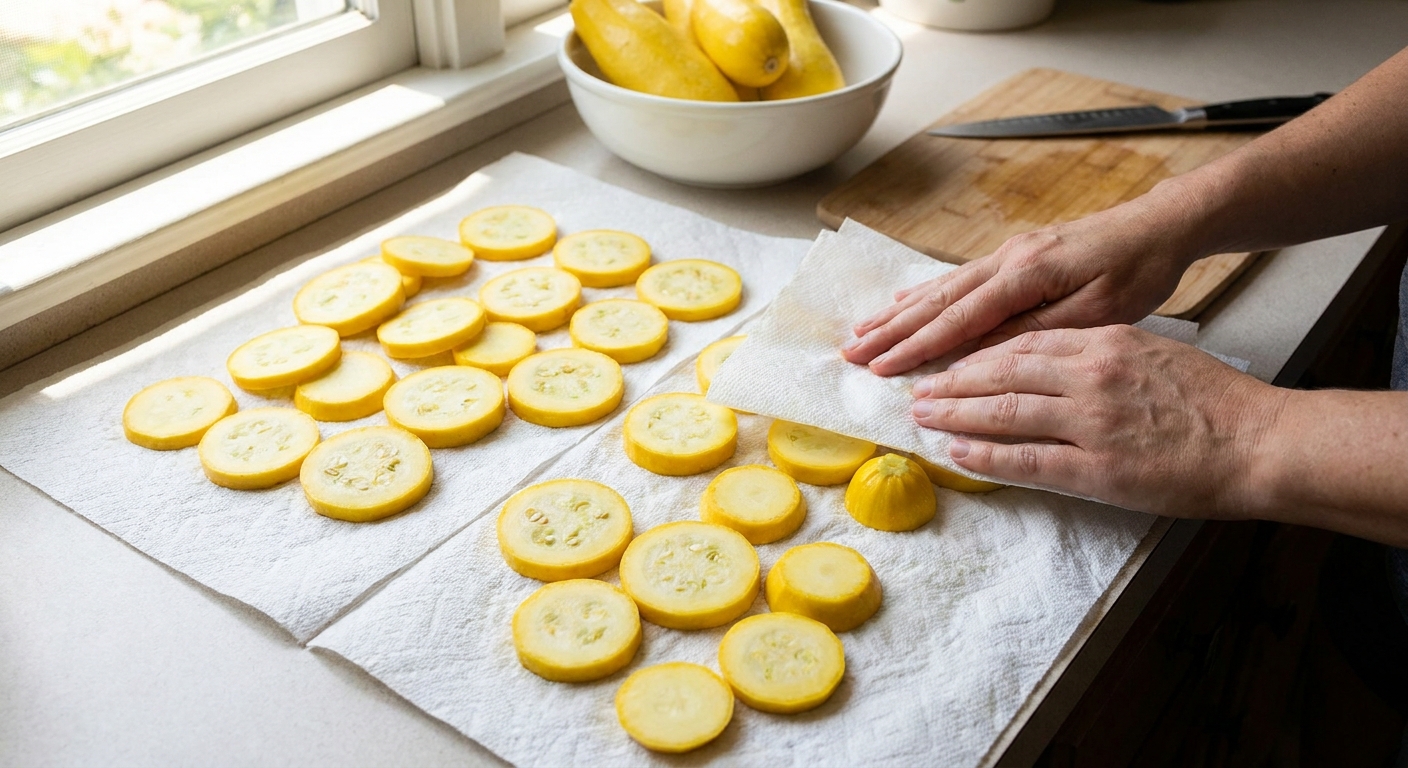
- Salt, then dry the surface: Lay slices on a clean towel or paper towels. Sprinkle lightly with salt and let sit 10 minutes. Blot really well. This pulls moisture to the surface so you can wipe it away instead of steaming it in the pan.
- Heat the skillet: Set a large skillet (cast iron or stainless is ideal) over medium-high heat for 2 minutes. Add 1 to 2 tablespoons olive oil and swirl.
- Sauté in a single layer: Add squash in one layer. If you crowd it, it will steam. Cook 3 to 4 minutes without moving much, until the bottoms are browned.
- Flip and finish: Flip and cook another 2 to 3 minutes until browned in spots and tender-crisp.
- Add garlic at the end: Add garlic in the last 30 to 60 seconds so it turns fragrant but does not burn. Toss, taste, and add a final pinch of salt if needed.
Doneness cue (the one I actually use)
You’re done when a fork slides into the thickest piece with slight resistance, and the edges look glossy and lightly browned, not gray-green and wet. If liquid pools in the pan, your heat is too low or the pan is crowded.
Simple finish: salt, garlic, and olive oil
If you want the simplest, most reliable flavor combo, this is it. Here’s the ratio I use for everyday dinners:
- 2 medium yellow squash, sliced and dried
- 1 to 2 tablespoons olive oil
- 1 small garlic clove, minced (or 2 if you love garlic)
- 1/4 teaspoon kosher salt to start, then adjust
Finish with a tiny drizzle of olive oil off-heat if you want it extra silky, especially if you are serving it alongside lean proteins.
Variations (including sheet-pan roasting)
Sheet-pan roasted yellow squash (more hands-off)
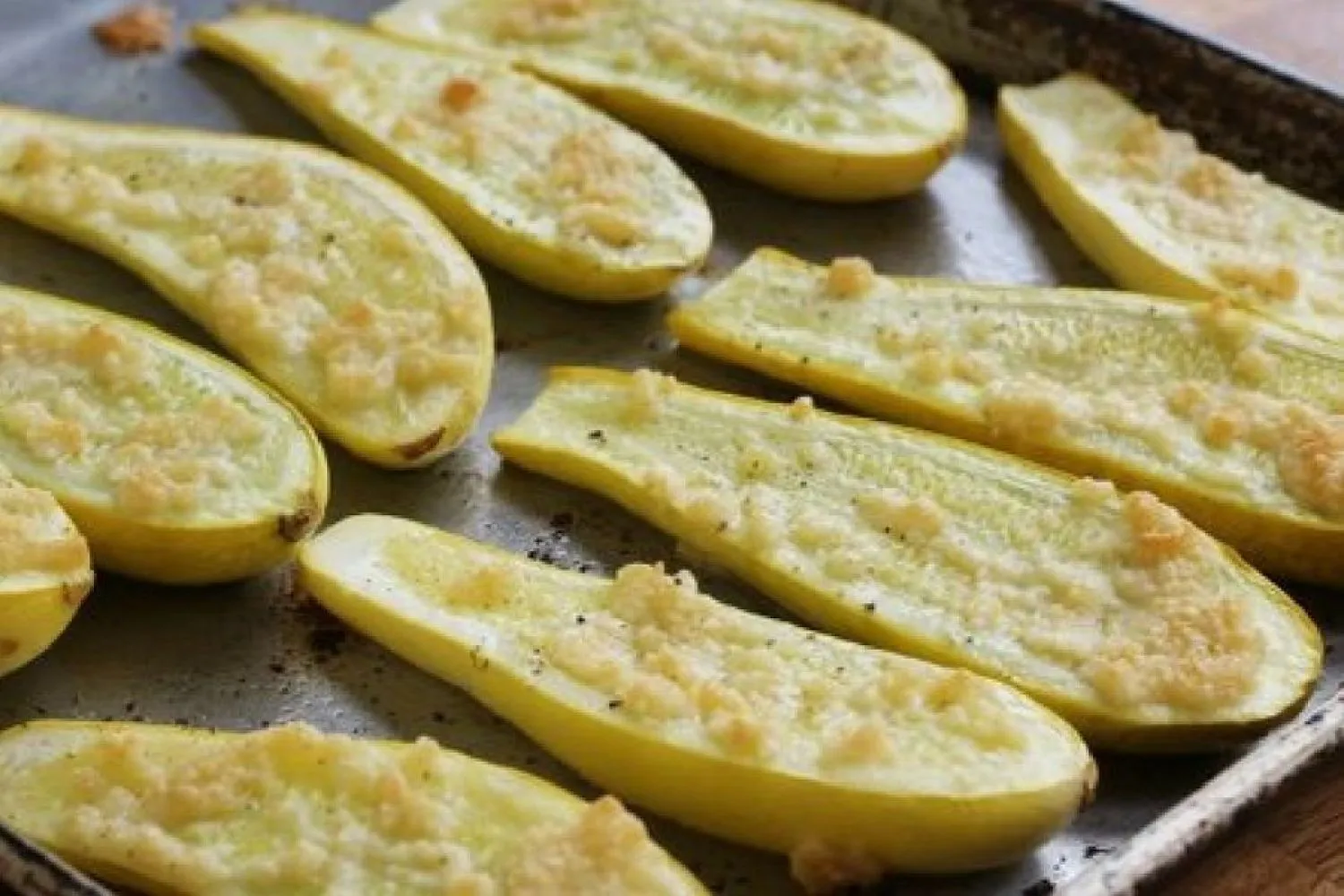
Roasting is great when you are already using the oven or making a bigger meal. It is slightly less browned than skillet sauté unless you give it plenty of space, but it is easy.
- Heat oven to 425°F.
- Slice squash into 1/2-inch thick rounds or spears.
- Blot dry. (If you have time, do the 10-minute salt-and-blot step. It helps.)
- Toss with olive oil, salt, and minced garlic. For garlic, I prefer adding it halfway through roasting so it does not burn.
- Spread on a sheet pan in a single layer.
- Roast 14 to 18 minutes, flipping once, until browned at the edges and tender.
Roast doneness cue: the pieces should look lightly wrinkled at the edges, with golden spots where they touched the pan.
Quick add-ins (choose one)
- Lemon and pepper: finish with lemon zest and a squeeze of juice.
- Parmesan: toss with finely grated parmesan off-heat so it melts into the hot squash.
- Italian vibes: add basil or parsley and a spoonful of marinara on the side. If you need a saucey dinner idea, pair it with something like Chicken Parmesan Marinara.
- Spicy: a pinch of red pepper flakes with the garlic.
Mistakes that make yellow squash watery
- Skipping the blot: surface moisture is the enemy of browning.
- Crowding the pan: steam builds fast. Cook in two batches if needed.
- Heat too low: medium-high is your friend for the first few minutes.
- Stirring constantly: let it sit so it can brown.
- Adding garlic too early: burnt garlic will make the whole pan taste bitter.
What to serve with yellow squash
Yellow squash is a natural side for simple proteins and one-pan dinners. A few easy pairings from Delishing:
- Garlic Butter Ribeye Steak (the squash soaks up the pan flavors beautifully)
- Pan-Seared Salmon and Asparagus (add the squash as an extra veggie side)
- One-Pot Garlic Parmesan Orzo (turns it into a full comfort-food plate)
FAQ
Do you peel yellow squash before cooking?
Nope. The skin is thin and tender, and it helps the slices hold their shape. Just wash and dry it well.
How do you keep yellow squash from getting mushy?
Cut it a little thicker, dry it well, cook it hot, and stop when it is tender-crisp. If you cook until it is fully soft, it goes from perfect to mush in about a minute.
Can I cook yellow squash ahead of time?
You can, but it is best right after browning. If you need to prep, slice and do the salt-and-blot step ahead, then cook right before serving. Leftovers are great chopped into eggs, tossed into pasta, or stirred into soup.