Cultural Significance and Personal Anecdotes Beef tacos with pico de gallo were the heart of my family gatherings growing up. The kitchen would transform…
Delishing
Beef Enchiladas with Red Sauce

Maya Brooks
Maya Brooks is a dedicated home cook and the lead recipe developer at Delishing, where she shares practical, foolproof meals for everyday life. With over a decade of hands-on kitchen experience, she specializes in creating approachable dishes that fit a variety of dietary needs and modern cooking methods. Maya is passionate about helping busy people get delicious, stress-free food on the table without needing formal culinary training.
Anecdote and Background of Beef Enchiladas
My love affair with beef enchiladas began in a cozy neighborhood taqueria. The aroma of spices and cooked tortillas filled the air as I dragged my kids there one Saturday afternoon. With each bite, the stress of daily life melted away, replaced by the warm embrace of comfort food.
Enchiladas, a cornerstone of Mexican cuisine, trace their origins back to the Aztecs, who wrapped maize tortillas around small fish. These humble beginnings evolved into the diverse and flavorful variations we enjoy today.
In Mexican homes, enchiladas embody tradition and celebration. They're the dish served at family gatherings or when you need a festive touch on an ordinary weekday. The magic lies in balancing flavors—a rich, earthy red sauce perfectly contrasts with hearty beef.
So there I was, elbow-deep in shredded cheese and homemade sauce. I've always believed that a great dish needs a good foundation. For me, that's nostalgia wrapped in a corn tortilla, topped with red sauce and a dash of optimism. Life's better with a bit of spice, and in my kitchen, there's always room for one more enchilada.
Tips for Perfect Enchiladas
Let's get to the nitty-gritty of nailing those beef enchiladas. First, choose ground beef with a bit of fat—80/20 is ideal. Too lean, and your filling will be dry.
When cooking the beef, aim for a nice, even brown. Let it settle and cook through to develop rich flavor. A sprinkle of cumin, garlic powder, and salt as it cooks builds a solid flavor foundation.
Rolling enchiladas is an art form. Slightly warm your tortillas before you start to make them pliable and reduce cracking. Spread a touch of sauce on each tortilla before adding the filling; this adds flavor and keeps everything moist.
Don't skimp on the sauce. A good slather ensures everything bakes up juicy and tender. It's insurance against dry corners because nobody likes an unexpected crunch when expecting something soft and savory.
Avoiding common pitfalls is all about taking it step by step. Rushed orders lead to cracked tortillas or unevenly cooked beef. Patience, and perhaps a nice drink as you cook, makes everything come together smoother and tastier.
Sometimes, the fun is in making sure those beefy beauties stay deliciously wrapped and flavorful. It's homestyle cooking at its finest, made better with each attempt. Enjoy the process as much as the result!
Suggested Variations and Dietary Adaptations
Keep that creativity flowing while ensuring everyone can enjoy these enchiladas. For gluten-free friends, swap corn tortillas with their gluten-free counterparts. They hold up perfectly and taste just as good.
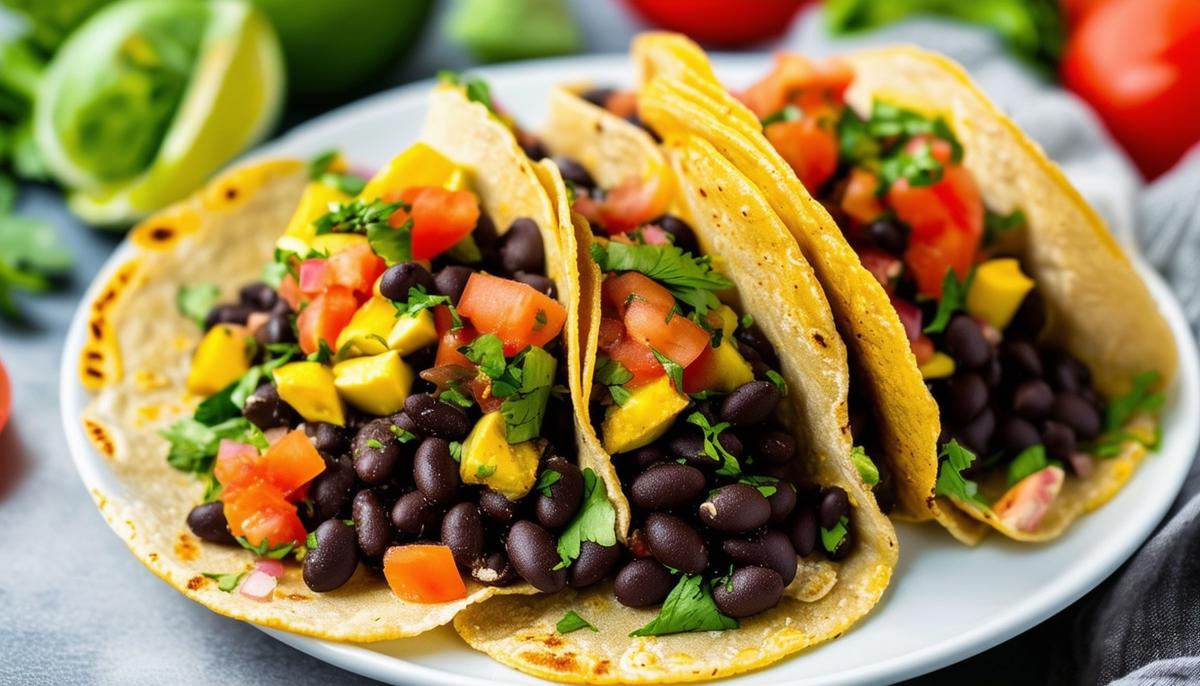
Going meatless? Substitute the beef with black beans or lentils to keep everything hearty. Or, try using mushrooms—sautéed with garlic and onion, they provide that umami kick you might miss without the beef.
To dial up the heat, add chopped jalapeños or serrano peppers to your mix, or sprinkle in some cayenne pepper. For cheese lovers, mix different varieties like Monterey Jack or pepper jack into your shredded cheddar for extra gooey goodness.
These variations ensure no one misses out on the joy of a hearty enchilada. Feel free to experiment and adjust to your taste—as long as the essence of those rich, savory delights stays intact, you're doing it right. Happy customizing!
How to Serve and Store Your Enchiladas
Pair your enchiladas with bright sides like Spanish rice or a fresh garden salad for contrast. A dollop of guacamole or refried beans adds pleasing balance. A sprinkle of cilantro or diced avocado on top creates a lively burst of color and aroma. A squeeze of lime just before serving imparts a refreshing tang.
For presentation, place the enchiladas snugly on a dish with enough sauce to pool lightly around them, perfect for mopping up with a tortilla.
If you've got leftovers, pop them in an airtight container in the fridge for up to three days. Reheat gently in the oven at 350°F or in the microwave with a lid to keep them from drying out.
Enchiladas freeze well too. Before the final bake, roll them up without sauce and freeze in a snug container. When ready to eat, defrost in the fridge overnight, pour sauce over the top, and bake until heated through. Just like that, you've secured another moment of joy linked to homemade comfort.
Recipe: Beef Enchiladas with Red Sauce
Ingredients:
- 1 pound ground beef (80/20 blend)
- 1 tablespoon vegetable oil
- 1 small onion, diced
- 2 cloves garlic, minced
- 1 teaspoon ground cumin
- 1 teaspoon chili powder
- 1 teaspoon salt
- 2 cups red enchilada sauce
- 8-10 corn tortillas
- 2 cups shredded cheddar cheese
- 1/2 cup chopped fresh cilantro (optional garnish)
Instructions:
- Preheat oven to 375°F (190°C).
- In a large skillet, heat oil over medium heat. Add onion and garlic, cooking until softened, about 2-3 minutes.
- Add beef to the skillet, breaking it apart as it cooks. Stir in cumin, chili powder, and salt. Cook until browned, about 6-8 minutes. Drain excess fat if needed.
- Stir in 1/2 cup of enchilada sauce to the beef mixture. Remove from heat and set aside.
- Warm tortillas slightly to make them pliable.
- Spread a thin layer of sauce on the bottom of a 9x13-inch baking dish.
- Spoon about 1/4 cup of beef mixture onto each tortilla, roll it up, and place seam-side down in the dish.
- Pour remaining sauce evenly over the rolled enchiladas.
- Sprinkle cheese over the top.
- Bake until cheese is melted and bubbly, about 20 minutes.
- Let cool slightly before serving. Garnish with cilantro if desired. Enjoy!
Nutritional information (per serving, assuming 4 servings):
kcal: 620
Carbohydrates: 35g
Protein: 35g
Fat: 38g
Saturated Fat: 16g
Cholesterol: 110mg
Sodium: 1450mg
Fiber: 4g
Sugar: 5g
- Pilcher JM. Planet Taco: A Global History of Mexican Food. Oxford University Press; 2012.
- Bayless R. Authentic Mexican: Regional Cooking from the Heart of Mexico. William Morrow Cookbooks; 2007.
- Arellano G. Taco USA: How Mexican Food Conquered America. Scribner; 2012.