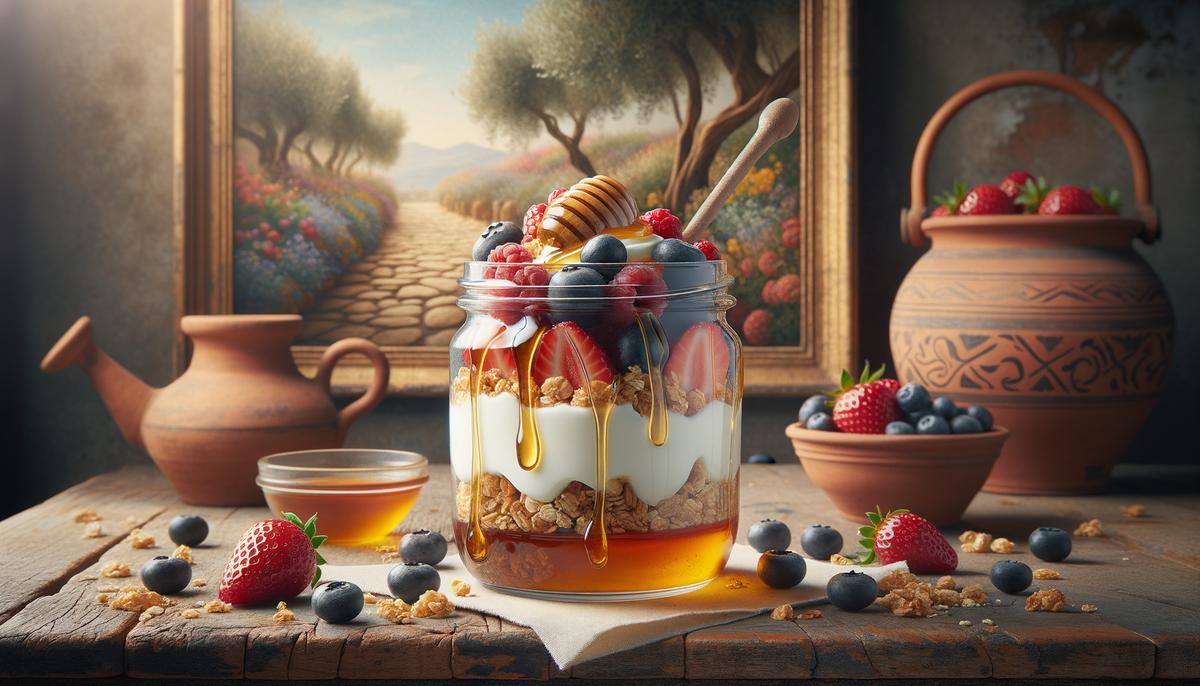
Personal Anecdote and Inspiration Greek yogurt parfait with honey holds a special place in my heart, thanks to a food-filled vacation in Crete. Each…
Delishing
Baklava Honey Syrup Recipe

Maya Brooks
Maya Brooks is a dedicated home cook and the lead recipe developer at Delishing, where she shares practical, foolproof meals for everyday life. With over a decade of hands-on kitchen experience, she specializes in creating approachable dishes that fit a variety of dietary needs and modern cooking methods. Maya is passionate about helping busy people get delicious, stress-free food on the table without needing formal culinary training.
The Allure of Baklava
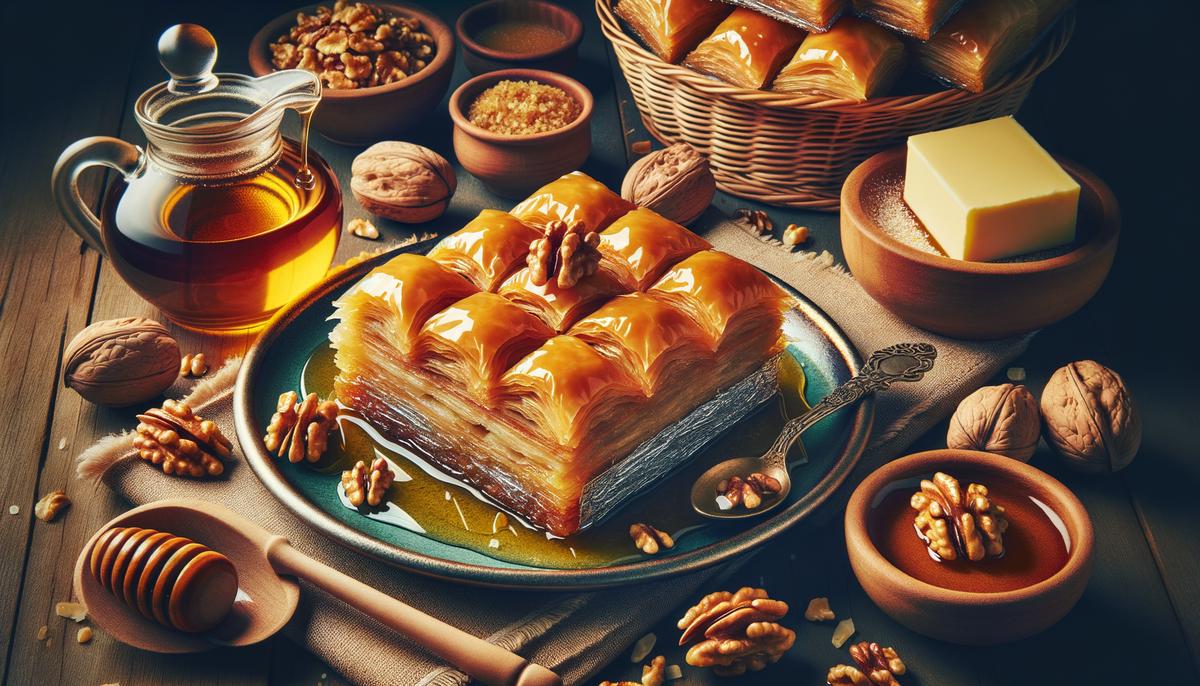
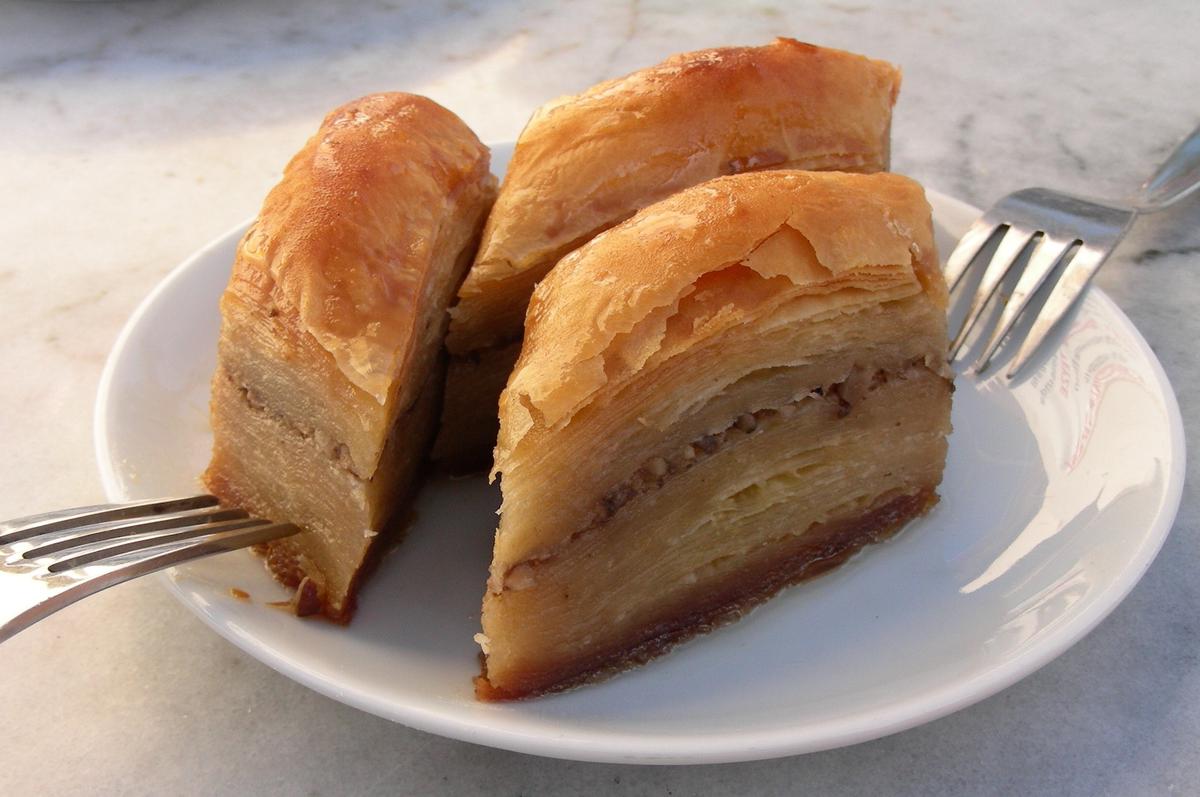
There's something about baklava that just draws you in. Those layers of flaky phyllo, each brushed with butter until golden and crunchy, hold secrets where sweet and savory meld seamlessly. Bite into perfection and you're met by the nutty spine, where spiced walnuts play their cinnamon and clove tune, and pistachios lend their richness. Then, the syrup—oh, the syrup!—a masterpiece of honey and citrus, bringing harmony to the entire symphony.
My first encounter with baklava was a revelation at a modest Greek cafe. From the very first bite, I was hooked: the incredible crunch, the luxurious sweetness of the honey inviting me into another bite, and then another.
Baklava is a journey through different cultures, each with its own rendition. The Greeks work their magic with walnuts and cinnamon, providing a version that's earthy and warm. Turkey's offering? An affair with pistachios and a more subtle, perfumed finish. And in Middle Eastern kitchens, it's a royal feast, perhaps adorned with hints of cardamom or orange zest.
This dessert walks through centuries past, highlighting culinary brilliance evidenced by phyllo's paper-thin artistry. It's believed it was once reserved for royalty; I wouldn't be surprised—especially after realizing you need the hands of a surgeon and the patience of a saint to achieve such precision with each delicate layer.
What's truly beautiful about baklava is how you'll find wings of creativity sprawled within each batch, from uniform diamond shapes to spiraled rounds or open squares. My kitchen's tale of baklava making is a true reflection of a multicultural approach—mixing in extra spices, and always relishing in how it magically tastes even better the day after the syrup has nestled into each layer like liquid gold.
Can it get soggy at times? Sure, but there's always this trick of pouring cooled syrup over hot baklava, the sizzling sound a bit like a round of applause for the past hour's labor. And trust me, leftover baklava never goes to waste in my house, often leading to midnight fridge raids.
Every bite tells a different story, connecting back to a patchwork of flavors and cultures loved and shared. I say, why not wreak a little havoc in your own kitchen and give it a go?
Creating the Perfect Layers
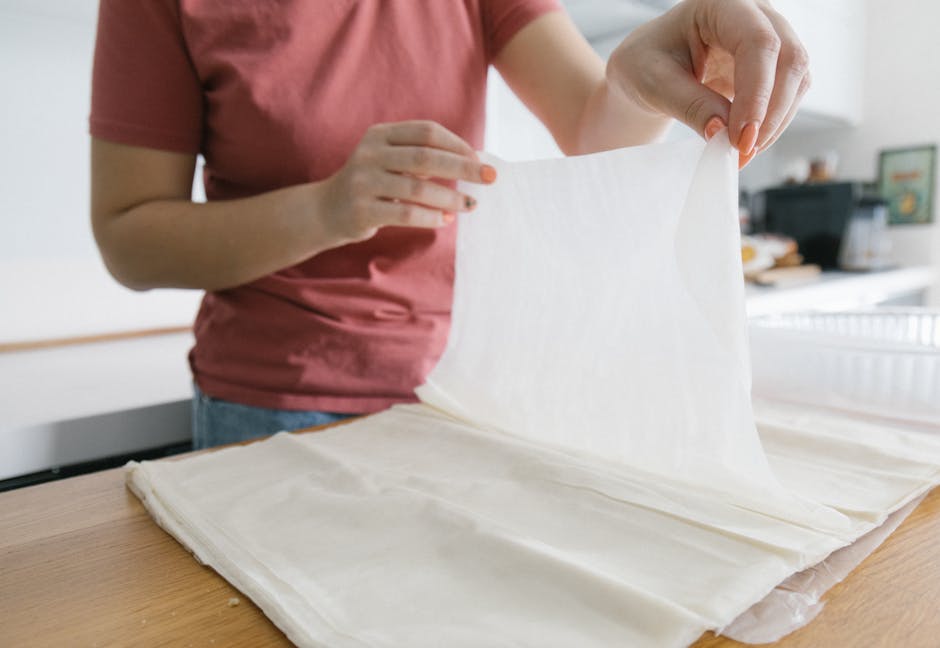
Creating those perfect baklava layers is both an art and a science. It begins with phyllo dough, that famously delicate pastry often found to be a heartbreaker for those unprepared. But taking the right approach can transform it into your best kitchen ally.
Here are the key steps to mastering phyllo for baklava:
- Thaw properly: Allow the phyllo to thaw in its package in the fridge overnight, then on the counter for about an hour before you start. This slow thaw ensures the dough is pliable yet doesn't turn into a sticky mess.
- Keep it covered: Keep the phyllo sheets covered with a clean, damp kitchen towel when you're working with them. This simple step is your secret weapon against drying out, as nobody wants brittle sheets that shatter into a million pieces.
- Butter brush: Each sheet of phyllo needs a good brush with melted butter. This creates that irresistible flakiness we all crave. Be generous, but not wasteful—a light, even coating is enough.
- Trim to fit: Ensure the sheets fit your baking dish snugly without overhang. A handy pair of kitchen scissors or a sharp knife will do the trick here.
A dry kitchen environment can sabotage your phyllo plans, so keeping those sheets from turning into a heap of tissue paper is vital. On the other hand, overly greasy layers can be as troublesome, leading to a heavy, less ethereal dish. Balance is key. Keep your brush clear of clumps of butter, ensuring it's just a whisper of moisture on the surface.
By the time you're done, you'll appreciate why baklava remains a cherished treat. Remember, patience and care with phyllo will reward you tenfold with layers that are pure perfection.
Nutty Delights: The Filling
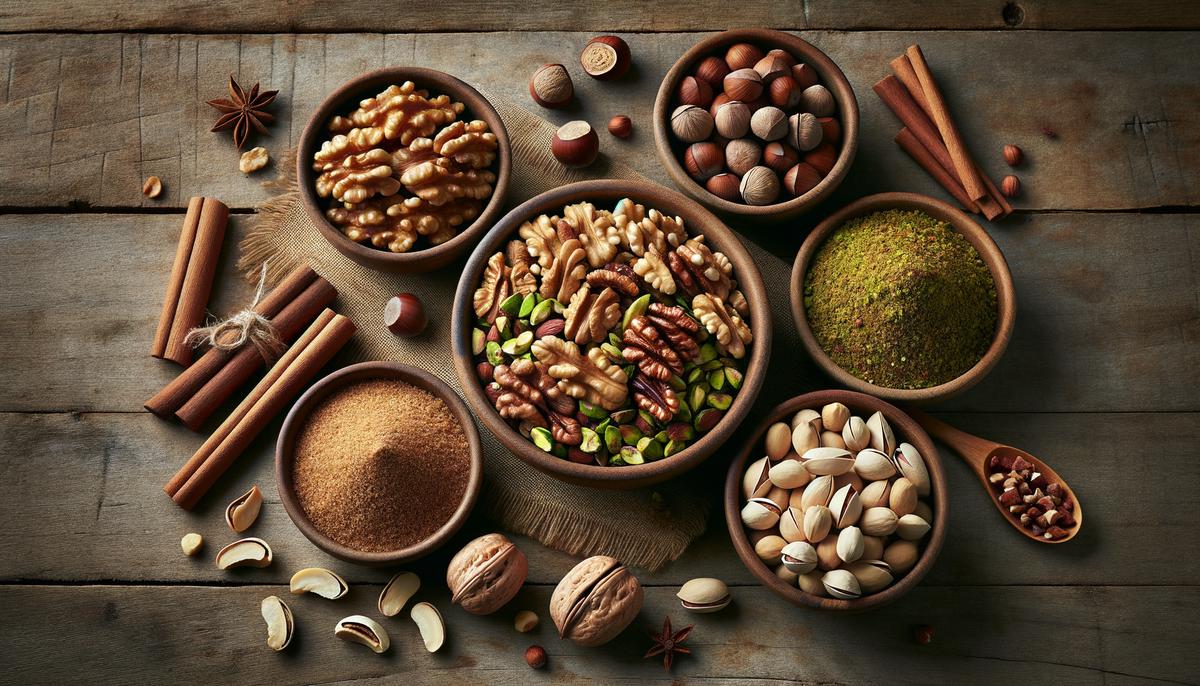
Let's chat about the heart of baklava—the nut filling. Walnuts, pistachios, and hazelnuts are the tried and true champions in this game. Each type brings its unique texture and flavor: walnuts provide earthiness, pistachios offer rich sweetness, and hazelnuts add subtle nutty depth.
But why stop there? This adventure lets you take the reins. You can blend these traditional nuts with a dash of cinnamon or cloves to build a spiced wonderland that complements the buttery phyllo layers.
The trick lies in the chopping. Too coarse, and the nuts can overpower the pastry; too fine, and you risk a dusty mush. Aim for a happy medium—roughly chopped so each bite features a satisfying crunch yet evenly distributed to avoid lumps or gaps.
While the classics are always a safe bet, experimenting with other nutty heroes like pecans or macadamias can bring your baklava into exciting new territories. This mix is more than just flavor; it's a texture party that keeps every bite interesting. So grab that food processor or your trusty knife, and get to chopping—baklava is your oyster, and you have the nut-selection power to make it extraordinary.
Sweet Success: Honey Syrup
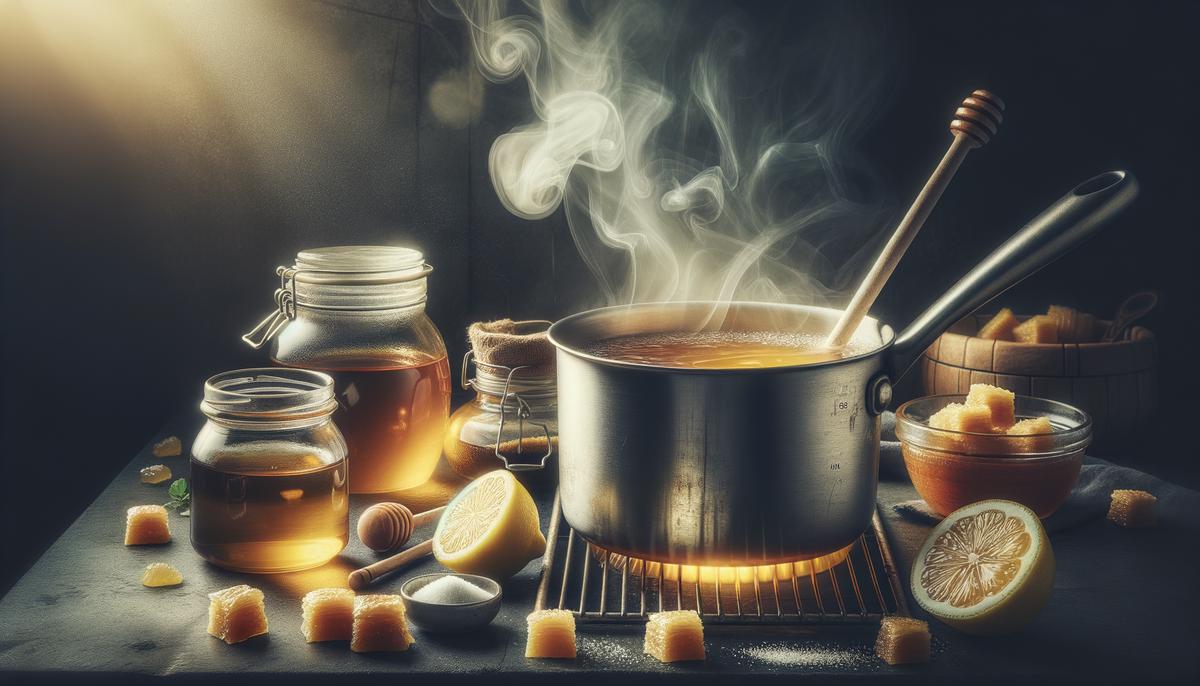
Let's get straight into the sweet spirit of baklava—crafting the perfect honey syrup. This syrup is where the sweet harmony begins, uniting flavors into a delicious crescendo.
Honey Syrup Recipe
Ingredients:
- 1 cup granulated sugar
- 1/2 cup honey
- 3/4 cup water
- 1 tablespoon fresh lemon juice
- Optional: 1 strip of orange zest or 2-3 whole cloves
Steps:
- Combine sugar, honey, water, and lemon juice in a medium-sized saucepan.
- Bring the mixture to a rolling boil over medium-high heat, stirring gently until the sugar completely dissolves.
- Reduce heat to medium-low and let simmer for about 4 minutes without stirring.
- If using, add orange zest or cloves during the last minute of simmering.
- Remove from heat and let cool to room temperature.
- Remove any whole spices before using.
Using good honey makes all the difference here. The lemon juice tempers the sweetness, adding a touch of brightness to what could otherwise be an overwhelmingly sweet bite. It's like the little squeeze of sunshine your baklava needs to hit the right notes.
Want to bring more complexity into your syrup? Feel free to introduce some optional ingredients like a dash of orange zest or a few whole cloves. They can add a subtle layer of taste that complements the richness without stealing the show.
Pro Tip: For the real secret to that perfect baklava texture, timing is everything. Ensure your syrup cools to room temperature before it meets the freshly baked hot baklava. Pouring cooled syrup over the piping-hot pastry allows the baklava to soak up the syrup efficiently, ensuring every layer is delicately moistened without a hint of sogginess.
Remember, whether you're diving into a slice fresh from the oven or sneaking a taste the next day, this syrup sets the stage for the taste journey ahead. With good honey and a bit of patience, you really can't go wrong. Enjoy every sticky, crunchy, and utterly satisfying bite!
Nutritional information (per serving, assuming 24 servings):
- kcal: 42
- Carbohydrates: 11g
- Protein: 0g
- Fat: 0g
- Sugar: 11g
Assembly Mastery
Picture building a flavorful fortress as you assemble your baklava, layer by layer. Lay out thawed phyllo sheets on a clean surface, covered with a damp kitchen towel to prevent drying. Have your baking dish ready nearby.
Start with one sheet of phyllo spanning the base of your dish. Brush it with melted butter, coating every inch. Repeat with nine more sheets, creating a solid foundation.
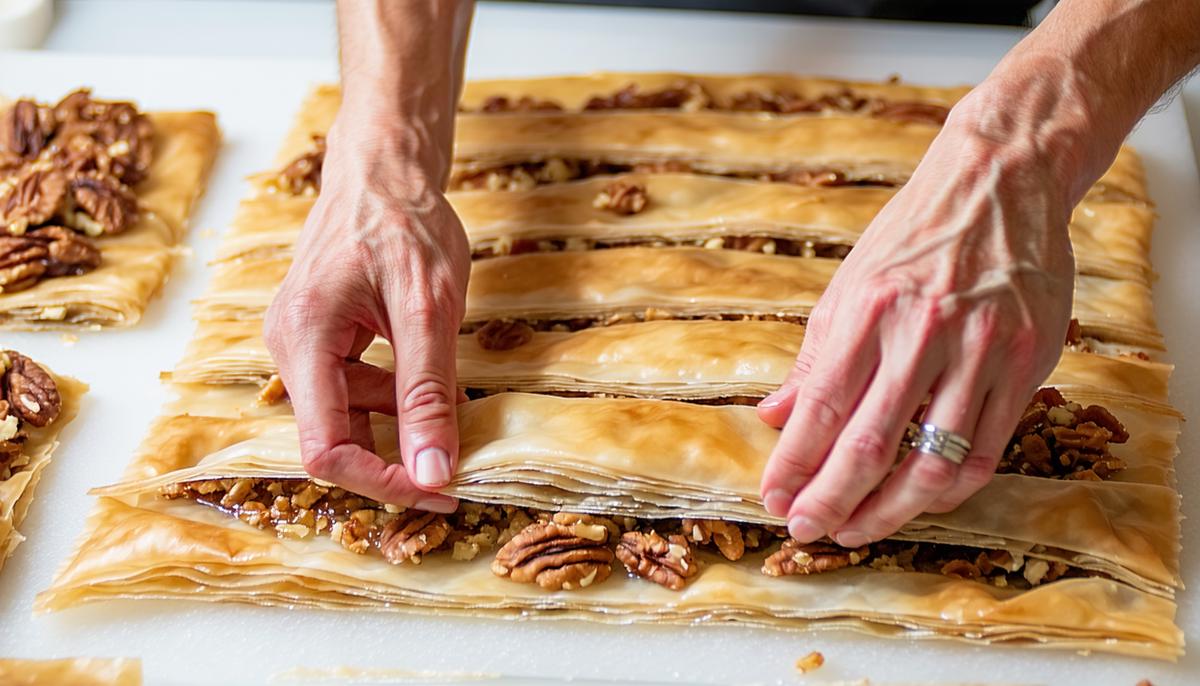
Next, spread a generous handful of nutty filling evenly over the buttered phyllo. Continue the pattern: five butter-brushed sheets, then nuts. Repeat four more times. Each nut layer adds crunch and depth to your baklava.
Top it off with ten more buttered phyllo sheets. Give the top a generous butter coating to ensure crispy layers.
Before baking, channel your inner artist and cut the baklava into diamond or square shapes. This makes serving easier and helps every piece soak up the syrup. Aim for even shapes so everything bakes uniformly.
Pop the dish in a preheated oven, centered for even cooking. Be patient - it takes about 1 hour and 15 minutes to achieve that perfect golden crust.
Once your masterpiece is golden-brown, pull it out and pour the cooled honey syrup evenly over the hot baklava. That sizzle means sweet success!
Let it rest a bit before digging in. Cooling allows the flavors to develop and ensures each piece is a delightful, firm bite.
Recipe for Baklava with Honey Syrup
Ingredients:
- Phyllo Layers
- 1 (16 oz) package phyllo dough, thawed
- 1 1/4 cups unsalted butter, melted
- Nut Mixture
- 1 lb walnuts, finely chopped
- 1 1/2 tsp cinnamon
- Honey Syrup
- 1 cup granulated sugar
- 1/2 cup honey
- 2 tbsp lemon juice
- 3/4 cup water
Instructions:
- Prep Your Phyllo Dough:
- Thaw phyllo overnight in the fridge, then bring to room temp for an hour.
- Trim sheets to fit a greased 13x9-inch non-stick baking pan. Keep covered with a damp towel.
- Prepare Nut Mixture:
- Pulse walnuts in a food processor until coarsely chopped. Mix with cinnamon.
- Construct the Layers:
- Preheat oven to 325°F.
- Layer 10 phyllo sheets, brushing each with butter.
- Spread 3/4 cup nut mixture over phyllo.
- Repeat with 5 buttered sheets and nuts, four more times.
- Finish with 10 buttered sheets on top.
- Slice Pre-Bake:
- Cut into 1 1/2-inch wide strips, then diagonally to form diamond shapes.
- Bake:
- Pop in the oven for 1 hour and 15 minutes until golden brown.
- Make Honey Syrup:
- Combine syrup ingredients in a saucepan.
- Boil, then simmer for 4 minutes. Cool at room temp.
- Finish with Syrup:
- Pour cooled syrup over hot baklava. Let it soak in and cool completely.
- Storage Tips:
- Keep covered with a tea towel at room temp for up to a week for crispness, or in the fridge for two weeks (it'll soften a bit).
You'll need a food processor, pastry brush, sharp knife, and baking pan. Remember, cool syrup and loose storage keep your baklava crisp!
Nutritional information (per serving, assuming 24 servings):
- kcal: 310
- carbohydrates: 28g
- protein: 5g
- fat: 22g
- saturated fat: 7g
- cholesterol: 25mg
- sodium: 85mg
- fiber: 2g
- sugar: 17g