 delishing
How to Roast Brussels Sprouts for Perfect Caramelization

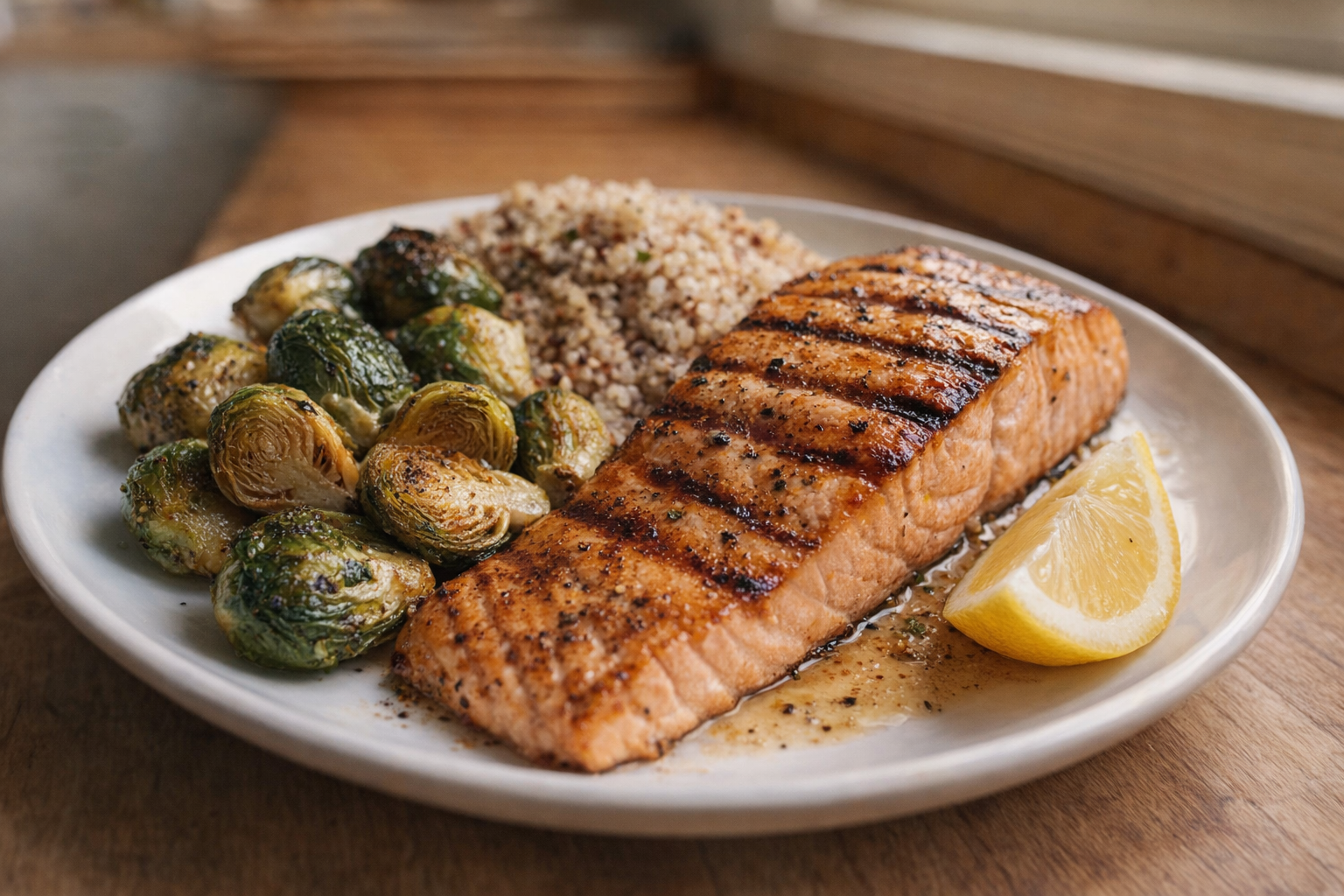
Brussels sprouts often get a bad rap, but when roasted correctly, they transform into a delightful dish with a slightly sweet, nutty flavor and satisfyingly crispy texture. The high heat brings out their natural sugars, creating a caramelized exterior that contrasts beautifully with the tender interior. The key is achieving the right balance of heat, oil, and seasoning.
Roasting is a simple yet effective technique that allows the Brussels sprouts to cook evenly, developing a depth of flavor that steaming or boiling simply can't replicate. With a few simple steps, you can elevate this humble vegetable into a culinary star.
Understanding Brussels Sprouts
Brussels sprouts are part of the Brassica family, which also includes cabbage, broccoli, and kale. They come in varying sizes, but generally, smaller sprouts (about 1 inch in diameter) tend to be sweeter and more tender. When buying, look for firm, bright green sprouts with tightly packed leaves. Avoid any sprouts that are yellowing, have wilted leaves, or show signs of black spots. These are indicators of age and potential bitterness. Ideally, purchase Brussels sprouts that are still attached to the stalk for optimal freshness.
Why Cook Brussels Sprouts This Way?
- Versatility: Roasted Brussels sprouts can be served as a simple side dish or incorporated into more complex recipes like salads, grain bowls, or even pizza toppings.
- Flavor: Roasting intensifies the natural sweetness and nutty flavor of the Brussels sprouts, creating a more complex and satisfying taste compared to other cooking methods.
- Convenience: Roasting is a hands-off cooking method that requires minimal attention, making it ideal for busy weeknights or meal prepping.
Preparation (Mise en Place)
Before roasting, proper preparation is essential for achieving the best results.
- Washing: Rinse the Brussels sprouts thoroughly under cold, running water to remove any dirt or debris.
- Trimming: Using a sharp chef's knife, trim the stem end of each Brussels sprout. Be careful not to cut too far up, as this will cause the leaves to fall apart.
- Removing Outer Leaves: Peel off any yellowed or damaged outer leaves. These leaves tend to burn easily during roasting and can impart a bitter flavor.
- Cutting: Depending on the size of the Brussels sprouts, you may need to cut them in half or quarter them. Smaller sprouts can be left whole, but larger ones should be halved or quartered to ensure even cooking. Cut them lengthwise from the stem through the top.
Essential Tools
- Large Rimmed Baking Sheet: A rimmed baking sheet is crucial to prevent the Brussels sprouts from rolling off during roasting. We use a heavy-duty sheet pan for even heat distribution and minimal warping.
- Sharp Chef's Knife: A sharp knife is essential for trimming and cutting the Brussels sprouts quickly and safely.
- Large Mixing Bowl: To toss the Brussels sprouts with oil and seasonings.
- Tongs or Spatula: For flipping the Brussels sprouts during roasting.
The Cooking Method(s)
This guide focuses on the classic roasting method, which yields the most consistently delicious results. However, we'll also touch upon a simple variation for added flavor.
Method 1: Classic Roasted Brussels Sprouts
Ingredients:
- 1. 5 lbs (680g) Brussels sprouts, trimmed and halved
- 3 tablespoons (45ml) olive oil
- 1 teaspoon (5g) kosher salt
- ½ teaspoon (2.5g) freshly ground black pepper
- Preheat the Oven: Preheat your oven to 400°F (200°C). Ensure the oven is fully preheated to achieve optimal caramelization.
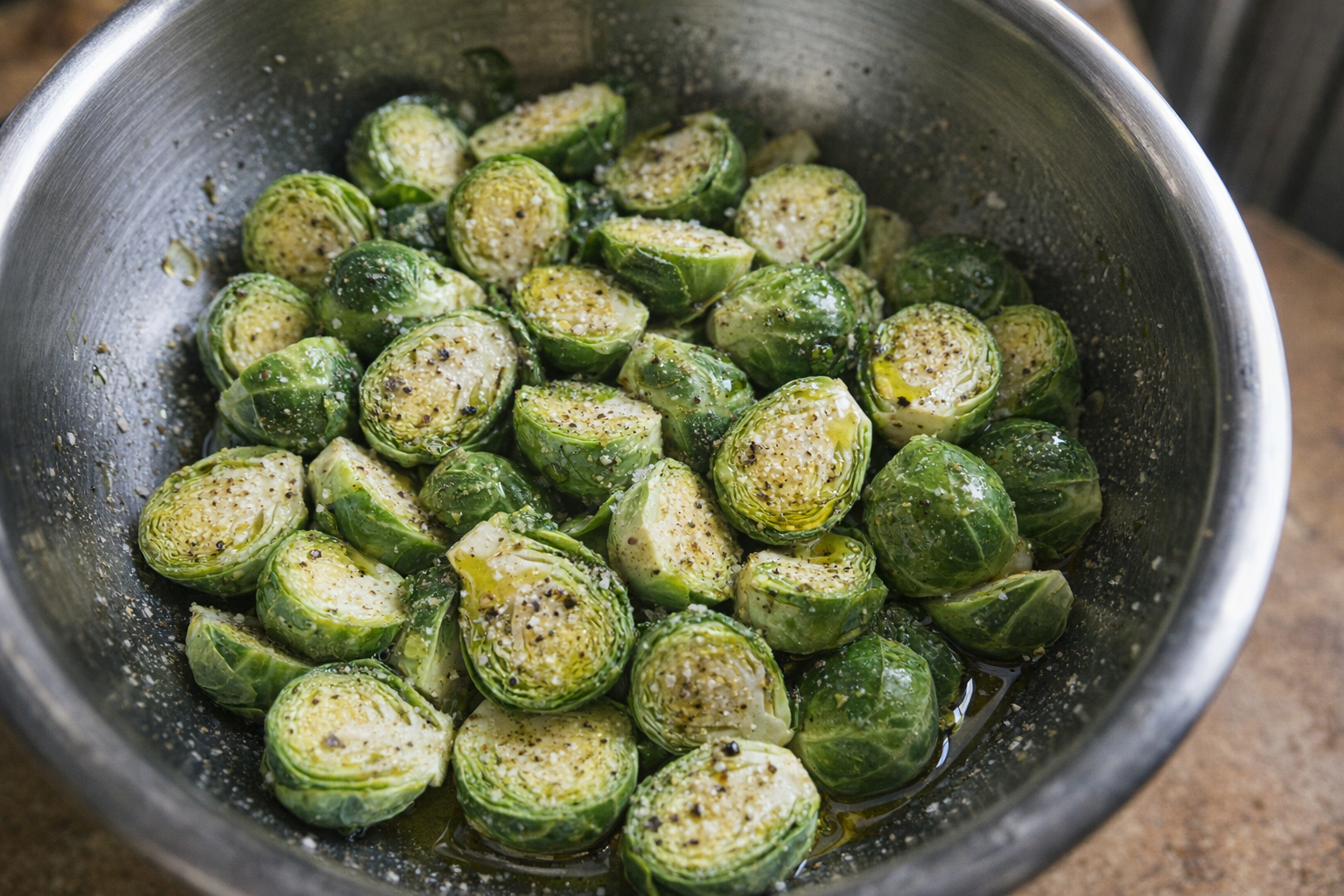
- Toss with Oil and Seasonings: In a large mixing bowl, toss the trimmed and halved Brussels sprouts with olive oil, kosher salt, and black pepper. Make sure the Brussels sprouts are evenly coated with the oil and seasonings. As you toss, you'll hear the satisfying swish of the sprouts mingling with the oil, a signal that they're ready for the next step.
- Arrange on Baking Sheet: Spread the Brussels sprouts in a single layer on the prepared baking sheet, cut side down. This helps them caramelize properly. Avoid overcrowding the pan, as this will cause them to steam instead of roast. The satisfying "sizzle" as they hit the hot pan is a good sign!
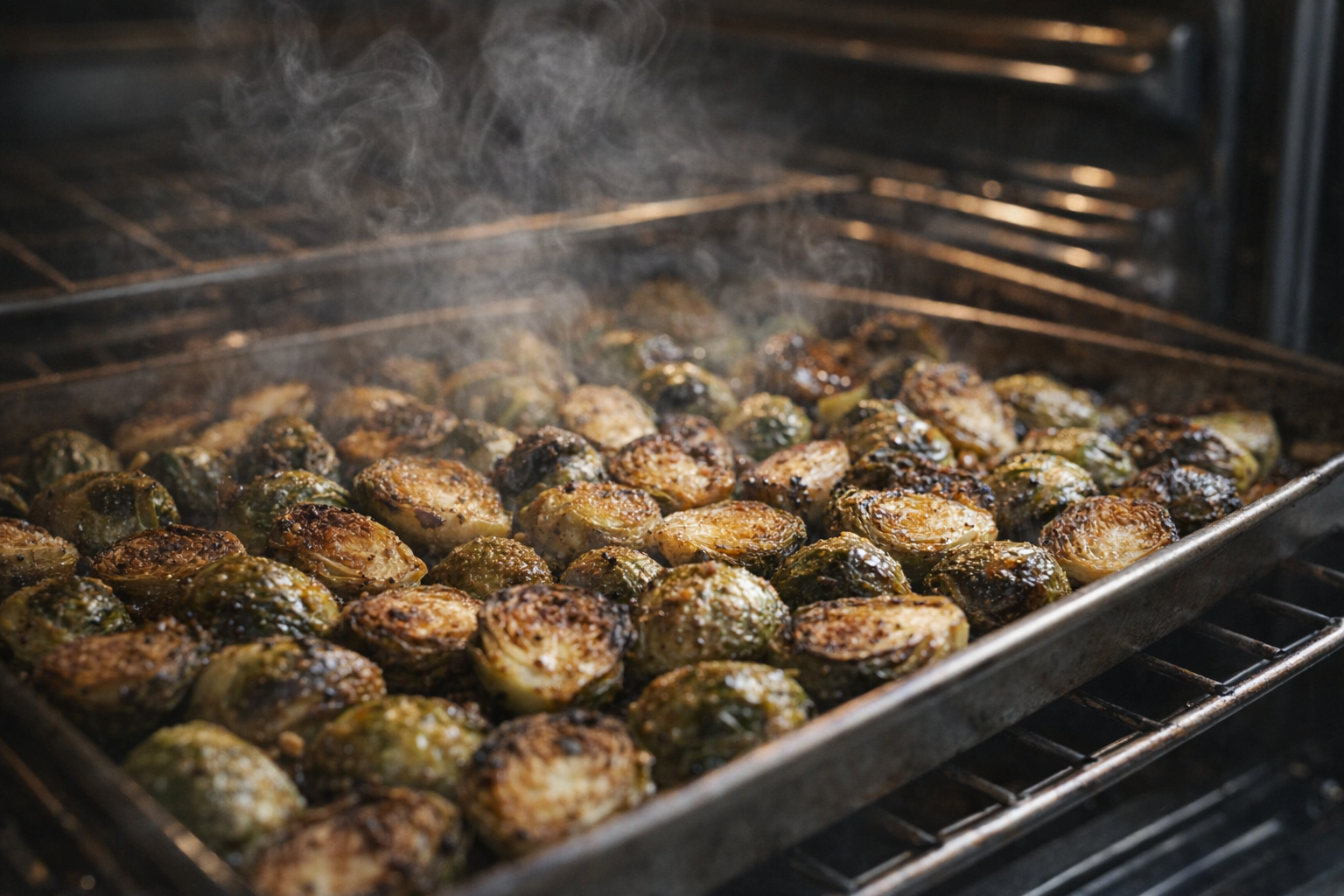
- Roast: Roast for 20-30 minutes, or until the Brussels sprouts are tender and deeply golden brown on the edges. About halfway through, use tongs or a spatula to flip the Brussels sprouts, ensuring even browning. The nutty aroma filling your kitchen is your cue that they're getting close to perfection.
- Serve Immediately: Remove from the oven and serve immediately. The warm, savory scent will entice everyone to the table.
Cooking Time & Doneness Guide
- Roasting Time: 20-30 minutes at 400°F (200°C)
- Internal Temperature: While not strictly necessary, the internal temperature of perfectly roasted Brussels sprouts should be around 170-180°F (77-82°C).
Visual Cues
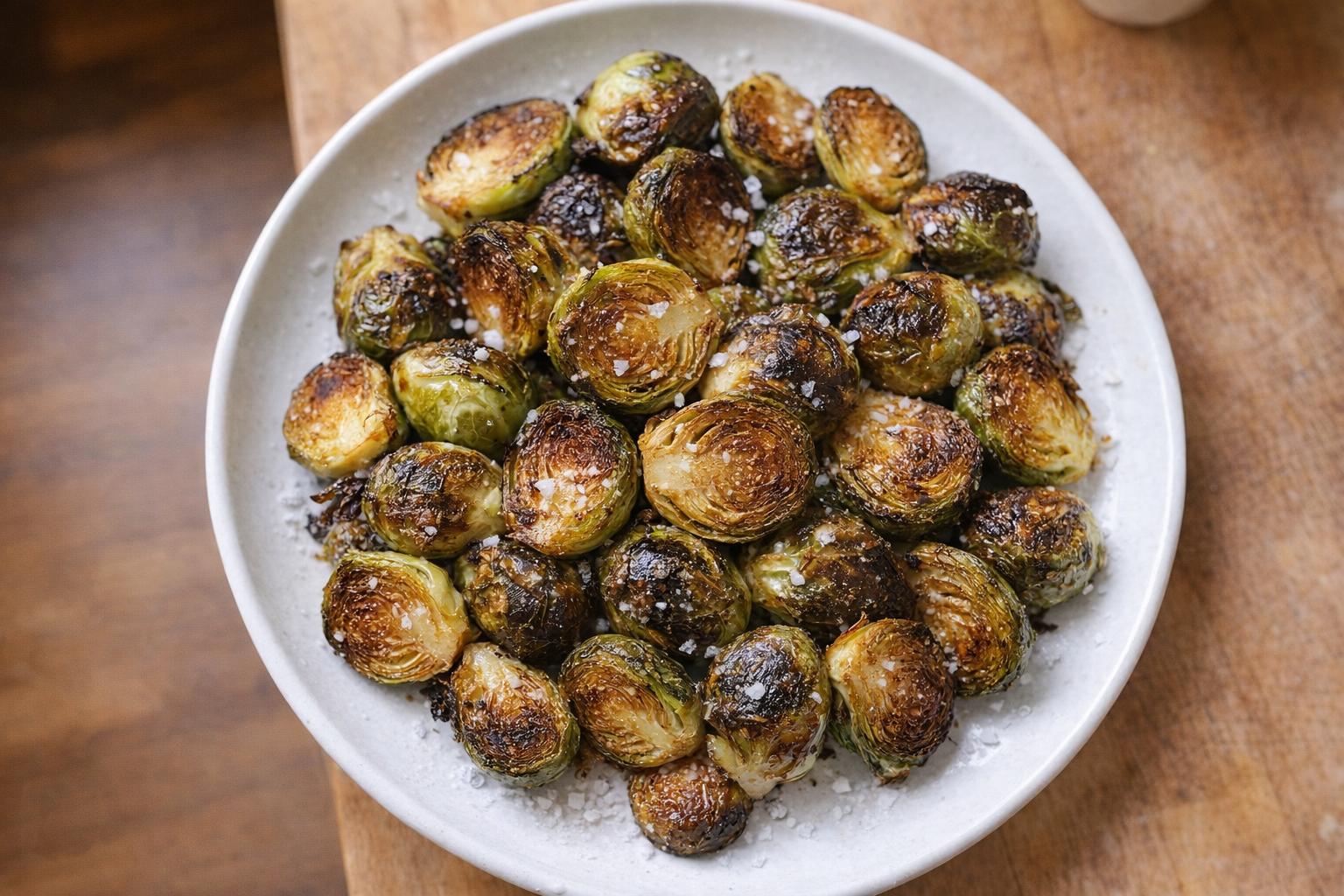
The Brussels sprouts should be tender when pierced with a fork, and the outer leaves should be deeply golden brown and slightly crispy. The edges will have a noticeable char, indicating optimal caramelization.
Tips for Perfection
- Don't Overcrowd the Pan: Overcrowding the pan will cause the Brussels sprouts to steam instead of roast, resulting in a soggy texture. Use a large baking sheet or roast in batches.
- Use Enough Oil: Sufficient oil is essential for even browning and caramelization. Don't be afraid to use the recommended amount.
- Roast Cut-Side Down: Arranging the Brussels sprouts cut-side down on the baking sheet maximizes caramelization.
- Don't Overcook: Overcooked Brussels sprouts will become mushy and bitter. Keep a close eye on them and remove them from the oven when they are tender and golden brown.
Storage & Reheating
Leftover roasted Brussels sprouts can be stored in an airtight container in the refrigerator for up to 3 days. To reheat, spread them on a baking sheet and warm them in a 350°F (175°C) oven for 5-10 minutes, or until heated through. Avoid microwaving, as this will make them soggy. For best results, reheat in a skillet over medium heat with a little olive oil to restore some of their crispness.
Serving Suggestions
- As a Side Dish: Serve alongside roasted chicken, steak, pork, or fish.
- In Salads: Add to a warm salad with toasted nuts, dried cranberries, and a balsamic vinaigrette.
- With Pasta: Toss with your favorite pasta, Parmesan cheese, and a drizzle of olive oil.
- As a Pizza Topping: Top a homemade pizza with roasted Brussels sprouts, bacon, and goat cheese.
💡 Pro Tips
- Slice the Brussels sprouts in half vertically to increase the surface area available for browning.
- Arrange the sprouts cut-side down on a preheated baking sheet to achieve a deep, golden-brown crust.
- Avoid overcrowding the pan by leaving ample space between each sprout so they roast rather than steam.
- Set your oven to at least 400°F to ensure the natural sugars caramelize quickly while keeping the centers tender.
- Toss the sprouts thoroughly in olive oil and salt to ensure every leaf is coated for maximum crispiness.
Frequently Asked Questions
This usually indicates that the oven temperature is too high or the sprouts are too close together on the baking sheet. Try lowering the oven temperature by 25 degrees and ensuring the Brussels sprouts are spread out in a single layer with enough space between them for the heat to circulate properly.
While fresh Brussels sprouts are preferred for optimal texture and flavor, you can use frozen ones. Be sure to thaw them completely and pat them dry before roasting to remove excess moisture, which can prevent proper caramelization. You might need to add 5-10 minutes to the cooking time to ensure they are fully cooked and tender.
Leftover roasted Brussels sprouts can be stored in an airtight container in the refrigerator for up to 3-4 days. To reheat, spread them on a baking sheet and bake at 350°F (175°C) until warmed through and slightly crispy, or you can quickly reheat them in a skillet with a little oil.
Oils with a high smoke point, like avocado oil, grapeseed oil, or refined coconut oil, are ideal for roasting vegetables at high temperatures. These oils can withstand the heat without burning, allowing the Brussels sprouts to caramelize properly and develop a rich, nutty flavor.