 delishing
How to Make Your Own Authentic Cajun Seasoning

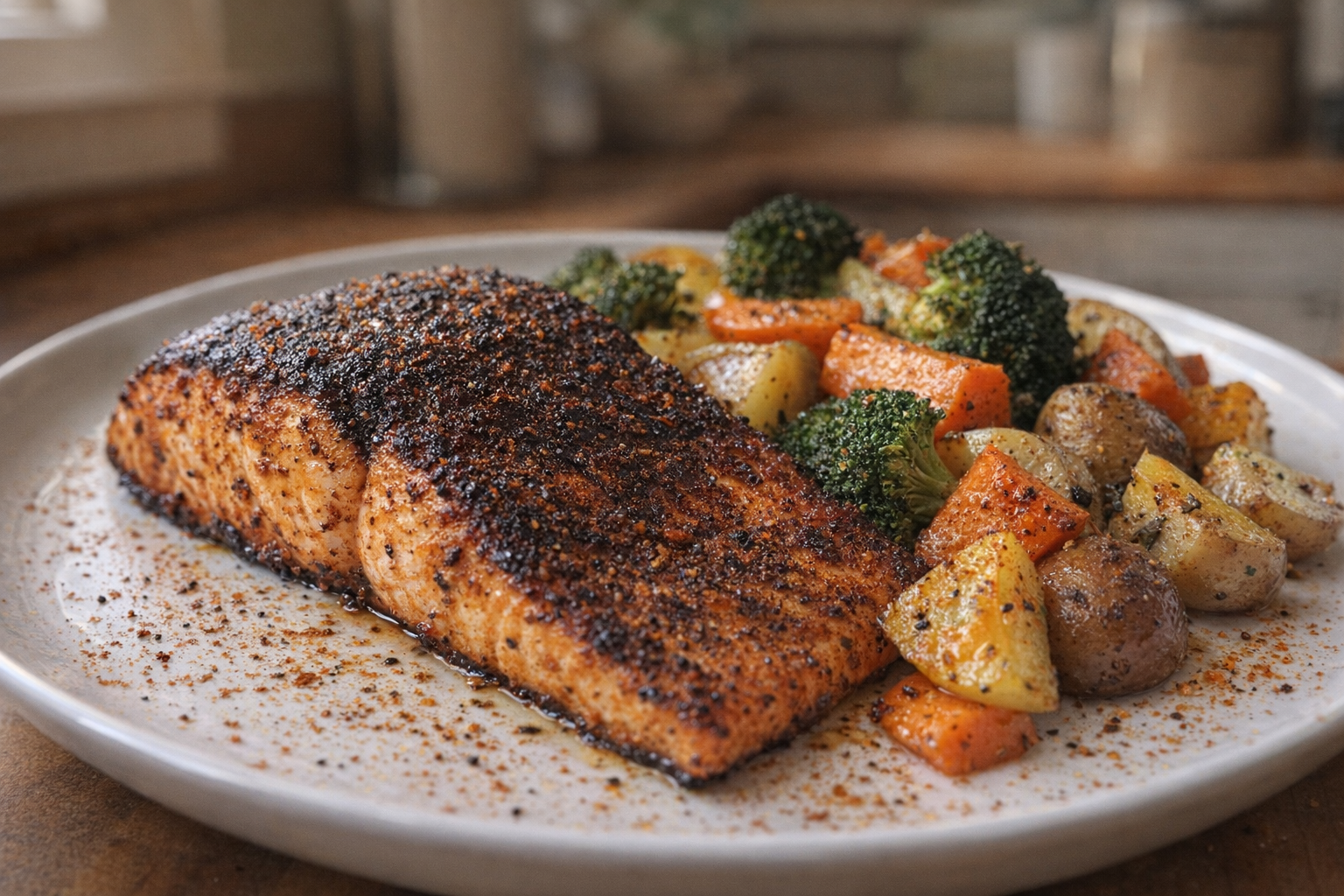
Cajun seasoning is a cornerstone of Louisiana cuisine, offering a vibrant blend of earthy, spicy, and herbaceous notes. This homemade version delivers that authentic flavor, allowing you to customize the heat level to your preference. Forget pre-made blends packed with fillers; crafting your own Cajun seasoning ensures a fresh, potent flavor that will elevate everything from blackened fish to hearty gumbos.
This method focuses on using readily available pantry spices and herbs to create a balanced and complex flavor profile. We'll guide you through the key ingredients and explain how each contributes to the overall taste, giving you the knowledge to adjust and personalize your blend for endless culinary possibilities.
Understanding Cajun Seasoning Spices
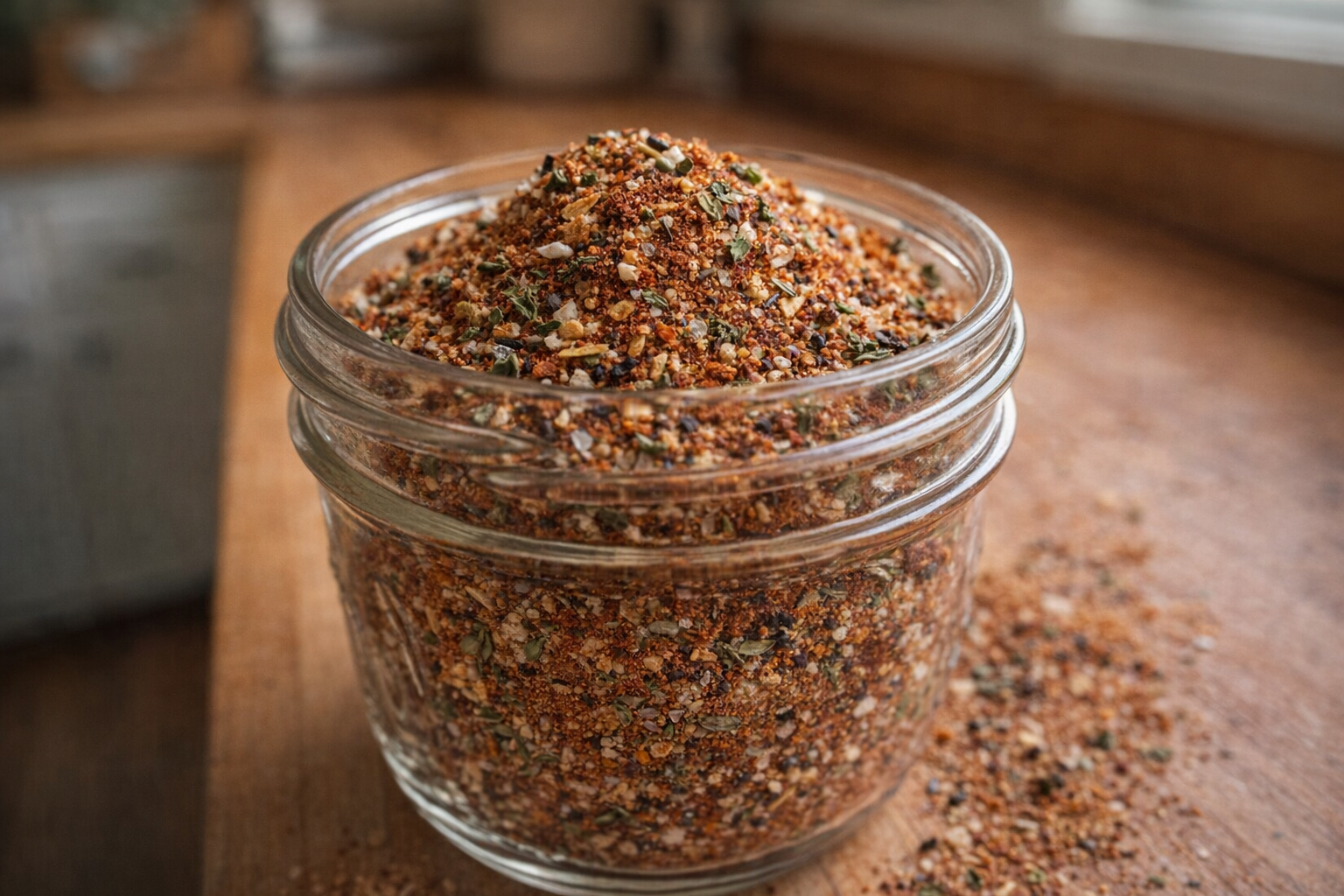
Cajun seasoning is more than just heat; it's a symphony of flavors. Here's a breakdown of the essential spices and herbs that make up a classic Cajun blend:
- Paprika: Provides a sweet, slightly smoky base flavor and adds a rich red color. Opt for a high-quality paprika for the best flavor. Smoked paprika can also be used for a deeper smoky note.
- Kosher Salt: Enhances the flavors of the other spices. Kosher salt is preferred over table salt due to its larger crystals and purer flavor.
- Garlic Powder: Adds a pungent, savory depth that complements the spicier elements.
- Onion Powder: Contributes a sweet, aromatic note and a hint of umami.
- Ground Black Pepper: Provides a sharp, peppery bite and adds warmth to the blend. Freshly ground black pepper offers the most intense flavor.
- Ground White Pepper: Offers a milder heat compared to black pepper, with a more delicate and clean flavor profile.
- Dried Oregano: Offers a strong, earthy, and slightly bitter-sweet flavor that is a hallmark of Cajun cuisine.
- Cayenne Pepper: Delivers the signature heat of Cajun seasoning. Adjust the amount to control the spice level.
- Dried Thyme: Adds a warm, earthy aroma and complements the other herbs and spices, creating a balanced flavor.
Why Make Cajun Seasoning This Way?
- Versatility: Use it on everything from seafood and poultry to vegetables and beans.
- Flavor Control: Adjust the heat and overall flavor profile to your exact preferences.
- Convenience: Keep a jar on hand for quick and easy flavor boosts to any dish.
Preparation (Mise en Place)
Before mixing, ensure all your spices and herbs are fresh and readily available. This ensures a smooth and efficient blending process.
- Measure: Accurately measure each spice and herb using measuring spoons. This ensures a consistent flavor profile.
Essential Tools
- Small Mixing Bowl: A bowl large enough to hold all the spices and herbs while allowing for easy mixing.
- Measuring Spoons: For precise measurement of each ingredient.
- Airtight Container: A glass jar or airtight container to store the finished seasoning and maintain its freshness.
The Cooking Method(s):
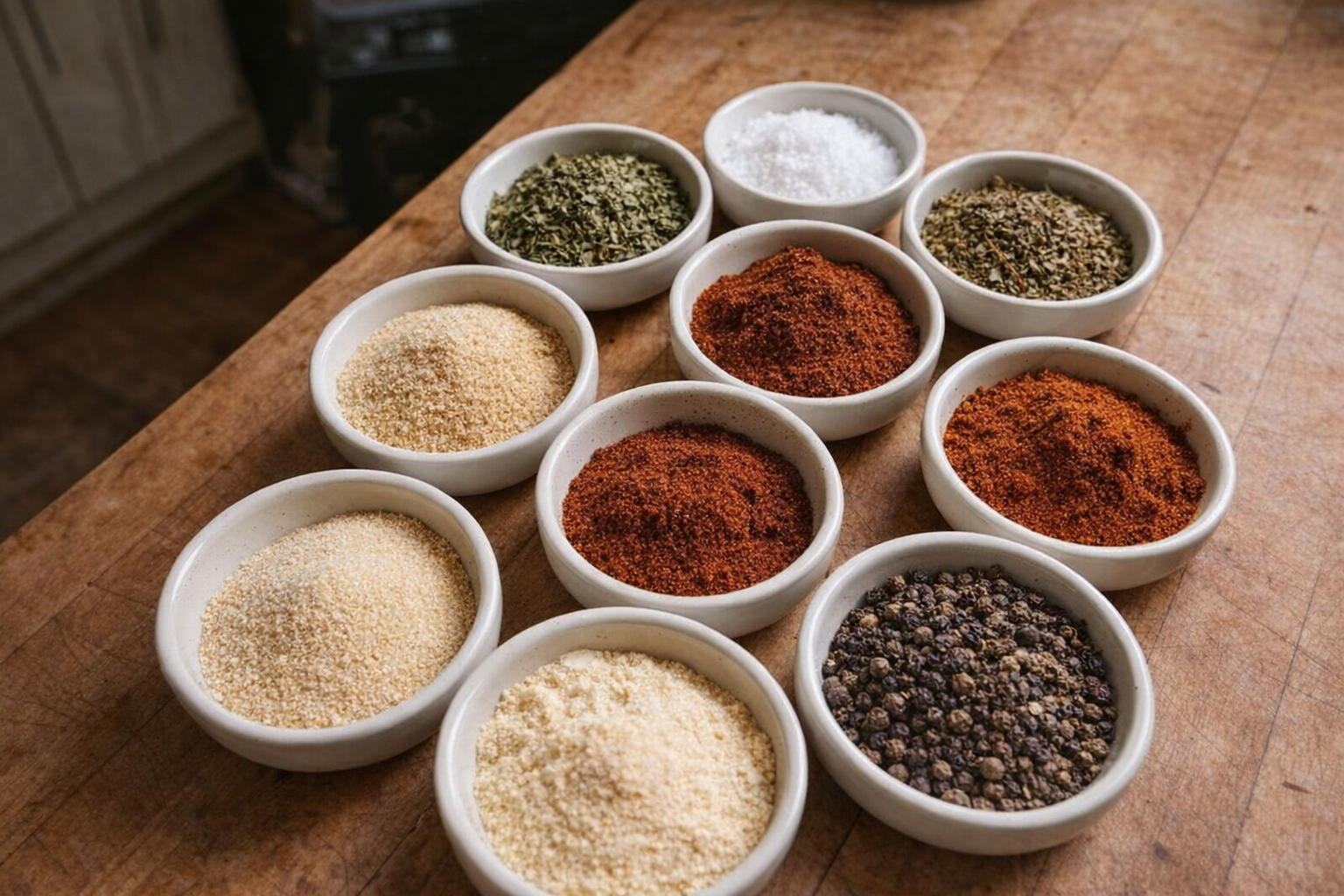
We'll be focusing on one straightforward method for creating your Cajun seasoning: blending. This technique ensures a uniform and well-balanced flavor throughout the seasoning.
Blending Method
This method involves simply combining all the ingredients in a bowl and stirring until well combined. This method works best when using high-quality ingredients that are already finely ground.
Ingredients:
- 2 ½ teaspoons Paprika (12.5 mL)
- 2 teaspoons Kosher Salt (10 mL)
- 2 teaspoons Garlic Powder (10 mL)
- 1 ¼ teaspoons Dried Oregano (6.25 mL)
- 1 ¼ teaspoons Dried Thyme (6.25 mL)
- 1 teaspoon Ground Black Pepper (5 mL)
- 1 teaspoon Onion Powder (5 mL)
- 1 teaspoon Cayenne Pepper (5 mL)
- ½ teaspoon Red Pepper Flakes (Optional) (2.5 mL)
- Combine Ingredients: In a small mixing bowl, add the paprika, kosher salt, garlic powder, oregano, thyme, black pepper, onion powder, cayenne pepper, and red pepper flakes (if using). The aroma of the individual spices will start to mingle, creating a complex scent.
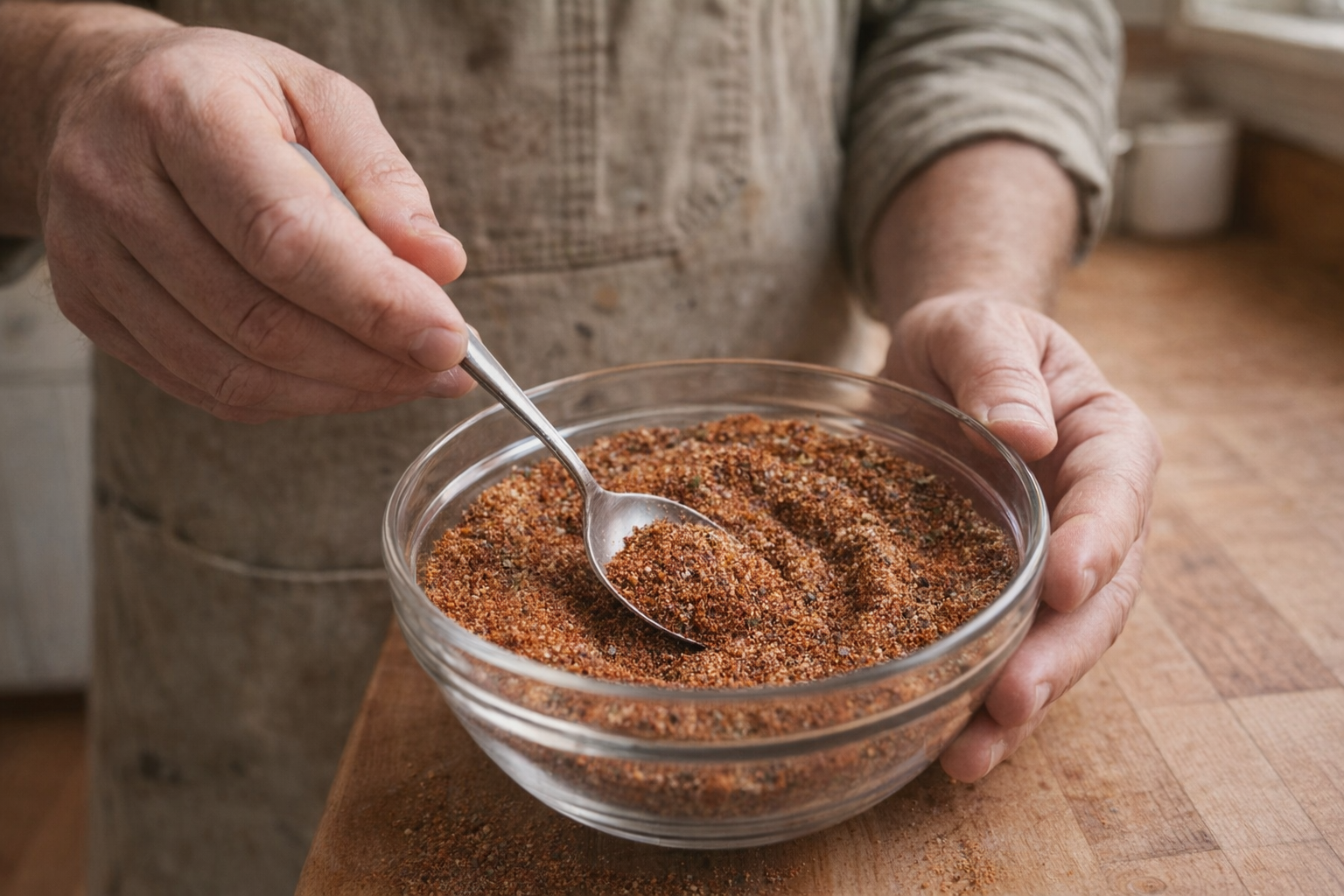
- Stir Thoroughly: Use a spoon to stir the ingredients together until they are evenly blended. Ensure there are no clumps of any single spice. The mixture should have a consistent color and texture.
- Store Properly: Transfer the spice mix to an airtight container. Store away from direct sunlight and heat to retain its potency longer. Properly stored, homemade Cajun seasoning can last for up to 6 months.
Cooking Time & Doneness Guide:
Since we are not "cooking" in the traditional sense, there's no specific cooking time or doneness guide. However, the "readiness" of your seasoning depends on how well the ingredients are blended.
Visual Cues
The seasoning is ready when all the spices are evenly distributed, and there are no visible clumps.
Tips for Perfection:
- Use Fresh Spices: For the most potent flavor, use spices that are relatively fresh. Older spices lose their aroma and flavor over time.
- Adjust the Heat: If you prefer a milder seasoning, reduce the amount of cayenne pepper. For a spicier blend, increase the amount of cayenne pepper or add a pinch of ghost pepper powder (use with caution!).
- Consider Smoked Paprika: Substitute regular paprika with smoked paprika for a deeper, smokier flavor profile.
Storage & Reheating:
- Storage: Store the Cajun seasoning in an airtight container in a cool, dark, and dry place. This will help preserve its flavor and aroma.
- Reheating: Not applicable, as this is a seasoning blend.
Serving Suggestions:
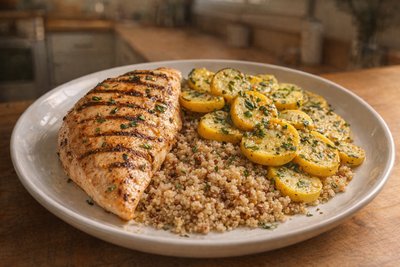
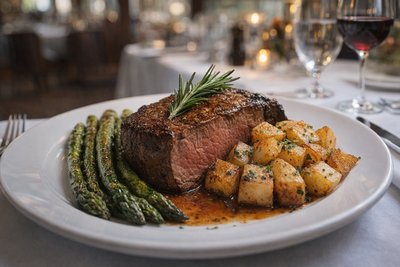
- Blackened Dishes: Use it to blacken fish, chicken, or steak for a classic Cajun flavor.
- Gumbos and Jambalayas: Add it to gumbos and jambalayas for an authentic Cajun kick.
- Roasted Vegetables: Sprinkle it on roasted vegetables like potatoes, sweet potatoes, or bell peppers for a flavorful side dish.
- Spice Rub: Use it as a dry rub for meats before grilling or roasting.
💡 Pro Tips
- Toast whole peppercorns and cumin seeds in a dry pan for two minutes before grinding to release the most intense aromatic oils.
- Gradually add the cayenne pepper in small increments and taste as you go to ensure the spice level perfectly matches your heat tolerance.
- Keep your seasoning in a tightly sealed glass container away from direct sunlight and heat to prevent the herbs from losing their vibrant flavor.
- Prepare a salt-free version of the blend to allow for precise seasoning of dishes that already contain salty ingredients like broth or cured meats.
- Whisk the spices thoroughly or pulse them briefly in a spice grinder to ensure even distribution of the fine powders and dried herbs.
Frequently Asked Questions
While you can substitute table salt, kosher salt is recommended for its purer flavor and larger crystals. If using table salt, reduce the amount slightly, as it is more concentrated than kosher salt, to avoid an overly salty seasoning.
Homemade Cajun seasoning will last for about 6-12 months if stored properly in an airtight container in a cool, dark, and dry place. Over time, the spices may lose some of their potency, so it's best to use it within a year for the best flavor.
If you don't have white pepper, you can omit it or use a slightly larger amount of black pepper. Alternatively, a pinch of ground coriander can provide a similar subtle warmth and flavor profile.
To reduce the heat, significantly decrease or eliminate the cayenne pepper. You can also add a touch more paprika to enhance the sweetness and balance out the other spices without adding extra heat.