 delishing
How to Make Restaurant-Quality Orange Chicken on Your Stove

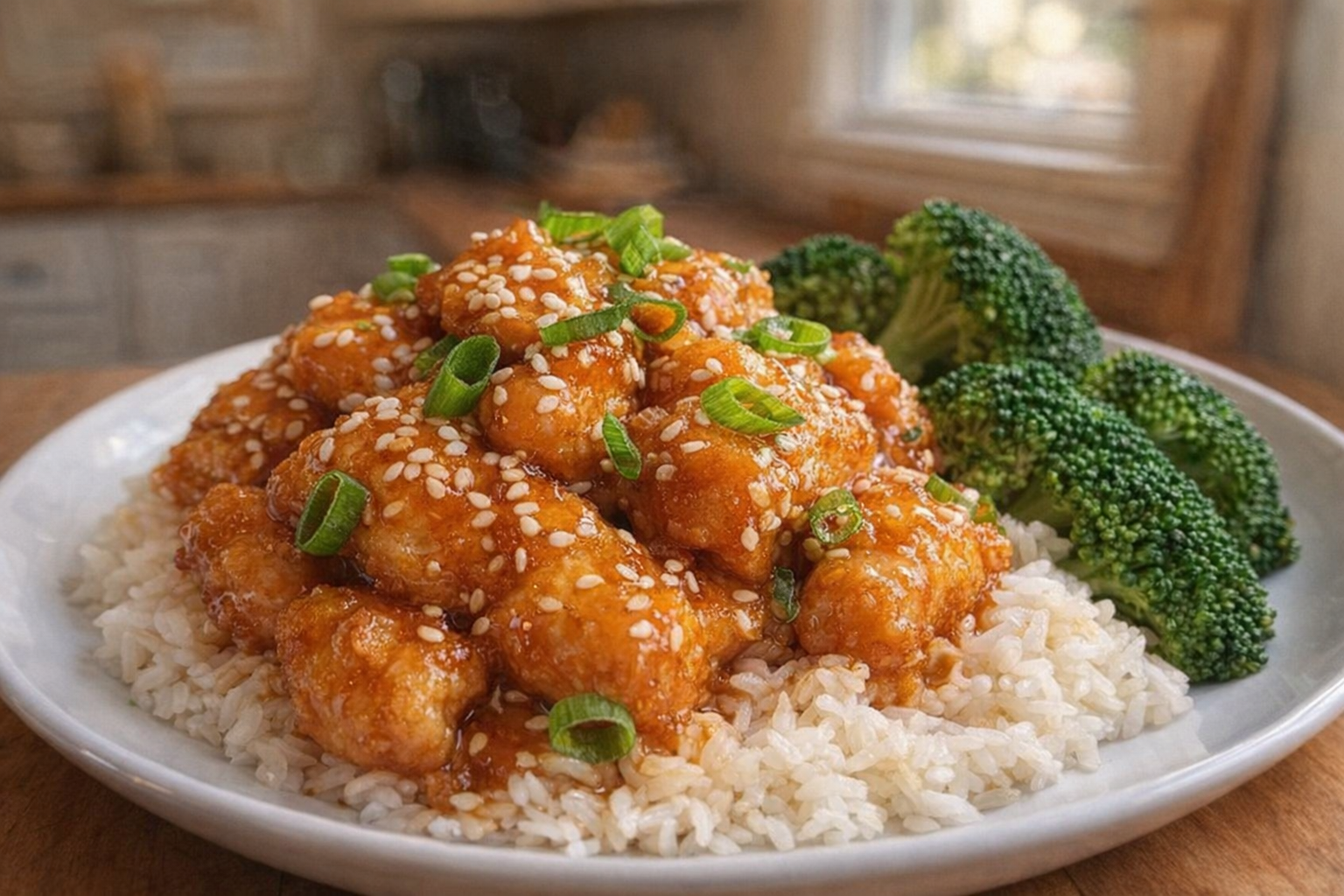
Orange chicken delivers a delightful dance of savory, sweet, and tangy flavors, making it a universally appealing dish. The tender, crispy chicken, coated in a glossy, vibrant orange sauce, creates a satisfying textural and flavorful experience. This method focuses on achieving maximum crispiness in the chicken and a perfectly balanced, flavorful sauce that clings beautifully. We'll guide you through each step to make this a weeknight staple.
The key to exceptional orange chicken lies in the preparation. By properly marinating the chicken and executing a double-frying technique (as we'll discuss later), you'll achieve unparalleled crispiness. Balancing the sauce's sweetness and acidity is also crucial; we’ll provide tips to help you customize it to your liking.
Understanding Chicken Cuts
For orange chicken, boneless, skinless chicken thighs are the superior choice for their richer flavor and ability to remain moist during cooking, but breasts will also work. Look for chicken with a healthy pink color and firm texture. Avoid packages with excessive liquid, which can indicate older chicken. If using frozen chicken, ensure it's fully thawed before beginning. Patting the chicken dry before marinating is also crucial, as it promotes better adhesion of the coating and crispier results. Chicken thighs should be trimmed of excess fat before cutting them into 1-inch pieces.
Why Cook Orange Chicken This Way?
- Flavor: Replicates the restaurant experience, with a balanced sweet, sour, and savory profile.
- Versatility: Pairs well with various sides, from rice and noodles to vegetables.
- Convenience: Can be prepped in advance, making it ideal for busy weeknights.
Preparation (Mise en Place)
- Thawing Chicken: If using frozen chicken, thaw it in the refrigerator overnight for food safety. Never thaw at room temperature.
- Cutting Chicken: Cut the chicken into uniform, bite-sized pieces (approximately 1-inch cubes). This ensures even cooking and a pleasing texture.
- Zesting Orange: Use a microplane grater to zest half an orange, being careful to only grate the colored part of the peel and avoid the bitter white pith.
- Juicing Oranges: Juice the oranges to yield approximately 1/2 cup of fresh orange juice.
- Mincing Garlic: Mince 2-4 cloves of garlic finely.
- Mixing Dry Ingredients: In a separate bowl, whisk together the flour and cornstarch for the chicken coating.
Essential Tools
- Large Mixing Bowls: For marinating and coating the chicken.
- Wok or Large Skillet: A wok is ideal for even frying due to its curved shape, but a large, heavy-bottomed skillet will also work.
- Tongs: For safely handling and turning the chicken in the hot oil.
- Saucepan: For preparing the orange sauce.
- Thermometer: To ensure the oil reaches the correct temperature for frying (350-375°F/175-190°C).
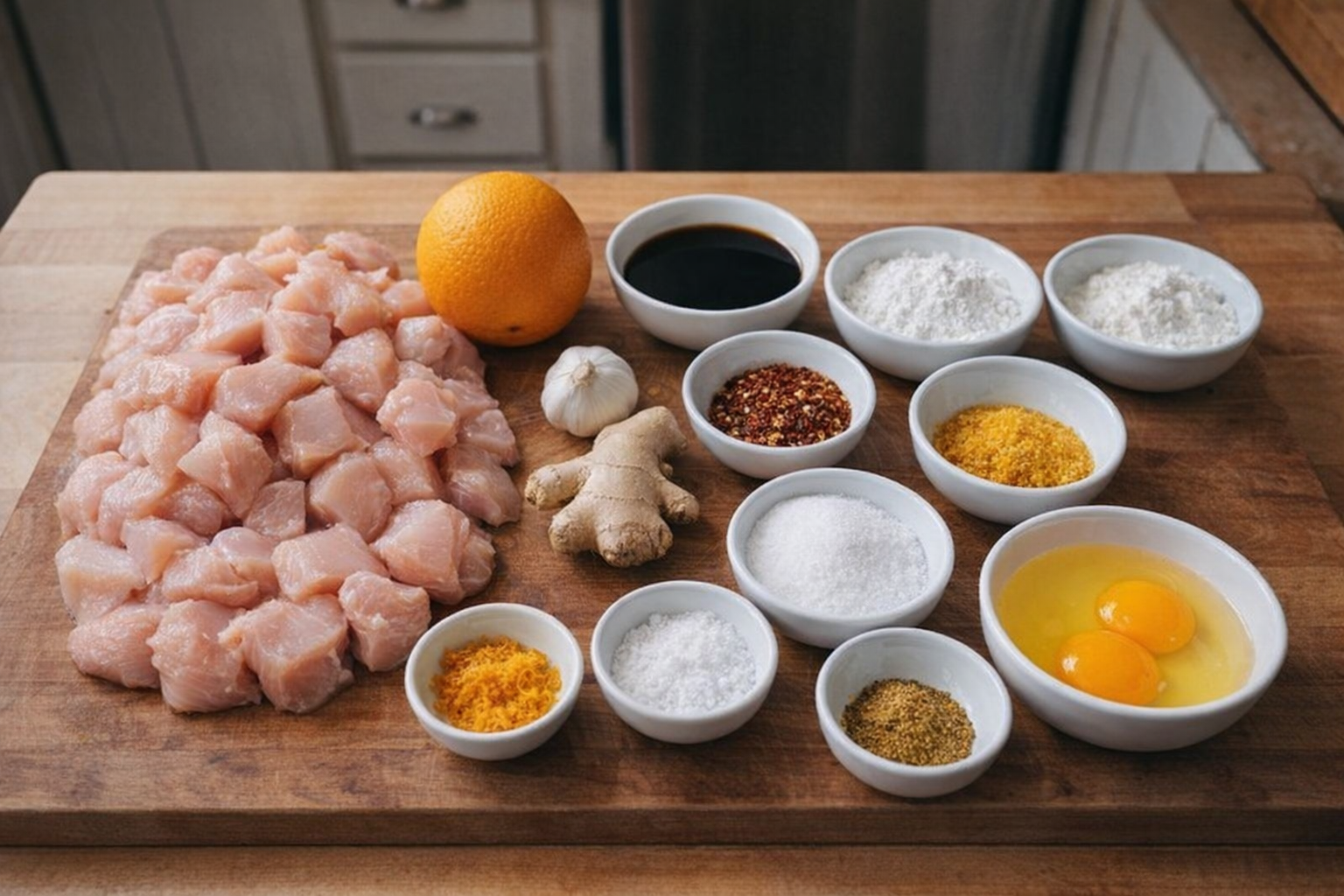
The Cooking Methods
We'll be focusing on one primary cooking method here, delivering authentic orange chicken directly from your stovetop.
Stovetop Frying with Orange Glaze
Ingredients:For Chicken Marination:
- 2 lbs boneless, skinless chicken thighs, cut into 1-inch pieces (900g)
- 1 large egg, beaten
- 2 tablespoons cornstarch (25g)
- 1 cup all-purpose flour (120g)
- 1/4 teaspoon salt (1.5g)
- 1/4 teaspoon black pepper (1.5g)
- Vegetable oil, for frying
For Sauce:
- 1/2 cup fresh orange juice (120ml)
- 1/4 cup soy sauce (60ml)
- 2 tablespoons lemon juice (30ml)
- 2-4 cloves garlic, minced
- 4-6 tablespoons granulated sugar (50-75g), adjust to taste
- 1 teaspoon ginger paste (5g)
- 1/2 teaspoon red pepper flakes (optional) (2.5g)
- 1 teaspoon orange zest (2g)
- Marinate the Chicken: In a large bowl, whisk together the egg, salt, and pepper. Add the chicken pieces and toss to coat evenly. Let marinate for at least 30 minutes at room temperature, or up to 2 hours in the refrigerator. The longer the marination, the more flavorful the chicken will be.
- Coat the Chicken: In a separate bowl, combine the cornstarch and flour. Dredge each piece of marinated chicken in the flour mixture, ensuring it's fully coated. Shake off any excess flour. This creates a crispy crust.
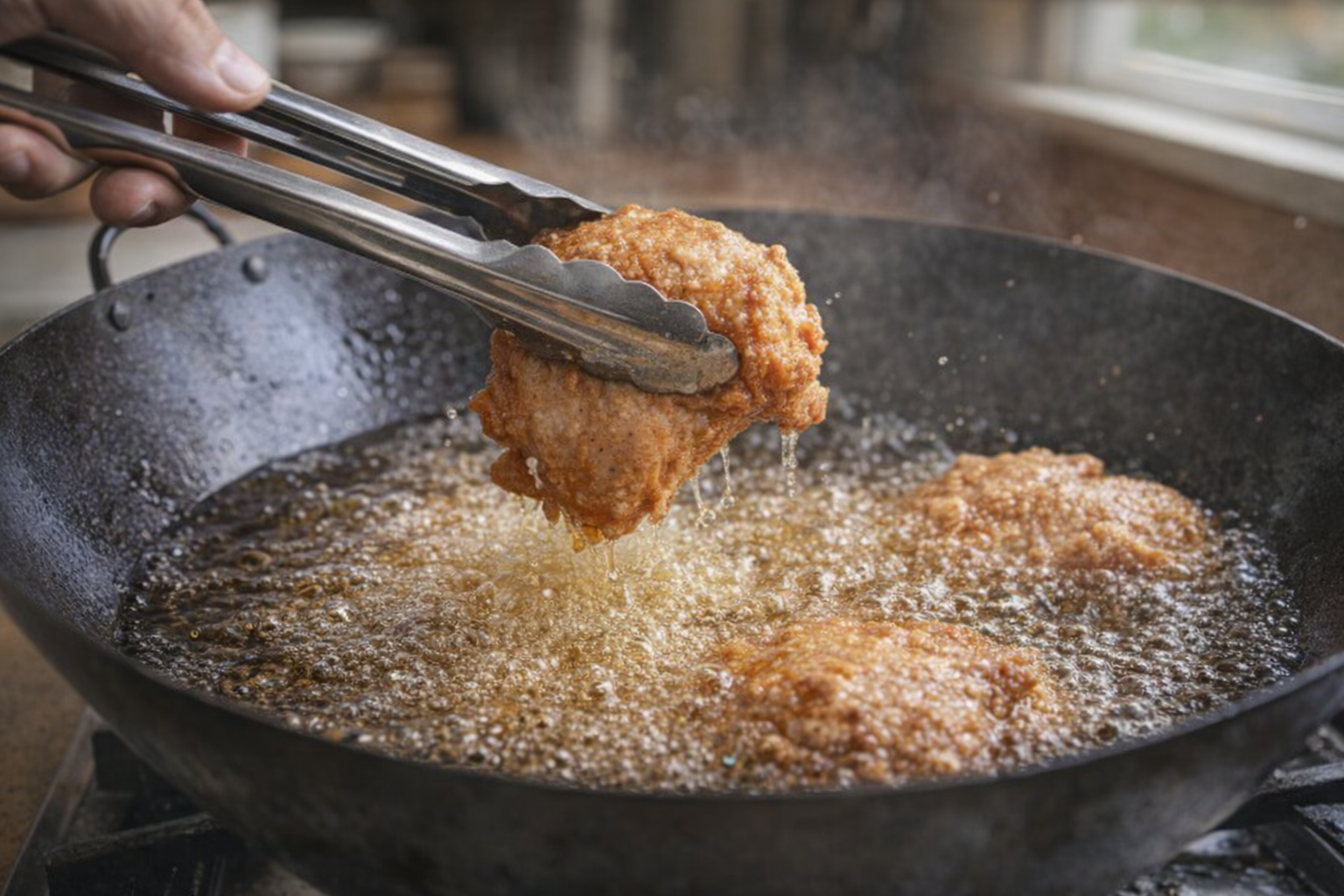
- First Fry (Par-Fry): Heat about 1 inch of vegetable oil in a wok or large skillet over medium-high heat until it reaches 350-375°F (175-190°C). Carefully add the chicken in batches, being sure not to overcrowd the pan. Fry for 2-3 minutes per side, until lightly golden. Remove the chicken from the oil and place it on a wire rack to drain. This initial fry sets the coating and prepares the chicken for the second fry.
- Prepare the Sauce: While the chicken is resting, prepare the sauce. In a saucepan, combine the orange juice, soy sauce, lemon juice, minced garlic, sugar, ginger paste, red pepper flakes (if using), and orange zest.
- Simmer the Sauce: Bring the sauce to a simmer over medium heat, stirring occasionally. Cook for about 5-7 minutes, or until the sauce has thickened slightly. You should notice it coating the back of a spoon.
- Second Fry (Crisp Up): Increase the heat of the oil to medium-high. Fry the chicken again for 1-2 minutes per side, until golden brown and crispy. Remove from the oil and place on a wire rack. The second fry creates the ultimate crispy texture.
- Combine Chicken and Sauce: Add the crispy chicken to the saucepan with the orange sauce. Toss to coat evenly. Cook for 1-2 minutes, allowing the sauce to cling to the chicken. The sauce will further thicken as it coats the chicken.
- Serve Immediately: Serve the orange chicken hot, garnished with sesame seeds and chopped scallions, if desired.
Cooking Time & Doneness Guide
- Frying Time: The first fry (par-fry) takes approximately 2-3 minutes per side. The second fry (crisp up) takes approximately 1-2 minutes per side.
- Internal Temperature: While the chicken is cut into small pieces, ensuring an internal temperature of 165°F (74°C) in a larger piece will guarantee it is fully cooked.
Visual Cues
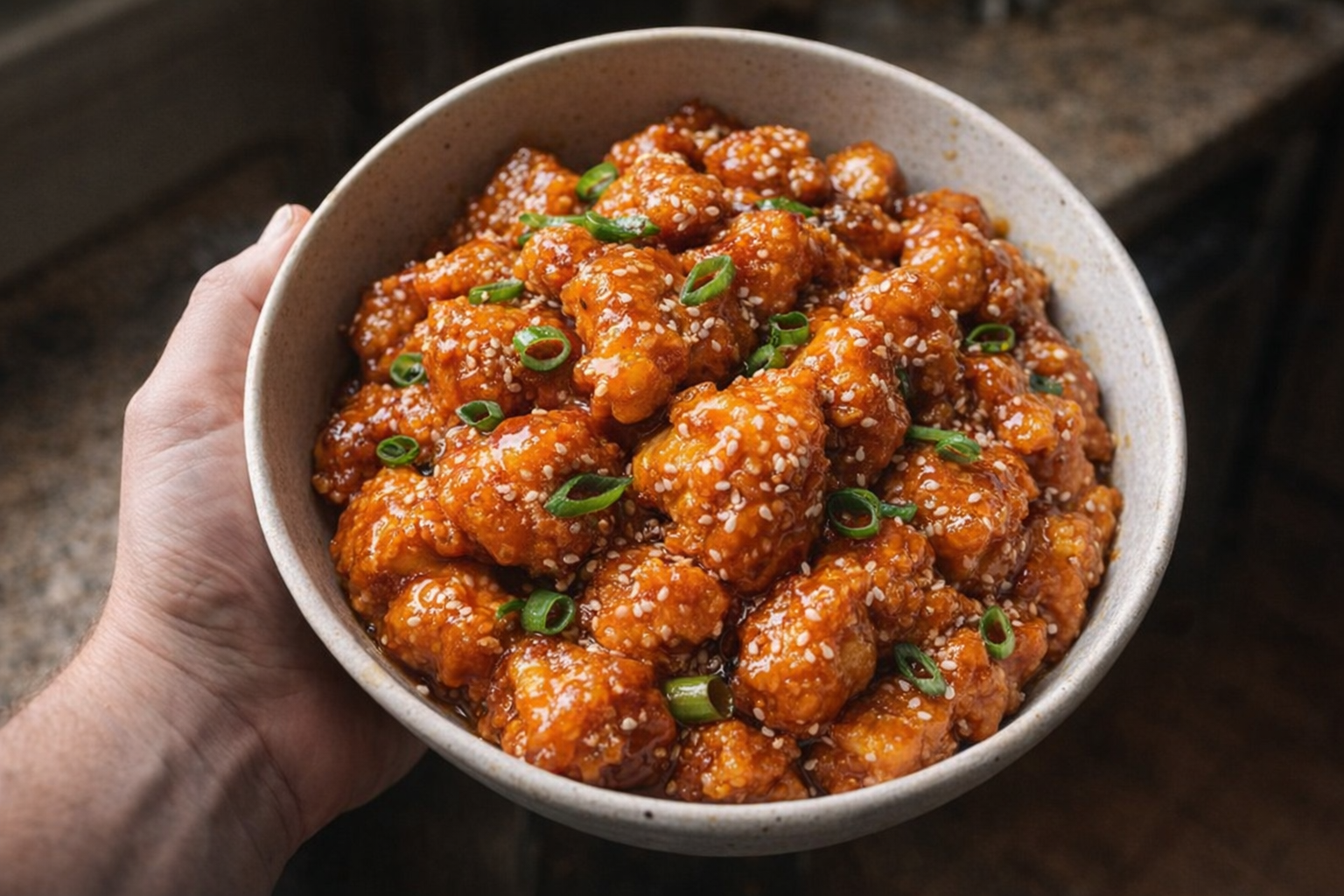
The chicken should be golden brown and crispy on the outside. The sauce should be thick and glossy, clinging well to the chicken pieces.
Tips for Perfection
- Don't Overcrowd the Pan: Frying in batches prevents the oil temperature from dropping, ensuring crispy chicken.
- Control the Heat: Maintain a consistent oil temperature for even cooking. Use a thermometer to monitor the temperature.
- Adjust Sweetness: Taste the sauce and adjust the amount of sugar to your preference.
- Don't Overcook the Sauce: Overcooking the sauce can result in a sticky or burnt glaze.
Storage & Reheating
Store leftover orange chicken in an airtight container in the refrigerator for up to 3-4 days. To reheat, spread the chicken in a single layer on a baking sheet and bake in a preheated oven at 350°F (175°C) for 10-15 minutes, or until heated through and crispy. Microwaving is not recommended as it will make the chicken soggy.
Serving Suggestions
- With Rice: Serve over steamed white or brown rice for a classic combination.
- With Noodles: Pair with stir-fried noodles or chow mein for a heartier meal.
- With Steamed Vegetables: Serve alongside steamed broccoli, bok choy, or green beans for a balanced dish.
- As an Appetizer: Serve smaller portions as an appetizer with dipping sauces.
Frequently Asked Questions
While fresh orange juice is preferred for the best flavor, bottled orange juice can be used in a pinch. Look for a high-quality, pulp-free variety and consider adding a pinch of orange zest to boost the citrus flavor.
If you don't have cornstarch, you can use potato starch or tapioca starch as a substitute in the chicken coating. These alternatives will also contribute to a crispy texture when fried.
Leftover orange chicken should be stored in an airtight container in the refrigerator for up to 3-4 days. Keep in mind that the chicken may lose some of its crispness as it sits in the sauce, but it will still be flavorful.
If your orange sauce is too sweet, you can balance it out by adding a little more acidity. Try a splash of rice vinegar or a squeeze of lemon juice to cut through the sweetness and create a more balanced flavor profile.